Posted in: The Reel World by Dakota Nivens on September 21st, 2025
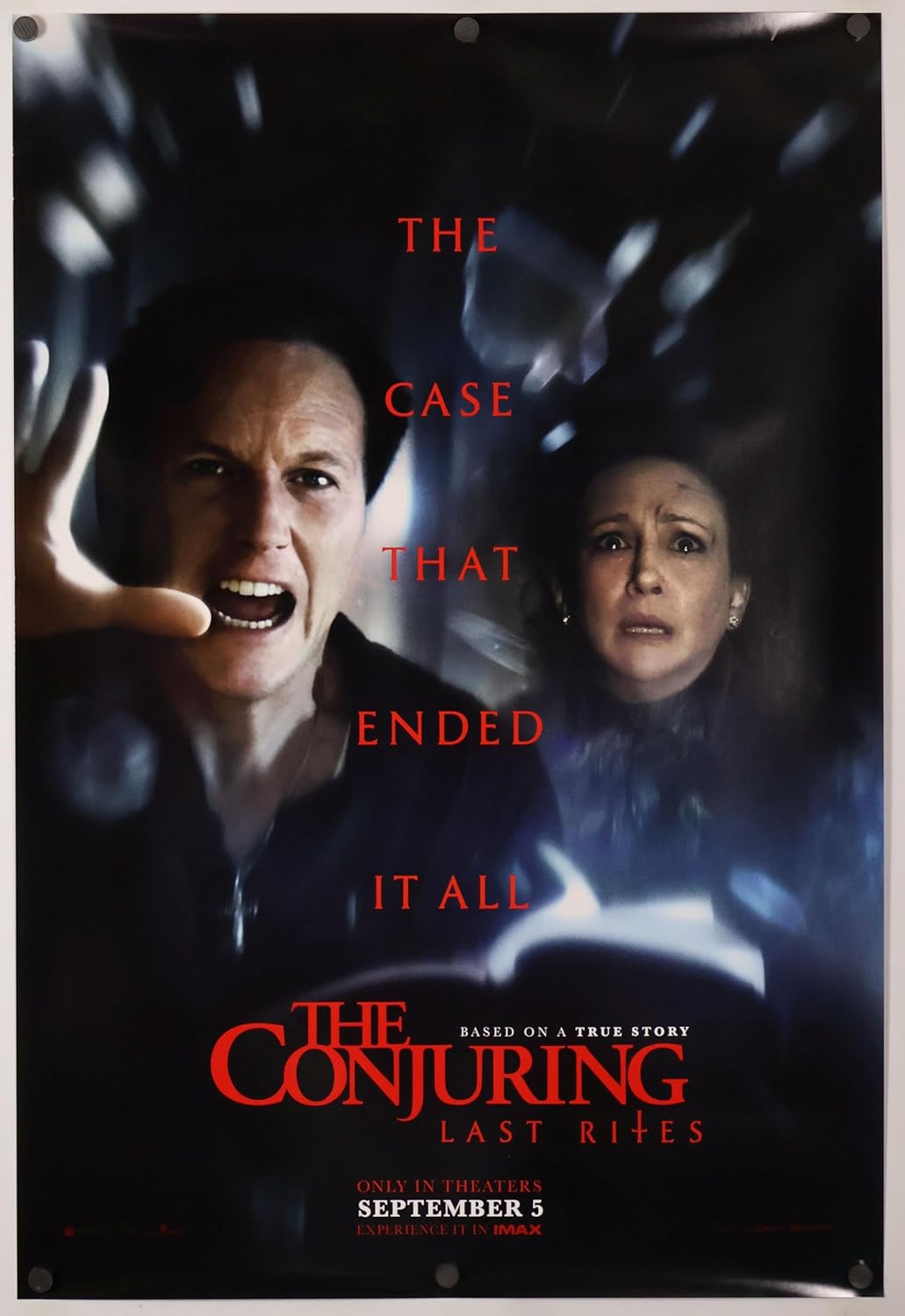
Watching a production as high-caliber as The Conjuring: Last Rites (2025) naturally comes with a lot of hype, with its Hollywood budget and immense popularity. It is refreshing to see a Hollywood horror film treated with real seriousness, the kind that draws both genre diehards and casual viewers, and my theater was packed as evidence of that. Within its shared universe there are nine, debatably ten, entries you can binge, including Annabelle (2014-2019) and The Nun (2018-2023) with their sequels. The debated tenth, The Curse of La Llorona (2019), is only loosely connected through Father Perez from the Annabelle films. As the title suggests, The Conjuring: Last Rites (2025) positions itself as the capstone to this first phase, and it is wrapped with a cathartic finality. I think one of the main reasons for its success is the fact that these movies are based on real events and experiences from the perspective of the Warrens. While you are watching something horrifying and seemingly fictional, you keep in mind that these are lived experiences as recounted by Ed and Lorraine Warren. It is haunting to think such paranormal events happened, and to imagine the bravery it takes for the Warrens to dedicate their lives to helping others confront such phenomena. Whether you believe in the paranormal or not, the cases in these movies are drawn from reported events, and the claims from the families they helped are well documented. For me, I err on the side of phenomenology, accepting these experiences as truth while accounting for the mind’s power to shape perceived reality, even amid skepticism and the possibility of fabrication.
In the film, The Conjuring: Last Rites (2025) is loosely based on the Smurl haunting, which took place in West Pittston, Pennsylvania in the 1980s, where the story is also set. Although the Warrens lived in Connecticut, they decided to help the Smurl family after their daughter, Judy Warren, was drawn there through supernatural forces she could not explain. Shortly after, they discovered a previously unknown connection to the house through a mirror the Warrens had encountered before Judy’s birth. The writers took creative liberties suited to the big screen, deviating from real accounts in ways that still felt tasteful and respectful to the family involved.
Posted in: The Reel World by Dakota Nivens on August 14th, 2025
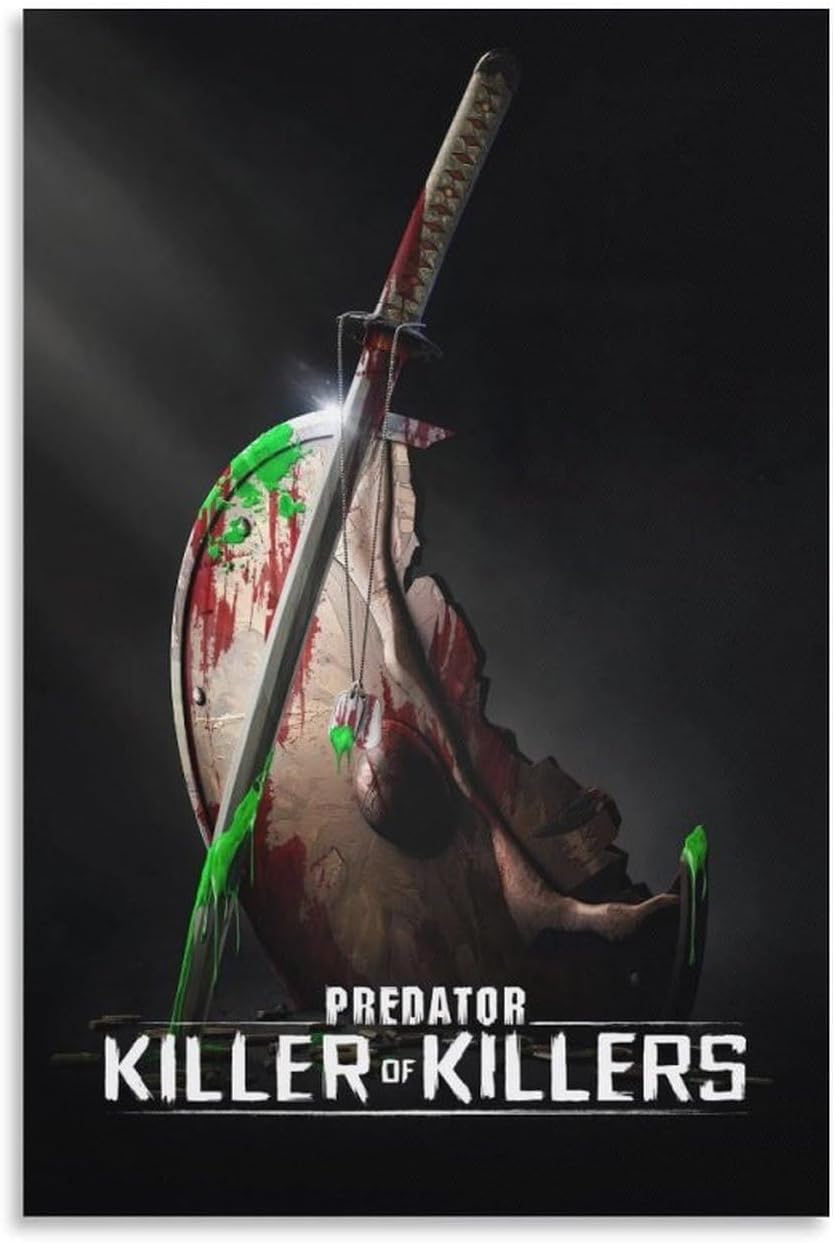
I originally watched Predator: Killer of Killers (2025) as suggested by my boyfriend, which was released on Hulu in June. To be candid, I stopped following the Predator franchise after its cultural peak with the iconic crossover Aliens versus Predator (2004) and its respective sequel in 2007. Once franchises start to feel more like money grabs, like with the Jurassic World franchise (2015-2025), the magic becomes evanescent, and the cinematic experience is severely diminished for me. That said, this movie is so creatively gory, with such a stellar story, you can’t help but be impressed! This film acts as a standalone animated anthology, which serves as the eighth installment for the franchise, released after Prey (2022) and preceding Badlands (Nov 2025). Both the style of animation and the creative use of vantage points distinguished this production from the rest in the franchise and amazingly keeps you invested in the story, despite it initially seeming disconnected.
The point of the anthology clearly was to connect more warmly with the respective characters, and what they’ve endured to reach the point of rendezvous. Despite its grotesque fight scenes and generally horrific outcomes, you grow to feel compassion for each character, understand their interactions with greater insight, and feel hope for them in moments of despair. Additionally, I loved the nuances in historical timelines featured in each story, with the first set during Viking-era Scandinavia, the second exploring feudal Japan, and the third unfolding during World War II.
Posted in: The Reel World by Dakota Nivens on August 2nd, 2025
The Naked Gun (2025) is a beautifully absurd film that had me and everyone in the theater laughing in tears. It is both a continuation and reboot to the original franchise that introduces a new generation of characters, which still honors the classic formula of deadpan delivery, absurd plotlines, and visual gags that gave the original its significance. It was like a breath of fresh air in a lackluster era of Hollywood which felt seriously rich in soul. I can’t even joke; my face was hurting from laughing and smiling throughout the entire movie! Initially, I was apprehensive about the movie because it starred faces I’ve honestly grown tired of seeing in Hollywood, notably Neeson and Huston. It is a star-studded cast with Liam Neeson as Lt. Frank Drebin, Jr. and Pamela Anderson as Beth Davenport. Additionally, Seth MacFarlane is part of the production with Fuzzy Door Productions in partnership with Paramount Pictures. Even though I didn’t care for Neeson having the main role, his acting wasn’t washed up at all and was far better seeing him in a comedy—same with Huston. The production was ripe with cameos with Busta Rhymes as a bank robber, “Weird Al” Yankovic as himself, Cody Rhodes as a bartender, even ring announcer Bruce Buffer, and so many more. To me, this is what genuinely gave this movie its soul, with its cultural relevancy and space for diverse interests.
Even as a gay man, I have to say that Pamela Anderson was absolutely gorgeous and so sexy in this film! I say that because that is exactly how she set out to present herself as the femme fatale in this movie, and she nailed it! Even though her talks with the media around aging gracefully are viral, it felt she authentically elevated the Hollywood beauty standard that she so virtuously chooses to be buoyed by. She completely sold the dumb blonde trope, and the movie wouldn’t have had its charm without her!
Posted in: The Reel World by Dakota Nivens on June 16th, 2025
Wolf Man (2025) is another reimagining of a classic werewolf tale with a recursive twist. The film is centered around a family dealing with unresolved trauma as they return to the father’s childhood farmhouse in hopes of reconnecting—only to be greeted by the very curse that broke their family in the first place.Admittedly, I went into the film fully expecting to fall in love; this is honestly because I can appreciate a wicked creature feature. I was already aware that it was Blumhouse Productions before going into the film, but I also learned—after watching the introductory credits—that it was directed and co-written by Leigh Whannell, whom I recognized from his directorial debut, Insidious 3 (2015), and later The Invisible Man (2020). Christopher Abbott leads as Blake Lovell, a husband and father bringing his family—Charlotte, played by Julia Garner, and their daughter Ginger, played by Matilda Firth—back to his childhood farmhouse in an effort to rebuild strained connections. Sam Jaeger takes on the role of Grady Lovell, Blake’s missing father, whose hidden past gradually unravels at the heart of the story’s horror. Overall, I have to say that the casting choices were great, and their talents were certainly pivotal in capturing the emotional experience of Wolf Man (2025). Although subtle, Jaeger’s and Abbott’s portrayals of post-traumatic behaviors in both timelines of the movie were brilliant to me and greatly contributed to the chill.
The film is a reboot of Universal’s Classic Monster series The Wolf Man franchise created by Curt Siodmak in 1941. This franchise generated cultural significance early in the film industry, serving as the blueprint for contemporary reboots, such as Wolf Man (2025). The original franchise by Siodmak set precedent in codifying how werewolves are portrayed in film, even inspiring the cult classics An American Werewolf in London (1981), The Howling (1981), and many more. One of the deeper themes carried through creature features inspired by Siodmak is the loss of humanity, particularly how transformation becomes a metaphor for reckoning with a cursed existence—and this film did not stray.