2160p

"People once believed that when someone dies, a crow carries their soul to the land of the dead. But sometimes, something so bad happens that a terrible sadness is carried with it, and the soul can't rest. Then sometimes, just sometimes, the crow can bring that soul back to put the wrong things right." 

OK, let me get this out of the way. The Crow was a vehicle for Brandon Lee, son of martial arts legend and movie star Bruce Lee. The elder Lee trained Brandon in martial arts from the day he could take his first steps. When Brandon was only eight years old, his father tragically died just before finishing production on Enter the Dragon, a movie which would go on to become an international blockbuster making Bruce Lee the greatest icon of martial arts cinema. Brandon followed in his father’s footsteps studying martial arts and drama.

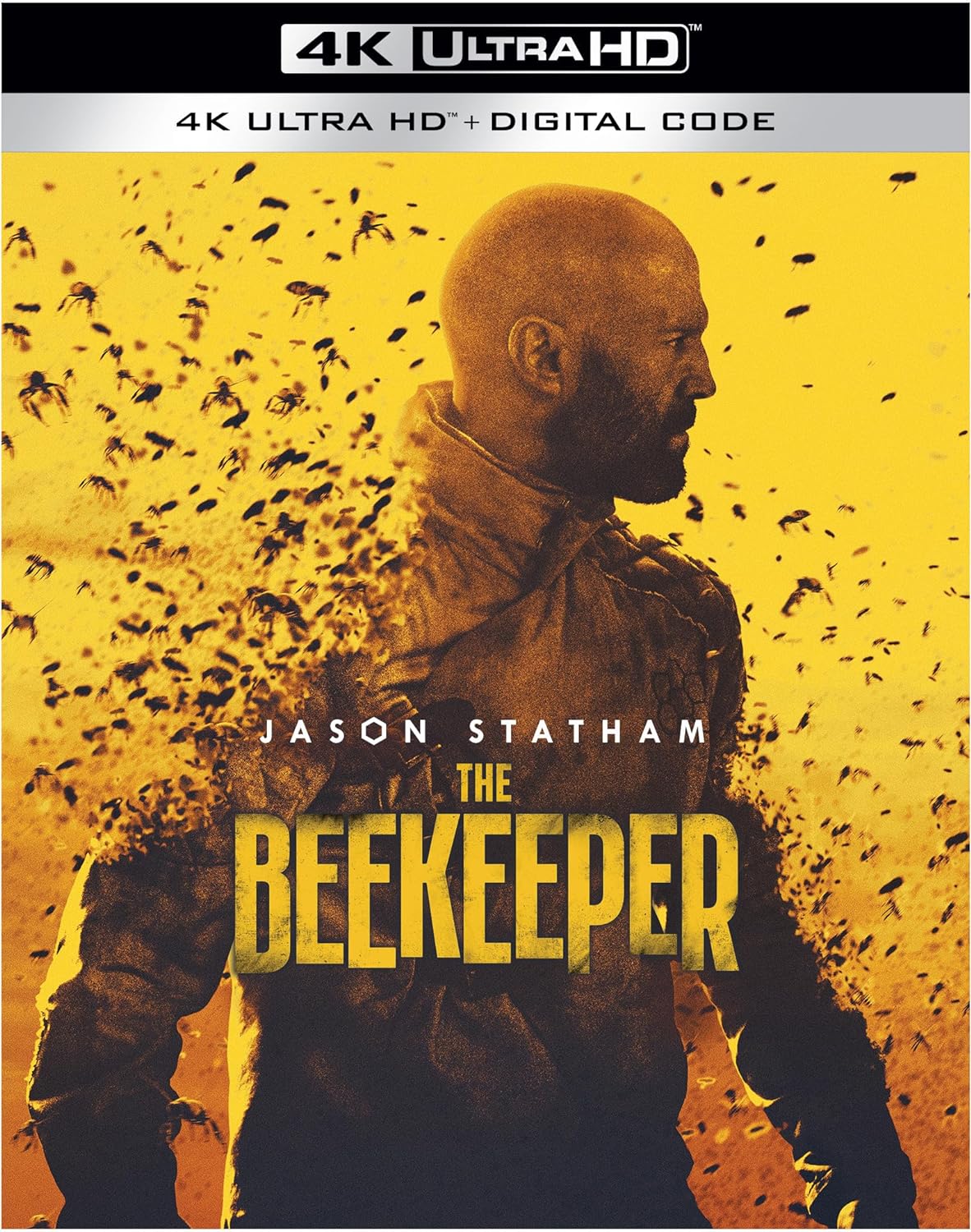
"The honeybee has always had a special relationship with humanity. A sacred relationship. Why? No bees, no agriculture. No agriculture, no civilization. Our nation is not unlike a beehive, with its complex systems of workers, caretakers, even royalty. If any of the beehive's complex mechanisms are compromised, the hive collapses. Someone, a long time ago, decided that a mechanism was needed to keep our nation safe -- a mechanism outside the chain of command, outside the system. It's one mission -- to keep the system safe. Beekeepers are given all resources, empowered to act on their own judgment. For decades, they have quietly worked to keep the hive safe. That is, until now. It appears that a retired Beekeeper has gone off program, and is acting in what he mistakenly believes is the hive's best interest."

On its surface, The Beekeeper seems to be another mindless action film featuring a retired assassin or skilled operator forced out of retirement to right an injustice. Granted, those themes are central to the overall story; however, in my opinion, the film embraces those themes and provides a measure of excitement and substance to a premise that could have easily become basic.


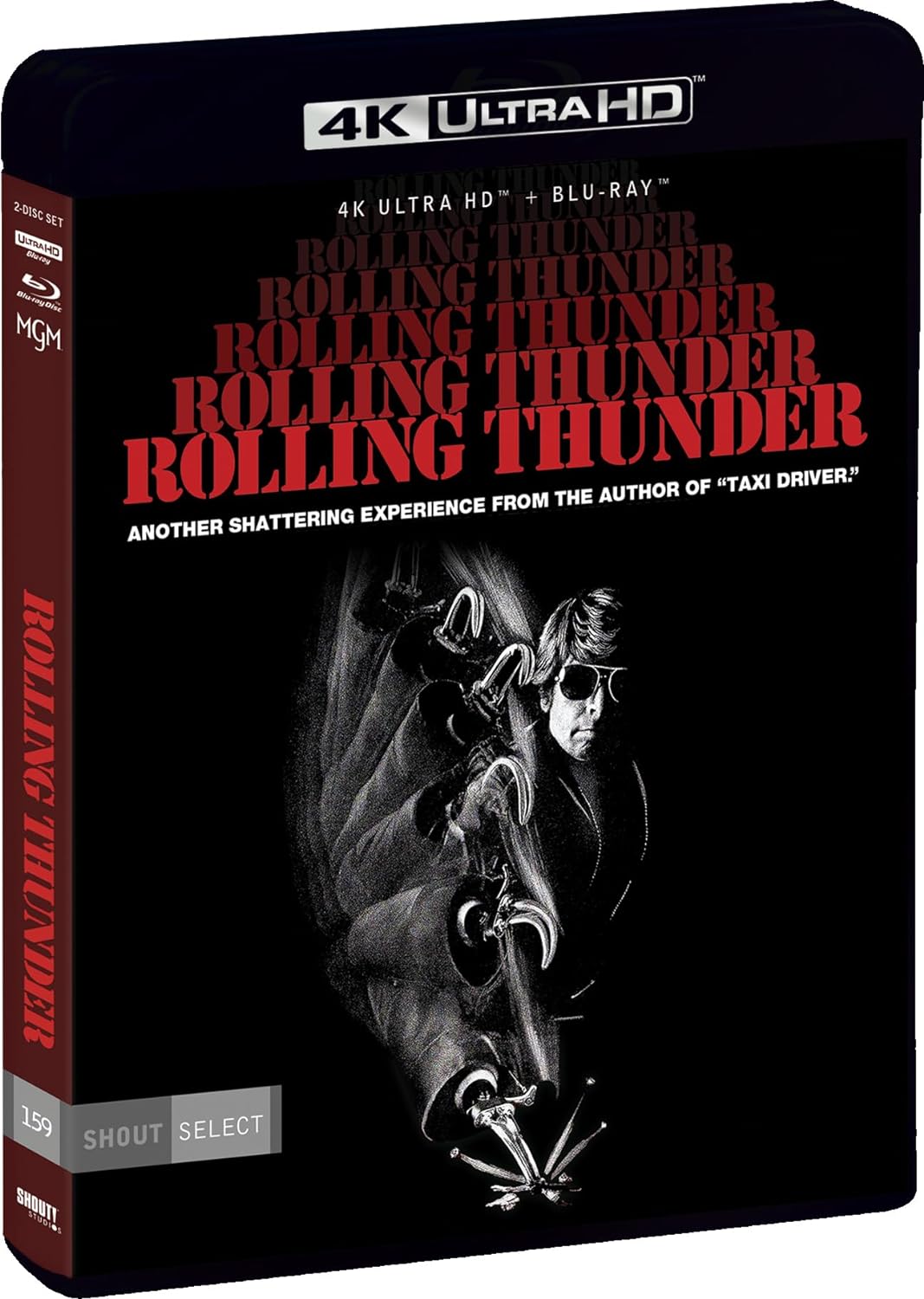
"Good to be back. We knew all along that everyone back home from the President on down was behind us 100%. It was God and faith in our families that kept us going. Speaking for myself, I'd like to say that the whole experience has made a better man, a better officer, and a better American out of me. Thank you very much."

It started in the 1970's just as the long and costly war in Vietnam was finally coming to a close. The conscience of the American people shifted from trying to stop the war to the soldiers who were now coming home and mourning the ones who didn't. There was also this group that fell somewhere in between. It took a long time to get the North Vietnamese to even acknowledge the number of POW's still held in captivity and the push was to bring them home. Suddenly Hollywood was on the bandwagon, and there appeared the war sub-genre that focused on these returnees, particularly those held prisoner. Films Like Missing In Action brought the subject to the front of moviegoers' attention, and other films like The Deer Hunter gave us a look at the psychological damage many returned to be haunted by.

by Joshua Nuances

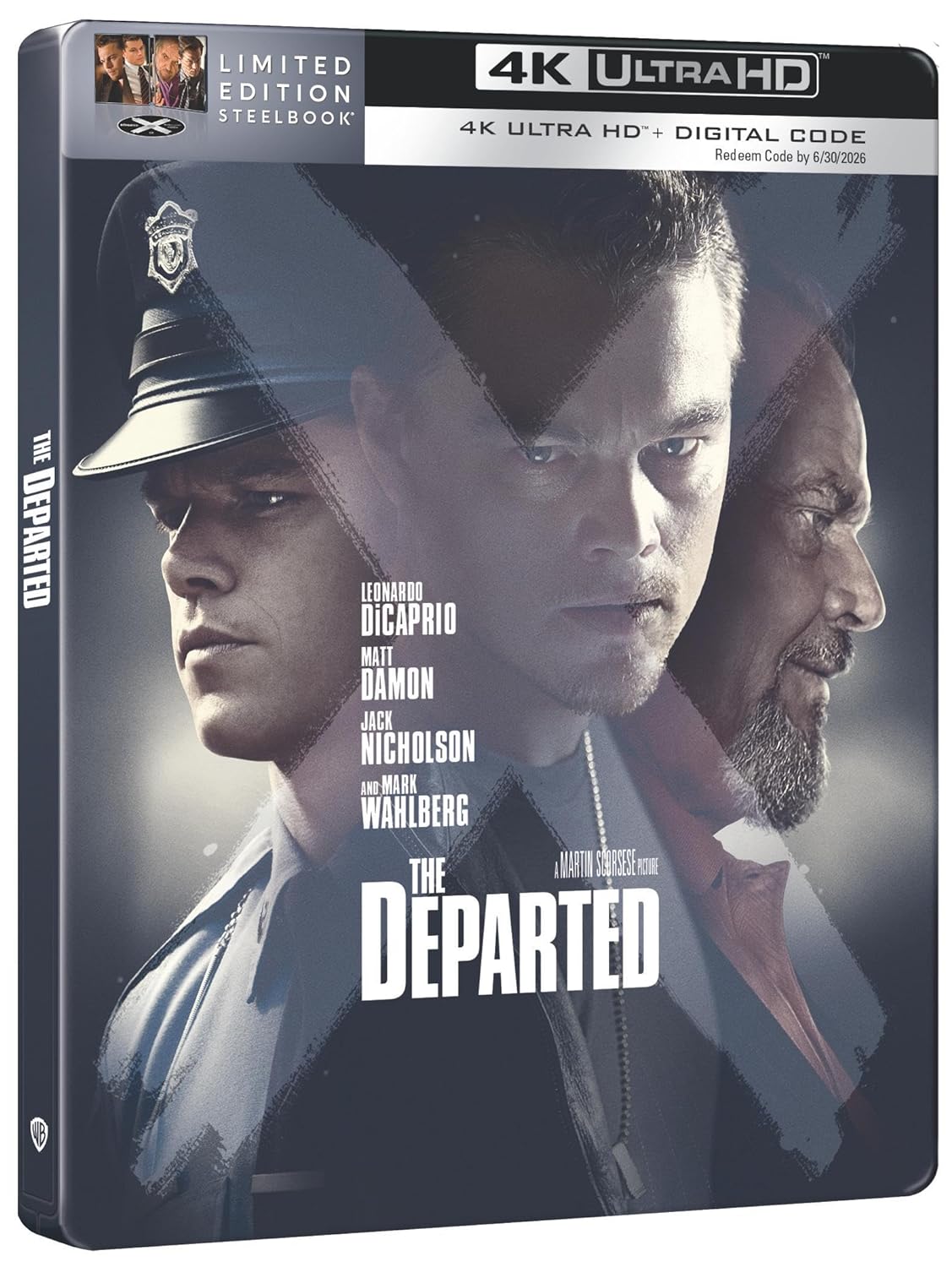
"I don't want to be a product of my environment. I want my environment to be a product of me. Years ago we had the church. That was only a way of saying - we had each other. The Knights of Columbus were real head-breakers; true guineas. They took over their piece of the city. Twenty years after an Irishman couldn't get a f$#@&% job, we had the presidency. May he rest in peace. If I got one thing against the black chappies, it's this - no one gives it to you. You have to take it."

The Departed, a basic remake of the Hong Kong film Internal Affairs, tells the story of Boston mob boss Frank Costello (Jack Nicholson) and his ruling ways of the streets.

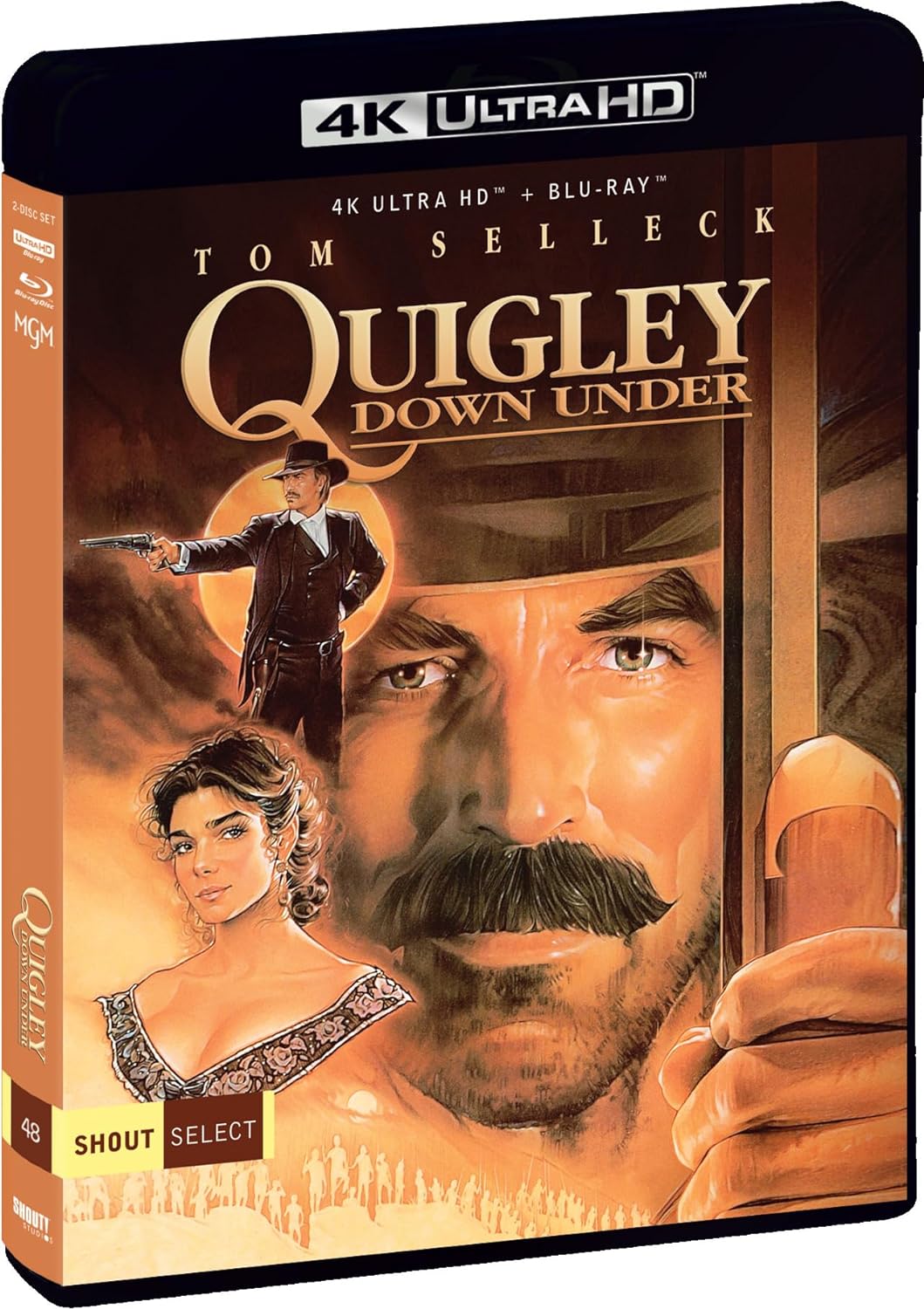
"You know your weapons. It's a lever-action breech-loader. Usual barrel length's thirty inches. This one has an extra four. It's converted to use a special forty-five caliber, hundred-and-ten-grain metal cartridge, with a five-hundred-forty-grain paper patch bullet. It's fitted with double-set triggers, and a Vernier sight, marked up to twelve-hundred yards. This one shoots a mite further."

It almost happened again. Lightning almost hit Tom Selleck for a second time, and I don't mean in a good way. Tom Selleck was having fun and a tremendous amount of success playing Magnum P.I. on television. It was a character he got on the strength of a recurring character on The Rockford Files, and it was a huge hit. But in 1981 it didn't seem so much like a blessing. Casting calls went out, and he was approached to play an archaeologist trying to beat the Nazis to some kind of a McGuffin or another. The Magnum commitment kept him from taking the role, and it went to Harrison Ford, who turned it iconic.

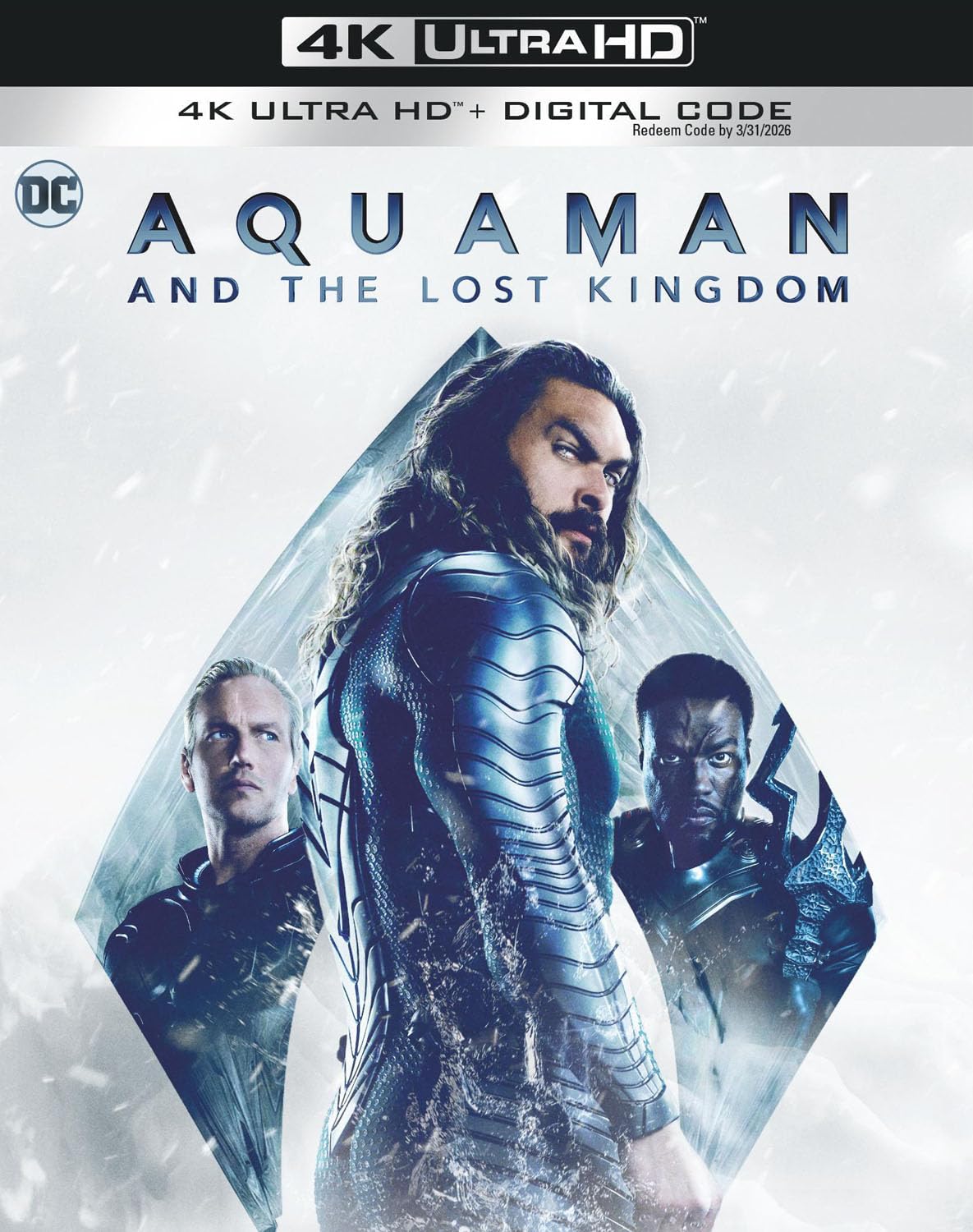
"They say everybody's good at something. Me? I talk to fish. That's how I met my friend, Storm. He's always there when I need a lift. Some people think that makes me a joke, But I don't care. You know why? 'Cause I'm also good at something else: breaking heads ... I'm Aquaman."

This film release marks the end of the DCEU as we know it (also known as the Snyder-verse). The DCEU has been an interesting ride to say the least, full of ups and downs. And while it never truly challenged Marvel with their multi-phased game plan, it did provide unique opportunities that gave some deserving talents a platform to showcase their abilities. Momoa was one of them. For me, his casting was among the most unique and triumphant. When he was first announced, I had to take a hard look at that decision, as it went against the grain as far as traditional casting for Arthur Curry went.

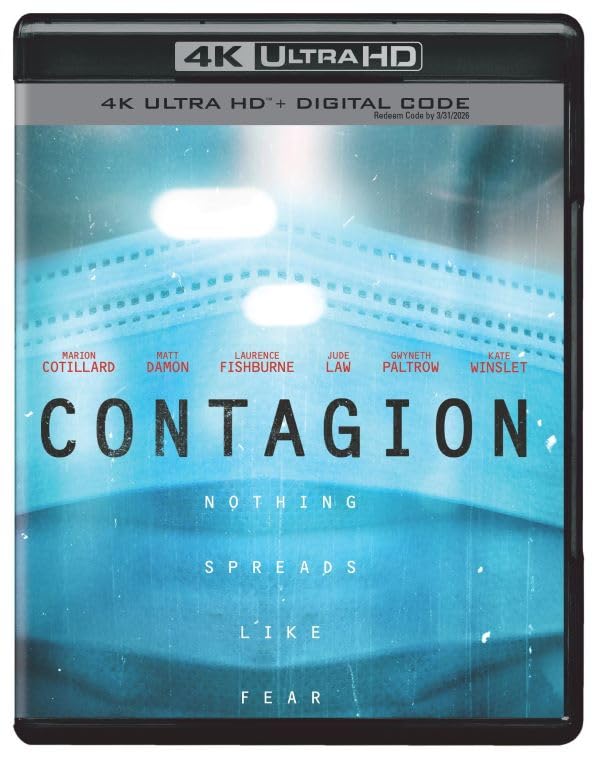
When Contagion was released in 2011, it was considered a horror film, more a flight of fancy than anything else. It wasn't a great box office winner. But in 2019 all of that changed as we lived through the pandemic that was mere science fiction before then. Looking back at the film, it becomes a game of what they eerily got right and what was far off the mark. Much of the world disaster element, thankfully, never came through, but in hindsight it is quite surreal the things the film did get right. The idea of a therapy drug possibly being downplayed by the government and an internet guy trying to drive those discords. The fear of a quickly-created vax also looks very much like what is still playing out in the world today. The film depicted a nasal vax that I wish had been true. The film avoided much of the political fallout, but you really must see this film in a post-COVID world.

"You are now the property of Erewhon Prison. A citizen of nowhere. The Geneva Convention is void here; Amnesty International doesn't know we exist. When I say your ass belongs to me, I mean exactly that."

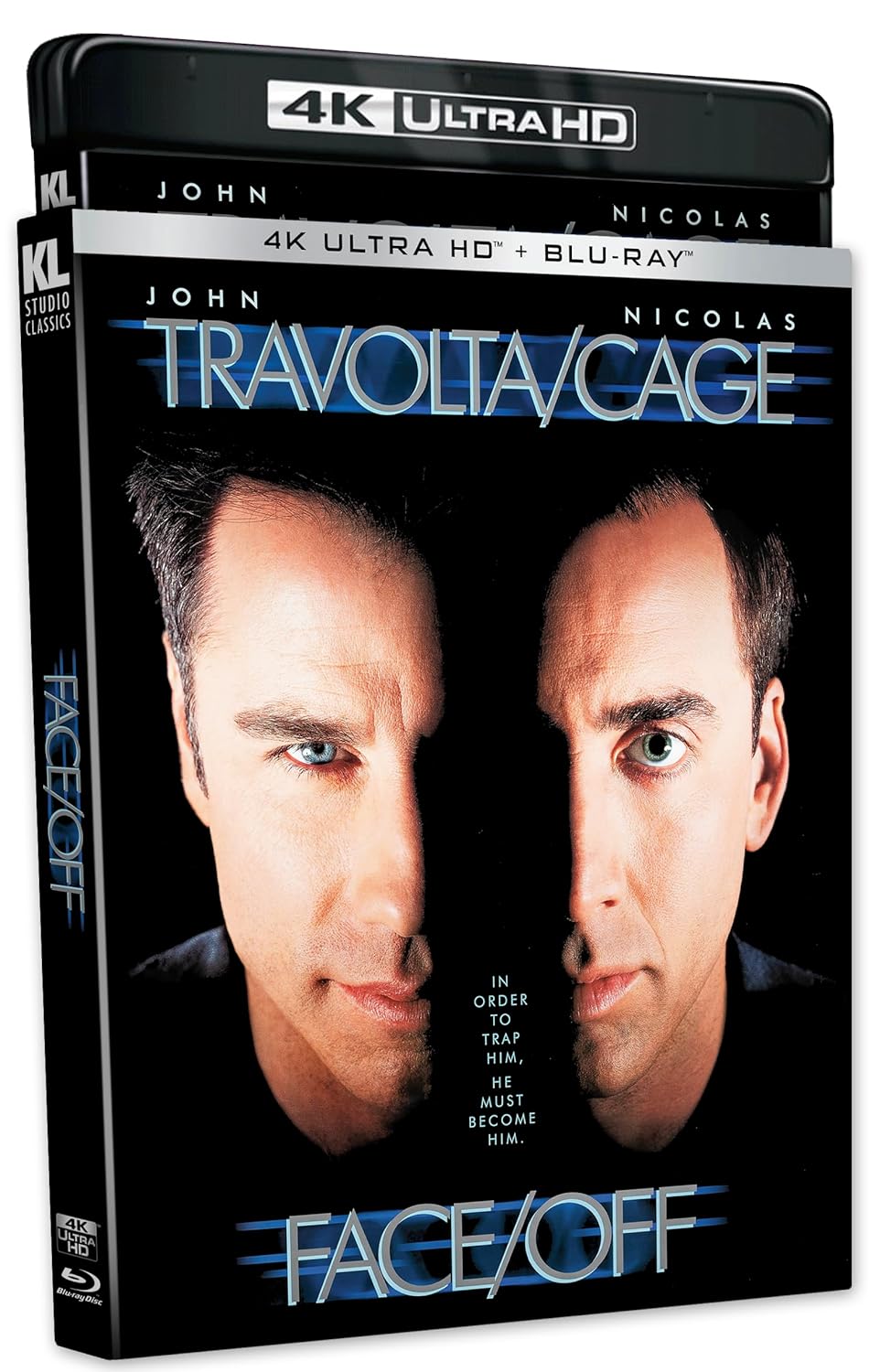
I am a huge John Woo fan, especially his earlier classics like Hard Boiled. I’ll admit it’s been several years since I last seen Face/Off, but I don’t have a reason why, as I remember really liking this movie then. At either rate now I have a copy of the movie to call my own, and a special two disc release at that. Let’s just hope that it is what I remember, but as a big fan of Nick Cage I don’t think I’ll be let down. In order to catch him, he must become him. I couldn’t put it any better myself, Face/Off tells quite the eccentric story of revenge, devotion, and of course crime. Sean Archer (John Travolta, Wild Hogs) is an extremely devoted FBI agent, obsessed with catching terrorist Castor Troy (Nicholas Cage, Ghost Rider).

"I know what you're thinking. "Pain is coming. Will I take it like a man?" Well, let me put you at ease. You won't -- but none of them do. Men, women, children, they all weep, they all beg, they pass out, they piss themselves, they attempt negotiation. You wouldn't believe how many men I've seen lying right where you're lying right now, grown men with wives and children at home, offering all kinds of sexual gratification for a five-minute reprieve. It's pathetic."

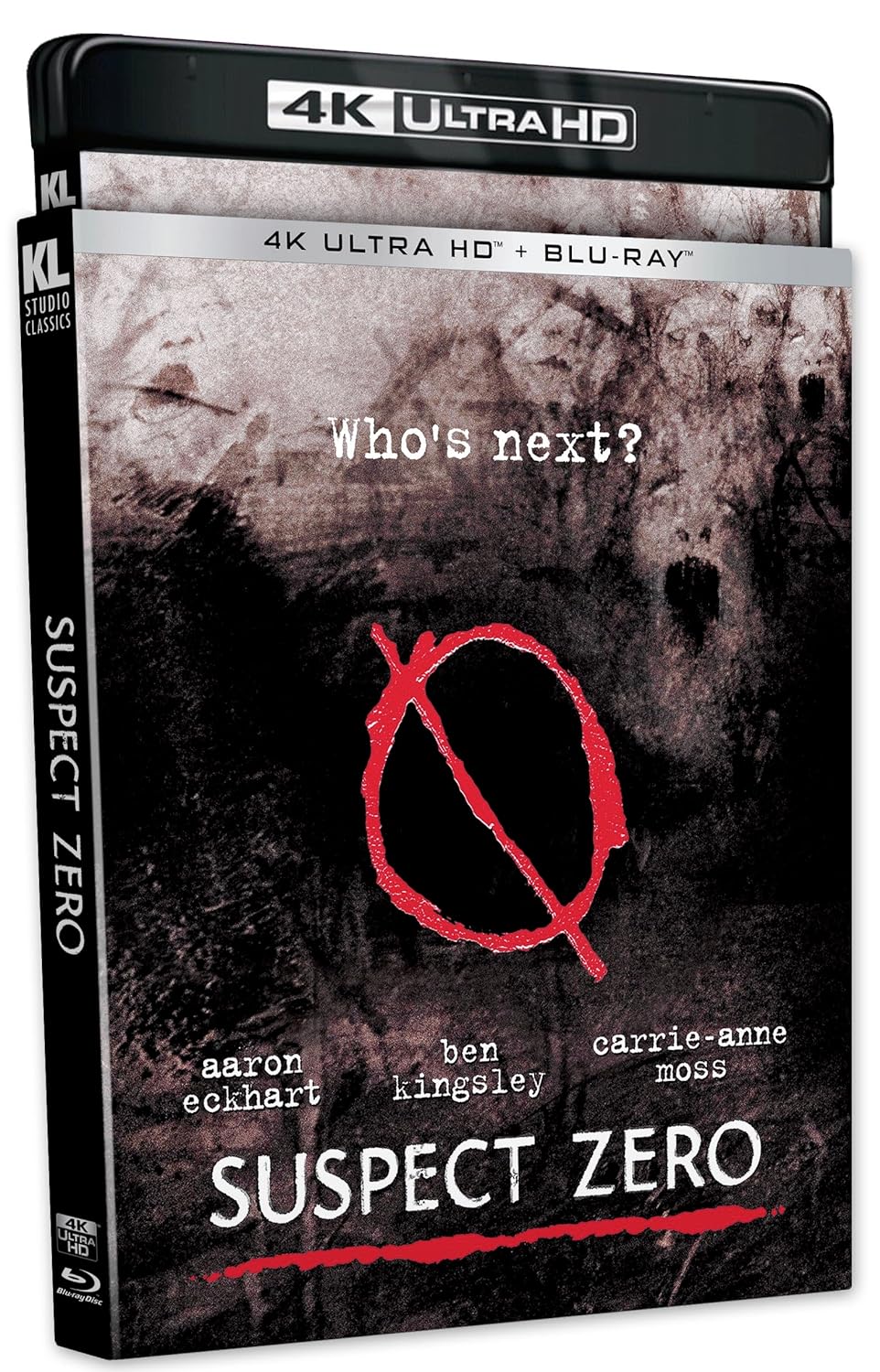
Suspect Zero follows the contradictory teacher/student relationship between serial killer Benjamin O’Ryan (Ben Kingsley)

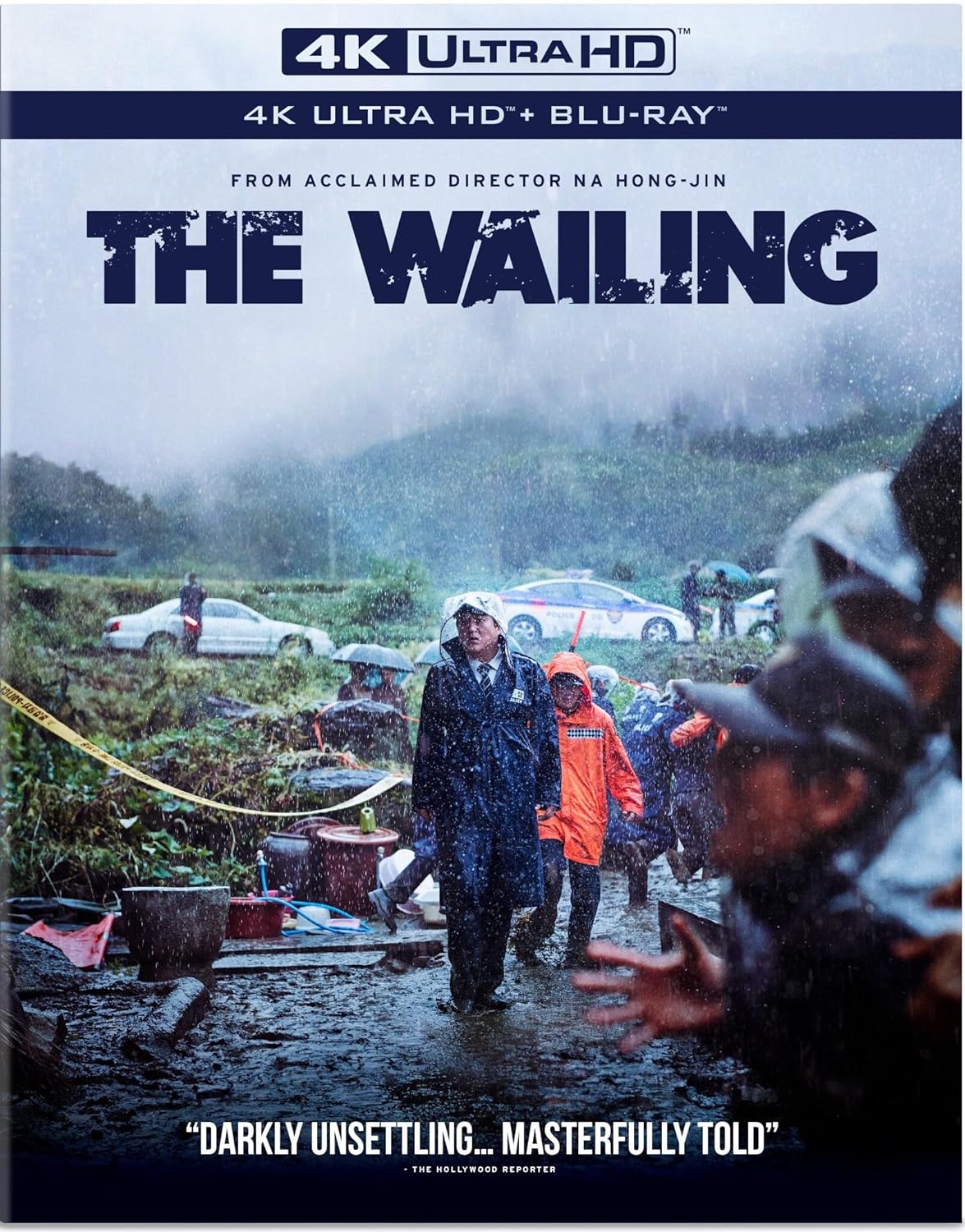
As I have mentioned numerous times, I am not a fan of horror movies.  In particular, my number one pet peeve is jump scares.  Now, for certain scary movies, I'll allow one good jump scare; it almost goes with the territory.  But if the director has to use one every fifteen minutes, my heart does not need that much of a workout, and I am going to avoid it very quickly.  This is mostly reserved for American movies, quite often on their fifth sequel.  However, Korean horror flicks know how not to use the jump scare and instead focus on making things as gruesome and disturbing as humanly possible.  Or inhumanly, perhaps.  Today, we take on a modern horror classic in the 2016 film, The Wailing as it makes its way on 4K UHD disc.  Let's take a look and see if the ol' ticker can handle this one.