Sony Pictures

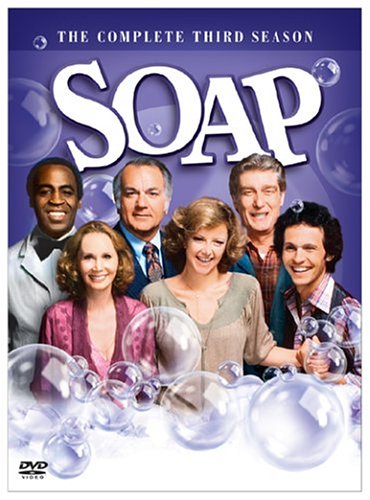
Soap is a curious soap opera parody from the late 1970?s. It has a quality ensemble cast, Richard Mulligan, Robert Guilliaume, Katherine Helmond, and much younger Billy Crystal (to name a few). Soap was a bit groundbreaking for its time, as it tackled some hot button issues (homosexuality being one). But the show is committed to its ridiculousness; alien abductions, demon possession, and prison breaks confirm Soap?s bizarre and wacky charm.

Audio

I started watching this movie expecting something akin to a National Lampoon episode – a goofy motorcycle road trip populated by harmless and amusing stoners. Those of you who are Easy Rider fans, or who have seen and appreciated the film should be chuckling now at my ignorance. This film, as well as Rambo: First Blood and Vanishing Point have now made it adequately clear to me that I’ve completely missed an entire genre of filmmaking. For those who share my ignorance, what I’m referring to is th... bleak and depressing post-1969 disillusionment film (this movie was actually filmed during ’69): love, merriment, and hope have been replaced with unmitigated bleakness and futility. The freedom and exuberance of the sixties has been replaced with imagery that exposes it for what it was – a brief flare in a perpetual night otherwise characterized by self-serving manipulations, hollow appearances, unrealized and forgotten dreams, violence, and willful ignorance.

Yes – the world after the summer of love is a pretty depressing place. Easy Rider makes this adequately clear in the opening minutes of the film as our two hero’s (Dennis Hopper and Peter Fonda) complete a drug deal close to the Los Angeles airport. By starting the movie in this way, even the liberal, free spirited protagonists of the film are deprived of any moral base – their innocent, archetypal sixties dream of traveling by motorcycle across the US and having fun along the way is revealed as the end product of a career of crime and drugs, and the protagonists are presented as amoral and self-serving at best. The idealism of the sixties is flayed and exposed as the hollow moral posturing that – by and large – it was. Interesting side note here: the person that the drugs are sold too is in fact the Phil Spector, who’s monumental music production career has since been eclipsed by his Hughes-esque eccentricities, and allegations of murder. Check out the Making-Of documentary for more on Spector’s weirdness while filming.

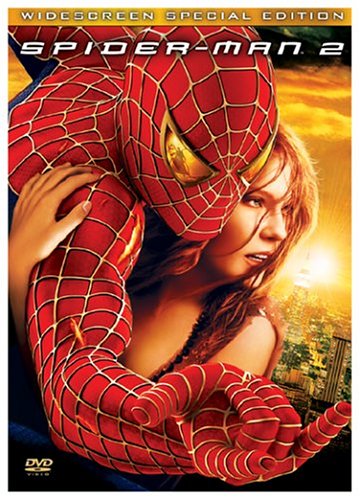
Spider-Man 2 is a superior film to the first. While it is rare for sequels to live up to expectations, there are rare moments in film history when the sequel may even surpass the first film’s quality. The Godfather Part II and Bride of Frankenstein are two well known examples. But for Every T2 there are usually 20 Jaws 3-D’s. Doc Ock was the perfect choice as the story’s villain; Alfred Molina was a wonderful selection to bring this fan favorite to life on the big screen. Peter Parker’s life is more multi-dimensional...here. It’s about time a superhero film showed us this kind of impact a hero’s choices make on his life. The f/x are nothing short of a miracle. I was a bit skeptical going into the theatre originally. It would have been too easy for Doc Ock to descend into camp or outright silliness. Of course, there are moments where the glimmer of camp shows its ugly head. I’m not sure what the bank was doing with all of those gold doubloons.

It was good to find Tobey Maguire back in action as Spidey. A fall during the filming of Seabiscuit caused severe enough back trauma that the film’s production was stalled as long as possible. It was so close that Kirsten Dunst’s real-life boyfriend Jake Gyllenhaal was cast as an emergency replacement. Dunst is still the weak link in the cast. J.D. Simmons continues to nail J. Jonah Jameson perfectly. Sam Raimi manages to work in cameos from the deceased members of the first film, and let’s not forget another cameo by Raimi’s Evil Dead partner, Bruce Cambell. If you blink you’ll miss the traditional cameo by Spider-Man creator Stan Lee.