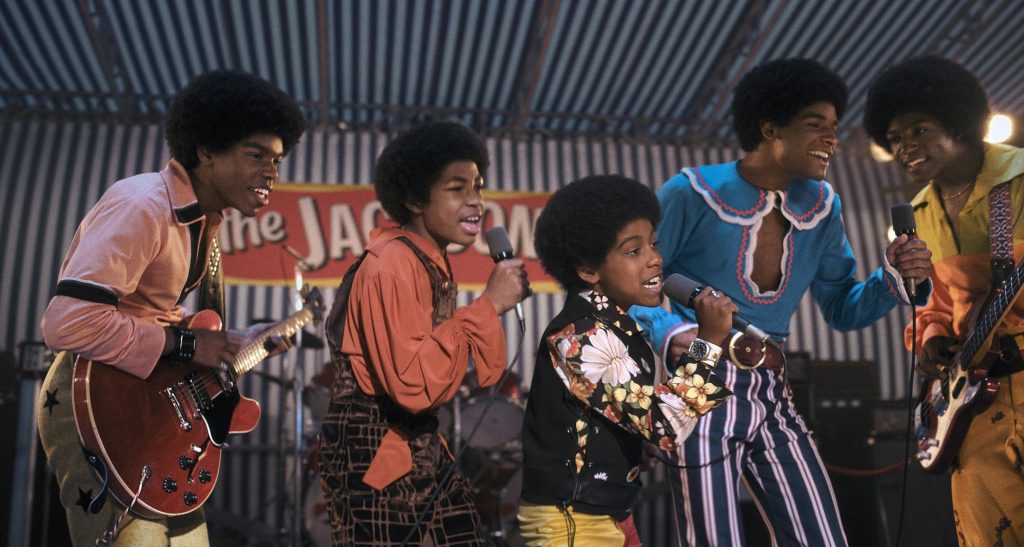
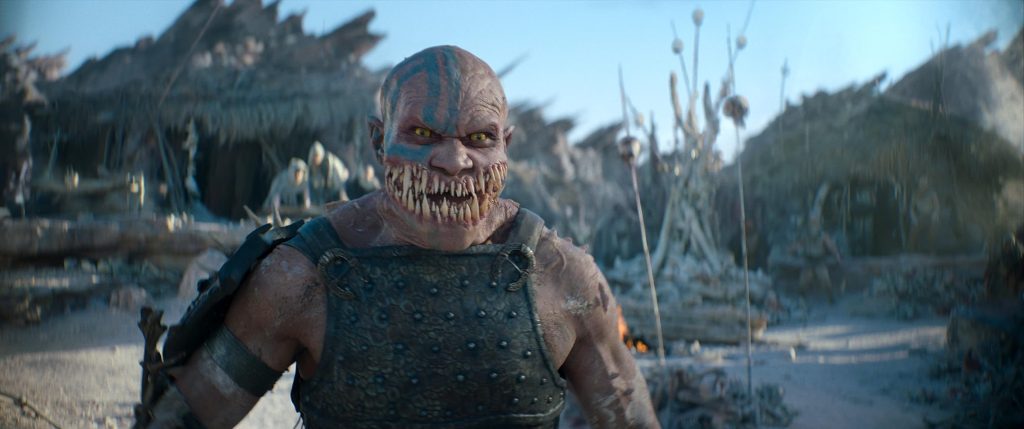
One of the things that stands out to me the most about Voodoo Macbeth has very little to do with the true story about how Orson Welles, who at the time he was only 20 was hired by the Negro Theater Unit to direct  a stage production of William Shakespeare’s Macbeth with an all black cast in Harlem. What’s more intriguing to me is that the film was actually the first feature film to come out of USC and gain theatrical distribution, but the film is listed with having 10 directors and eight screenwriters. With hat much ego and creative talent, it is impressive that they managed to squeeze out a cohesive story, and one that looks pretty good, though it does have some issues.  I applaud the ambition to tackle a period piece and also a story that is a bit of both film and theater history, considering this was one of the first and most wildly successful stage productions with a black cast, but is also the production Orson Welles  helmed before stepping behind the camera to direct his first film, a little thing called Citizen Kane.

"There is an old saying that blood is thicker than water."

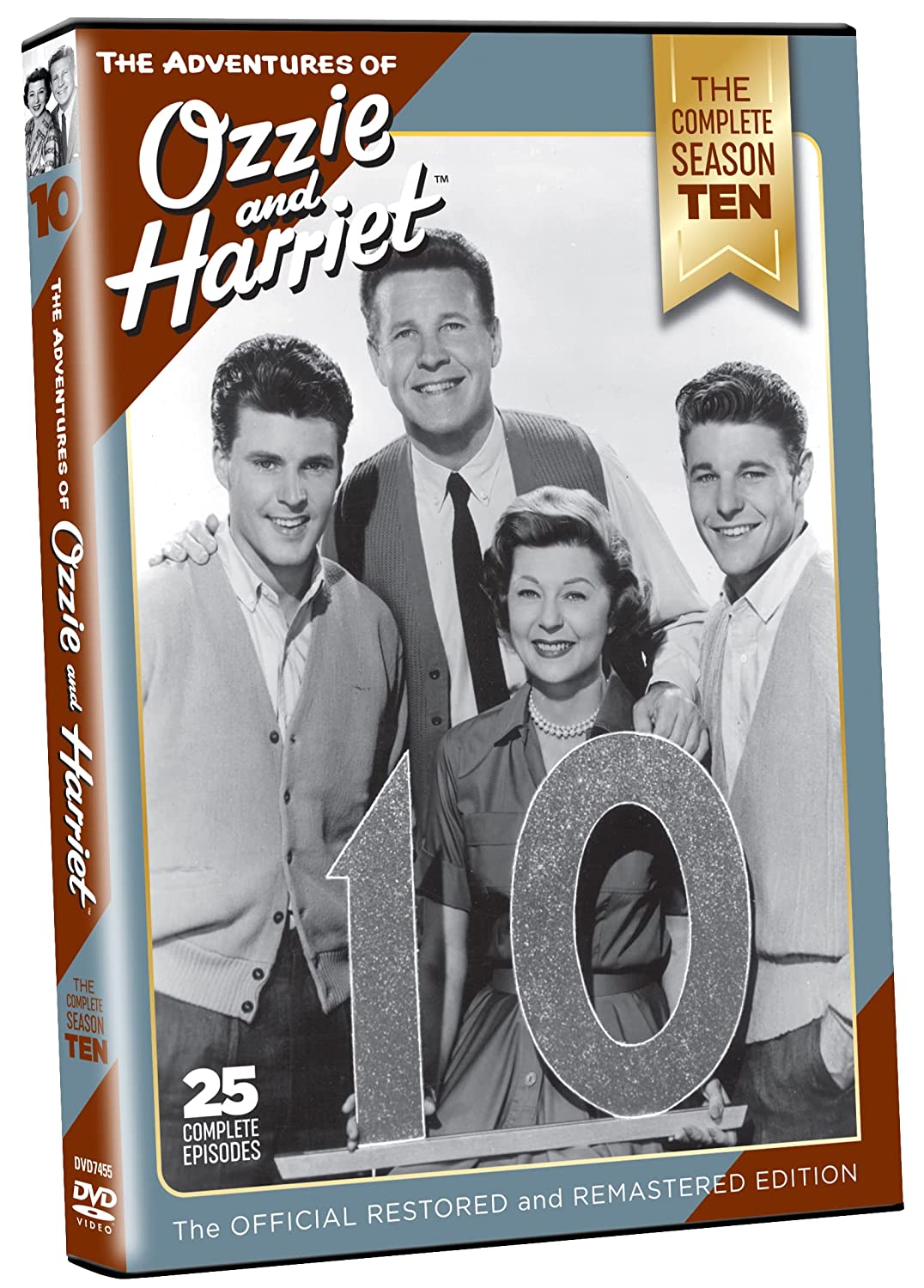
We've had Keeping Up With The Kardashians, Gene Simmons with his Family Jewels, and even Snoop Dog's Father Hood. It's become a bit of a trend to follow these celebrity families around and watch the drama of their privileged lives unfold on our television screens. You might think it's a relatively recent phenomenon, but would you believe they were doing it back in the infant days of television when we followed around a musician named Ozzie and his wife way back in 1952? No, we're not talking about Ozzie Osbourne and his family. I'm talking about Ozzie and Harriet Nelson. They were television's darling family before we ever heard about Lucy and Desi. The show actually started on radio like many of the fledgling industry’s early hits including the likes of Gunsmoke. Four years after the radio brought us The Adventures Of Ozzie And Harriet, they moved to television.

I would be remiss in my duties if I didn’t address the elephant in the room first. For the first time in the nearly 50-year history of this franchise, Sylvester Stallone was not featured in the film as Rocky Balboa. We could delve into the reasons behind why he elected not to take part in this installment, but that would be a review in itself and take away from this film. I mention it off the bat, so we can all process it and view the film with clarity. Long story short, I will say that his absence was noticed, and he was missed. I think his absence is notable due to the lack of an explanation as to his absence. I suppose the film being set in Los Angeles instead of Rocky’s native Philadelphia is meant to serve as a workaround, but still, I’d hope for some kind of explanation or at least a casual mentioning of the character. The lack thereof is what really drew attention to it. To be fair, the case can be made that that the previous film provided a pretty good conclusion for the Rocky chapters of the franchise.

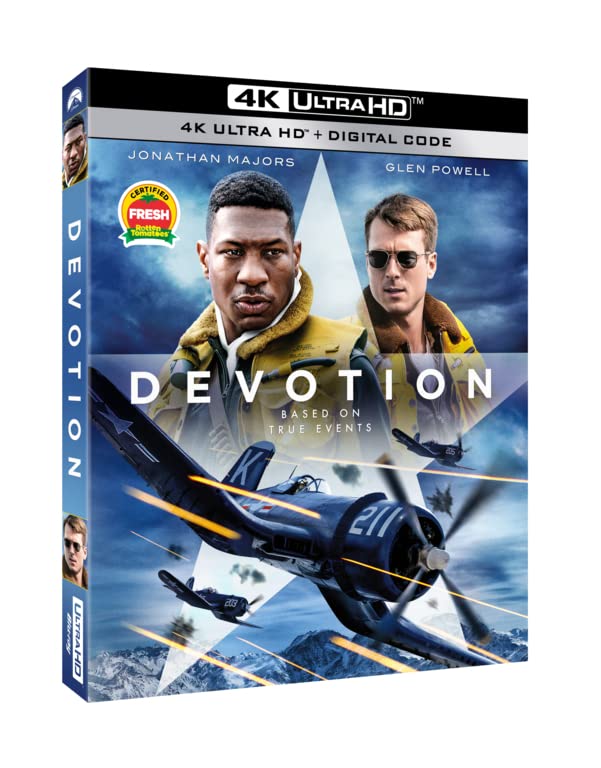
"Inspired by the global threats of the Second World War, the U.S. Navy welcomes a surge of aspiring aviators ready to fight in what they called The Big Show. But now it's 1950, and after five years of peace, a true conflict is growing at the North and South Korean border. This is a story from America's forgotten war."

One of the best things about this job is that we get to see some of the up-and-coming talents as they evolve into superstars. I was lucky enough this week to get a double dose of one of the most dynamic young stars out there. Of course I'm talking about Jonathan Majors, who plays US Navy aviator and hero Jesse Brown.

"King Kong ain't got nothing on me."

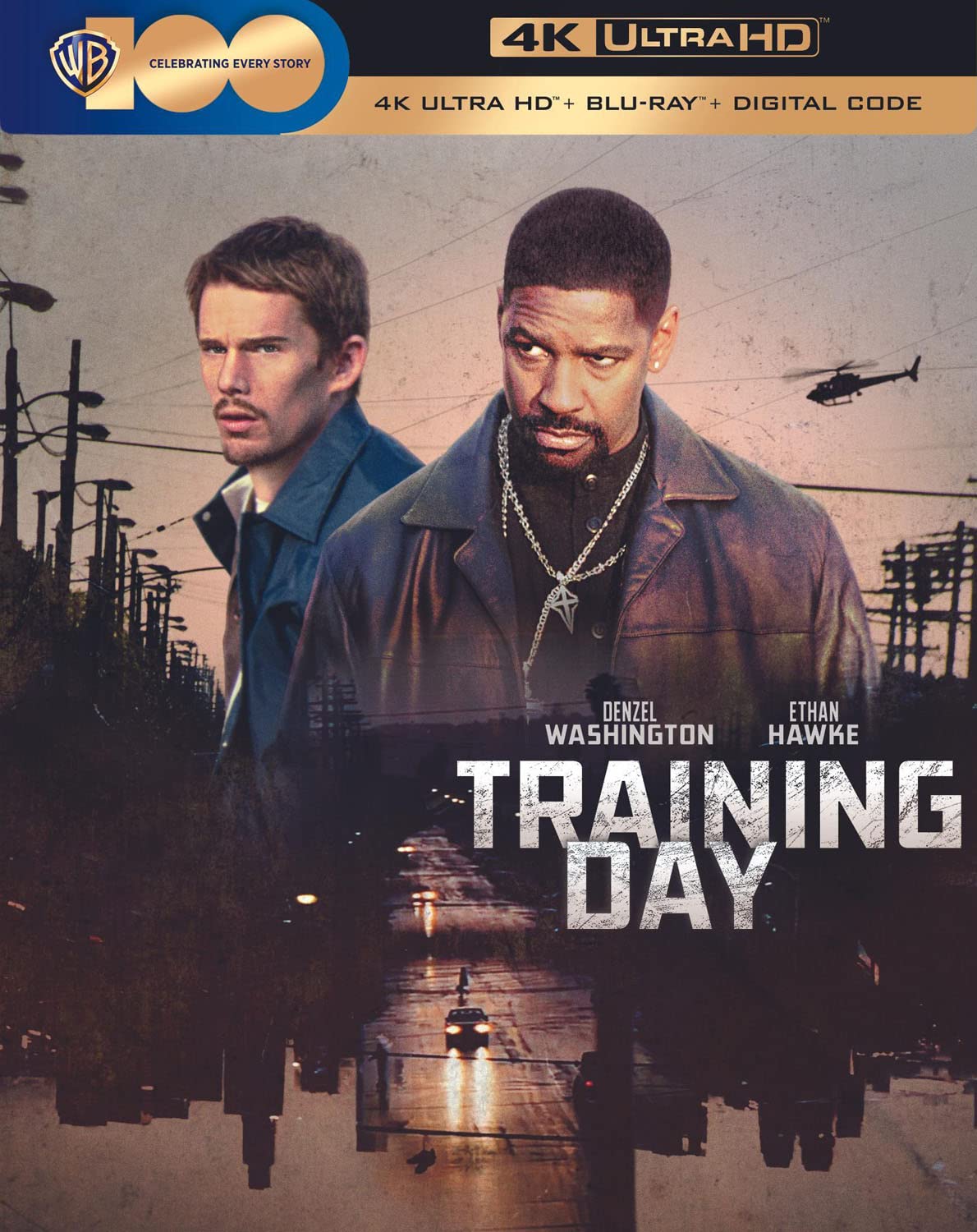
Training Day stars Academy Award-winning actor Denzel Washington in the role of Alonzo Harris. Harris, who is one of the meanest, baddest cops in the city of LA, is a person who cruises the streets in his customized Caddy. Harris, in one of the film’s opening scenes, meets Jake Hoyt (Ethan Hawke), a young cop whose dream is to be promoted to the elite narc squad. Naturally, this is Jake’s first day of training, and he is thrown into the arms of Harris. Alonzo tries to show him the streets so he can understand everything. He has Jake smoke pot just because he can. In one interesting scene, possibly Alonzo being a tough-ass to Jake, he doesn’t arrest two rapists like Jake wants to, but instead, proceeds to beat the living crap out of them.

Not since Snakes on a Plane has a title for a movie  been so absurd that I just had to see the movie. While Snakes on a Plane delivered on its B-movie camp, it was still kind of a bad movie no matter how hard Samuel L Jackson seemed to try to carry that film.  Cocaine Bear embraces its absurd title, and it goes over the top and beyond with a black ear ingesting more cocaine than Tony Montana would ever dare to snort. The film is loosely based on true events, the truth being that a drug runner did die while tossing numerous bags of cocaine out of a plane in 1985 and that a bear was found dead after ingesting a large quantity of cocaine. This film attempts to rewrite history by posing the “what if?” that the bear encounters many unfortunate humans while on its cocaine binge.  For me the moment I heard they were making this a movie,  it was on my radar.

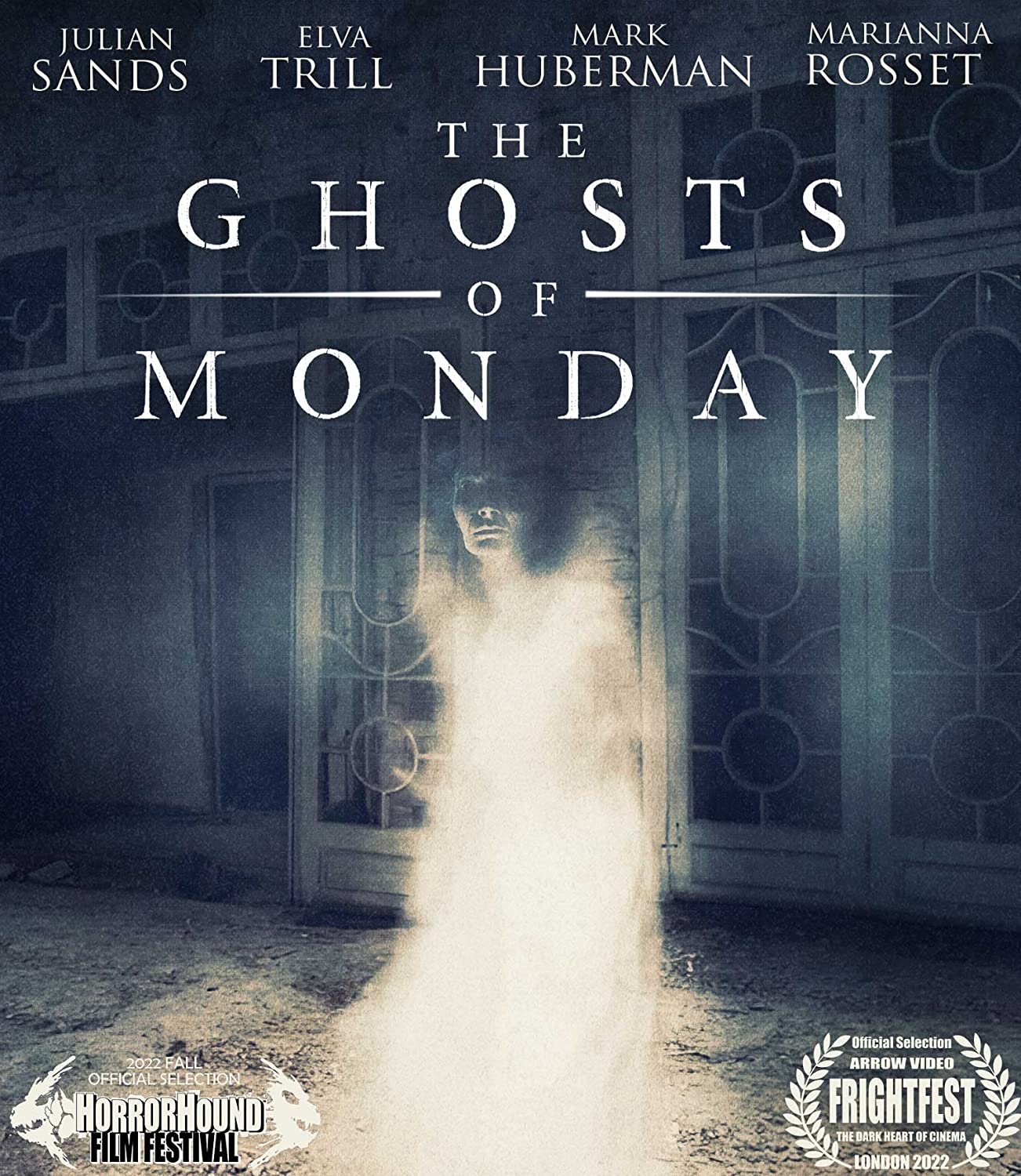
Yeah, this film didn’t really do it for me. Of late I’ve been on the prowl for a quality horror or suspense movie. Something with a compelling story, and while I didn’t initially believe that Ghost of Monday would live up to that desire, I left the door open to be surprised. As it turns out, I could have left that door closed with the lock latched. The Ghost of Monday is a slow-burning tale that I never really connected with. For one, the premise is a bit anti-climatic and has been addressed with box office films such as The Invitation and Ready Or Not, which I found to be the best. In this instance, a television director (Mark Huberman, Vikings Vahalla) travels to a supposed haunted hotel for the purpose of making a television pilot. Eventually, he and his crew find themselves wrapped up in a supernatural conspiracy that could have life or death consequences for them. Did you catch my use of the word “eventually”? Stay tuned, I’ll explain that in a bit. The biggest intended draw for the film was probably the inclusion of Julian Sands of Warlock fame, but his role is secondary in relation to the overall film. All in all, I’m still on the lookout for a quality horror or suspense film.

“We deal in lead, friend.” 

In the fall of 1956, Anthony Quinn watched a special screening of Akira Kurosawa’s The Seven Samurai and had an epiphany: this Japanese masterpiece, inspired by the great American westerns of John Ford, would, itself, make a great American western. Quinn acquired the rights and contacted his then close friend Yul Brynner and pitched the idea of him playing the bad guy and Brynner the good guy. Brynner screened Kurosawa’s film and called in producer Walter Mirisch, who in turn contacted director John Sturges (Bad Day at Black Rock, Gunfight at the OK Corral, The Great Escape). Sturges loved the concept and immediately set about acquiring the rights, ultimately forcing Quinn out of the picture. Quinn sued, but lost.

"Life is not like the movies."

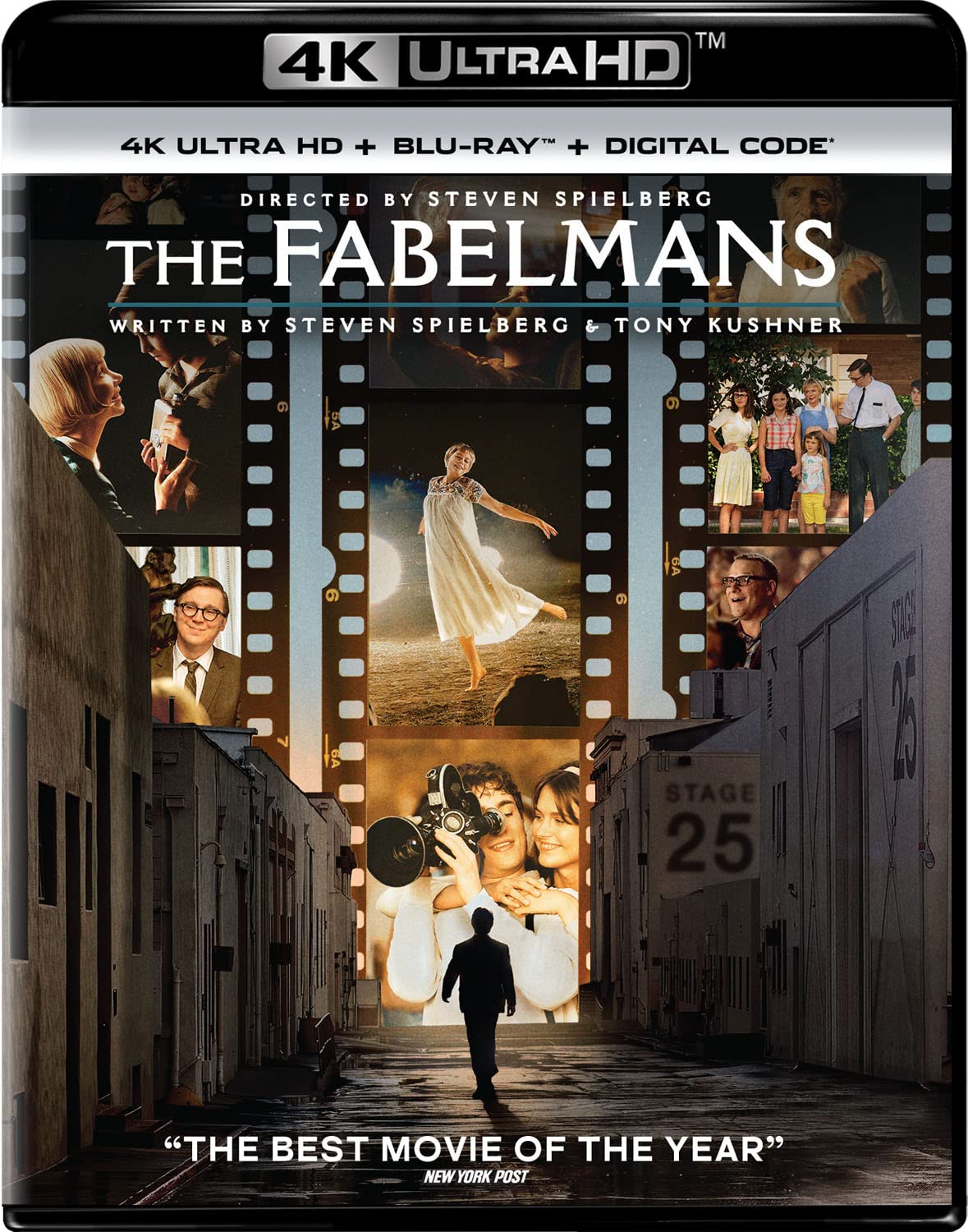
Maybe sometimes life is exactly like the movies. You know the old phrase of art imitating life and that kind of thing. That's exactly the territory that's covered in Steven Spielberg's latest film The Fabelmans. It's an autobiographical film where the names are changed to protect both the guilty and the innocent. It's also the first time that Spielberg has directed his own writing in over 20 years. In those 20 years Spielberg has become something of a moviemaking machine, and I think he felt it was time that the machine walked away from the spotlight for a minute and allowed the man behind the machine to show his face again. It used to be about heart; lately it's been about box office, and more recently it's been about surviving after the hit the industry took with COVID. I think Spielberg had a lot of things to get off his chest, and it looks like he might have found the time and place to do just that.

I think it’s best that Ant-Man and the Wasp: Quantumania is the last in the series. That is not meant as a condemnation of the film; in my opinion after this outing, it is hard to see how the series fits into Marvel’s overall plans. I’m sure Ant-Man and the Wasp will be featured in the future Avengers movies, and that is fine, but as a solo vehicle, this film kind of showed that the prestige for this franchise has faded. When the first film was released, I was skeptical of what value it could bring to the franchise, and I was pleasantly surprised and enjoyed it far more than I expected to. The sequel was decent enough, while in some cases lacking some of the comedic elements of the first one. This time, the film seems to have lost all the lighthearted humor and felt forced. Rudd does his best to endear the character to the audience, but in this incarnation, he feels more like a secondary character in a film where he plays the titular character. Then there is the other titular character, the Wasp, a.k.a. Evangeline Lilly’s Hope Van Dyne. Her role, too, feels reduced. When the two main characters become the least significant characters in their own franchise, I believe that signifies that the writing is on the wall. It’s time to hang it up.