Posts by Gino Sassani

A short time ago I had the unexpected pleasure of watching and then reviewing Tyler Perry's I Can Do Bad All By Myself. I say unexpected, because I was looking for the typical Madea antics and ended up drawn into a compelling gospel musical that was inspirational and entertaining without ever feeling like I was sitting in mass listening to a long homily. Now I've just had the opportunity to see Stan Foster's The Preacher's Kid. There's no doubt that Foster has been inspired by the Black Theater productions of guys like Perry.

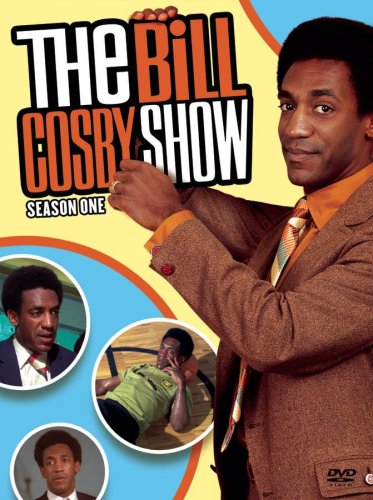
I grew up on Bill Cosby. He was everywhere when I was a kid. Fat Albert And The Cosby Kids were on my television every Saturday morning. My parents had all of his records, and I can remember borrowing them when I finally got a player of my own. I played Chicken Heart so often I think I wore away the grooves on the track. Of course, you youngsters out there have no idea what I'm talking about when I mention grooves and wearing them out. That also means that you remember a very different Bill Cosby show.

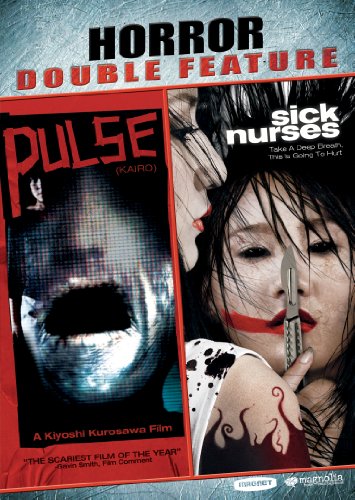
Pulse:

Plenty of Japanese horror films have storylines that vary from the oblique to the opaque. Pulse is no exception, so forgive me if this synopsis is a bit confusing (or confused). An internet website offers visitors the chance to see actual ghosts. Viewing the footage seems to make one vulnerable to an actual visitation, and when someone encounters a ghost, that person withdraws from others, shunning all society, and becomes consumed by loneliness to the point of suicide or something even more bizarre.

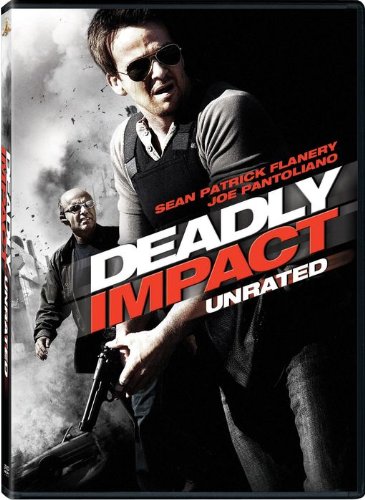
Robert Kurtzman is known mostly for his exceptional makeup and other special f/x. He's worked with both Freddy and Jason, and he helped to form one of the best f/x houses in the industry. He found considerable cult success with the quirky but exceptional The Rage. Again it is those technical abilities that stand out. So I was a little bit more than curious when I was discovered that his recent film, Deadly Impact, was something quite different from anything I had associated with the name in the past. I was even more drawn to the project when I was told I had an opportunity to interview the man about the movie.

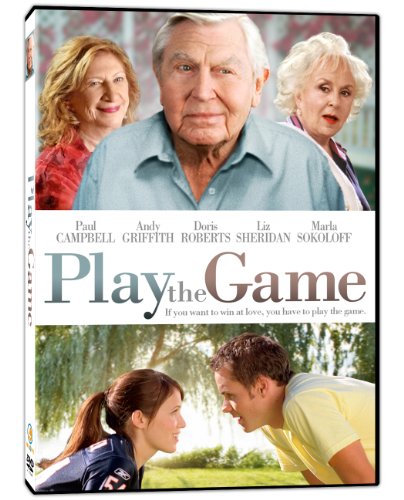
Most people don't know or remember that Andy Griffith had a career before his television classic reached the airwaves. He had a pretty distinctive stand-up routine going for many years that included recordings like most stand-ups of the day. He had quite a famous bit about a country farm boy seeing his very first football game. It was called “I Think They Call It Football”, and it's a priceless classic. Andy also found his way into a couple of movies in the days before he became Sheriff Andy Taylor. One of those movies was No Time For Sergeants. It wasn't a stretch for this country boy

"Most of the world's population has been wiped out by a virus. Civilization, as we know it, has come to an end. For the few survivors, every day is a fight for life. But sinister forces threaten their future."

Right from the opening credits, you can see that a lot has changed since 1975 and the original series. I'm guessing that my watching them back to back allows for even more dramatic notice of the changes. Everything is cleaner here. The production values are light-years away from what they were. Even the disc menus reflect the higher-tech edge of the 21st century production values.

Hey Gang,

We've hit Twitter, now it's Facebook.

We have a copy of Amelia on Blu-ray to give away. The last winner failed to claim the prize.
You might have entered when we had this one up earlier this year. Here's your second chance to walk away with this unclaimed prize.

We're going to try something different this time. To enter to win you must become a follower on Twitter for us at Upcomingdiscs. Anyone who becomes a follower and is still a follower on June 1st is eligible to win. On June 1st we will randomly pick a winner from our Twitter followers. In the future we'll be giving away prizes for the folks that have followed us the longest.

"You know, I never thought what happens to a city ... well ... if it breaks down, all at the same time. There's no power. There's no lighting, or cooking. And food, even if you can get it into the city, you can't distribute it. Then there's water and sewage, things like that. You know, it just never occurred to me when I lived in London. The city's like a great big pampered baby, with thousands of people feeding it and cleaning it, making sure it's all right."

It was 1975. These were the glory days of science fiction on the BBC.

In many ways the epic story and film Doctor Zhivago echoes the real-life story of Boris Pasternak, who penned the original novel. Pasternak was a firsthand witness to the events that led to and became the Russian Revolution. He collected 50 years of memories that began with the early days before the revolution and ended with his own confrontations with the USSR government. Like Zhivago in the story, Pasternak's work was banned in his own country. The manuscript had to be smuggled out of Russia and found its way first to Italy, where it was finally published for the first time. But it didn't stop there.