Posted in: Disc Reviews by David Annandale on July 30th, 2003
Synopsis
Posted in: Disc Reviews by Archive Authors on July 23rd, 2003
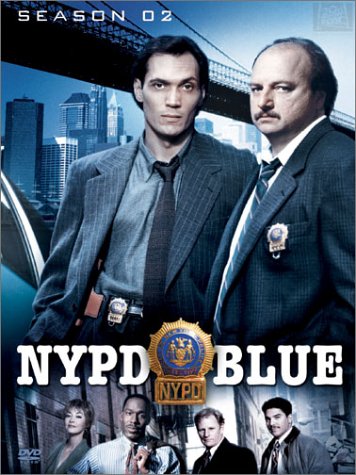
The second season of the gritty cop show turned out to be an important test: could the seriessurvive the departure of important cast members? In particular, could it survive the departureof David Caruso? As it turned out, it survived without him much better than he without it. This season includes such turning points as the trial of Amy Brennerman and attendant consequences(i.e. bye-bye Caruso), the wedding of Dennis Franz, and the arrival (and his gradual acceptance of) his new partner (hello Jimmy Smits).
Audio
Posted in: Disc Reviews by David Annandale on July 12th, 2003
Synopsis
Posted in: Disc Reviews by Archive Authors on July 9th, 2003
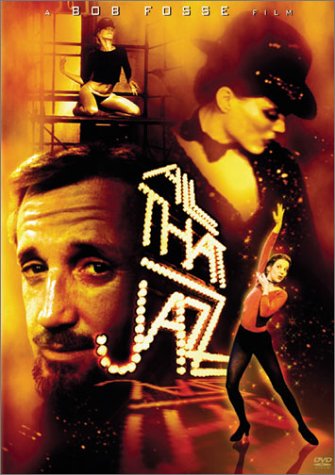
It’s showtime!
Dead for nearly two decades now, choreographer/director Bob Fosse (Cabaret, Lenny, All That Jazz) created this sardonic semi-autobiographical tale that takes a long, hard look at his compulsive and neurotic life that was rife with women, sex and smokes, as well as some rather serious alcohol and drug abuse.
Posted in: Disc Reviews by Archive Authors on July 2nd, 2003
Film
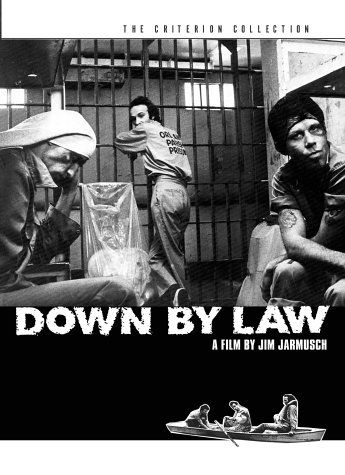
Jack, a pimp, ends up in prison when a competing pimp frames him for child prostitution. Zack, a down-on-his luck deejay, is there because an associate paid him a thousand dollars to drive a car across town, unaware of the contents of the trunk. In the same cell, they bemoan their situation: each man innocent of their crimes, but vaguely guilty of something, we’re never sure what. When a third man shows up, an Italian tourist named “Bob,” he seems to brighten the dour men as much as can ...e expected.. He’s also very up front with them: he isn’t innocent. He’s there because in a barroom fight, he killed a man with a pool ball. He accepts responsibility for his crime, and seems determined not to live in total misery. Even though he’s the only one who is admittedly guilty, Bob seems the most ‘essentially’ innocent of the three.
Posted in: Disc Reviews by David Annandale on June 30th, 2003
After the death of his estranged wife, Cary Grant swoops back into his children’s lives,determined to be a proper father. He’s a bit rusty, and his kids aren’t exactly ecstatic about living with him. In over his head, he searches for a maid, and into their lives comes Sophia Loren, who is actually the daughter of a famous Italian conductor. They wind up living on a rickety houseboat, and romantic heat is gradually generated between Grant and Loren while Loren brings father and kids closer together. So basically, the plot is The Sound of Music with a sex bomb in the Julie Andrews role. The problem with this film, apart from its sluggish pace (we don’t reach the houseboat until 45 minutes in), is that it is missing the most vital ingredient for a successful romantic comedy: likable characters. This is a group of self-centred, selfish, oblivious whiners,and their company is well nigh insupportable. Grant does his best to make his inane dialogue sound urbane, but the script is beyond even his skills to salvage.
Audio
Posted in: Disc Reviews by Gino Sassani on June 26th, 2003
Synopsis
Posted in: Disc Reviews by David Annandale on June 3rd, 2003
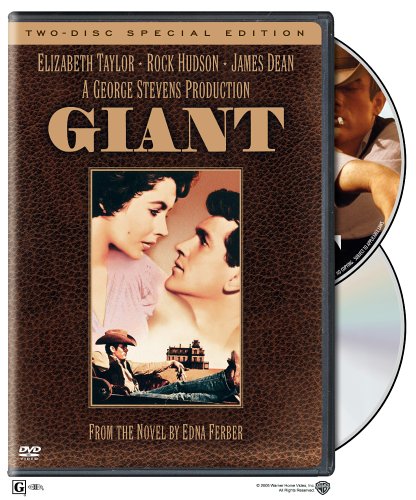
Spanning a good thirty years, Giant tells the tale of the Benedicts, a Texas family on an immense cattle range. The patriarch is Rock Hudson, whom we first meet as a young man visiting Maryland to buy a horse. There he meets Elizabeth Taylor and falls in love. His new bride initially finds Texas difficult to adjust to, and Texas has difficulty adjusting to her, as she does not hold with the local attitudes towards women and, most especially, Mexicans. The third major player is James Dean, a rather sullen ranch hand who winds up changing everybody’s lives when he strikes oil on his small parcel of land.
This is a big film, with big scope, big stars, big performances, big virtues, and big flaws. It is at its best as it works out the family dynamics, with Hudson and Taylor bouncing off each other.James Dean, though he has comparatively little screen time, turns in a remarkable performance,and as the characters move into middle-age, his is the most convincing transformation. The film is at its weakest in its ham-fisted handling of the racial issues. These scenes play out in deeply predictable fashion, and the symbolism of the final scene is so obvious, yet takes itself so seriously, that the film ends on a note of high camp. But even these problems make up part of the charm, and its 201 minutes go by surprisingly quickly. They don’t make ‘em like this anymore,and nor should they, but thank God they did in 1956.
Posted in: Disc Reviews by Gino Sassani on May 30th, 2003
Synopsis
Posted in: Disc Reviews by Gino Sassani on May 25th, 2003
Synopsis