Dolby Digital TrueHD 5.1 (Portuguese)

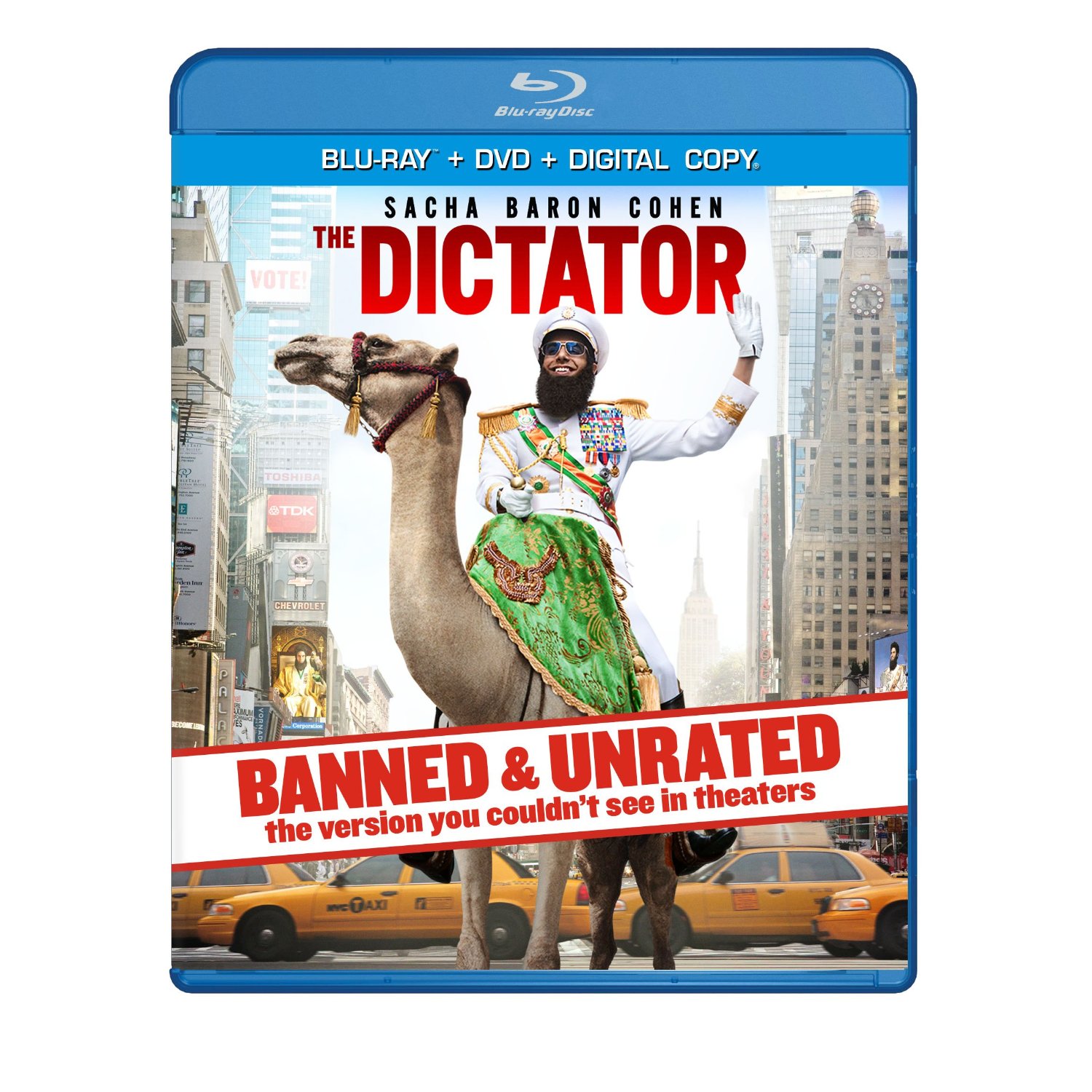
There’s obviously nothing funny about the atrocities committed by some of history’s most notorious tyrants. So why have these men proven to be such a surprisingly fertile source of comedy? Whether it’s (Puppet) Kim Jong-il crooning forlornly about being lonely (actually “ronery”) in Team America: World Police or Adolf Hitler being saluted by a chorus line of high-stepping stormtroopers in The Producers, there’s certainly a precedent for mocking these reviled figures. With The Dictator, Sacha Baron Cohen appears to be taking his patented inappropriateness to a new level.

Cohen — the English actor, comedian and professional provocateur — stars as Admiral General Haffaz Aladeen, ruler of the oil-rich and fictitious Republic of Wadiya. (Muammar Gaddafi and Saddam Hussein are clearly major influences.) The trick to making this sort of (potentially-abhorrent) comedy seems to be focusing on the outrageous personalities of these tyrants, rather than all the horrible things they’ve done. As a result, Aladeen is racist, sexist and too many other negative “-ists” to list, but the movie portrays him as a bearded buffoon who isn’t even remotely dangerous. (Though try telling that to the dozens of people Aladeen orders to be executed over trivial offenses.) When he is summoned by the United Nations to address concerns about his country’s nuclear program, Aladeen travels to New York, where he embarks on a life-changing journey involving a boyish feminist (Anna Faris), a severed head and a few celebrity cameos.

In 1993, three of the most influential executives in the entertainment industry decided to pool their talent, resources, and connections into the power company called Dreamworks. It was Steven Spielberg, Jeffrey Katzenberg, and music mogul David Geffen who formed the studio, at first to contribute to other films in production by other studios. It's no surprise that the studio's first impact was in contributing special effects. In 1997, the studio decided to begin creating their own brand of films. The first of those efforts was the Nicole Kidman/George Clooney post-Cold-War thriller, The Peacemaker.


In many ways the film itself became a victim of the milestone that it represented. It wouldn't be long before Dreamworks would start to live up to those expectations and in a huge way. But in 1997, films like Shrek, Gladiator, and Saving Private Ryan were still a couple of years away. So all of the massive expectations that came with such a powerhouse venture fell on The Peacemaker. And those expectations fell hard. The movie cost over $50 million to make and pulled in only $41 million in its domestic box office run. A mere speed bump in the upwardly mobile future of Dreamworks; a disaster for a film that deserved more attention for its own merits.

Brian Clough (Michael Sheen) is the manager for the Leeds United soccer team, brought in to replace Don Revie (Colm Meaney), who is off to manage the England team. Clough is young, charismatic, brash, arrogant and opinionated, and has some pretty unflattering (and publicly aired) views about his predecessor and the thuggish style of play he fostered. So begin his 44 catastrophic days in 1974 as the unwelcome manager of United, and the film flashes back to the meteoric rise that brought him to this crucial pass.

This must surely be one of the best sports-related movies I have ever seen. Every conceivable sports movie cliché goes out the window. There are no extended sequences showing the games, just some quick, impressionistic shots that tell you all you need to know. This is not the inevitable story of the Underdog Making Good. It is the reverse: a rising star who takes over the most successful team in the country and becomes a legendary disaster. And yet the film is oddly triumphant. It is very much about Clough's relationships with two men: his obsessive rivalry with Revie, who isn't even aware of him, and his deep friendship with partner Peter Taylor (Timothy Spall), a friendship that might save him from himself, did he but realize it. The performances are superb, with Meaney looking uncannily like Revie (seen in footage at the end of the film), and Sheen astounding yet again, in the wake of his performances as Tony Blair and David Frost, cementing his position as one of the great actors of this generation.