Posted in: Disc Reviews by Gino Sassani on August 2nd, 2010
The rock gods must have been smiling when Keith Emerson, Greg Lake, and Carl Palmer journeyed from their perspective corners of the music world and combined to form the band Emerson, Lake & Palmer, or merely ELP to the fans. Keith Emerson had made quite a name for himself with his manic organ riffs in working in the band The Nice. Greg Lake was busy with the band King Crimson where he worked with long-time ELP collaborator Peter Sinfield. Carl Palmer was the youngest member of the group and had played for several bands before meeting up with his eventual ELP bandmates. Together they would help to define an entire genre of music. This new progressive rock era would be recognized not by hit singles and AM radio play; instead this music would be enjoyed for its virtuosity and complexity. In all of the years the band enjoyed success, they've released less than a handful of what the industry defines as a single. Yet, anyone who has ever seriously picked up an instrument in the last 40 years knows exactly who they are.

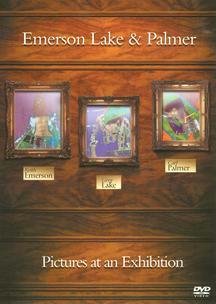
The band formed in 1970, and by the end of that year they were already doing some quite ambitious things. One of the most ambitious and most memorable was their modernization of Mussorky's wonderful Pictures At An Exhibition. The piece was actually originally written by the classical composer as just a piano piece. It was one of the first classical works I had ever fallen in love with. Unfortunately, that original arrangement is rare. I find that most people are unaware of the composer's original intent. It strikes me as odd that there are people who call themselves purists who have ranted about the reinvention of this music by ELP. It's a bit hypocritical when you consider that the version that they likely enjoy was also tampered with and not what the composer intended for the work. When Emerson Lake & Palmer took on the collection of works, they added a modern spin that included MOOG synthesizer solos and even lyrics written and performed by Greg Lake. The beauty is that these new elements were quite faithful to the subject and fit as if they had always belonged. It's no less sacrilegious than the orchestrated version you've likely heard, which is enjoyed by the elitists.