Animated

It sure seems like Pixar has a lock on the computer animated film industry these days. Their films appear to always hit just the right amount of adult and children content to win with both audiences. We may not all be laughing at the same jokes, but we do laugh. When we’re not laughing, we appear to be captivated by endearing characters that immediately feel like we’ve known them our whole lives. We are instantly concerned about the things that happen to them. All of this happens without a single live entertainer on the screen to guide us into these emotions. That’s because Pixar also happens to be the most state of the art studio out there churning out these kinds of films.

I’ve often spent a lot of time talking about how Pixar has dominated the computer animation, at least as far as full length features go. With few exceptions there isn’t anything out there that even comes close. Most films rely on toilet humor and crude innuendo to get a few laughs. A lot of the kids and adults might suck that stuff up, but they can’t hold a candle to Pixar. There are, as I’ve mentioned, some quite notable exceptions. The Fox Blue Sky Studios has had enormous success with their Ice Age films. And when you take a look at the third and latest entry in that franchise, you’ll understand why.

“A changing of the seasons brings wonder to the world. For ages has the magic of the fairies been unfurled. But nature’s greatest changes come beneath the Autumn sky and mysteries reveal themselves as harvest time draws nigh. This year a shimmering blue moon will rise before the frost. Perhaps its rays can light the way to find what has been lost.”

After giving us Tinker Bell’s origin story in the first film of this franchise, we get a chance to look even more deeply into this wonderland of fairies and magic. Ever wonder where that magical pixie dust comes from that allows fairies to fly?

Written by Adrienne Ambush

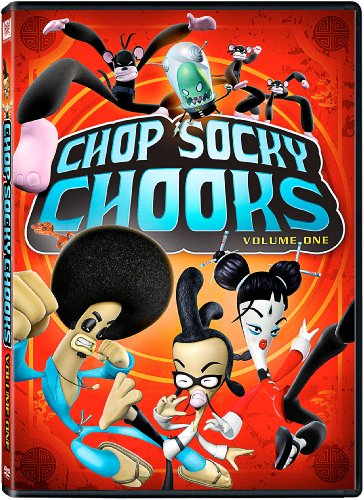
If you were to take the movie Kill Bill, mix it with the Karate Kid, and then put it into animation form, the end result would be Chop Socky Chooks.

Featuring 13 of the most wackiest adventures and martial arts mayhem that one has ever seen, volume one of Chop Socky Chooks shows three chickens Chick P, KO Joe and Chuckie Chan “battling virtual villains, karaoke crazies, rogue robots, prehistoric predators and even fast-food fiends” all in hopes to save Wasabi World from the powers that be.


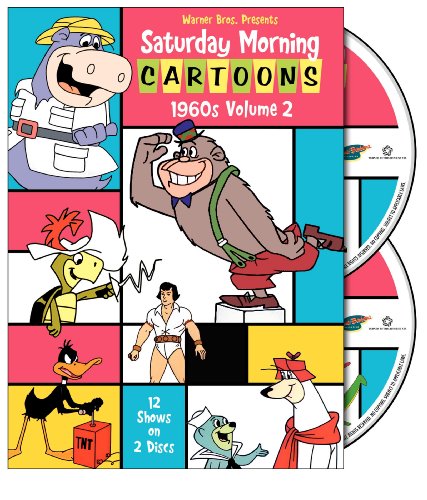
As a child growing up in the 1970’s I remember quite vividly the Saturday morning cartoon experience. It’s what we all lived for. We’d wake up early and pour out a bowl of sugar and milk, reaching for some cheap toy that was buried in the cereal box like Blackbeard’s own chest of gold. Then we would entertain ourselves with zany characters, superheroes, and action filled adventures until the noon news programs would begin and it was time to take our playtime outside.

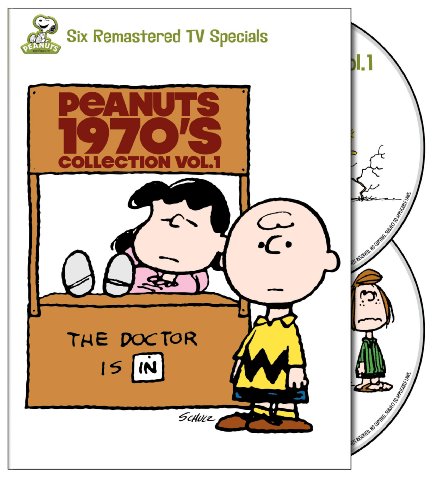
I grew up on the Peanuts creations of Charles M. Schulz. Most of us have, in some way or another. His newspaper comic strip is one of the longest running and most successful strips of all time. The work has been translated into every language currently spoken on the planet. The images of Charlie Brown, Snoopy, Linus, and the rest of the Peanuts gang have appeared on just about any kind of product imaginable. Our pop culture contains too many references to the strip to mention briefly. For me, it was the television specials starting in the mid 1960’s that brought the gang into my life.

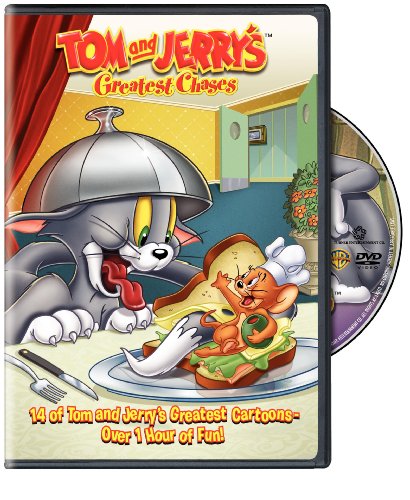
In the 1930’s and 40’s MGM was trying to get in on the lucrative animation game. The field was dominated at the time by Warner Brothers with their Loony Tunes shorts, and of course, the iconic cast of animated characters coming out of the Walt Disney Studio. For years they had failed to find the right property to take advantage of the market. It wasn’t until the team of William Hanna and Joseph Barbera approached the studio with their first project that the times did change, at least a little, for the fledgling animation department at MGM. The project was far from an original one even for the time.

Written by Ashley Orr

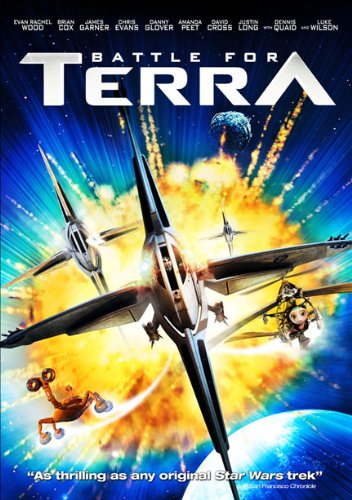
Despite its over-animated cover, Battle for Terra, directed by Aristomenis Tsirbas, was a surprisingly interesting flick. With an all-star cast playing the voices, this movie takes animated sci-fi and marries the ideas of philosophy and entertainment in an unusual way.

The movie takes place in an alternate universe some time in the future. Mala (played by Evan Rachel Woods), a smart and ambitious Terran, gets caught up in the mix of things after humans attack her planet and she decides to help one of them, Lt. Stanton (played by Luke Wilson), as he tries to return to his battalion.

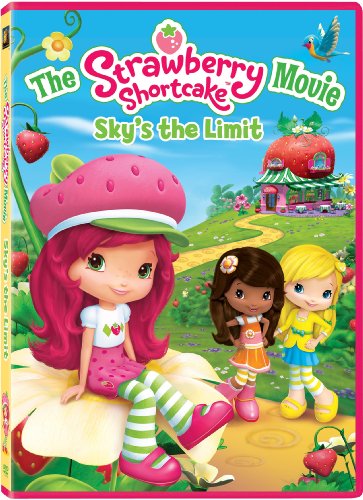
The Strawberry Shortcake Movie: Sky’s the Limit definitely surprised me. As I turned this 96-minute movie on I expected to be bombarded with female stereotypes: flowers, butterflies, and the color pink. Though Strawberry didn’t fail to deliver these dainty, feminine elements, it also offered six very strong and independent female characters.

“Magic Mirror on the wall, who is the fairest one of all?”

Years ago a news magazine, I don’t remember which, conducted a survey. They discovered that more adults knew the names of the 7 Dwarfs than could name 7 figures in the federal government, including President, Vice-President, Senate, House of Representatives, and The Supreme Court. They say our educations begin very young. Well, since 1937 our youths have been entertained