Genre

"If we're going to do this, there's a lot I'm going to have to explain to you."

Been waiting on this one for some time, ever since we were introduced to the character in the Justice League movie and it was announced that the film would cover the Flashpoint Paradox storyline, which is one of my favorite comic storylines. My enthusiasm was tempered a bit with the film being delayed and the actor’s subsequent troubles (for the purposes of staying on the topic at hand, that will be my only mention of that situation). However, it is finally here, and after viewing it I can say that it was well done and well received. It is also a bit bittersweet, as it signifies the conclusion of the DCEU as we know it.

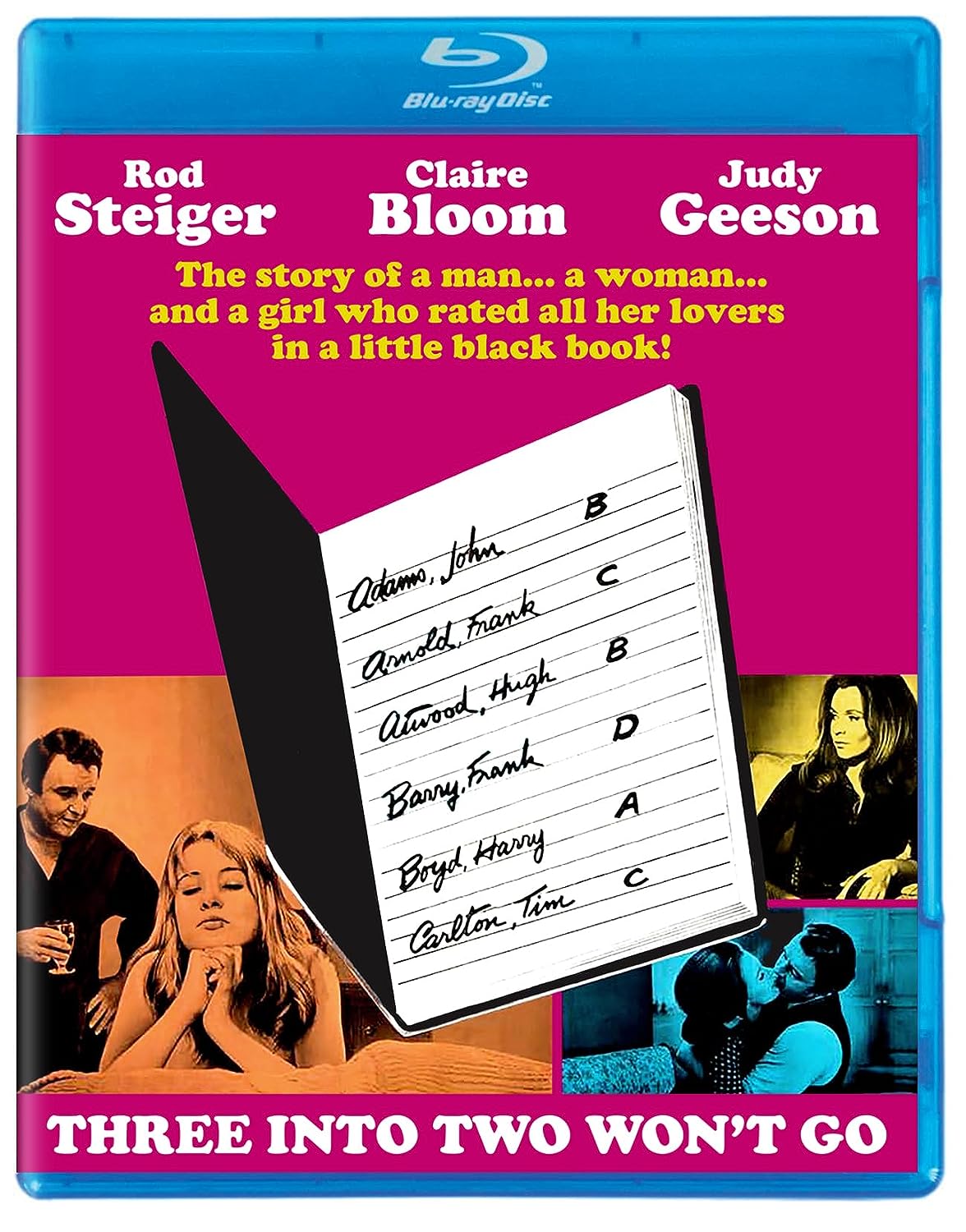
I probably could be called a lot of things, some kind and some not so kind.  But the one thing that probably most people would say about me is that I'm loyal.  Loyal to my job, loyal to my wife, loyal to my son.  However, in my life, I have certainly felt the pain of disloyalty, even to the point of infidelity.  Despite what people might say or think, you never quite expect it, and furthermore one can't predict how you might feel or act given the situation.  Today's movie Three into Two Won't Go explores the idea of what happens when a man cheats on his wife with another woman.  However, this woman stays around long after the fact and continues to press into his everyday life until it becomes unbearable.  Let's take a look.

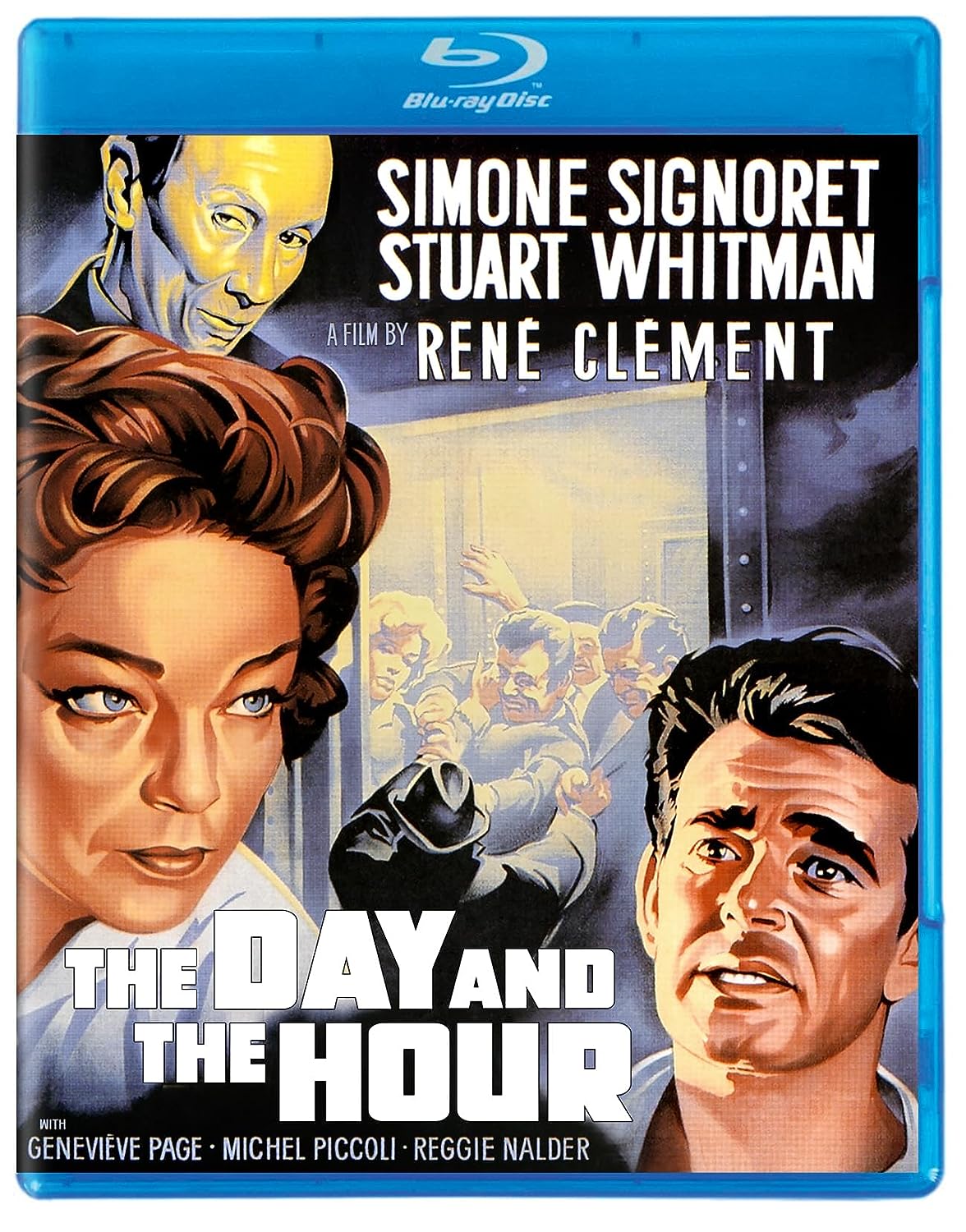
Typically, I avoid World War II period films like the plague.  I literally see the word Nazi or German occupation and usually find a reason not to see the movie.  I have nothing against the pictures; the problem is that so many of these films are surrounded in clichés that it feels like an old hat with nothing new to offer.  However, when I saw The Day and the Hour in my review pile, I was intrigued by the notion of it being in France with a female lead and something of a romance.  Far different from the usual pow pow, war is heck, or a film that's going to have buckets and buckets of tears and worrying about the human condition.  Though from the looks of things, this one might have some waterworks too.  Let's take a look.

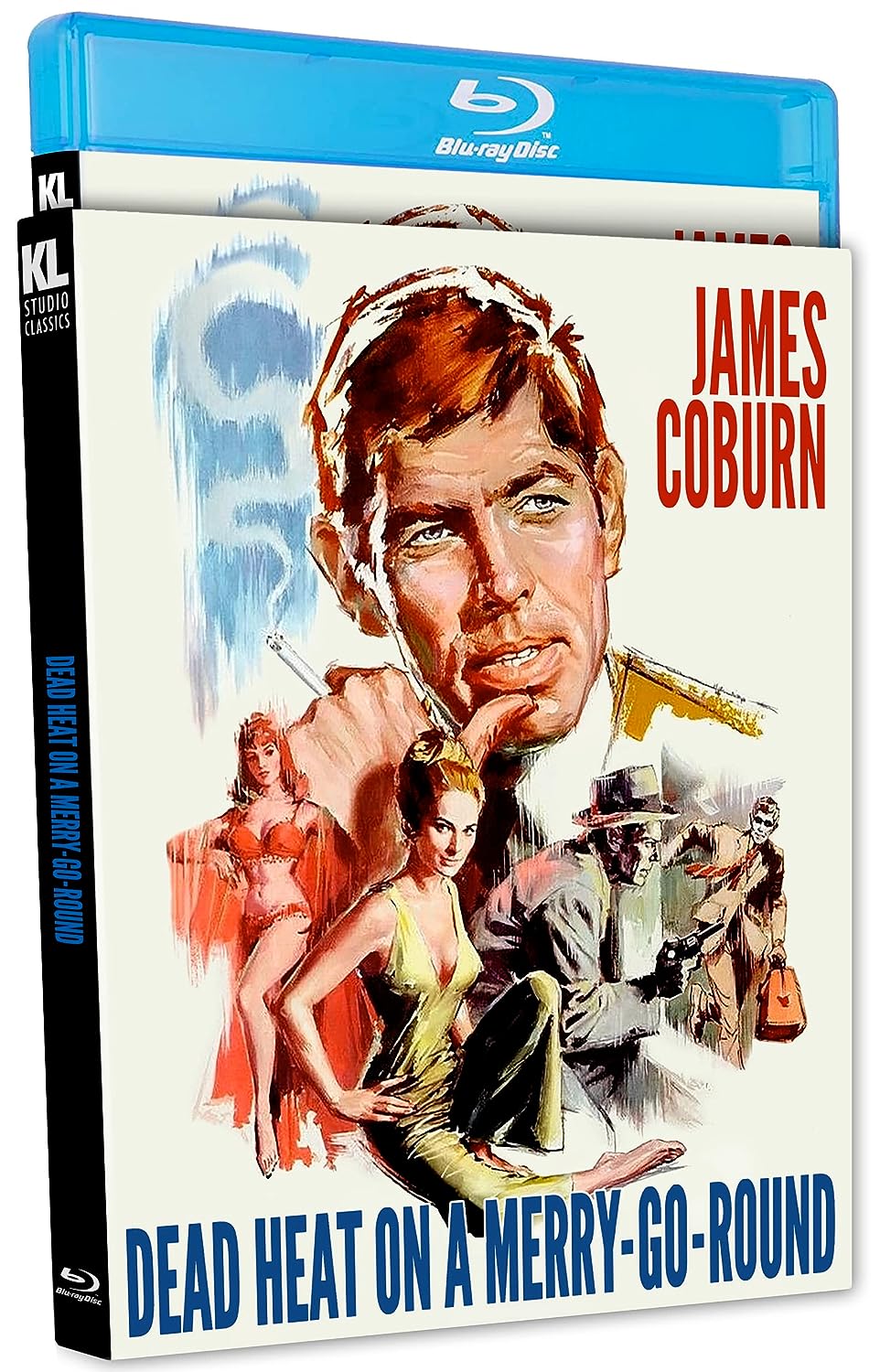
I'm a sucker for clever movie titles.  The best example I can think off the top of my head is I'm Gonna Git You Sucka.  Or perhaps you need something from yesteryear, like Bring Me the Head of Alfredo Garcia or They Shoot Horses, Don't They?  Along the lines of Sucka, we can't also forget about Don't Be A Menace to South Central While Drinking Your Juice in the Hood or The Assassination of Jesse James by the Coward Robert Ford.  So imagine my surprise when I saw the title of today's movie and jumped at the chance to provide a review.  Hopefully it is as good as the title suggests.

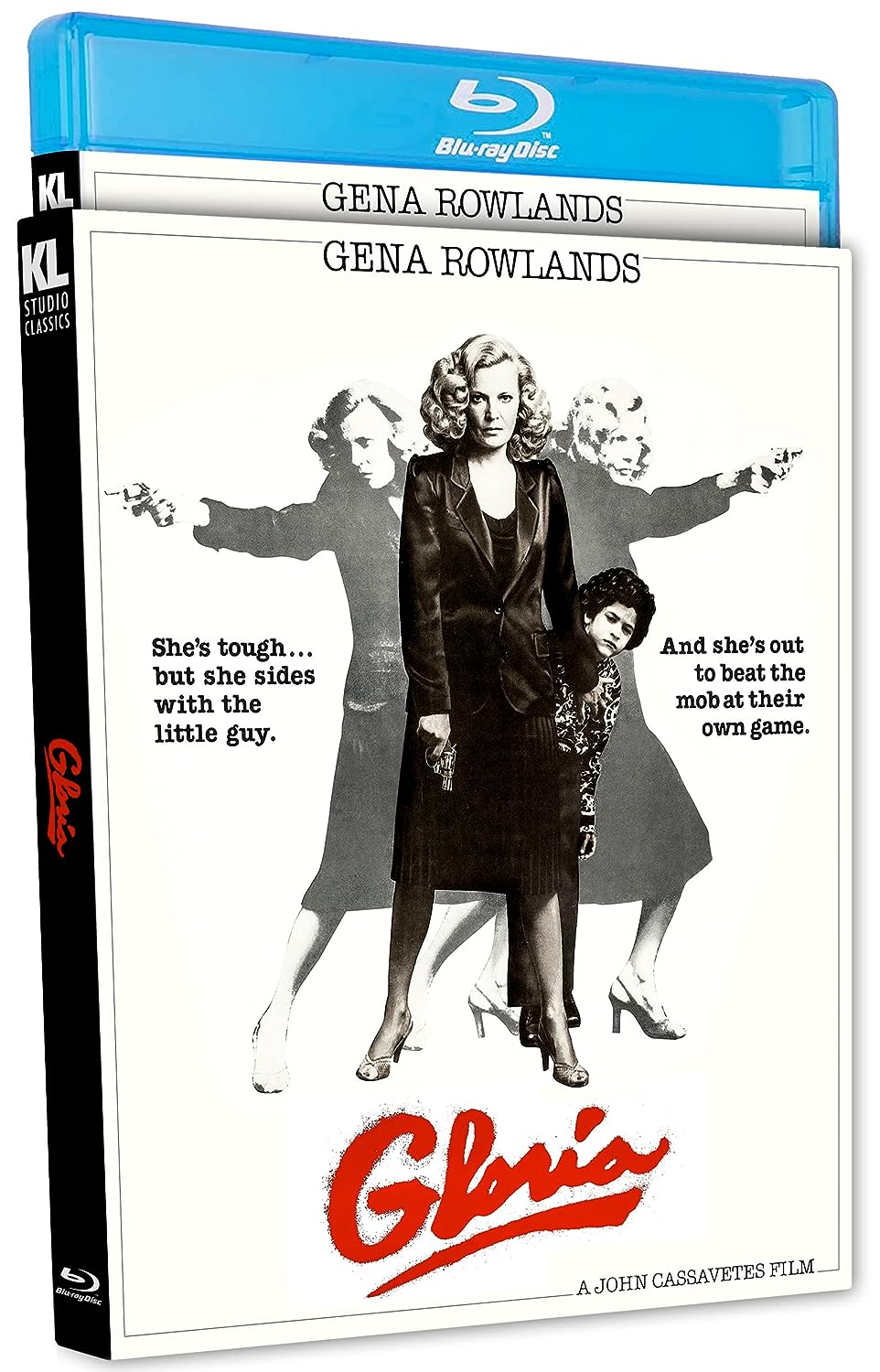
Some of my fondest memories growing up were those of my Polish grandmother and visiting her in New York for a week or two during the summer.  It was so different than when I was with my parents in North Carolina.  From the living arrangements to actually having a real basement to the subway itself, it was almost surreal in a very urban type way.  Then everyone seemingly moved to Texas, including our family, and all of the innocence was lost.  Today's movie is Gloria, a movie set in New York where a six-year-old Puerto Rican kid loses his innocence as his family is gunned down by the mob.  The only thing he has to cling to is a friend of the family named Gloria who has a few special skills of her own.  Let's check it out.

"It's always open season on princesses."

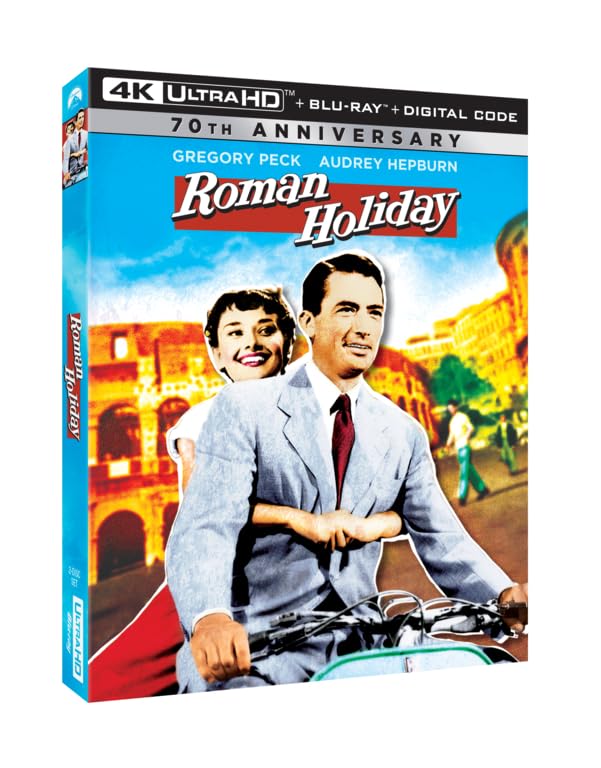
Roman Holiday is one of those classic films that had an extremely hard time getting made. Frank Capra had the rights to the story for several years. Most of what he had was based on a screenplay by Dalton Trumbo, but that was extremely problematic, as Trumbo was one of the original Hollywood Ten and was blacklisted. They were a group of Hollywood people who refused to answer questions before the Joe McCarthy-led House Un-American Activities Committee that was pretty much rooting out communist with little regard to whether they were there or not. The committee ruined thousands of lives, and in 1947 the group had turned their attention toward Hollywood. Many played along by attending the hearings, and some even passed on names of others to avoid trouble for themselves. The Hollywood Ten stood up to the madness, and it got them blacklisted.

"In northern California, the Santa Lucia Mountains, dark and brooding, stand like a wall between the peaceful agricultural town of Salinas and the rough-and-tumble fishing port of Monterey, fifteen miles away It's 1917 just outside of Monterey."

James Dean was somewhat of a brief candle. Very much like Marylin Monroe, he came upon Hollywood so bright and hot only to burn for a short time. And while Norma Jean had a few good years in which to shine, Dean would have less than a handful. In those few years he made three incredible films. His last was Giant, and before that was perhaps his best known, Rebel Without A Cause. East Of Eden was the first of this trilogy of films that would pretty much make up the career of James Dean. All three films were made in the years 1955-1956, and just as suddenly as Dean had come upon the scene, billed as the next Marlon Brando, he was gone.


"Man gets shot that's got a gun, there's room for reasonable doubt. Man gets shot that hasn't got a gun, what would you call it? But, you knew that already; otherwise you wouldn't have set things up the way you did." 

Rio Bravo (1959) stars John Wayne as John T. Chance, a small-town sheriff facing the fight of his life. His town is infected by a gang of 30-40 men, professional bad guys on the payroll of Nathan Burdette (John Russell), whose brother, Joe, Chance has locked up for murder. Burdette is dead-set on freeing Joe, and the only help Chance has got is his former deputy, Dude (Dean Martin), who’s been drunk for two years since he got involved with the wrong kind of woman, and Stumpy (Walter Brennan), an old, trigger-happy cripple. The trio has six days until the U.S. Marshall comes to collect Joe, but that’s a long time to wait when you’re surrounded by the enemy.

"Beware of false prophets, which come to you in sheep's clothing, but inwardly they are ravening wolves. Ye shall know them by their fruits." 

Charles  Laughton is known primarily as an actor. He starred in several classics such as Spartacus, Witness For The Prosecution, and the title role in I, Claudius. He was the titular character in a remake of Lon Chaney, Sr's The Hunchback Of Notre Dame. He was the cruel Captain Bligh in Mutiny On The Bounty and the evolutionary mad scientist in Island Of Lost Souls with Bela Lugosi which was based on the H.G. Wells novel The island Of Dr. Moreau and happens to be my favorite of his films. He married the Bride of Frankenstein herself, Elsa Lanchester, in one of those rare Hollywood pairings that lasted from 1929 until death did they part in 1962. They were a kind of royal couple for a while, giving some of the era's most iconic parties. He was quite an accomplished man when he died too soon at 63.

For me it’s crazy to see that The Truman Show is turning 25 years old. I was graduating high school when this had come out, and television was just an entirely different landscape back then. In 1998 when this film came out, the only reality shows were pretty much COPS and then The Real World on MTV, I really don’t believe anyone could have expected just how big reality TV would become. The same year in competition for box office dollars was Ed TV. Oddly enough, Ed TV would be a little closer to the mark on what the reality TV landscape would look like, taking a regular guy and making him a star overnight because he was on TV.  The Truman Show I always felt was the superior film in just about every aspect. In many ways it is what I had hoped reality TV could be, but unfortunately it seems what viewers wanted in their reality programming was something more scandalous and absurd, more akin to a Jerry Springer episode than someone living in an idyllic world that was out of an episode of Ozzie and Harriet or Leave It To Beaver.