Genre

I grew up on the Peanuts creations of Charles M. Schulz. Most of us have, in some way or another. His newspaper comic strip is one of the longest running and most successful strips of all time. The work has been translated into every language currently spoken on the planet. The images of Charlie Brown, Snoopy, Linus, and the rest of the Peanuts gang have appeared on just about any kind of product imaginable. Our pop culture contains too many references to the strip to mention briefly. For me, it was the television specials starting in the mid 1960’s that brought the gang into my life. The classics are running annually, still after nearly 50 years.

"September 19th. Dear Diary, as I sit here thinking about picking up the pieces of what used to be my life, I realized something. Every room in this house holds a painful memory for me. Even though he's suffering, something somewhere in me wants him to suffer more. A few months and a divorce can take you through just as many emotions as 18 years in a marriage. And I'm starting to feel all of them at once. But the one that is clear is rage. Signed, a Mad Black Woman."

Lately I've had an opportunity to watch a ton of Madea on Blu-ray.

Written by Diane Tillis

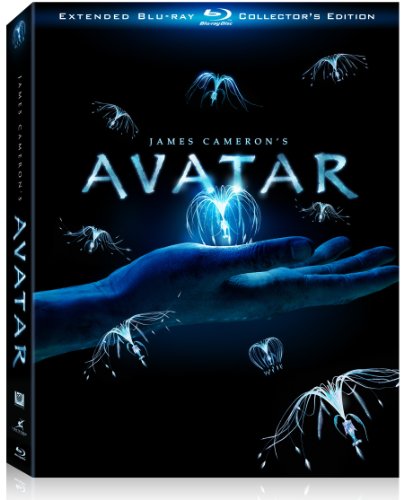
The world of Avatar has been a part of James Cameron’s dreams for over a decade. When he initially approached studios to pitch the concept, they denied him the opportunity, citing the huge budget that would be necessary to create the film. Thus Cameron had to wait for technology to catch up with his vision. Flash forward a decade with the advancements in capture-motion cameras and 3D technology; Cameron finally saw his opportunity. With an amazing crew of visionaries, Cameron broke several boundaries in the film industry and created a cultural phenomenon.

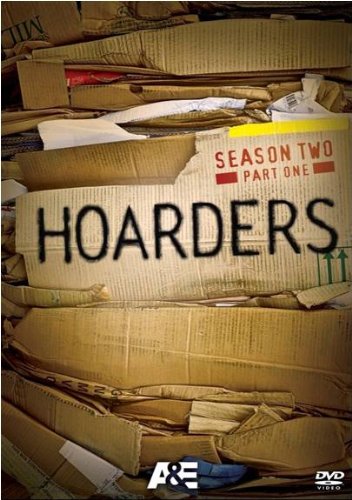
"Compulsive hoarding is a mental disorder marked by an obsessive need to acquire and keep things, even if the items are worthless, hazardous, or unsanitary. More than three million people are compulsive hoarders. These are two of their stories."

The reality television craze has entered its second generation. In the beginning, shows merely found folks who were willing to put themselves in odd circumstances for the chance to earn some big payday.

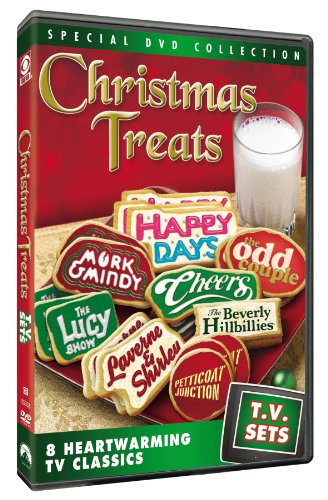
This single DVD contains 9 Christmas episodes of CBS’s most endearing comedies. All were influential to those that came after. These weekly shows offered that much-needed relief from the pressures of whatever decade they appeared in. The stars are names that everybody knows, even those that appeared 50 years or more ago. Celebrate Christmas with these classic moments in television history.

In the first season of Showtime’s Californication, we were introduced to David Duchovny’s character, bitter yet upbeat writer Hank Moody. Hank, after moving to Los Angeles on the heels of his first novel – a critical darling entitled “God Hates Us All” – has recently lost his long-time love and, by extension, his daughter, to a straight-arrow bore who makes his girlfriend Karen (Natascha McElhone) feel safe.

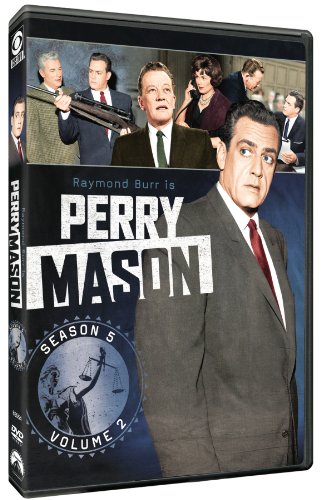
Erle Stanley Gardner wrote crime fiction, and while many of his 100 or so works are unknown to most of us, he created a character that has become as identified with criminal lawyers as any other in fiction. It was in these crime novels that Perry Mason first faced a courtroom. He developed a style where he would investigate these terrible crimes his clients were on trial for. He would find the real killer, and in what has become a Hollywood cliché, reveal his findings in a crucial moment during the trial.

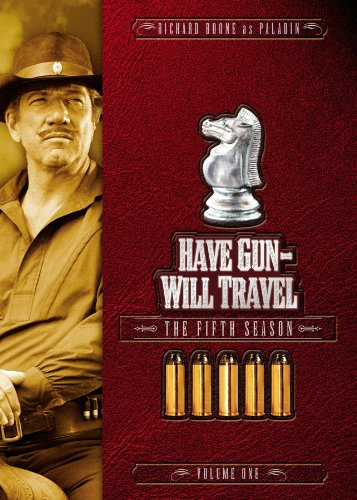
’Have gun, will travel’ reads the card of a man. A knight without armor in a savage land…”. Those words ended every episode of Have Gun Will Travel, sung by Johnny Western in a time that such words could be sung without irony. Outside of Richard Boone’s black-clad, craggy Rhett Butler gone-to-seed gunfighter, that song was all I could really recall about this venerable Western from television’s golden age.

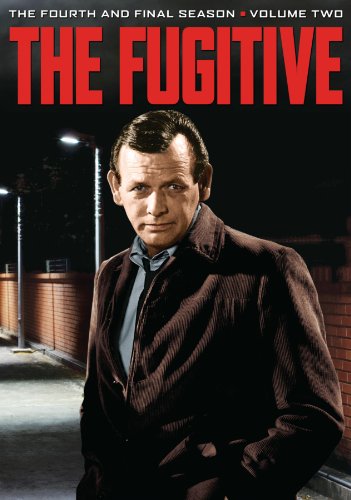
“The man is Richard Kimble and, not surprisingly, the man is tired. Tired of looking over his shoulder, the ready lie of the buses and freight trains. Richard Kimble is tired of running…”

The elusive “one-armed man” is one of the best known television icons of all time. The plight of Dr. Richard Kimball has been the subject of numerous imitations and even a feature film staring Harrison Ford as Kimball and Tommy Lee Jones as his pursuer. Tim Daly left the ranks of comedy to fill the shoes of Kimball in a very short-lived revival series.

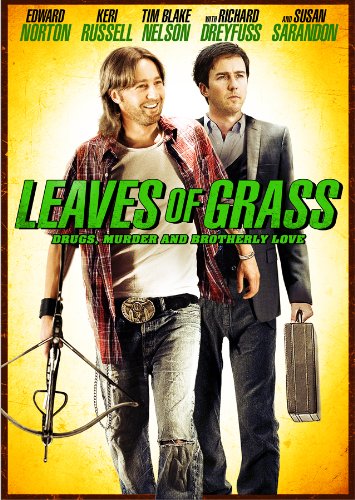
Leaves of Grass, the latest film from writer/director/actor Tim Blake Nelson, is one of those rare films that defies both description and expectation. While marketed as a violent stoner comedy along the lines of Pineapple Express, Leaves of Grass is far more difficult to categorize. Yes, there is comedy, though not as much or of the type one would expect. And yes, there is violence, but a far more realistic and less cartoony variety than you would think. But there is much more to this little film - there is thought and reflection and philosophy and poetry behind every piece of dialogue, and you get drawn into it so that, halfway through the film, it doesn’t even strike you as odd that you just watched Keri Russell recite Walt Whitman while gutting a catfish.