Sci-Fi / Fantasy

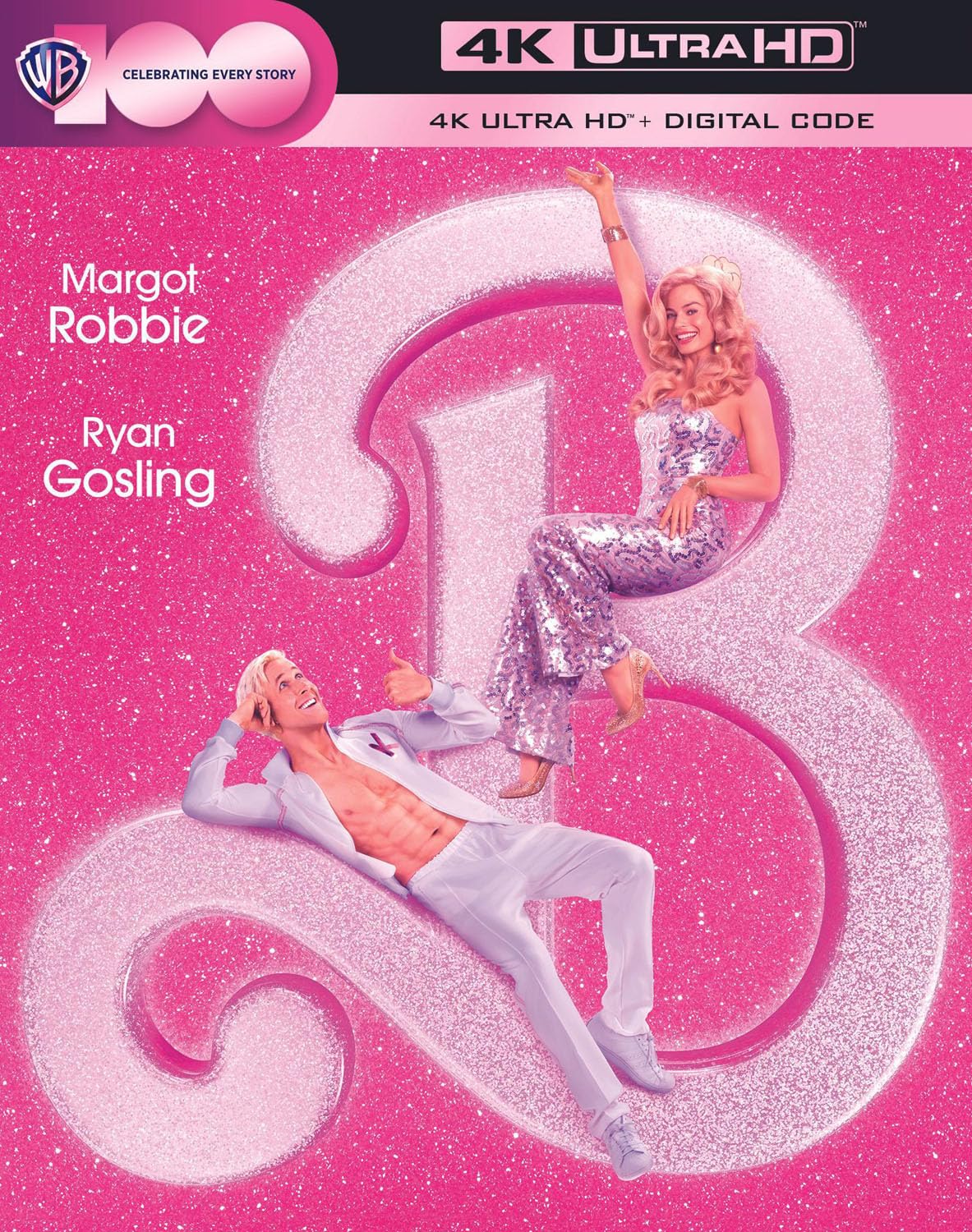
“Since the beginning of time, since the first little girl ever existed, there have been dolls. But the dolls were always and forever baby dolls, until ...” 

Let me preface this by saying that I am in no way the target audience for this film. That said, this film is in no way for the target audience that you may imagine it is for. Initially, I suspected the film was intended for the age bracket that actually plays with Barbies. However, after watching, I’d have to argue that the themes of the film are geared more towards the young adult / early adulthood crowd. Bearing all that in mind, it should go without saying that Barbie was a film that I endured rather than enjoyed until one key moment which I will describe later. To my mind the film was an amalgamation of films that came before it. And while I appreciate the film’s diversity in encompassing a wide range of actors to represent variations of the Barbie and Ken characters, at times it felt as though the film’s agenda was literally punching me in the face.


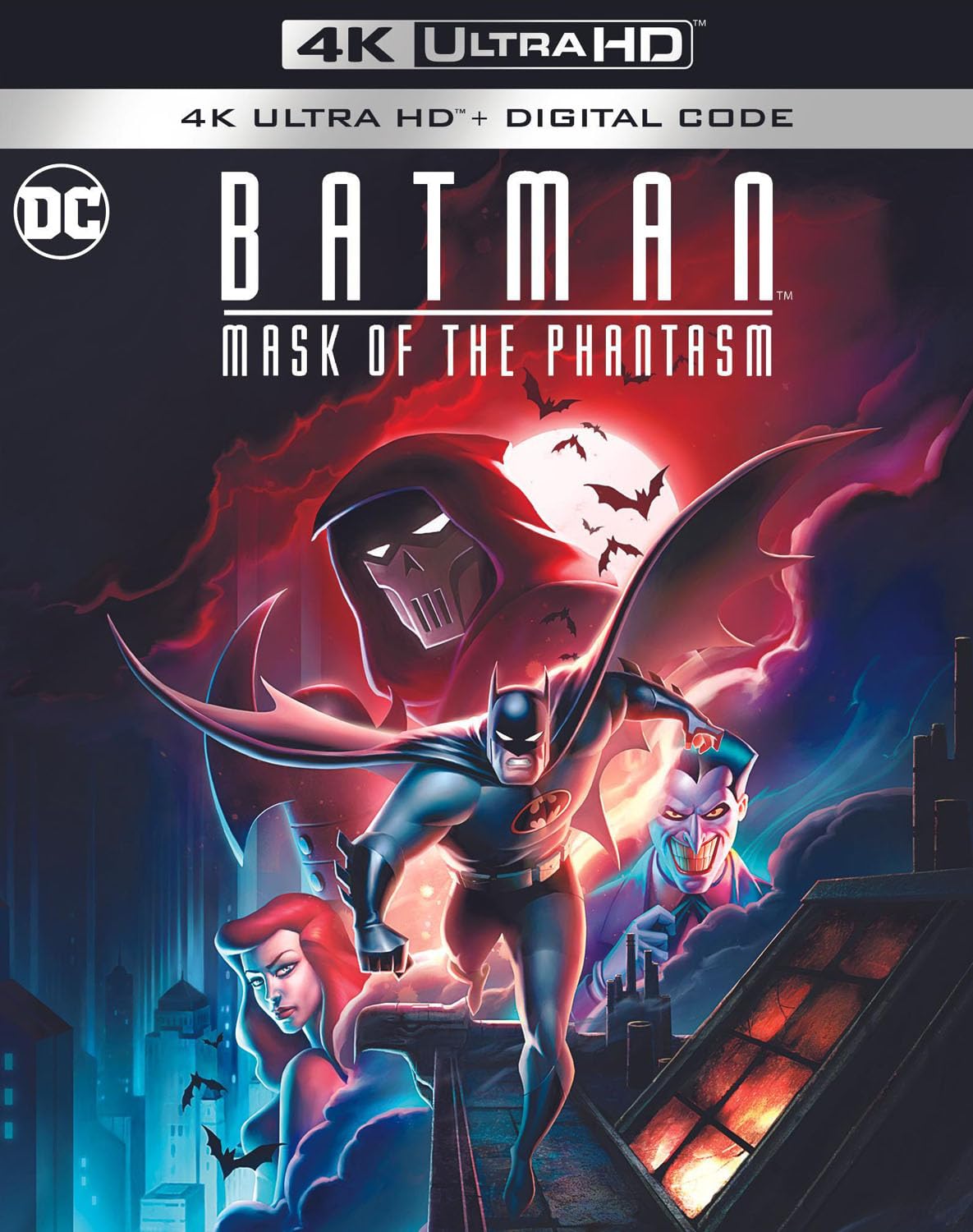
"This is The Batman we're talkin' about here."

In 1992 Batman: The Animated Series hit television sets all over the country. It was perhaps the biggest comeback for the Dark Knight since Adam West went camp with the cowl in the 1960's. Yes, the Tim Burton film and its sequels went a long way to bringing the bat back into the popular culture, but the series is what took the fans by storm. Kevin Conroy became, for many, the definitive Batman when he was hired to voice the series, and Mark Hamill finally got out of the shadow of Luke Skywalker with his voice rendition of the Joker. The show was a hit, and around the early years it was decided to do a direct-to-video movie called Batman: Mask Of The Phantasm. Somewhere in the production Warner Brothers had a change of heart. They decided to roll the dice on a theatrical release of the animated feature, likely assuming the series fans would flock to their multiplexes in droves.

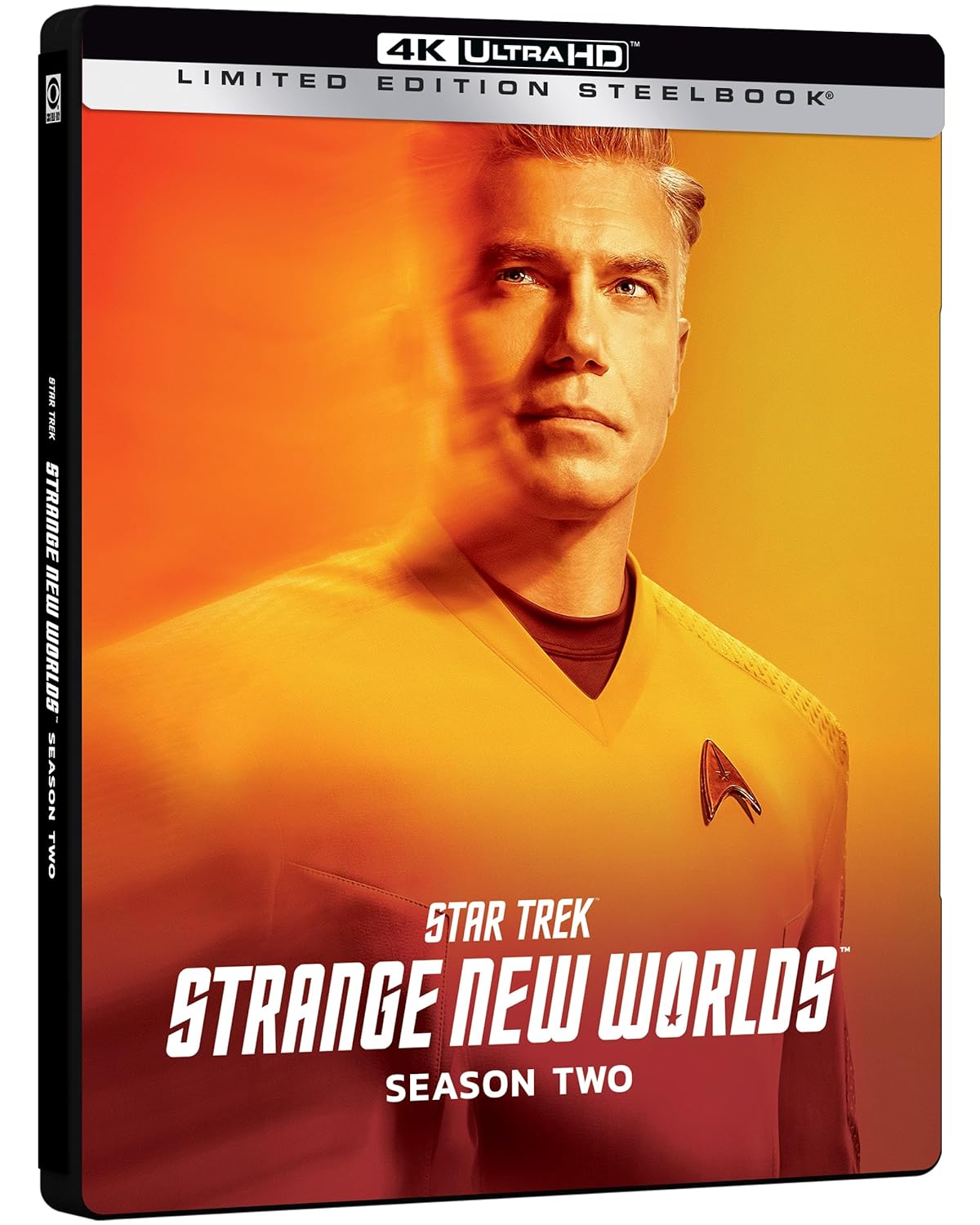
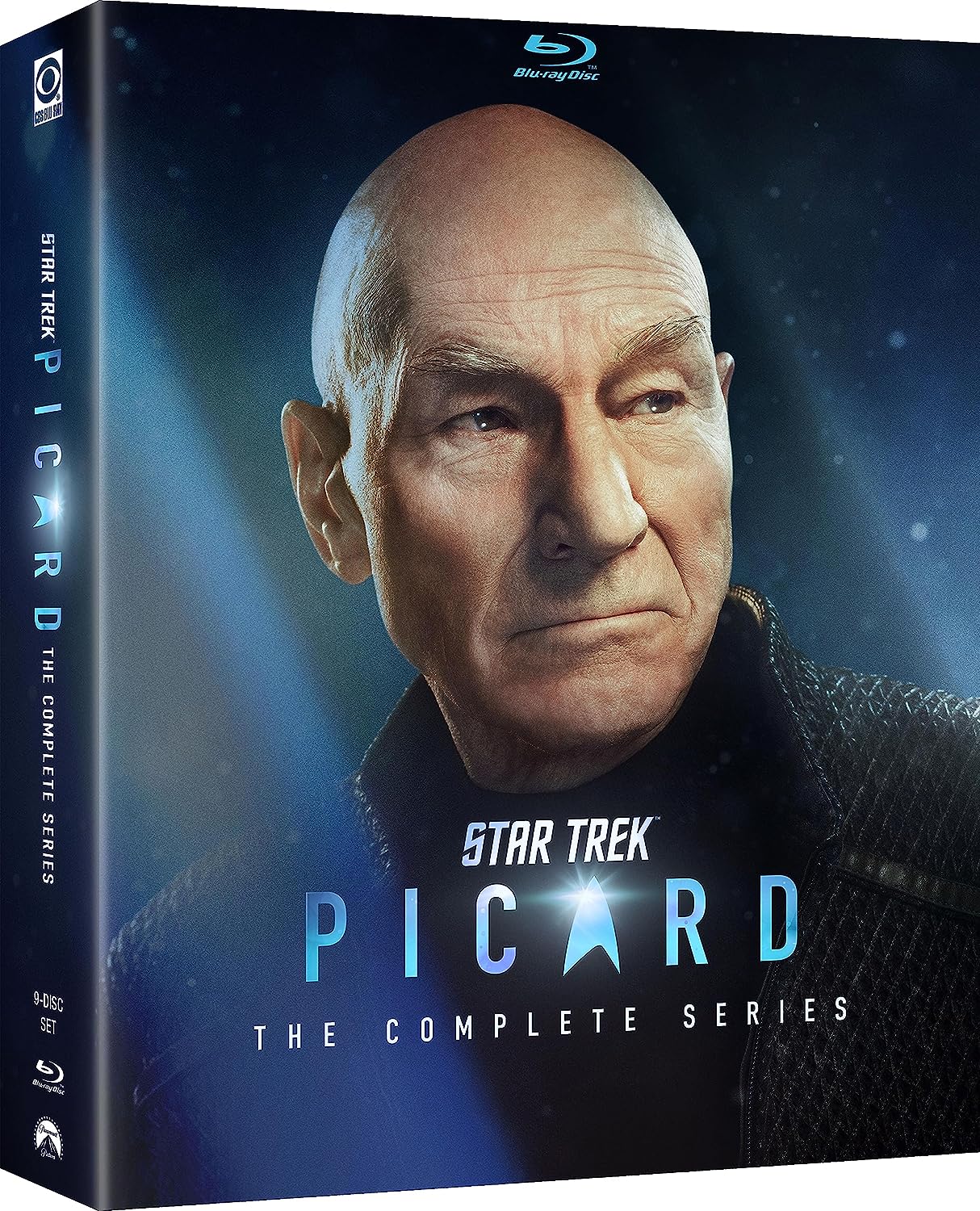
“Space … the final frontier. These are the voyages of the starship Enterprise. Its continuing mission, to explore strange new worlds. To seek out new life and new civilizations. To boldly go where no one has gone before.”

Nearly 20 years after the original Star Trek left the network airwaves, Gene Roddenberry set out to discover whether he could catch lightning in a bottle once again. Some say he did an even better job with Star Trek: The Next Generation. There are times I tend to agree. The Star Trek sequel series had a lot more advantages from the moment it was conceived. Star Trek, a series that barely registered on the ratings during its three-year primetime voyage, became a huge sensation in syndication. By the time The Next Generation came on the scene, the original show had been syndicated in over 20 different languages all over the world. It had launched an animated series, and a fifth feature film was already in the early stages of consideration. So it isn’t quite fair to judge the success or quality of The Next Generation over the original series. One thing is inarguable. The second would never have existed if not for the first.

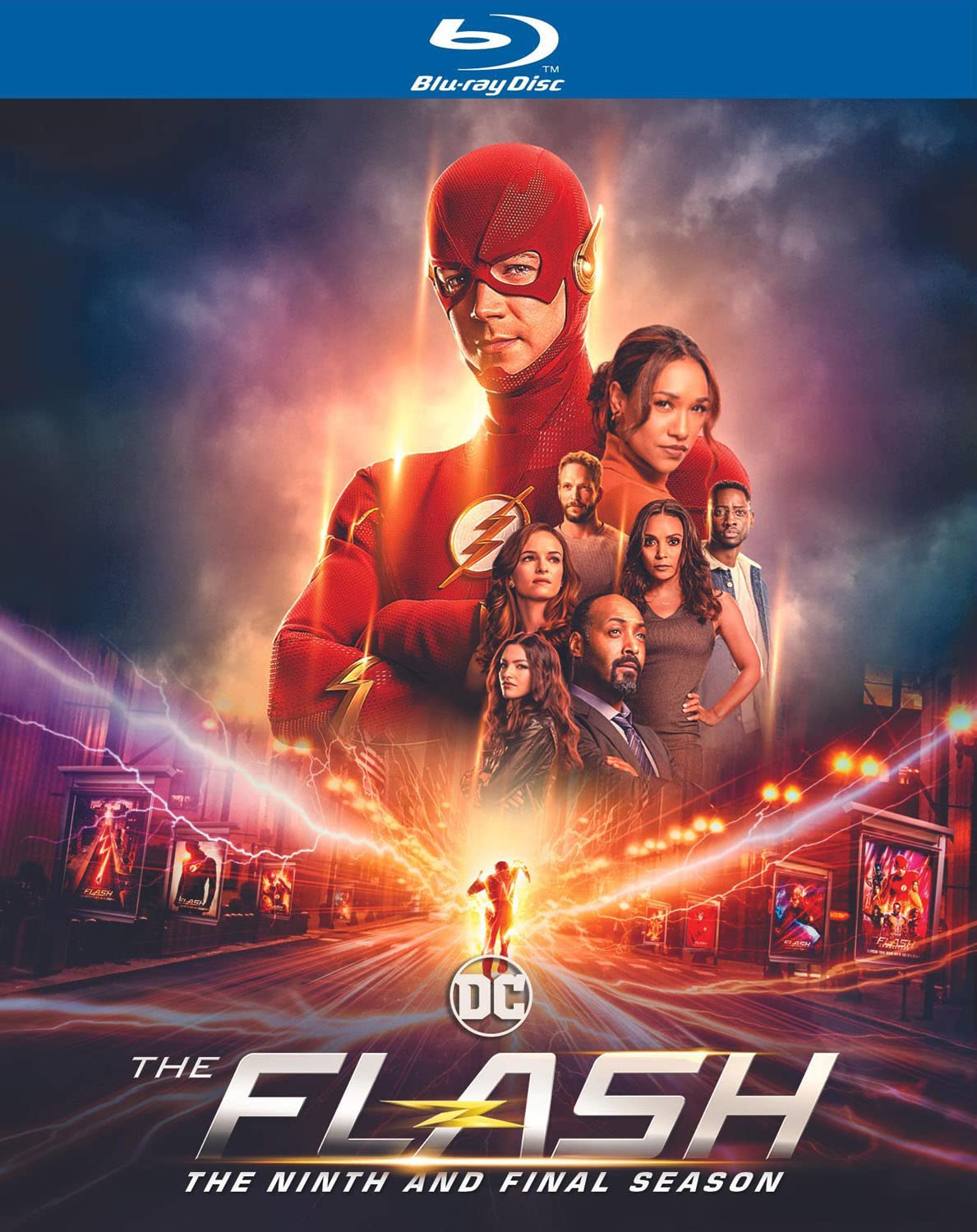
"Do you give people hope? Are you moving through your city like a guardian angel? Do you make a difference? That bolt of lightning chose you. Don't ever forget it."

There's one thing about being the fastest man alive. You get to the end faster than anyone else ... the finish line, if you will. But not so for Barry Allen, best known in the world of comic books as The Flash. When Arrow debuted back in 2012, no one could have foreseen where it was all going to lead. Greg Berlanti and a few others had created what we all thought was just another comic book hero television show. The Green Arrow wasn't one of the better known heroes, but he was part of the Justice League for many years, and he had a rather interesting origin story that could be told over the longer form of a television series.

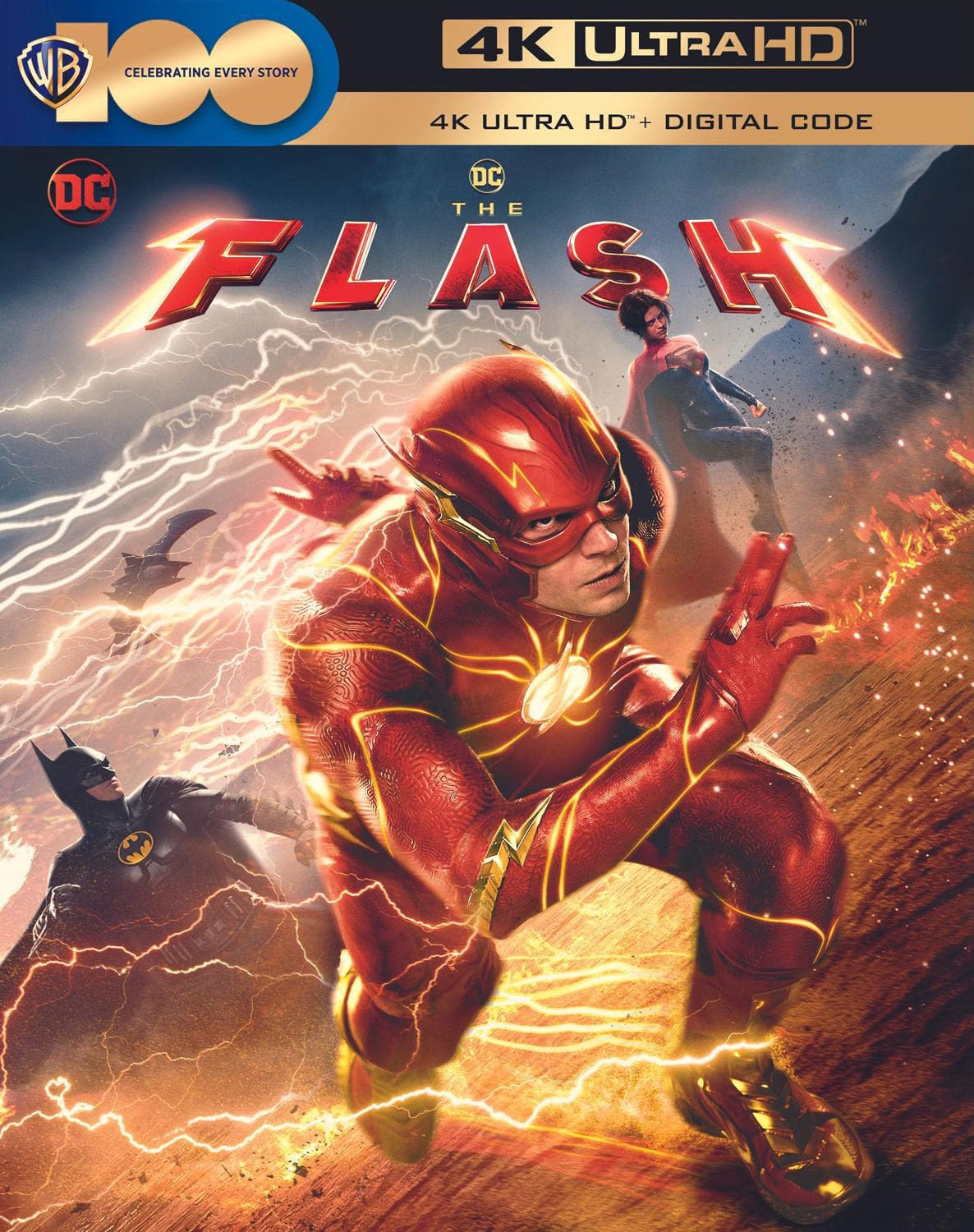
"If we're going to do this, there's a lot I'm going to have to explain to you."

Been waiting on this one for some time, ever since we were introduced to the character in the Justice League movie and it was announced that the film would cover the Flashpoint Paradox storyline, which is one of my favorite comic storylines. My enthusiasm was tempered a bit with the film being delayed and the actor’s subsequent troubles (for the purposes of staying on the topic at hand, that will be my only mention of that situation). However, it is finally here, and after viewing it I can say that it was well done and well received. It is also a bit bittersweet, as it signifies the conclusion of the DCEU as we know it.

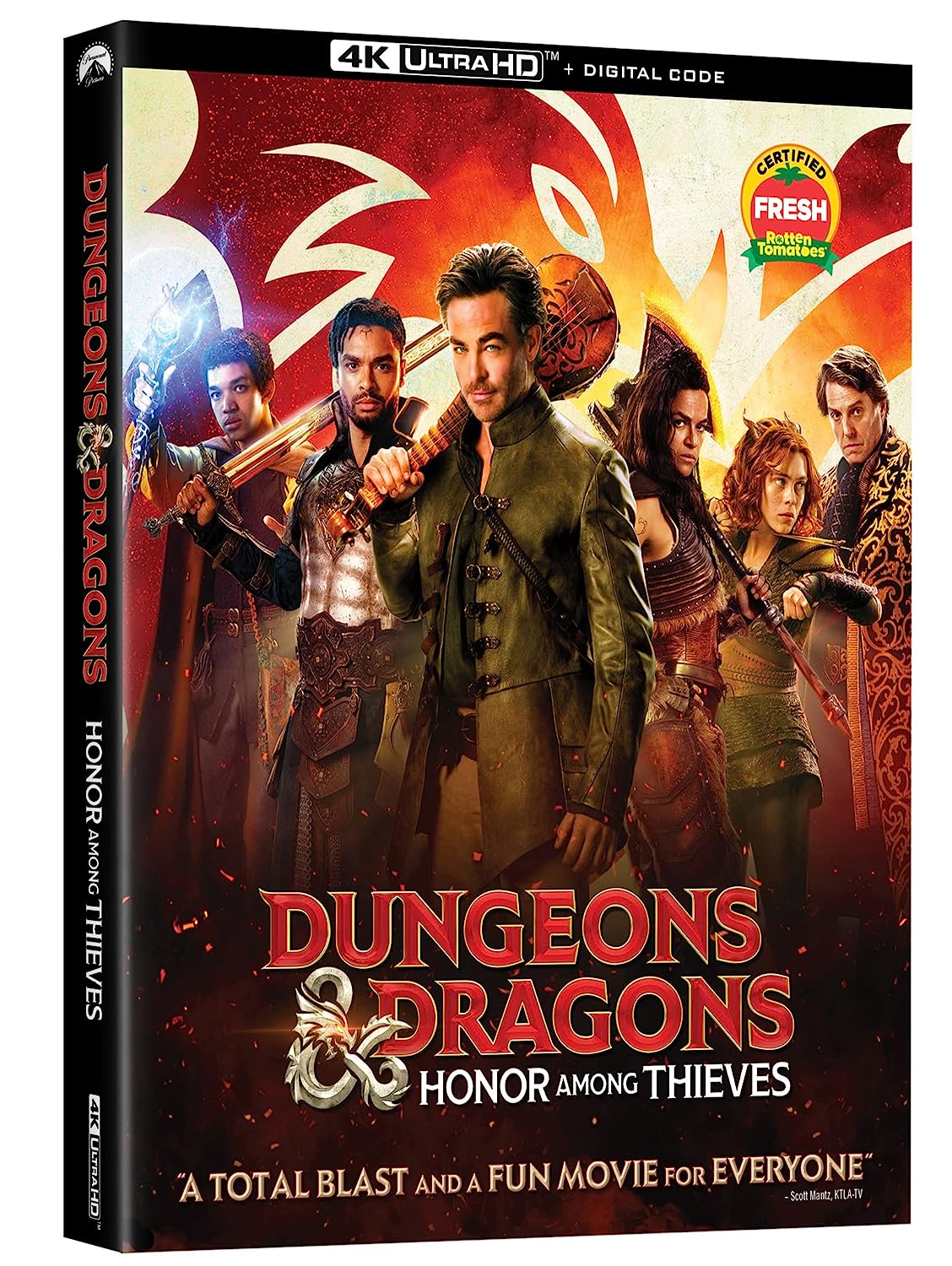
“How everyone thinks we can solve any problem with magic. There are limits! This isn’t some bedtime story; this is the real world!” 

Well not quite, but still very sound advice. Which is what our heroes find out in this adaptation of the popular tabletop game. I’m becoming convinced that there is no such thing as a truly great cinematic adaptation for a tabletop or role-playing games. Think about it? Warcraft, Battleship, the previous Dungeons and Dragons adaptation. All of them failed to hit the mark. When you think about it, it’s not surprising. These games are incredibly nuisance and detailed, it would be more surprising if their entirely was actually able to be encompassed in a matter of hours. In the case of the latest Dungeons and Dragons adaptation, Honor Amongst Thieves, I think it is a case of good movie/decent adaptation.

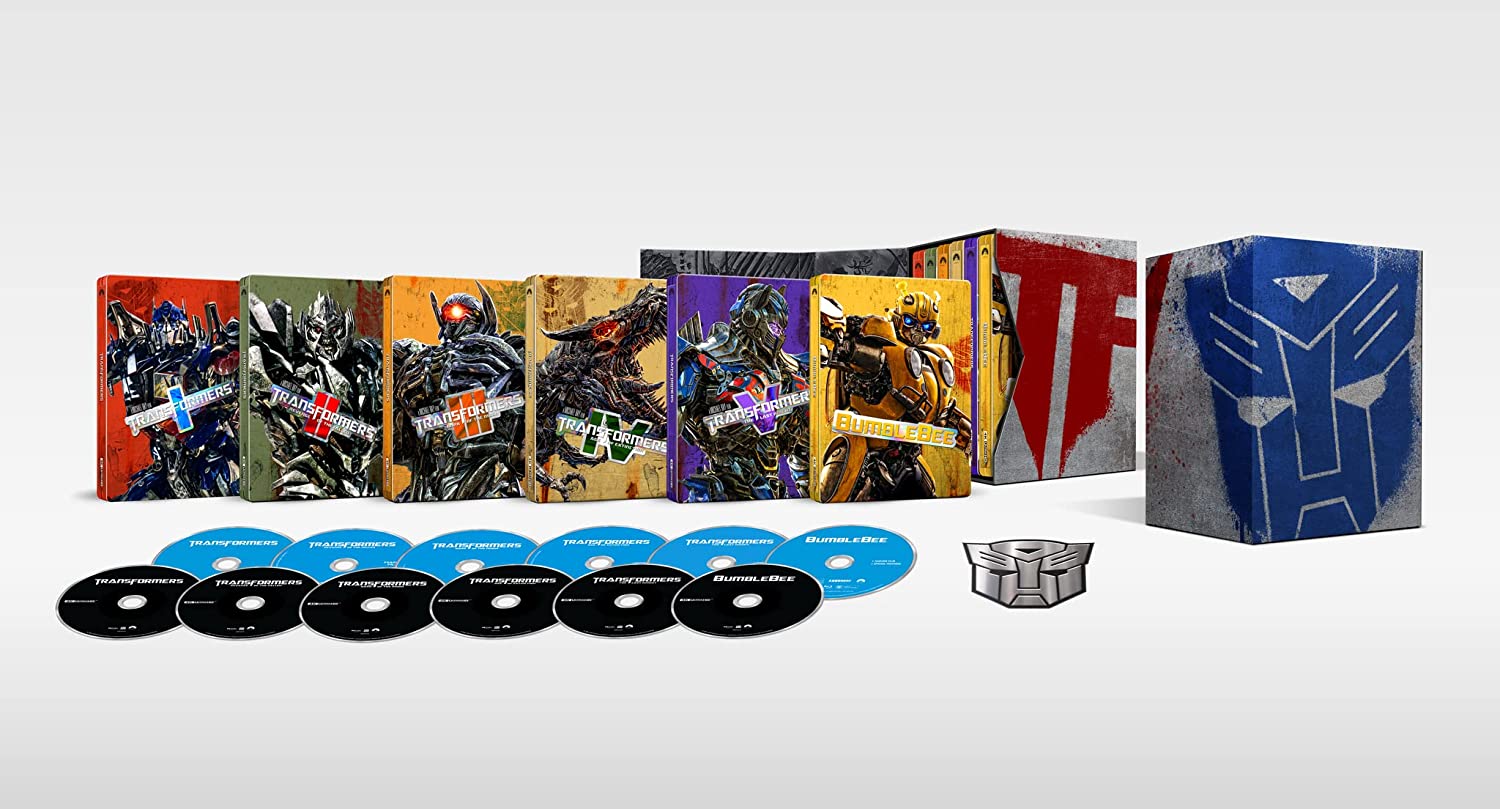
When I was a young boy I loved playing with my toys. We didn't have Transformers in those days, but we did have Major Matt Mason, plastic dinosaurs, Hot Wheels, and Creepy Crawlers Thingmaker sets. Yeah, in those days a toy could cause third-degree burns and no one really worried about getting sued. Kind of takes the fun out of being a kid today. You know who else, I bet, loved to play with his toys? Michael Bay. I bet he had the coolest toys in his neighborhood. He probably wasn't the best guy to be friends with, however. He didn't invite the kids over to play with his toys. He likely charged you a nickel to watch him play with them. It's many decades later, and Michael still has the coolest toys on the block. Only now you have to cough up twenty bucks if you want to watch him playing with them. Sadly, that is what the Transformers film franchise has been reduced to. We're all watching the rich kid playing with really cool toys.

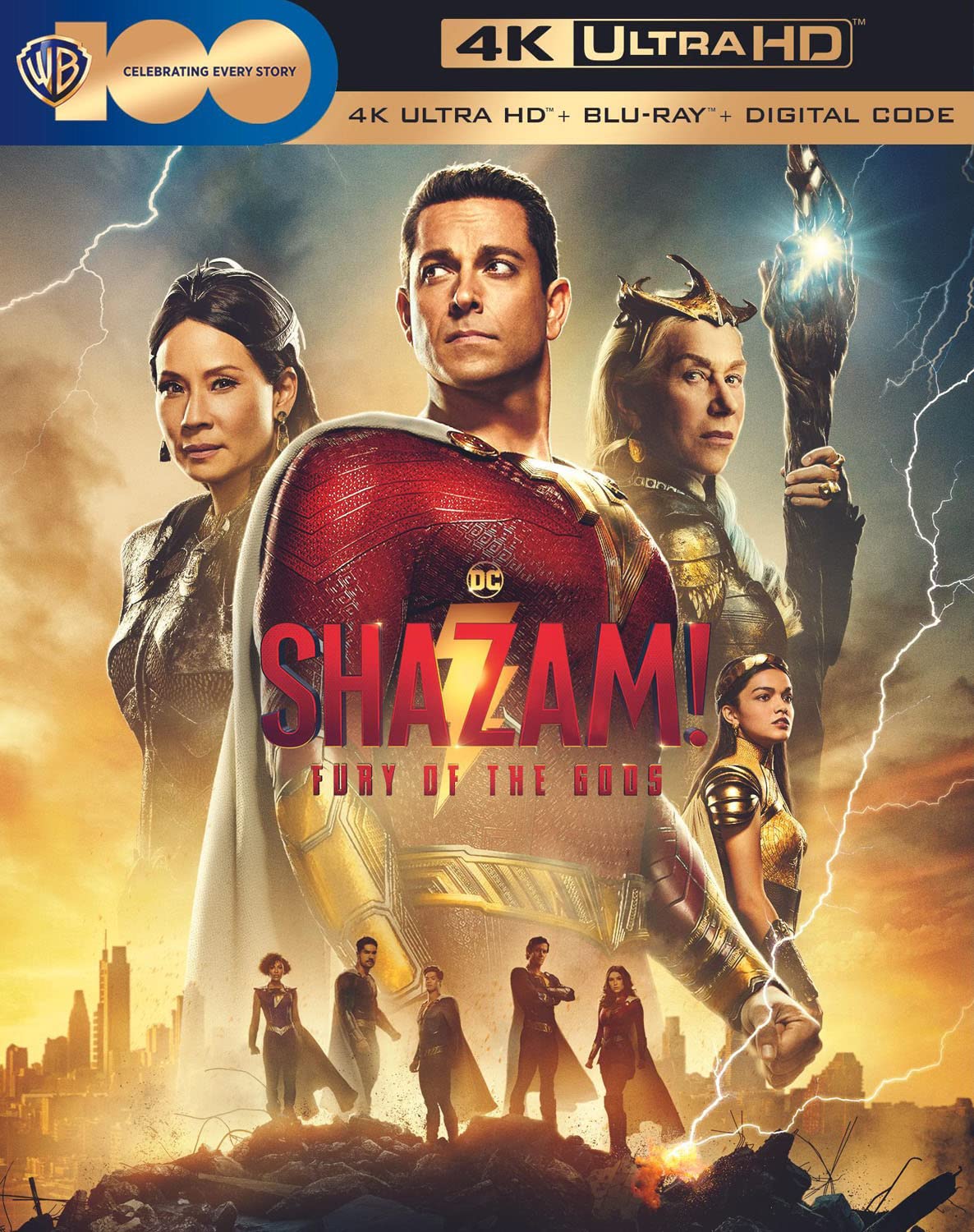
I know that we all know that the DC universe is going through a bit of a revamp right now. I’m sure we’ve all seen it, with the cancellation of the Batgirl movie and the getting our hopes up over the prospect of Henry Cavill’s return to the fold, only to be crushed when it was announced that the studio was going in a different direction. We all have our feelings about it. That said, if there was a franchise that I would recommend keeping around, it would be the Shazam films. I know, I know, I’m surprised by this revelation too, but the thing is, this franchise of them all was the one that took me by the most surprise. I wasn’t expecting to enjoy it. Prior to the release of the first film, the character of Shazam (a.k.a. Captain Marvel) had been nothing more than a background character that I’d observed in the animated films and shows. I even questioned the wisdom of introducing a character like this when DC was behind the curve in comparison to Marvel. I thought they should focus on building up the main Justice League heroes so they could get back in the race. Then in 2019, I went and saw this, and it won me over.

When Superman was first introduced to us, it was in Action Comics #1 back in 1938 from the writer Jerry Siegel and the artist Joe Shuster.  Since then the character has become a cultural phenomenon that’s been featured in just about every form of media from radio shows, TV shows, cartoons, movies, and everything else in between.  The character has evolved quite a bit since those early comic book days, and one of the characters biggest evolutions came with the Max Fleischer cartoon series.  It was 17 animated short films that played in theaters before the feature film began, but these short films would draw in audiences that wanted to see this caped hero and his amazing adventures

The 1978 Superman film set the standard for what a quality comic hero film should be. The tagline promise: “You will believe a man can fly” was kept. All future comic films would be judged by this standard. Superman II had its faults. Certainly it was not the modern classic like the first film. The plot was bogged down with a rather silly love story that broke down the barriers of the Kent/Superman identity for Lois Lane. Luthor, while played again with style by Gene Hackman, is reduced to a comedic backseat to the real villains. Plot contrivances abound, along with plenty of corny lines. Yet, even with these limitations, this has always been a rather enjoyable film, particularly when compared to the dreadful sequels that followed