Series

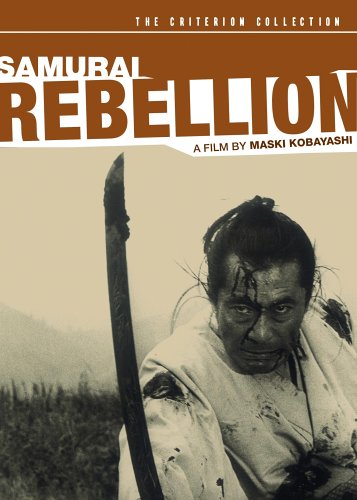
First and foremost, it is important to note that this is a large, “A” list film. While many samurai movies are low budget stories, everything about this beautiful film is first rate. As you can see by the two hour running time, the story comes first in this piece, with the swordplay coming in later, merely to serve the story.

And an important story it is. In 1967, World War II was still fresh in the minds of many Japanese citizens. These people, who had never questioned authority in thousands of years, had j...st begun to wonder if blind loyalty to authority was always the best path. This film dares to place the honor of the family unit over that of the ruling clan. The brilliance of the film lies in the fact that even the act of disobedience is performed with the utmost respect for the ruling class, and violence is considered absolutely as a last resort.

Synopsis

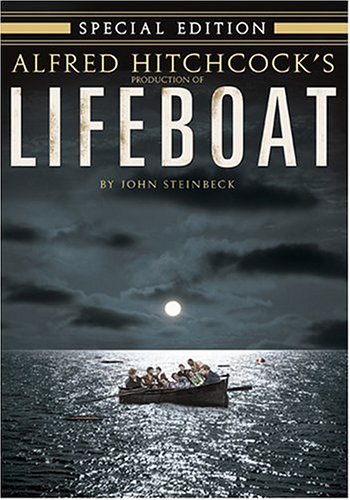
A merchant ship is sunk by a U-boat, but the submarine is itself destroyed by the ship’s shells. All of this happens prior to the credits. The survivors of the ship wind up in a damaged lifeboat, and they pick up a survivor of the U-boat. Is he a mere crewman, or the captain himself? What ensues is a tense drama of conflicting personalities, ranging from the plotting German to the hard-headed newswoman unforgettably incarnated by Tallulah Bankhead. Despite the claustrophobic setting, the fil... never feels constricted. The script may be overly didactic at times, but the results are never less than compelling and suspenseful.

This release is identical in every respect but one (the colourization) to the previous Studio Classics edition, and so what follow below is the same review, with an additional note about colour.

Synopsis

Synopsis

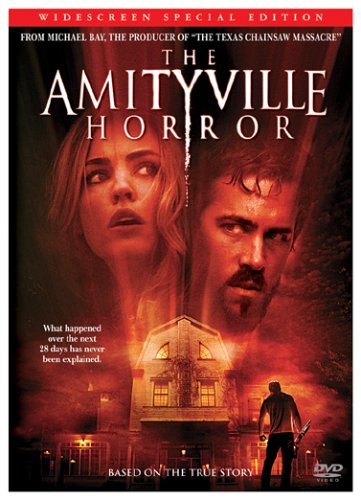
One year after Ronald De Feo slaughtered his family, the Lutzes move into the creepy house. George (Ryan Reynolds) soon feels cold and starts acting cranky, and before you know it is looking like he might dish out some violence of his own. Meanwhile the youngest child is developing a troubling relationship with the ghost of a little girl. A frantic Kathy (Melissa George) is desperate to find out what is wrong with the house before it all ends in blood and tears.

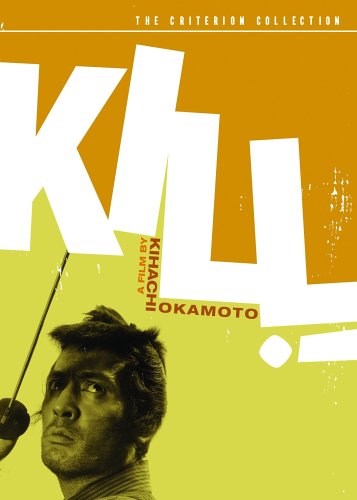
Kill! plays like something of a dark spaghetti western comedy. Honestly, how many times have you heard that line before? A warrior with no master wanders into a ghost town, tired and hungry, to find the only restaurateur in town dead. As he begins to contemplate where he will find his next meal, a farmer wonders into town under similar circumstances. The two form a loose partnership as they discover that they have placed themselves in the middle of a standoff between the local samurai and yakuza clans. As they...find out more about what is going on in the seemingly-deserted town, their loyalties shift and they begin to concentrate more on doing what is right than on their original selfish desires.

Fans of the Kill Bill films will find much to enjoy in this film, as it will give them an opportunity to see some of the history behind Tarantino's films. This piece is an unconventional take on the same book on which Akira Kurosowa's film Sanjuro was based. I always enjoy the opportunity to see different takes on a theme, and this 1965 film is quite fascinating in its disregard for traditional samurai film conventions.

Synopsis

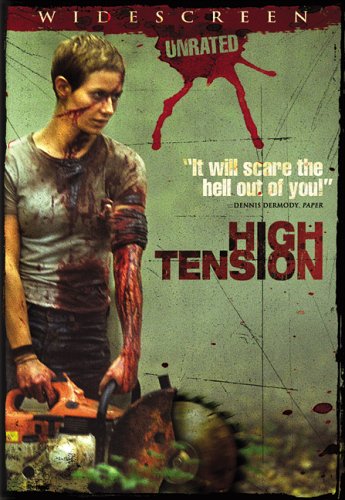
Two friends – Marie and Alexia– head out to the country home of the latter’s parents. In the middle of the night, a killer breaks in, slaughters the family, and makes Alexia his prisoner. Marie is locked in a battle to save her friend and not become a victim herself.

Call me crazy, but I came away from this disc feeling like I had just watched a samurai western. On one side, the film is filled with Japanese warriors, fantastic swordfighting and talk of honor and revenge. On the other hand, a major subplot of the film revolves around panning for gold in the mountains, and fighting over the claims. This excellent 1965 film has much in common with great westerns, such as The Good, The Bad and The Ugly, including interesting plot twists and a complicated-yet-comical sidekick t... the main character that is surprisingly similar to Eli Wallach's character in the Italian epic.

Of course, there is plenty of samurai action in this film as well. It is interesting to see the rapid zooms that are such a trademark of this style of film used in a black-and-white format. These conventions are even more interesting when juxtaposed with some of the other delicately framed deep focus shots in the film. The cinematography alone is enough to elevate this film out of the category of a basic samurai film and into that of art, but the script and the wonderfully-choreographed fight scenes really put this film into a whole new level.

Synopsis

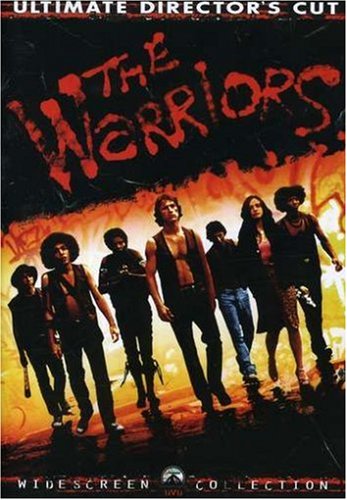
At a gathering of all the gangs of New York City, the messianic leader proposing a unification of all the organizations is gunned down, and the Warriors are unjustly accused. They must make their way from the Bronx to Coney Island with every gang in the city out for their blood.

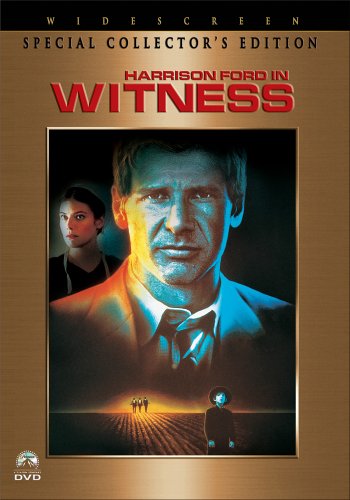
Let's face it; Harrison Ford is not a particularly great actor. He is not capable of playing diversity in his roles, and he has never faded into a character. When you go to see a Harrison Ford movie, the result is always something like “Harrison Ford as the President of the United States”, or “Harrison Ford is wrongly accused of a crime he didn't commit.” Never once have I seen one of his films and came away saying “it is about this professor that goes on a quest to find the holy grail. Harrison Ford played the profe...sor.”

Having said this, I like Harrison Ford. He happens to be one of those personalities, much like William H. Macy, that is comfortable and pleasant to watch on screen. He always handles each role with care, and is never content to let a role slip by without putting effort into the feelings and intentions of the character. He is much like the great Gregory Peck in this regard, as some of Harrison the man always comes through in the characters he plays. He is always genuine, always true to himself.

Synopsis

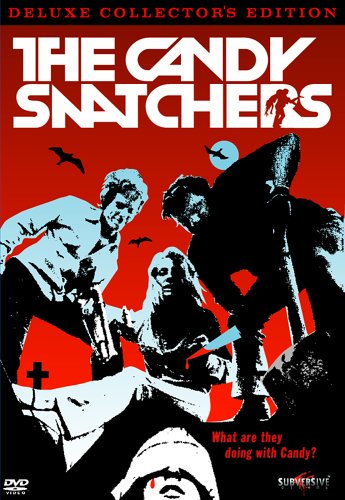
A trio of low-lifes led by Tiffany Bolling kidnap innocent young Candy (Susan Sennet). They bury in the hillside, and the only witness is mute, autistic little boy. They inform Candy’s father that he must deliver a load of diamonds from the shop he runs, or Candy dies. Their plan appears foolproof. But then the father doesn’t show up. Confusion and dissension in the ranks breaks out, and the plot moves inexorably towards a terrible ending.