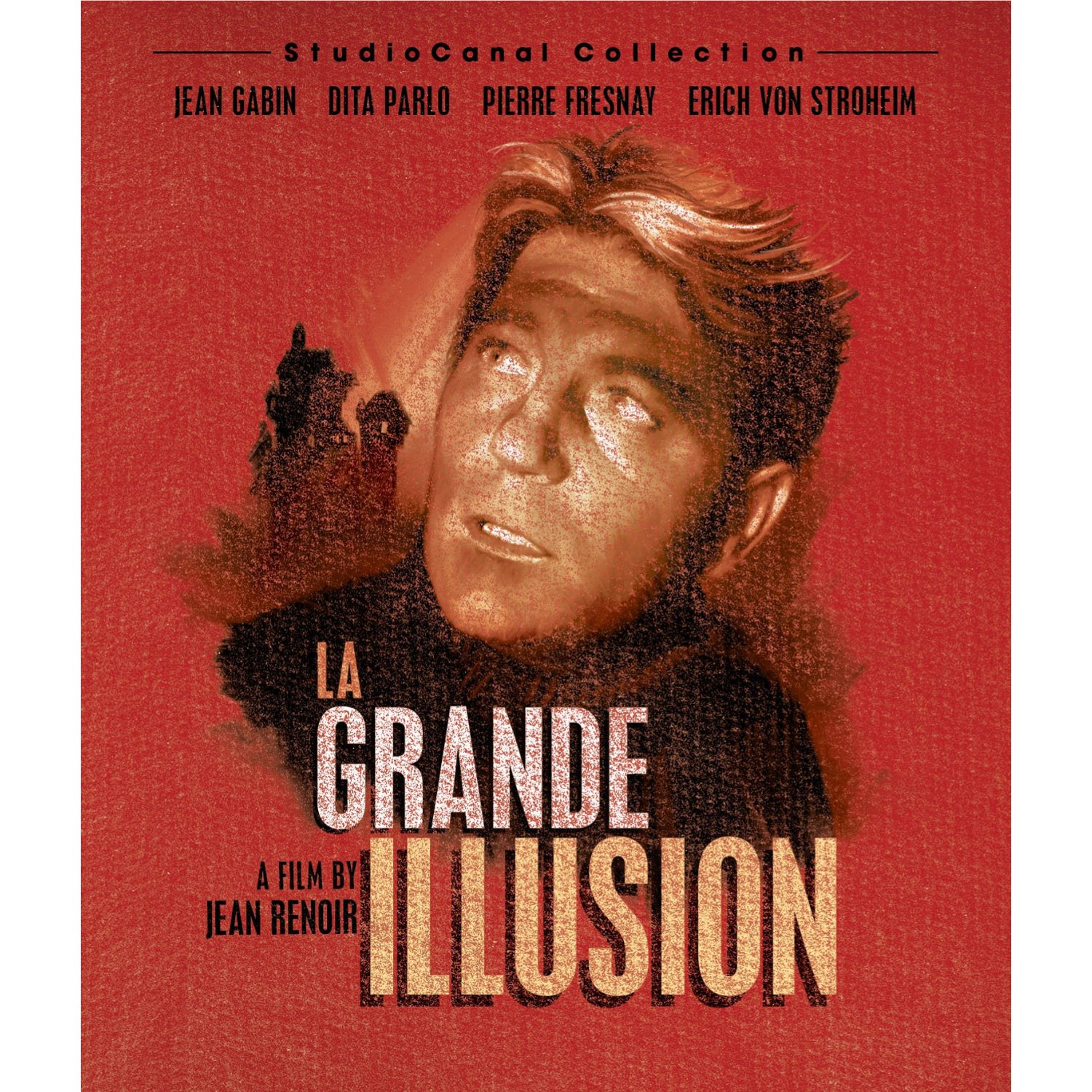
StudioCanal Collection

“I’ve changed a lot. I’m not the same woman.”

Early on in Luis Buñuel’s surrealist gem, a mild-mannered older gentleman named Mathieu douses a beautiful, battered woman with a bucket of water as she desperately attempts to board the train he’s riding. His fellow passengers are stunned, but also understandably intrigued. What possible sequence of events could’ve led Mathieu to this cold and cartoonish gesture? It’s an irresistible hook, and Mathieu proceeds to regale the other travelers — and, by extension, the movie’s audience — with the tale of “the foulest woman who ever lived.”

- "It's our duty, this is war."
- "Agreed, but even so let's remember our manners."

You know how Citizen Kane is considered by some to be the greatest film of all time? Well, I'm the kind of curious movie nerd who subsequently wonders which film was atop Kane auteur Orson Welles' personal list. Unfortunately, I can't ask him, but there's evidence suggesting the answer was Jean Renoir's La Grande Illusion/Grand Illusion.