Dark Sky

"A clean girl is always attentive and dutiful. A clean girl embraces obedience. A clean girl is always humble and patient. A clean girl embodies sweetness. A clean girl is always temperate. A clean girl is honest and forthcoming. A clean girl gives the school loyalty."

... and is thrifty, healthy, and wise. Watching the beginning of Level 16 reminded me a little bit of that Boy Scout Oath we used to stand and deliver in the gymnasium of Saint Margaret's when I was a young teenager. There are also several aspects of the film that reminded me a little of the disciplined regiment at Saint Margaret's Elementary School. But there's something more sinister afoot at Vestelis Orphanage than a few sadistic nuns packing yardsticks or a scout leader who smelled of stogies.

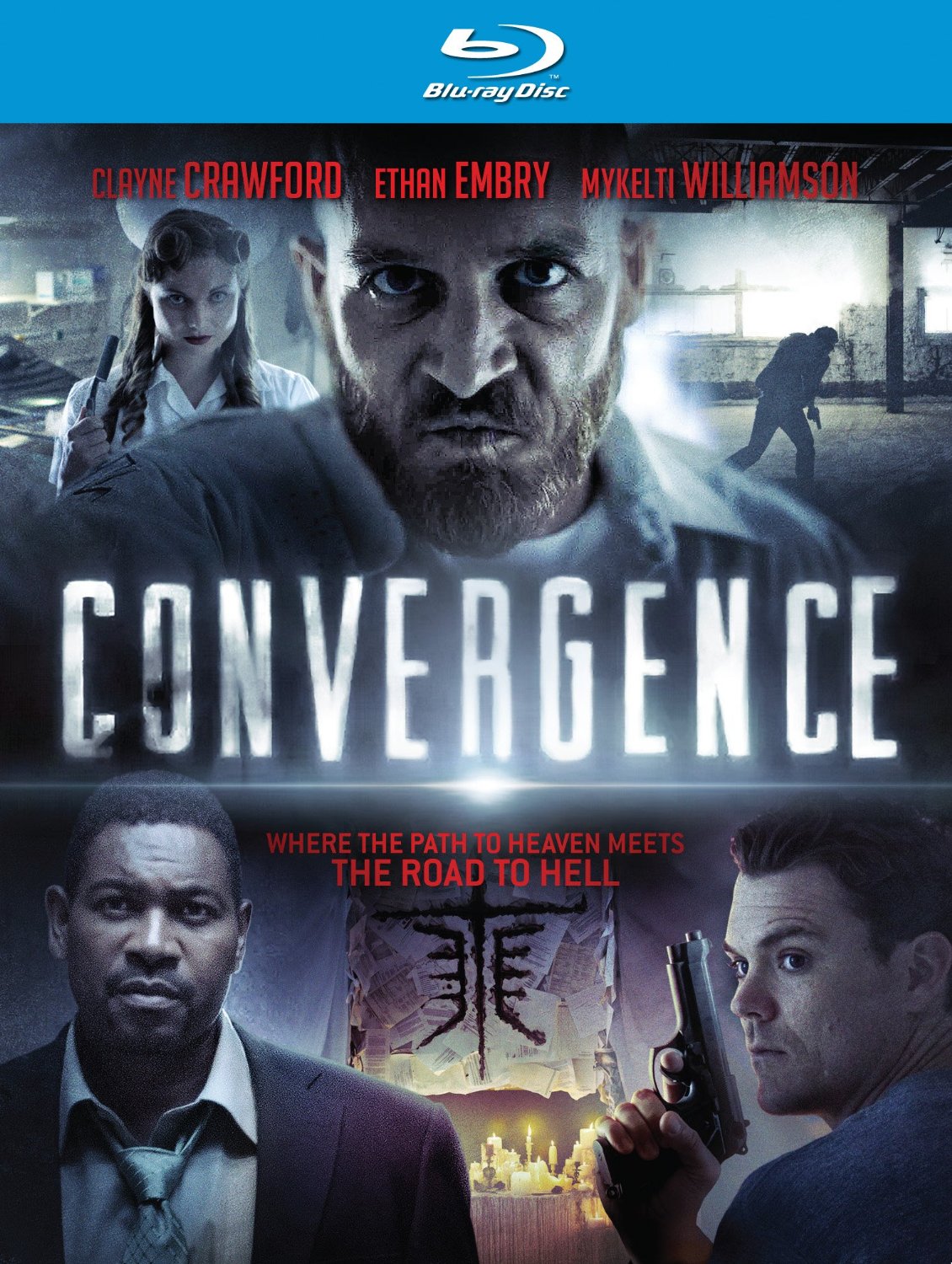
A detective appears to be trapped between heaven and hell in Convergence, which is not all that different from the way I felt watching this supernatural thriller. On one hand, I was impressed by some of the mood and unsettling imagery established by writer/director Drew Hall; the film is mostly set in an abandoned hospital, which inspires even more dread than spending time in a fully functional one. Then again, there are also a lot of nonsense characters and story elements here that don't get a satisfying payoff, making Convergence an occasionally confounding and hellacious slog.

The story opens in 1999 with a series of terrorist bombings targeting clinics in Atlanta. Detective Ben Walls (Clayne Crawford) is supposed to be enjoying a day off with his wife Hannah (Alysia Ochse) and new baby when he is called in by his captain (Mykelti Williamson) to investigate the latest bombing. But faster than Det. Walls can say, “I'm not even supposed to be here today” he and a few others are rocked by the bomber's latest explosion. The next thing Det. Walls knows, he is in an eerily empty hospital. Captain Miller is there too, but he insists that they can't leave.

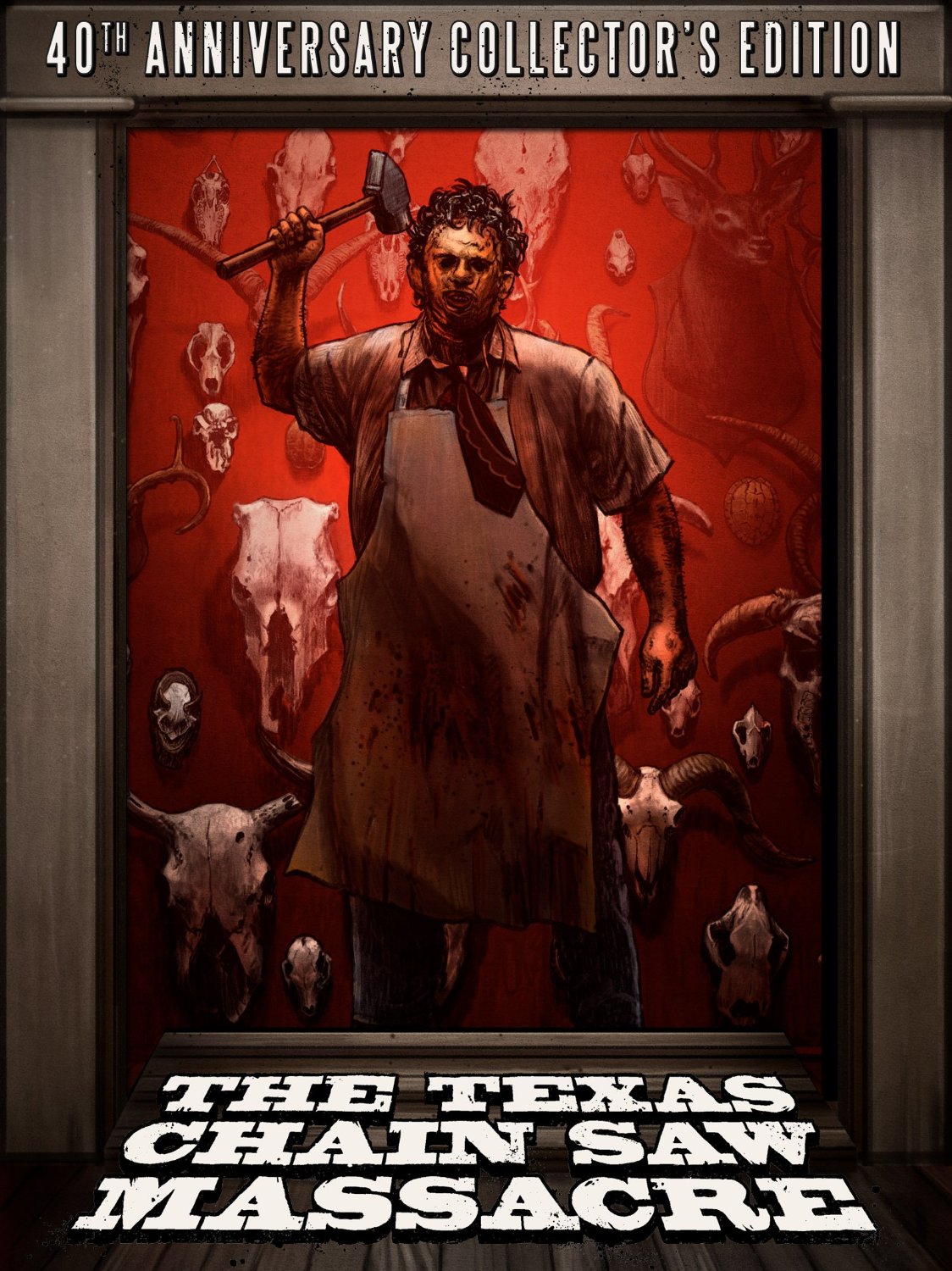
"The film which you are about to see is an account of the tragedy which befell a group of five youths, in particular Sally Hardesty and her invalid brother, Franklin. It is all the more tragic in that they were young. But, had they lived very, very long lives, they could not have expected nor would they have wished to see as much of the mad and macabre as they were to see that day. For them an idyllic summer afternoon drive became a nightmare. The events of that day were to lead to the discovery of one of the most bizarre crimes in the annals of American history, The Texas Chain Saw Massacre."

Marilyn Burns, Paul Partain, Allen Danziger, Teri McMinn, William Vail and Gunnar Hansen individually may not be that well known. Collectively, many people might confuse them with some group of lawyers or something. But film history has afforded them a higher place in memory past their initial endeavors. You see, back during the middle of a particularly oppressive heat wave in 1973 Texas, this group, directed by a then-fledging auteur in Tobe Hooper, combined to make what is widely regarded as one of the best films in horror movie fame, The Texas Chain Saw Massacre.

"As people flocked together for safety, the plague marched through their locked gates and they became death traps. When Washington fell it was over for America as we knew her. As government blew away, our great leaders ran for it, and hope was abandoned."

"The Dead should never be woken."

Of course, we've learned that lesson countless times before. Stephen King might have been our best teacher with his chilling book Pet Sematary along with its not-as-successful films. Who can ever forget Fred Gwynne, beloved Herman Munster himself, uttering the line: "Sometimes dead is better"? We soon learn that while you might be able to return the dead from their graves, what comes back is usually not quite right somehow. In the end, instead of bringing life to the dead, these journeys usually bring a lot of dead to the living.

"My money is on you being brutally killed within two days, but what choice do we have?"