Studio

The sleaze of the grindhouse era inspires a special kind of love. Warped, dubious, indefensible, yet real all the same. Part of that love is a nostalgia from those bad old days. But it takes an even more special brand of that special love to seek to recreate forgotten exploitation genres, and yet that is what we have here: the first Nazisploitation flick in close to thirty years.

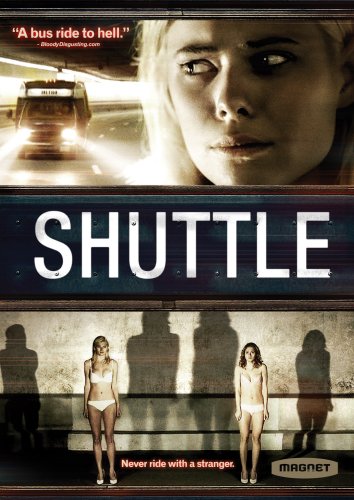
We all knew it had to happen eventually. With the success of the “torture porn” films like the Hostel and Saw series, we had to expect that there would be some lightweight twists and turns on the thriving genre. Shuttle is one of those attempts. It gingerly treads on the now familiar ground of the aforementioned films, but each time it makes the obvious moves in that direction, it pulls back and stalls. Edward Anderson is the writer and director of this mess.

Donkey Punch was partially funded by the British Lottery. That means you might have actually lost twice. Once if you bought a losing ticket, and again if you watched this movie made possible by your gambling itch. Mama always said nothing good comes out of gambling. Turns out she was right. If this is what the British Lottery Authority is doing with the money, you’re better off going to a bookie. At least Mario “The Shark” Cabliario will spend the money on something worthwhile, like women and booze.

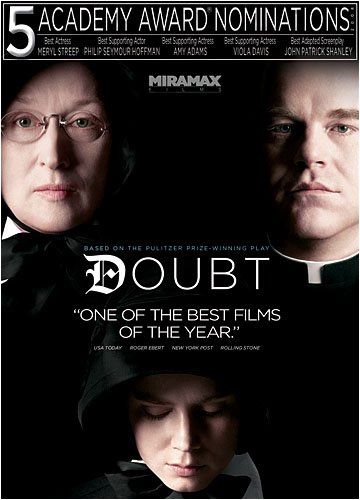
Doubt is a case of art imitating art imitating life. John Patrick Shanley based the character of Sister James on a real sister that he knew as a child. He grew up attending Catholic school, and Sister James was one of the nuns he knew during that experience. While the character was based on something real, the events were not. He took this familiar character and developed the fictional story of Doubt around her. This story became a play. W hen it came to adapting the successful play into a movie, John Patrick Shanley took on the job nearly singlehandedly.

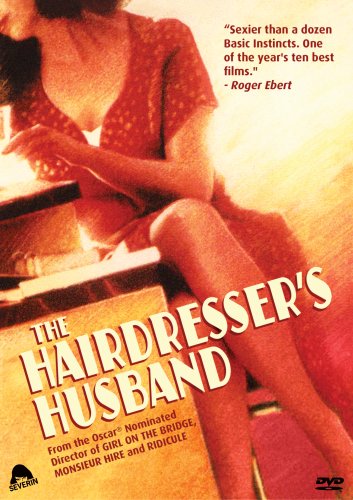
A middle-aged man (Jean Rochefort) recounts his youthful sexual awakening to the charms of the local hairdresser. Developing a fixation on the erotics of a women cutting men's hair, he resolves to marry a hairdresser, and decades later, he gets his wish. His wife is the lovely Anna Galiena, and once wed, they rarely leave her little shop (indeed, they also get married there).

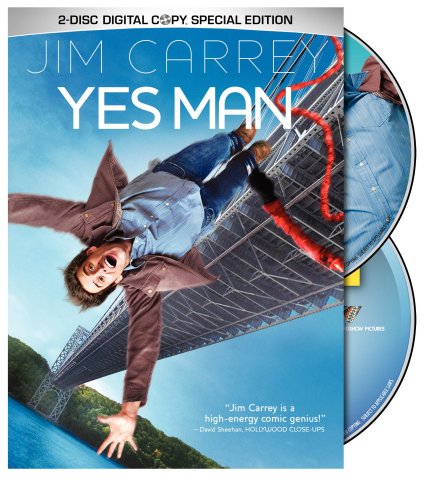
Jim Carrey’s life and career are in a sort of mid-life crisis. He has avoided doing his usual goofball comedy films and opted for more serious roles. His appearance in Number 23 was a bit of a shock for most of us, but he pulled it off reasonably well. Even his more recent comedies have often been less about one crazy character and more about the story elements. It seems that he has decided it was time to return to the parts that made him a household name with Yes Man. But after watching Yes Man,,I have to wonder if maybe that genre has passed him by.

This is the fourth film in the Poison Ivy series and its star power has descended from Drew Barrymore, to Alyssa Milano, to Jaime Presley, and has finally fallen on Degrassi: The Next Generation actress Miriam McDonald; which is sure to fulfill a handful of strange Canuck fantasies.

McDonald plays Daisy, the new girl on campus who is apparently a "tom-girl" because she wears jeans...and is from the country (I guess). It's a fish-out-of-water story to start where she is scoffed at by the cool girls for showing up in a taxi, and gets a meet-cute moment with the richest boy on campus. She turns out to be the biggest prospect in the whole Political Science Department, despite being a freshman, which makes her a target of the "Ivys."


John Patrick Shanley brings his thought provoking play to the big screen in 2008’s best picture, in my book, Doubt. The Academy likely shied away from the controversial content, likely because it doesn’t make it clear this priest must have done what he’s accused of doing. Many of the actors received deserved nominations, but the film was generally snubbed in the final verdict. While I enjoyed Slumdog Millionaire, for Doubt to not even get the Best Picture nomination is a crime.

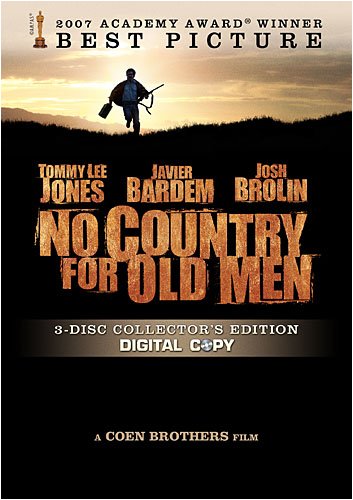
“Some of the old time sheriffs never even wore a gun. Most folks find that hard to believe. Jim Scarborough never carried one, that’s the younger Jim. Gaston Boykins wouldn’t wear one up in Comanche County. I always liked to hear about the old timers. Never missed a chance to do so. You can’t help but compare yourself against old timers. Can’t help but wonder how they would have operated in these times.”

I know I’m getting old myself when a film set in the 1980’s is now considered a period piece. And No Country For Old Men is about as much of a period piece as anything else.

It’s official. I’ve just totally given up on Adam Sandler. Honestly, I haven’t laughed at anything he’s done since the music video for The Lonesome Kicker. How many times can the same absurdity and Romper Room antics work on a film audience? Even in a Walt Disney film that required Sandler to clean up his act a bit, the same sophomoric humor was showing through the threadbare shtick. You just knew there were times he wanted to let loose with some off color remark or obscene gesture. While I was pleased that he gave it the effort, it’s like asking a mute man to talk after you just tied up his hands.