Warner Bros.

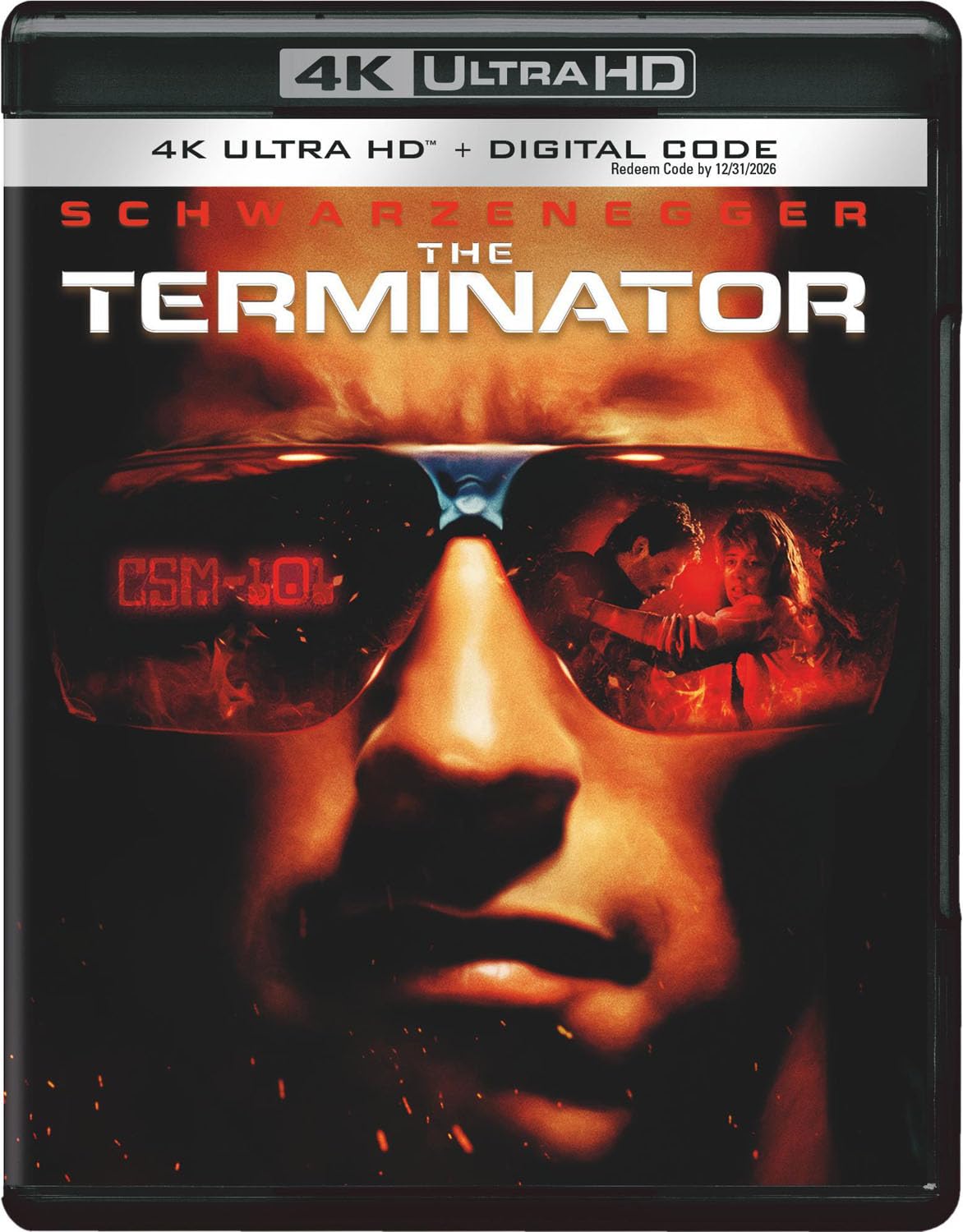
"The machines rose from the ashes of a nuclear fire. Their war to exterminate mankind had raged for decades, but the final battle would not be fought in the future. It would be fought here in our present ... tonight."

The idea for The Terminator came to James Cameron in a feverish dream as he was struggling and about to get fired from Piranha II: The Spawning. He was overworked and stressed and ended up in bed. He immediately wrote a treatment with then-wife Gale Ann Hurd, and they approached Arnold Schwarzenegger quickly to make sure they retained control over the property. Eventually he lost it anyway, and that's why so many franchise films that were out of his control.

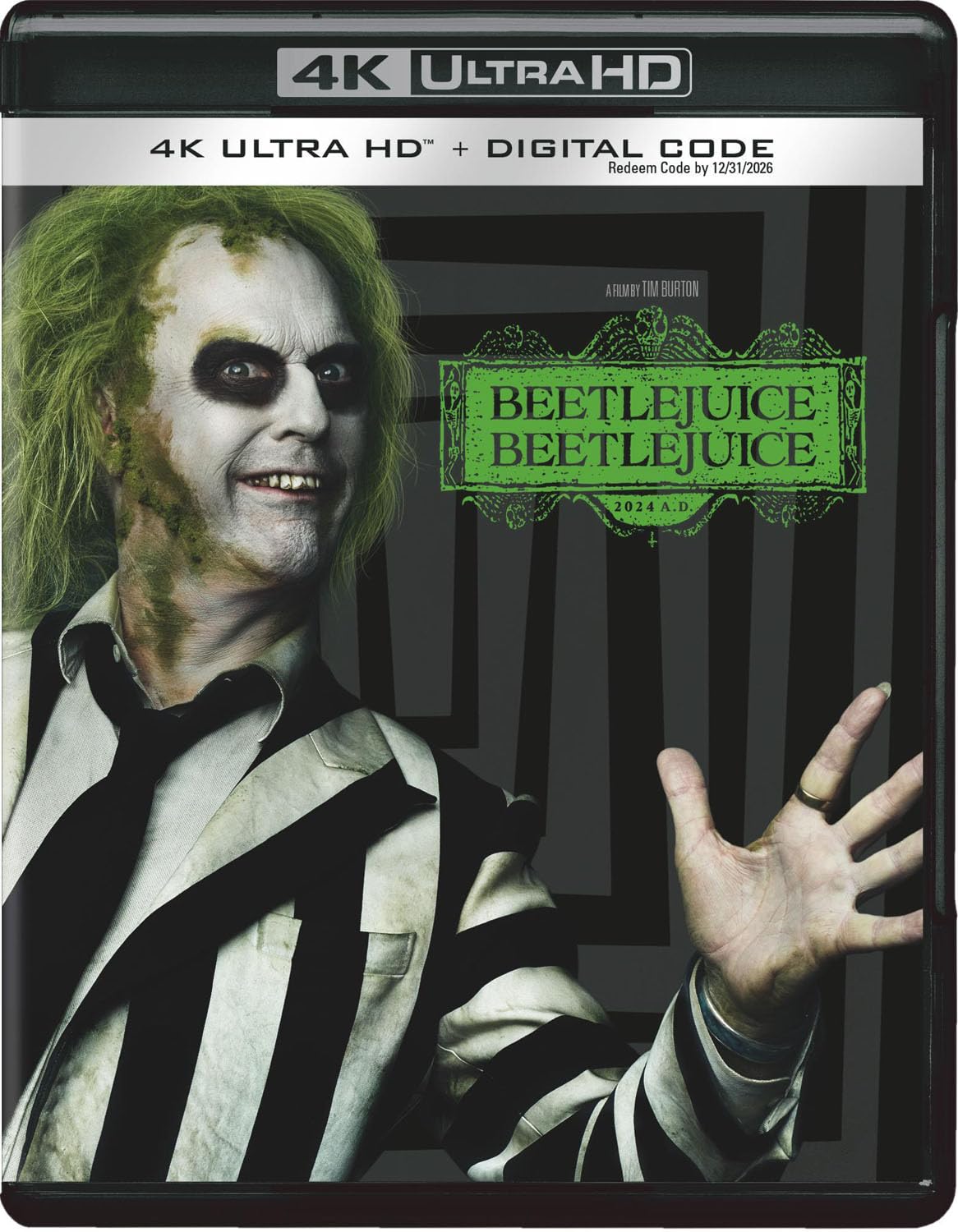
“The juice is loose.”

Michael Keaton is on quite the reunion tour of reprising his old roles, and for most actors, stepping back into the role isn’t always easy. However, for Keaton, it is as if no time has passed whatsoever. Over thirty years since portraying this iconic role, Keaton returns as Beetlejuice, the trickster spirit who attempted to manipulate a marriage to Winona Ryder’s Lydia Deetz in order to gain a permanent foothold in the living world. Keaton isn’t the only one who returns in this well-done addition to the ongoing trend of continuation series; Ryder returns as Lydia Deetz, Catherine O’Hara is back as Delia Deetz, Lydia’s stepmom, and most notably Tim Burton is back in the director’s seat for the sequel. Burton’s return is most pivotal addition in my opinion, as the first film was full of his unique style that would be impossible for another director to emulate. Also joining the franchise are Justin Theroux, Monica Bellucci, Danny DeVito, albeit too briefly, and most appreciatively, Jenna Ortega, who previously and actively collaborates with Burton on the Netflix Series Wednesday, whose upcoming season I am anxiously awaiting.

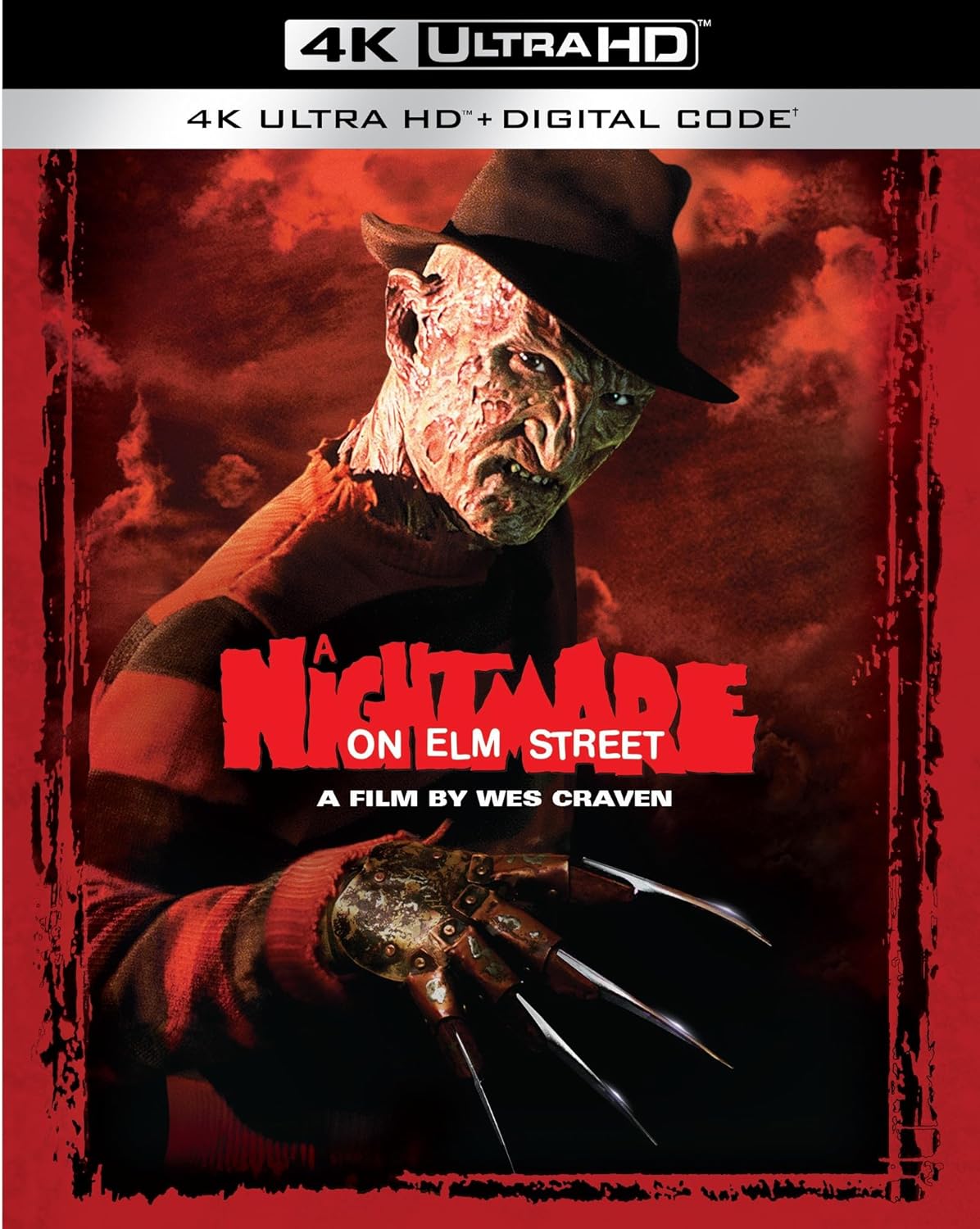
"One … two… Freddy’s coming for you, three… four… better lock the door, five… six… grab your crucifix..."

Freddy might have been born in the mind of Wes Craven, but he grew and developed in the knife-wielding hands of Robert Englund. Granted, not all of these films are equal in quality, but the first was everything you could ask for in a horror/slasher film of the era. Freddy himself is by far the most colorful and animated of the slashers. His burned face, fedora, striped sweater, and knife-blade glove were all integral parts of the wise-cracking maniac. You know the story already, so I'll stick the main idea. Freddy was a child molester and killer before the parents of Elm Street decided to burn him to the ground in a boiler room. Good homestyle justice goes wrong when Freddy reappears in the nightmares of the children of Elm Street. He has become a demon of sleep where he is able to manipulate the world into the most terrifying images possible for his victims trapped by their own slumber.

“You got everything money can buy, except what it can’t. It’s pride. Pride is what got you here. Losing is what brung you back. But people like you, they need to be tested. They need a challenge.”

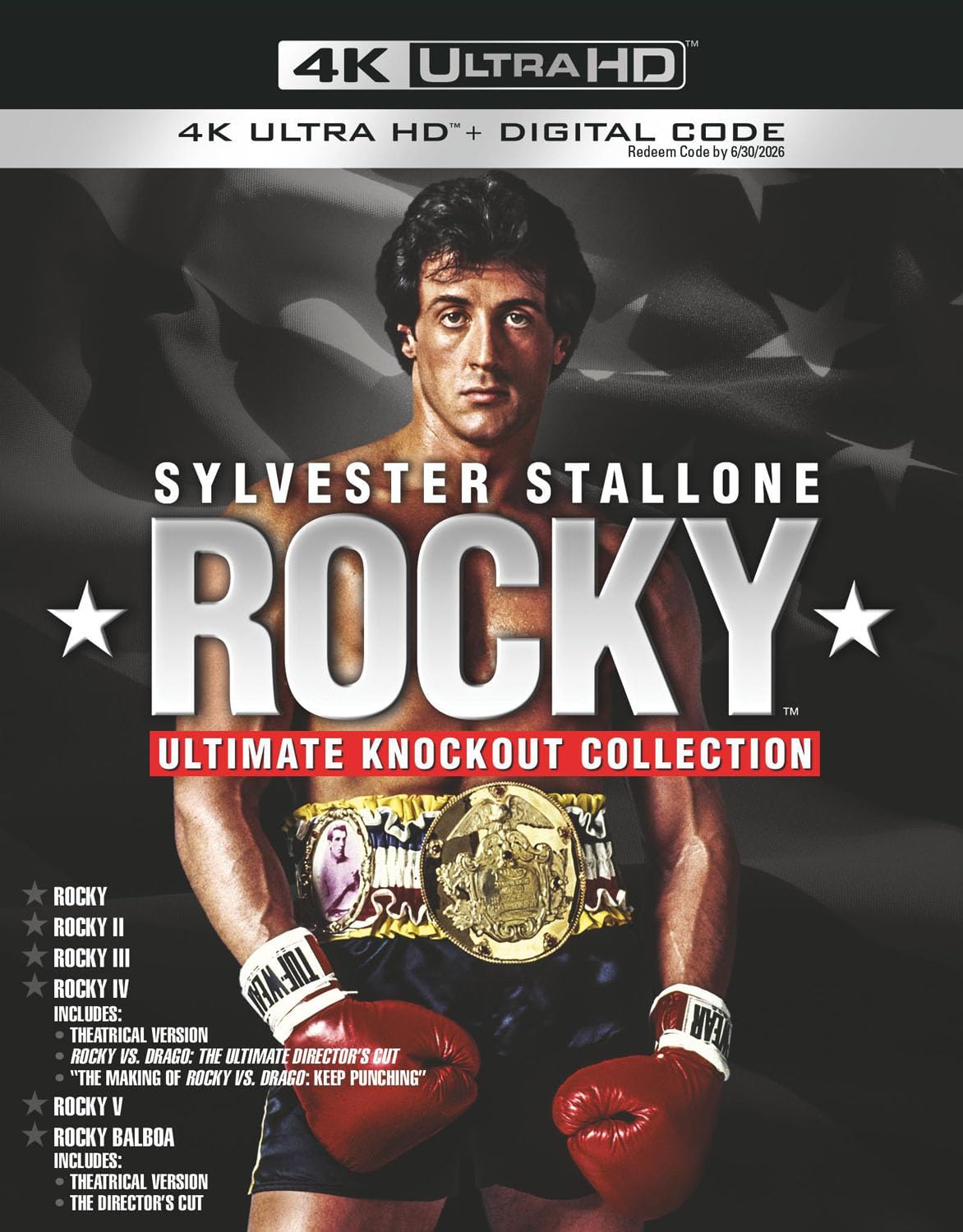
There have been a ton of boxing films. They’ve been popular going back to the silent era. Most of them have many of the same themes. But there was always something about Rocky that stood out above all of the rest. That “something” can’t really be described or defined. As the Supreme Court once said about the definition of obscenity: “I can’t define it, but I know it when I see it.” That’s all you can say about Rocky. Some might call it heart. That’s about as good a word for it as anything else. Rocky himself would call it “stuff in the basement”. It almost demeans it to put a word on it at all. Whatever you call it, you don’t necessarily see it in Rocky … you feel it.

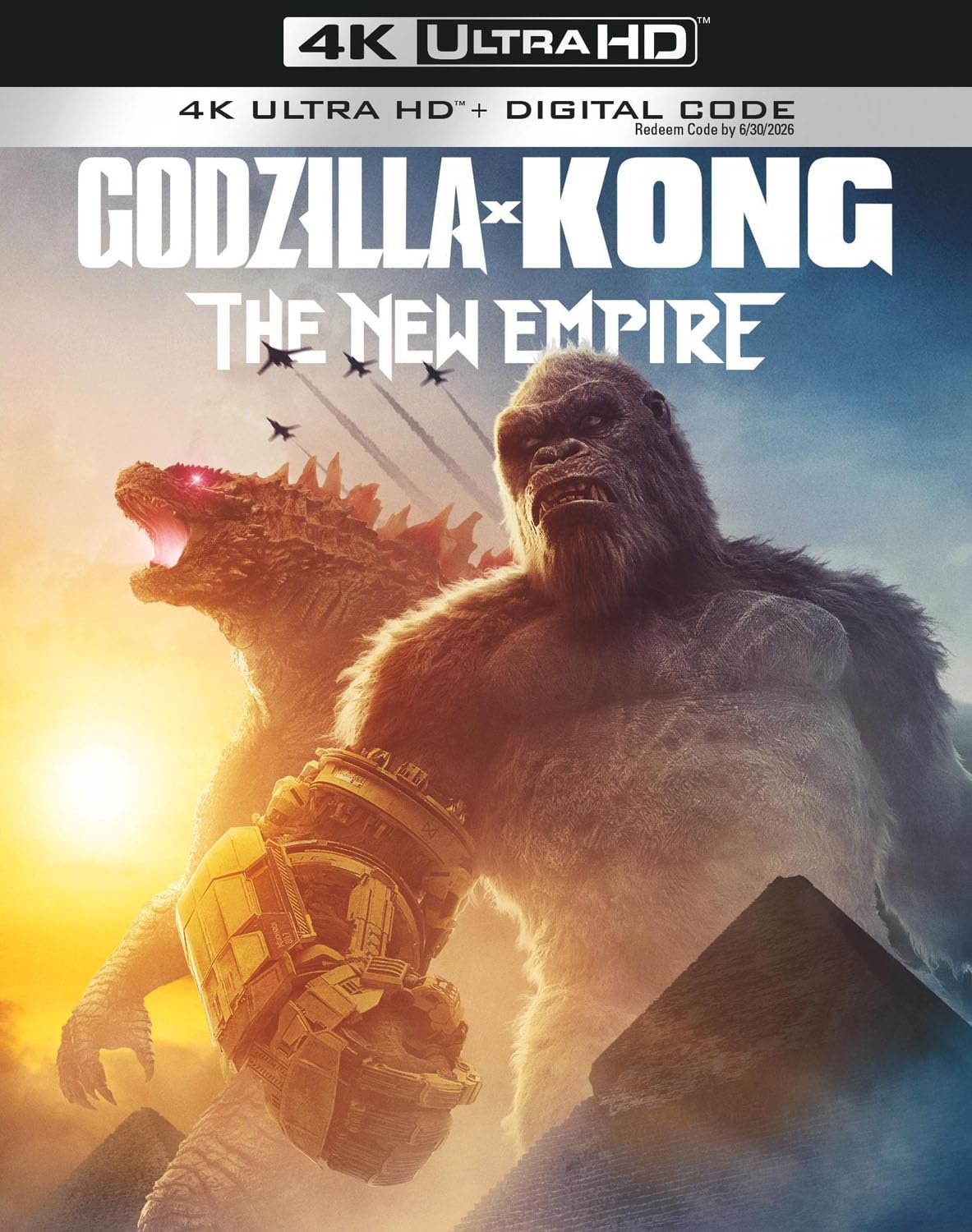
"For most of human civilization, we believed that we were Earth's most dominant species. We believed that life could only exist on the surface of the planet. Well, after a certain point of view, you have to wonder what else we were wrong about. In the beginning, Hollow Earth lived in harmony with the surface world. The Titans were the guardians of nature, and the Great Apes became the protectors of humanity. But a great evil threatened the peace. A powerful and ruthless ape desperate to conquer the surface world led his tribe into war against the one they call the Monster Who Ate a Star. The war with the Apes nearly destroyed Godzilla. But after a great battle, he imprisoned the apes in a fiery realm of Hollow Earth. Their false king remains obsessed with reaching the surface. The Iwi call him the Skar King."

That in a nutshell is the plot of the latest Monsterverse film from Legacy and Warner Brothers. It's called Godzilla X Kong: The New Empire, and we're told the X is silent. And here I thought it was some kind of a multiplier.

"Consider what you are about to do."

I first read Frank Herbert's initial Dune book back in the mid 1970's. I was introduced to one of the most complicated and extraordinary universes of literature I have still ever encountered. It's a masterpiece followed by several more books over the years that have more completely brought this world to life. The material's cinematic journey has been somewhat less captivating and quite a disappointment. The 1984 David Lynch film was a train wreck and quite possibly one of the greatest film failures in history. Since then a lot has changed. Today computer-generated images have progressed to the point that with enough money and artistic expertise a filmmaker can depict anything the mind can conceive. Images have become photorealistic, and the worlds of Herbert's Dune universe can finally be brought to the silver screen with almost no limitations. But is that enough? In 2021 Denis Villeneuve gave us the first film in an expected trilogy. Would he be able to capture literature lightning in a bottle in the same way Peter Jackson brought to life the Middle Earth worlds of Tolkien? It was a bit of a strange time. The world was hit with a pandemic that brought our lives to a standstill, and people were finally looking to be coaxed back into the multiplexes ... and they came. Dune delivered an exciting new experience, but it wasn't quite up to par in my book. The film was far too involved in exposition. The characters talked a lot more than they did ... anything. So I was a bit unimpressed even in the face of the technological marvel that the film certainly was. Now it's Part Two, and the chances of the trilogy getting a conclusion depends heavily on what happens here. So what does happen here?

"The thing that haunts me are all the guys that I couldn't save."

I have to admit I was a little skeptical that Clint Eastwood followed up his directing stint on Jersey Boys as quickly as he did to shoot American Sniper. The former was far from one of his better efforts, and he looked increasingly out of his element by the time it was said and done. He jumped into his preparation for American Sniper almost immediately, and the results could have been ... underwhelming. Instead Eastwood hit his target with the kind of profound impact I don't think I've seen from him since Unforgiven. Unforgiven won a Best Picture award, and deservedly so. American Sniper was nominated, although Eastwood himself was snubbed in the director category. It didn't win, of course, but this is one that most certainly deserves your attention.

As is sometimes the case when you write a review, one does not have the fortune of doing everything in its exact order.  I was extremely excited when I found out I was reviewing the second part of Justice League: Crisis on Infinite Earth.  4K steelbooks are pretty hard to come by for review copies, and I was quite elated.  One little problem: I had not been able to watch the first part of this planned trilogy.  As I racked my brain and started to flip through some streaming channels, I was very fortunate to come upon HBO Max, which had placed the first part on their service only a few days ago.  Sometimes, it pays to be lucky more so than good.  Let's take a look at the second part and see if it can start to answer the questions left behind from the first.

Note: Since I found myself in the predicament of scrounging around to watch the first part of this trilogy (due to the short time between releases), there is the off chance that a few people who have not watched the first part might want to read the review of the second.  Therefore, I will focus solely on the second part.  Some minor spoilers will probably find their way into the review, but they will be far less numerous than in typical multi-part stories.  

"The honeybee has always had a special relationship with humanity. A sacred relationship. Why? No bees, no agriculture. No agriculture, no civilization. Our nation is not unlike a beehive, with its complex systems of workers, caretakers, even royalty. If any of the beehive's complex mechanisms are compromised, the hive collapses. Someone, a long time ago, decided that a mechanism was needed to keep our nation safe -- a mechanism outside the chain of command, outside the system. It's one mission -- to keep the system safe. Beekeepers are given all resources, empowered to act on their own judgment. For decades, they have quietly worked to keep the hive safe. That is, until now. It appears that a retired Beekeeper has gone off program, and is acting in what he mistakenly believes is the hive's best interest."

On its surface, The Beekeeper seems to be another mindless action film featuring a retired assassin or skilled operator forced out of retirement to right an injustice. Granted, those themes are central to the overall story; however, in my opinion, the film embraces those themes and provides a measure of excitement and substance to a premise that could have easily become basic. For me, I’d put the film up there with another one of my favorite Jason Statham movies, Homefront. And yes, it is not lost on me that both films feature a retired character who is forced to come out of retirement and take action. For me, in both films Statham’s characters have intrigue. Specifically in The Beekeeper, Statham’s character background is merely hinted at. We know that he was an elite operative. We know his organization operated independently and with a measure of impunity. Beyond that, not much is known about the group. It is left open for interpretation. It also doesn’t hurt that the cast also includes the likes of Jeremy Irons, Josh Hutcherson, Emmy Raver-Lampman, and Phylicia Rashad.

by Joshua Nuances

"I don't want to be a product of my environment. I want my environment to be a product of me. Years ago we had the church. That was only a way of saying - we had each other. The Knights of Columbus were real head-breakers; true guineas. They took over their piece of the city. Twenty years after an Irishman couldn't get a f$#@&% job, we had the presidency. May he rest in peace. If I got one thing against the black chappies, it's this - no one gives it to you. You have to take it."