AVC MPEG4

"Fairlake, West Virginia, established in 1814. The entire population disappeared in 1817. To this day nobody knows what happened to them."

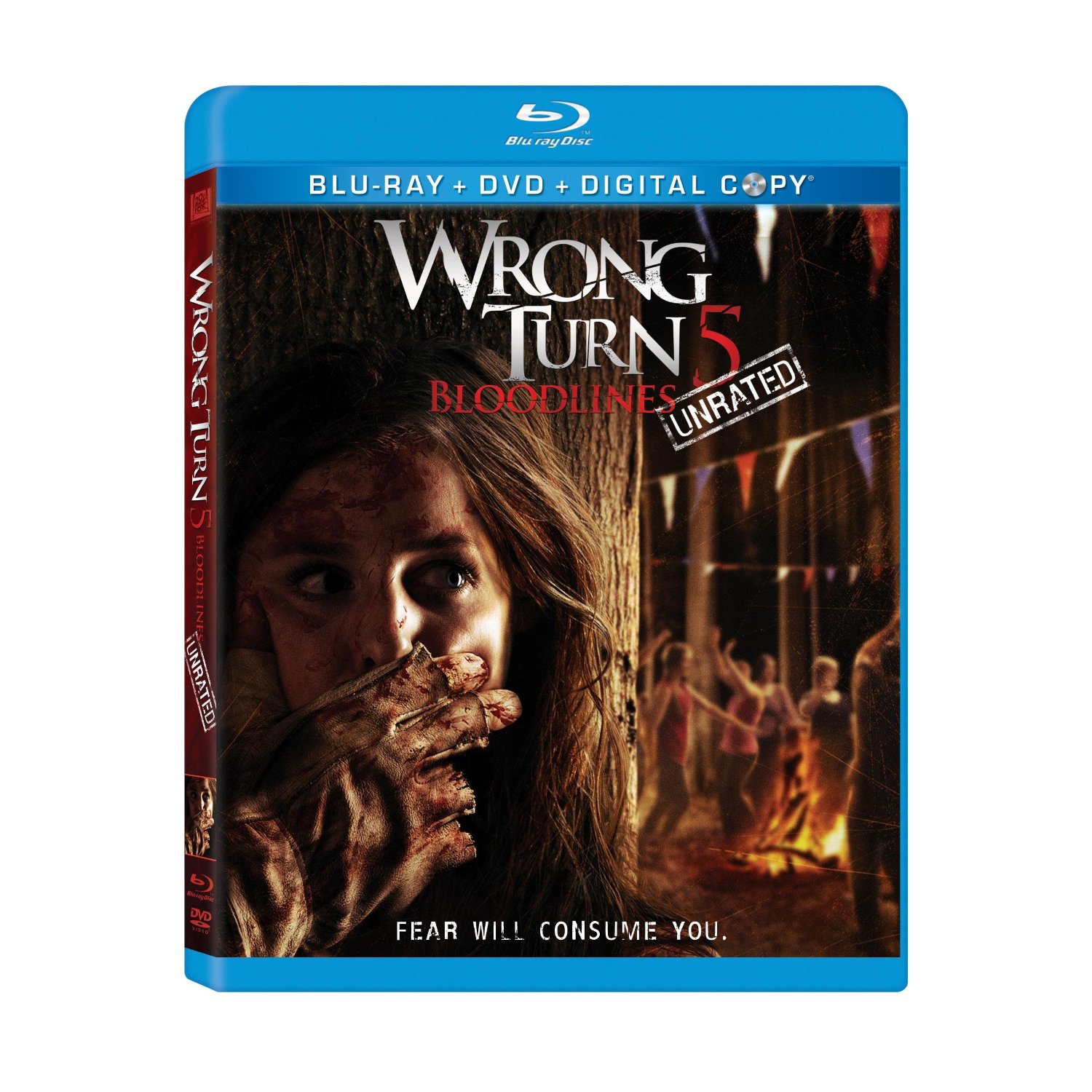
I know what you're thinking. When I look at a direct-to-video horror series and see a number 5 next to the name, it's usually time to roll my eyes and reluctantly place the disc in my Blu-ray player so that I can warn you guys just how bad it really is. But we're not talking about just any horror title. We're talking about the Wrong Turn franchise, which has actually gotten better since it went into sequel-hell. We're also talking about a director in Declan O'Brien who knows that his job isn't to create the next museum piece of art. He doesn't care one bit if he's inspired conversations about form and style. He's a horror film fan himself who has only one goal in mind each time he takes over a project: let me entertain you. And as hard as you might not want to believe it, Wrong Turn 5 does just that. You will be entertained.

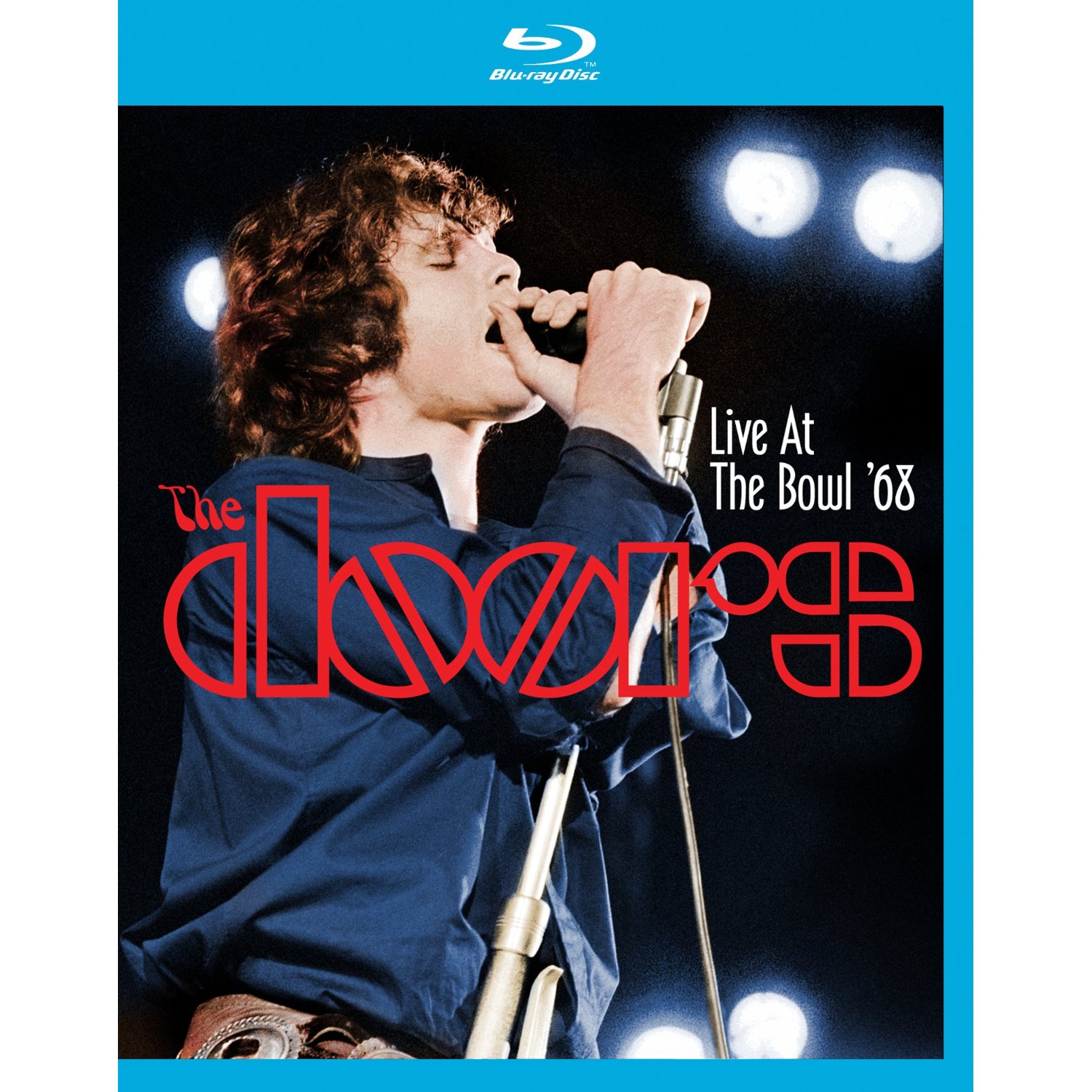
Whether you’re into their music or not, The Doors: Live at the Bowl ’68 gives fans a chance to see a band (and a rock icon) at the height of their powers. Admittedly, The Doors didn’t have the longest shelf life — the band was formed in 1965, released their self-titled debut album in 1967, and frontman Jim Morrison was found dead in a Paris apartment in 1971 — but their impact can be felt to this day. Of course, when I say the band was at the height of their powers, you should understand that means there’s a pretty good chance Morrison was on acid.

That’s not irresponsible guesswork on my part; drummer John Densmore makes the claim himself in one of the behind-the-scenes documentaries on this disc. (For what it’s worth, keyboardist Ray Manzarek and guitarist Robby Krieger pass up the chance to confirm Densmore’s statement.)

"Somewhere in the valley, there is a woman living in a basement. She's actually amassing followers. These people believe that she will actually lead them to salvation, or whatever. And yes, she's dangerous - but we have to see this thing through. All the way."

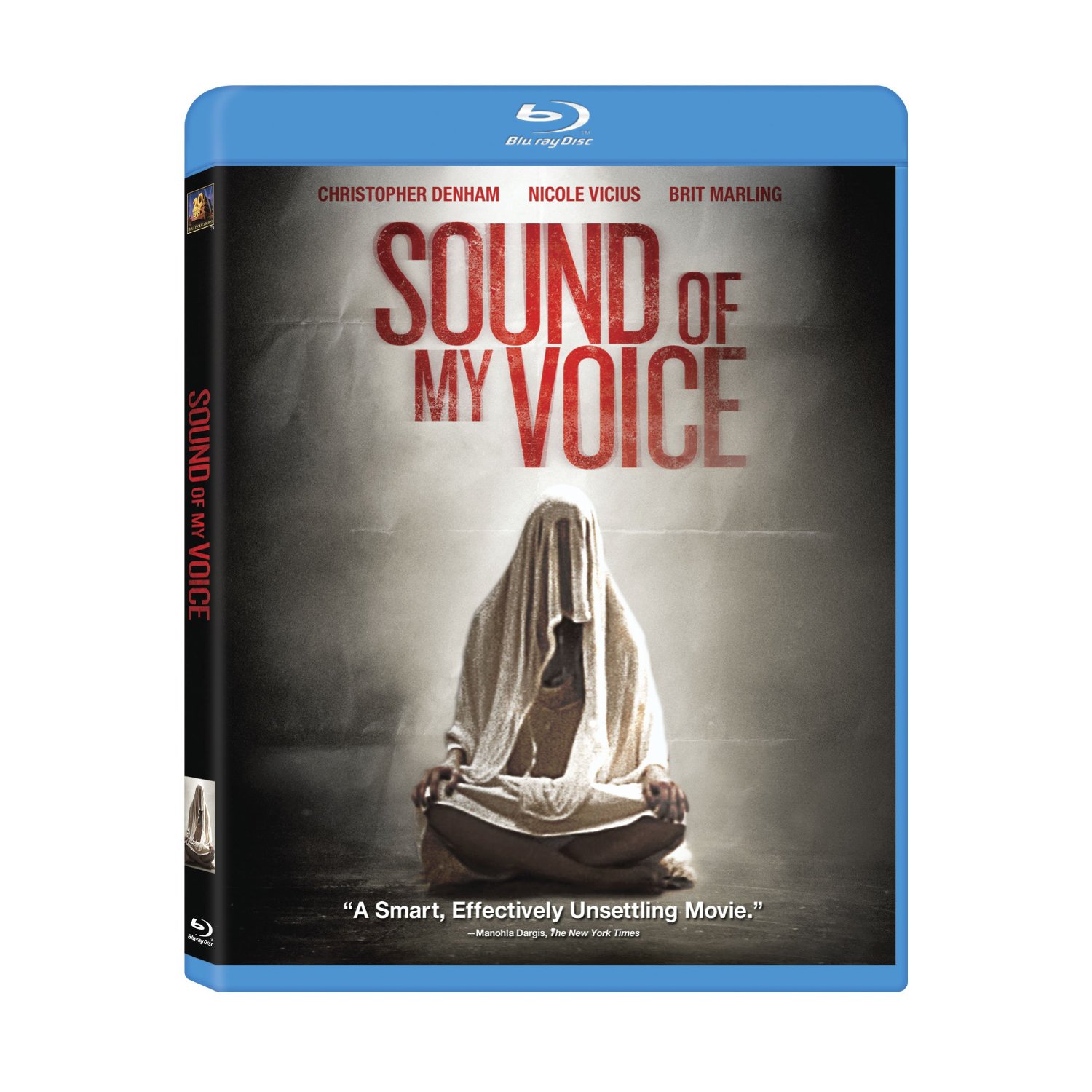
When The Sound Of My Voice opens you really don't know what to expect. We watch a group of people acting almost as though they have been taken hostage. They are given drab clothes to wear and ordered to clean themselves very thoroughly. They are then bound and hooded and placed into a van for transport to where? Soon we discover that these people have not been abducted at all. They have done these things willingly so that they may be brought into the presence of Maggie (Marling) who claims to be from the year 2054. Her disciples gather around her in a circle as she delivers her enigmatic teachings. Then again, perhaps they are captives after all, but not in the manner you might expect. They are obviously captivated by Maggie's personality, and we soon discover that they fear banishment from her side more than anything else. They are there for enlightenment, of sorts. The earlier routine has been put in place because Maggie is apparently allergic to our time and is dying. She must maintain a germ-free environment at all costs. She's more than a religious leader. She's a martyr who just hasn't died yet. Yet her subjects would gladly die for her.

“I think we all knew it was good. But it was only when we started getting hits, which is sort of a rare thing in my life, that you start thinking, 'Maybe we’re gonna sell something here.'”

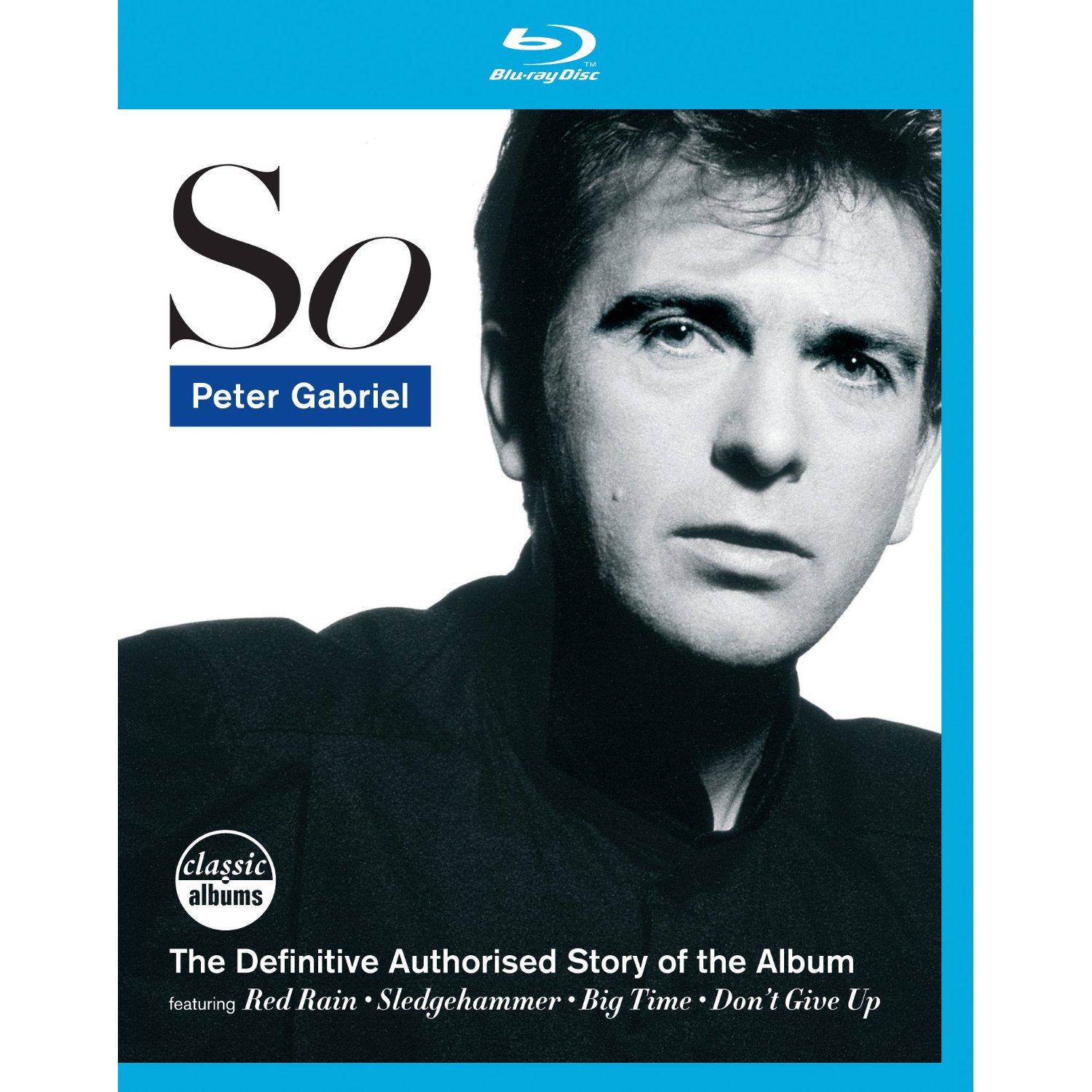
Peter Gabriel was one of the founding members of late ‘60s prog rock pioneers Genesis and released four untitled/self-titled solo albums in the late 1970s and early ‘80s, which spawned hits like “Solsbury Hill” and “Shock the Monkey.” But it wasn’t until 1986 that the British rocker enjoyed the greatest success of his career.

The best thing about Gone in 60 Seconds is that the film knows exactly what it is. Just take a look at the breathless blurbs on the Blu-ray case for the latest release. “Over 500 crashes!” “93 cars wrecked in the 40-minute car chase!” No one involved with this movie thought they were making an intimate character piece. I mean the top-billed star is “Eleanor.” Did I mention that Eleanor is a 1973 Ford Mustang?

The plot is little more than a necessary nuisance before the movie’s show-stopping climax, but here we go anyway. Maindrian Pace (what a name!) is an insurance investigator who moonlights as the leader of a car thieving ring. Since Pace is the hero of our story, he only steals cars from people who are insured and subsequently compensated for the trouble he’s caused them.

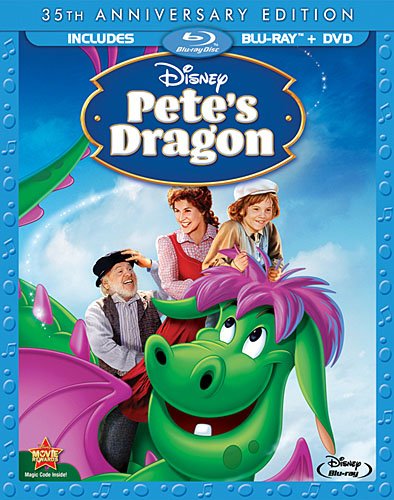
“A dragon. A dragon. You bet we saw a dragon. So big and brave he came to save a village in distress. He kept the ship from crashing when he heard the SOS. He faced a group of villains and he fought them with success…”

When Walt Disney Studios released Mary Poppins, the entertainment world was turned on its ears. The integration of live action footage with animation had never been done with such success before. The studio that nearly singlehandedly perfected modern methods of animation was also the studio that learned how to combine it almost seamlessly with real breathing actors. With the release of Pete’s Dragon many years later, audiences couldn’t wait for a peek at how far Disney had perfected the process in those years. While as children we got a big kick out of Pete’s Dragon, anyone looking for the latest in integration technology was in for a dragon-sized disappointment. The creature effects bore no resemblance whatsoever to that earlier technique. The animation itself was crude, by Disney standards at least, and never, not for a second, appeared as if it existed in the same place as the rest of the film. The beast’s green color would fluctuate in hue as well as brightness. There were many obvious mismatches where the two media connected. Even many of the actors’ sightlines were far off the mark. Walt Disney Studios took several steps backwards with the 1977 release of Pete’s Dragon.

Dr. Temperance Brennan, or Bones (Deschanel) is the world's leading bone specialist. She works in Washington, D.C. for the famous Jeffersonian (I assume it's intended to be the Smithsonian). Her talents have proven themselves very helpful in solving crimes where skeletal remains are all that there is to go on from the victim. Her FBI agent/liaison is Seeley Booth (Boreanaz). Together they have an uneasy relationship that grows into a kind of friendship. The problem is that Bones doesn't have a ton of social skills. She relies on Booth to guide their social interactions. More on that later. The lab is run by Dr. Camille Saroyan (Taylor) who has become a bit of a guiding mother to the team. Dr. Hodges (Thyne) is the trace-elements expert and tries very hard to be cool and hip. He's generally the opposite of Bones. He says pretty much what comes into his head and is a bit of a science-fiction geek. Angela (Conlin) is an artist who uses her skills to reconstruct facial details from the skulls. She also works on enhancing images and restructuring evidence. She's a bit of a romantic and has probably slept with every male in the lab. But Angela and Hodges are now married with a son. Dr. Sweets (Daley) is a young FBI agent and psychologist. He profiles victims and suspects as well as serves as a counselor to the team. He's a bit over-eager at times, looking up to Booth as a mentor of sorts. The lab also has a few interns who show up from week to week, likely depending on actor availability.

The problems I have with the show deal mostly with character development. None of these characters have grown much in six years. I jumped from season 1 to season 5, and with the exception of some changes in cast, it was like I never left. The characters spend way too much time talking about their sexual prowess, with more than one character making multiple references to how exceptional they are in bed. The relationships too often take as much time as the cases themselves. This shorts the plot development and often leads the show toward the obvious. And the worst problem is the Bones character herself. She's not likeable at all. She's arrogant to a fault. She always talks about being the best and how she's the natural hero role model for others. But her scientific brain is to the point of cruelty. She has to have non-emotional explanations for everything. She insults with impunity. They also stretch the idea that this highly educated woman doesn't know any slang or figures of speech. She's always misquoting a popular saying as if she were just learning English. It's too contrived, and the writers reach pretty far for each of those "jokes". Gone now is the sexual tension between Booth and Brennan. Now they are openly together and expecting a little one.


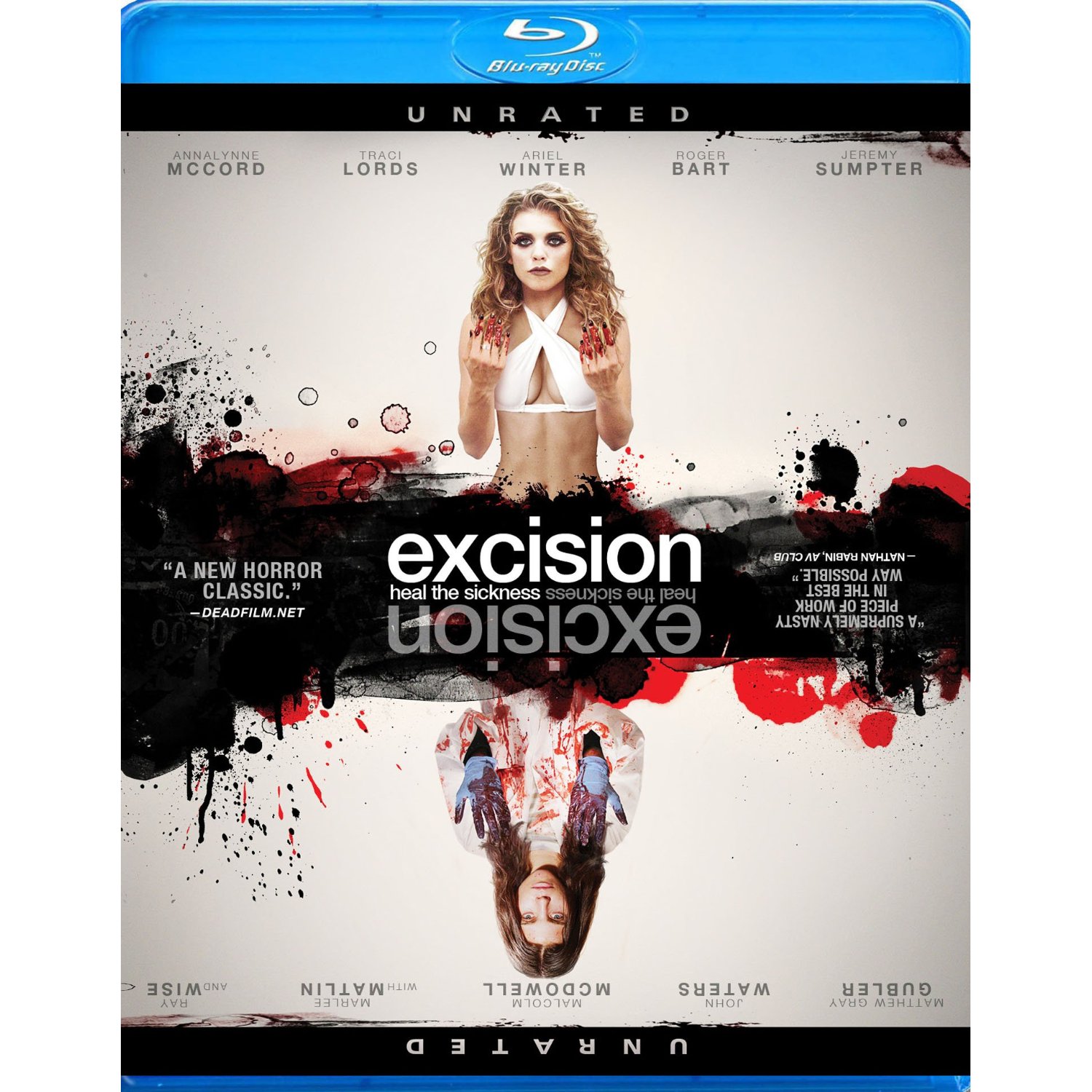
"Long story short, I want to reshape my navel, and allowance won't cover it."

Long story short is precisely the words I would use to describe Excision. You see, it started out as a short subject film and writer/director Richard Bates, Jr. decided to make it his first feature film. That was his first mistake. While I have never seen the short film that inspired this feature, I get the strong feeling that this was better served in that format.

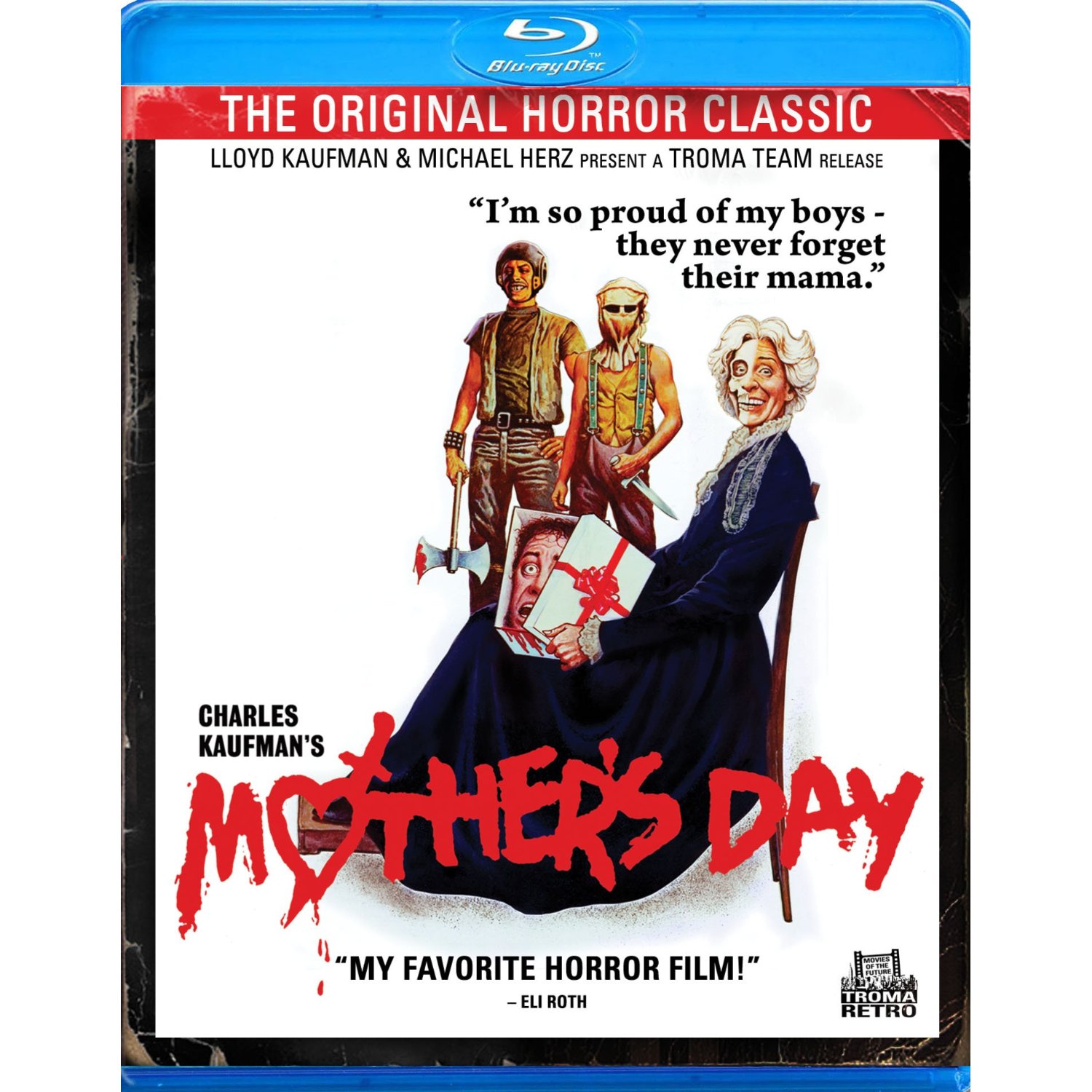
"I'm so proud of my boys. They never forget their Momma."

What did you do for your mother the last Mother's Day? Did you buy her some flowers and candy? Perhaps you took her out for a little adventure. You might have even cooked her a special meal. If you're like Ike (Coffin) and his brothers, you treat your mom to a show. You torture, rape, and kill a few women who happen to find themselves in the woods. Good times, right?

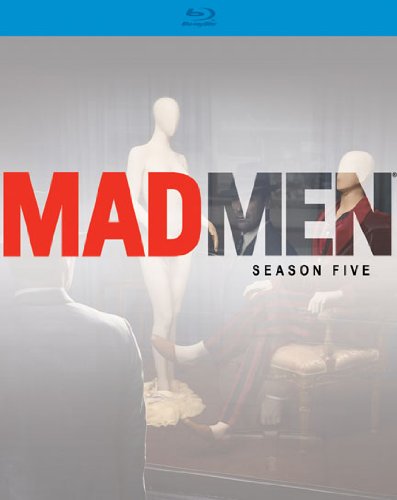
“When is everything gonna get back to normal?”

Is a happy, well-adjusted Don Draper a good thing? That’s one of the biggest questions posed during Mad Men’s excellent fifth season, and it’s aimed at the other characters in the show as well as a passionate TV audience that has become seriously invested in Jon Hamm’s suave antihero.