1.20:1

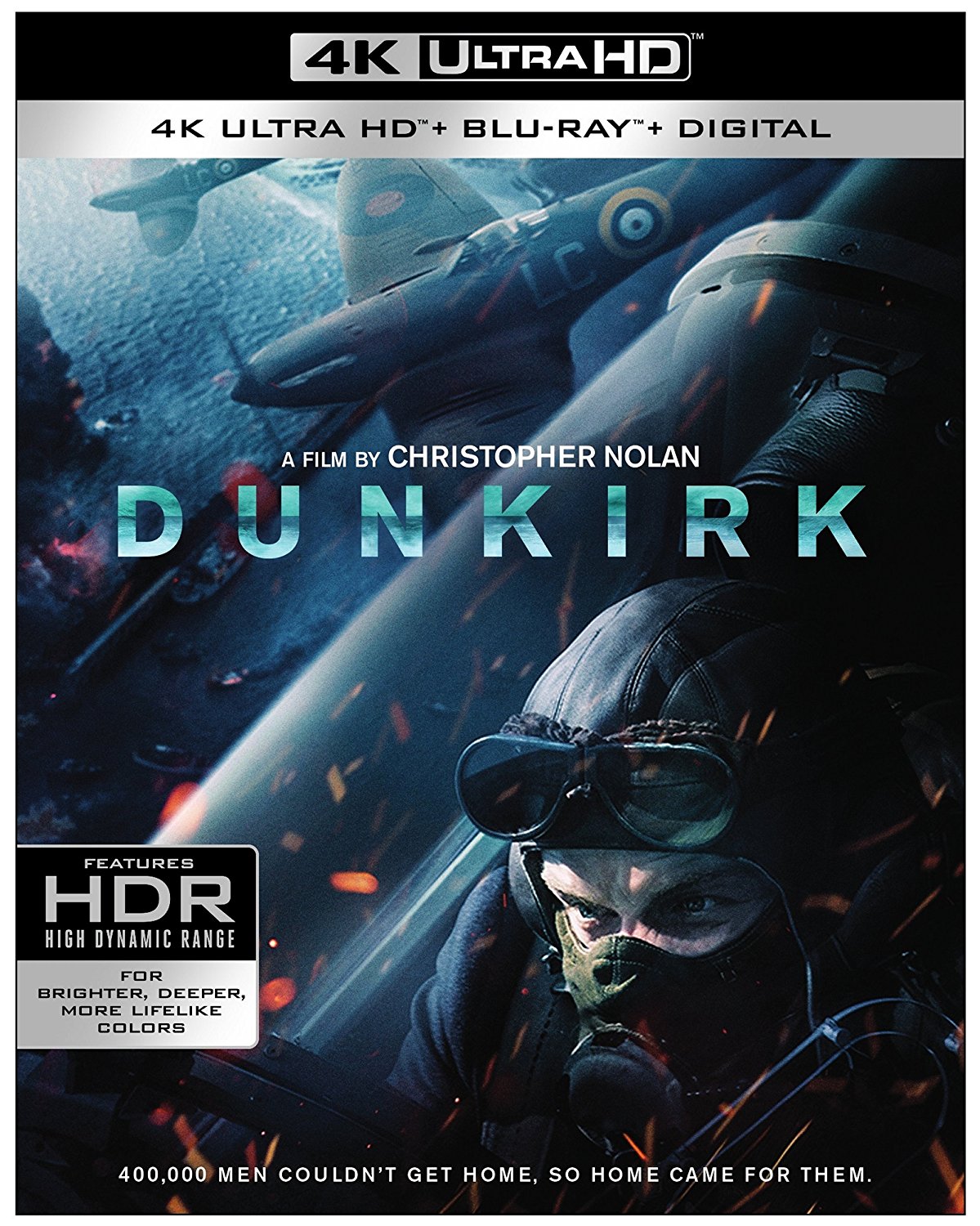
When Christopher Nolan has a new release, it’s an event to get excited about. There are few directors I can say this about. Sure, there are directors that I like, but still there are few who manage to capture what makes going to the cinema an experience. Dunkirk is his latest cinematic opus. Despite it being his shortest film, with the exception of The Following, this is the first time he has shot a film almost entirely in IMAX form. What’s the big deal? Well, aside from the picture being twice the size of the regular format, what he does with these cameras is deliver a beautifully striking picture of destruction and survival.  There’s a lot of buzz going around with this film, and already it’s being looked at as the first real Oscar contender of the year.  Is the film worth the hype?  Is it really Nolan’s best picture?

Christopher Nolan is widely known for his Dark Knight Trilogy, as well as Inception and Interstellar.  While I’m a fan of these films, it’s his film Memento that has always stuck with me as his most inspired work, a film that plays with a timeline to serve the overall experience of the film.  Dunkirk is yet another film that unfolds over the course of three timelines to tell its story of heroism and survival. While I appreciate Nolan’s attempt to be innovative with this storytelling technique, it’s definitely something I feel harms the overall film, because as the film unfolds we jump from one scene in the afternoon to another scene at night, and the sequences are edited to in such a way that tonally they coincide, but visually it’s jarring.  But still that’s not the greatest fault I find in the film; instead, it’s that I feel we are missing the entire first act of the film.

This song of the Man and his Wife is of no place; you might hear it anywhere at any time.”

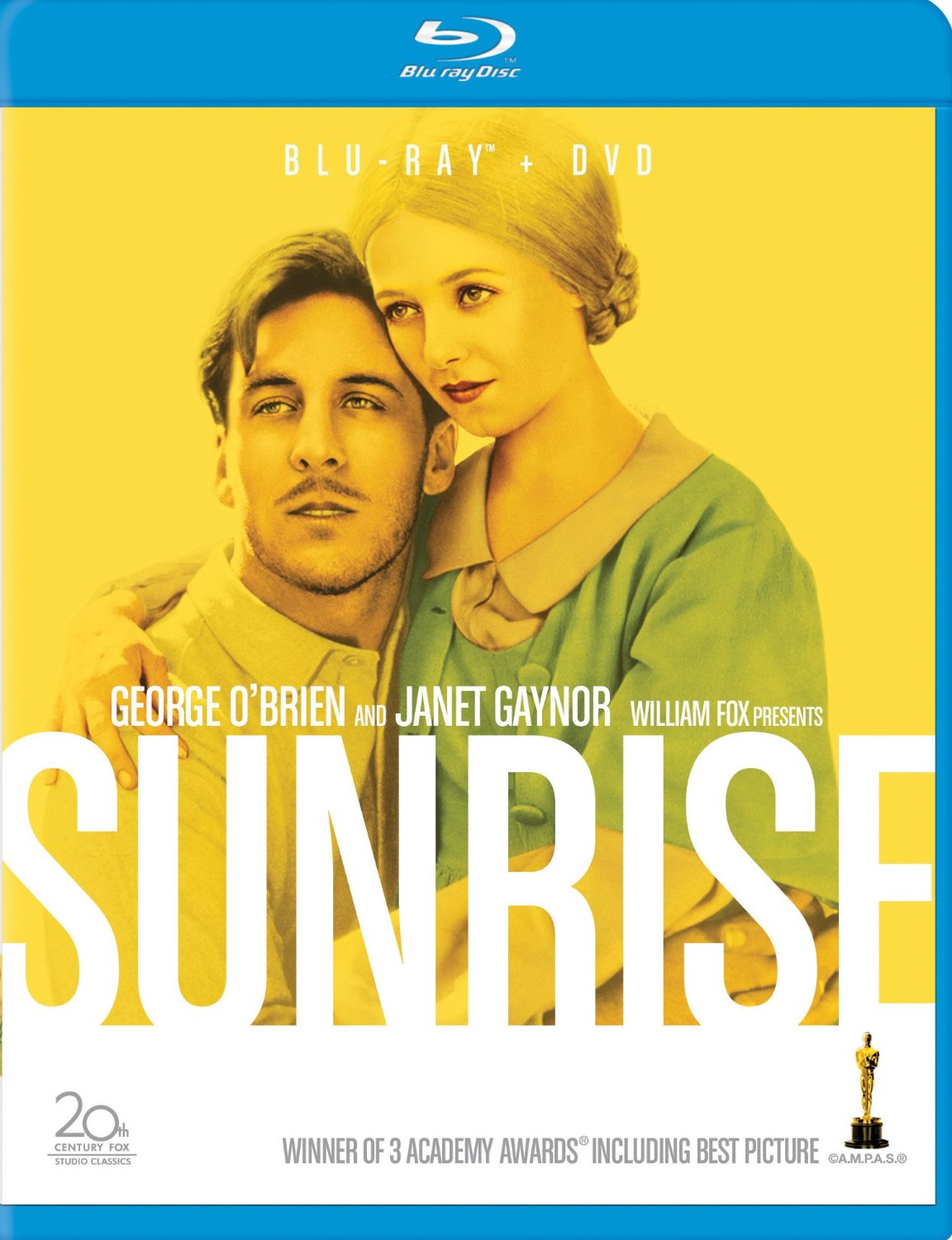
The aching simplicity of the story in Sunrise is the reason the silent film remains thoroughly watchable almost 90 years after its release. It’s also why the movie will remain thoroughly watchable another 90 years from now. Then again, the reason F.W. Murnau’s 1927 effort goes beyond simply remaining watchable — and enters masterpiece territory — has less to do with what the story is and much more to do with how it’s told.

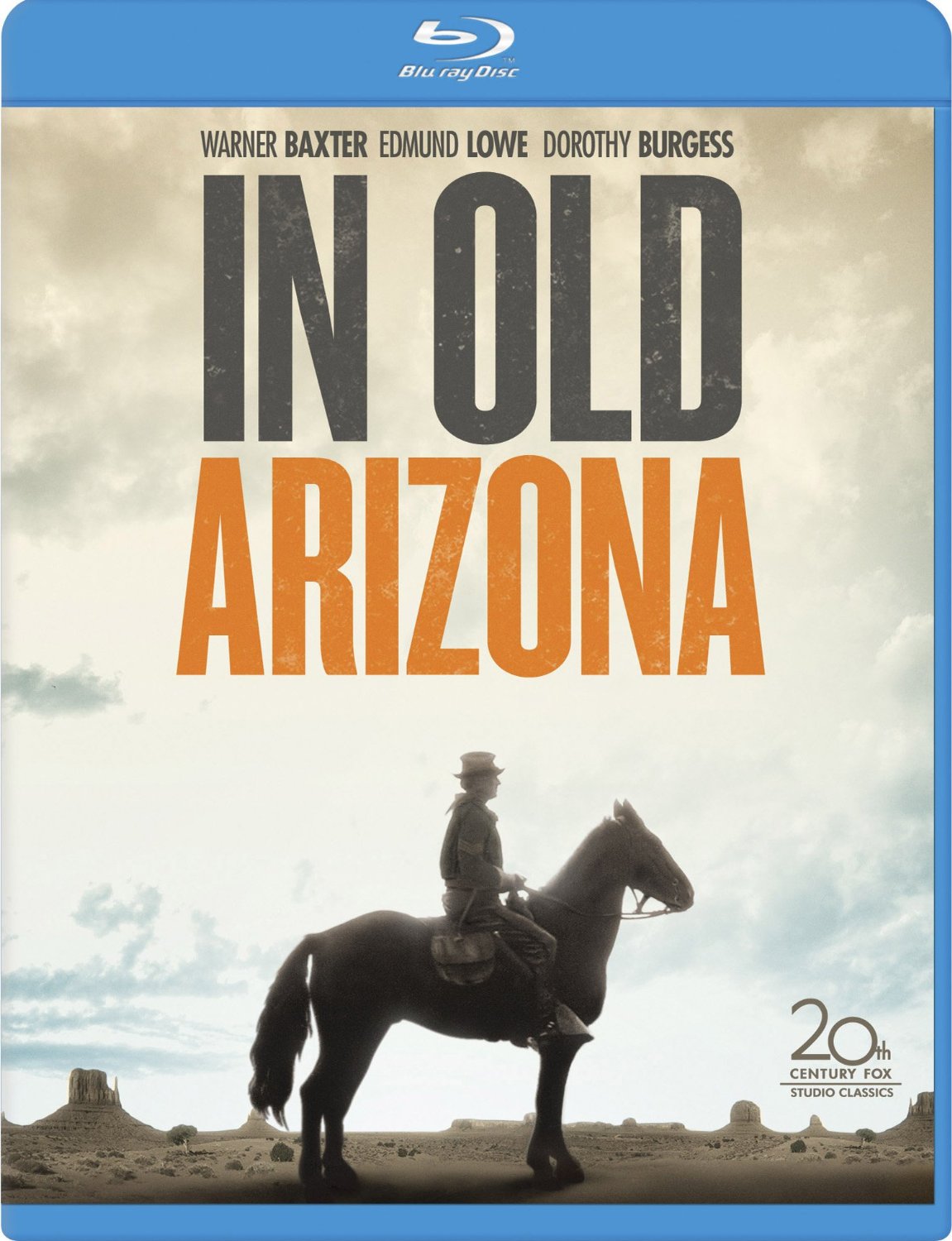
For a significant part of the last century, the Western was the dominant form of entertainment, ruling the Hollywood roost on both the big and small screen. Some of moviedom’s most iconic sounds — galloping horses, trusty six shooters, Ennio Morricone’s best work, “In this world, there’s two kinds of people: those with loaded guns and those who dig” — have come from the genre. And it all started In Old Arizona.

The 1929 Fox film was one of the most groundbreaking and innovative motion pictures of its time. In Old Arizona was the first major Western to use the new sound technology, as well as the first “talkie” to be filmed outside the confines of a cozy studio lot. (Filming took place in Utah, California, but, ironically, not Arizona.) Star Warner Baxter won an Oscar for his portrayal of the charismatic Cisco Kid, a performance that served as an early prototype for the singing cowboy on film.