1.33:1 Fullscreen

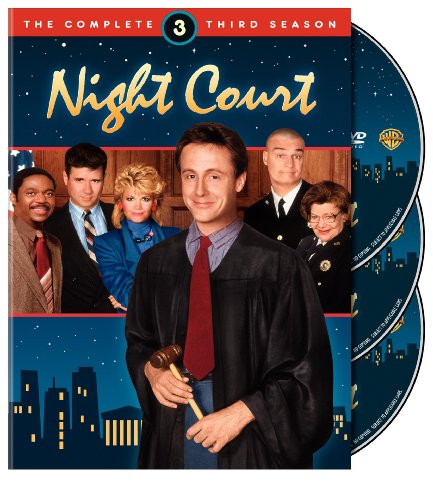
Night Court appeared on the docket at NBC in 1984 and was to last 8 seasons. If you thought it looked and sounded a lot like Barney Miller, you won’t be surprised to learn that a number of key people, including creator Reinhold Weege, came from that classic cop comedy. Several key elements of Miller can be found in Night Court. The themes are almost identical, with both beginning with an easily identifiable bass run. The most important imported element from Miller was the constant parade of the kookiest and craziest criminals this side of the Cuckoo’s Nest. From a hick farmer played by then beginner Brent Spiner to hookers with hearts, Night Court relied heavily on the eccentric character to provide most of its laughs.

Harry Stone (Anderson) is a young hip judge who almost blunders into a judgeship of a Manhattan evening session courtroom. The role appears tailor-fit for Anderson’s style of humor. The character even retained Anderson’s flair for amateur magic. He was always trying to bring levity to even the most dire of circumstances. Joining him in his courtroom was prosecutor Dan Fielding, played by the extremely funny John Larroquette. He was a material man with an overactive lust for the ladies. He was self centered and always looking to gain from someone else’s misfortune. He would often find himself having to suck up to the young judge, who he found too footloose with the law. His groveling always brought the judge a perverse pleasure. The court was presided over by two bailiffs. Bull was played by Richard Moll. He was a mountain of a man with a bald head. While he might look and act like a monster who would eat little babies, he was in fact, a gentle and often childish character with an IQ lower than his shoe size. His partner and mentor was Selma, played by the raspy-voiced Selma Diamond. Selma was a no-nonsense, say what she wanted to, chain smoking authority in the courtroom. Unfortunately, Diamond passed away after the second season. Replacing the gruff character and actress was Florence Halop playing Florence Kleiner, but she would only last this season. Charles Robinson joined the cast in the second year as the court’s new clerk. He was likely the most “normal” member of the cast. Throughout its run there were a rather large number of actresses to play the public defender role in the series. Eventually that role went to Markie Post, who kept it for the longest time. In season two it was Billy Young playing a very awkward Ellen Foley. The character never clicks with any of the others, and she would also be gone at the season’s conclusion.

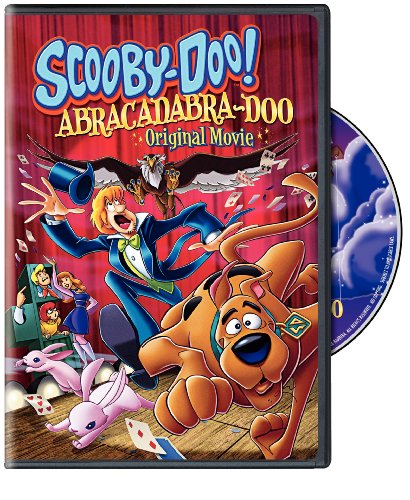
So what's the Scooby Gang up to this time, you might ask. We meet Velma's younger sister for the first time here. Young Madelyn has been off studying magic at the Whirlin Merlin Magic Academy. It seems a giant mythological griffin has been stalking the halls of the old school. So who ya gonna call? Scooby and the gang conduct the usual investigation, uncovering the usual suspects.

Scooby Doo has spanned generations and over 40 years. Since the 1960’s the name and conventions have become a part of the pop culture. The original cartoon series had a series of conventions. The Scooby Gang would drive around in their green Mystery Machine van and solve ghostly mysteries. Fans of the show quickly grew to learn that these spirits and goblins were usually just normal people using scare tactics to get revenge or make a profit. The cartoon classic spawned music albums, live action movies, and several new shows and animated features.

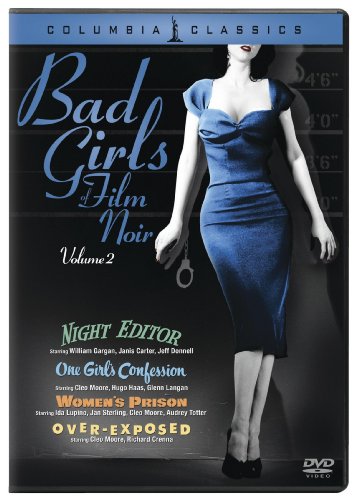
“In the 1940’s and 1950's the juiciest roles for actresses in Hollywood were often in B pictures that explored the dark side of life, staring roles as cool, calculating girls who could stick a knife in a man's back and make him like it."

And so Sony collects 8 of these films as part of what looks like is going to be an ongoing series. But what exactly is Film Noir? You hear the term used from time to time, but what does it mean?

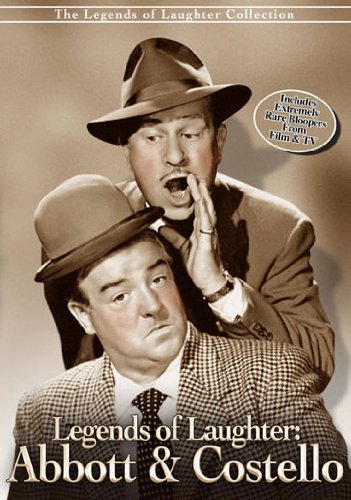
What we have here is, essentially, a great, heaping collection of public domain material from the classic comedy duo. The menu is as follows:

17 episodes of their radio show: The Abbott & Costello Show (1942-1949);

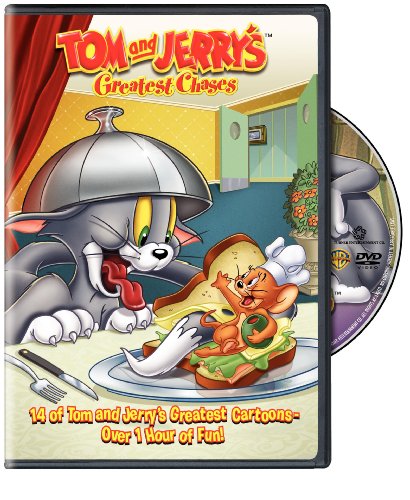
In the 1930’s and 40’s MGM was trying to get in on the lucrative animation game. The field was dominated at the time by Warner Brothers with their Loony Tunes shorts, and of course, the iconic cast of animated characters coming out of the Walt Disney Studio. For years they had failed to find the right property to take advantage of the market. It wasn’t until the team of William Hanna and Joseph Barbera approached the studio with their first project that the times did change, at least a little, for the fledgling animation department at MGM. The project was far from an original one even for the time. It was a very basic cat and mouse adventure featuring a cat named Tom and a mouse named Jerry. There would be almost no dialog on the shorts. It certainly didn’t look like much of a hit to the studio brass, but with no better ideas on the way, they went ahead with the new shorts of Tom And Jerry. There’s a reason why the cat and mouse pair is such a classic. It’s because it works. If you can make your characters entertaining and endearing enough, you can have a hit. MGM finally entered the major leagues, and the team of Hanna and Barbera would become one of the most successful animation teams in history. They would go on to create such cherished characters as The Flintstones, Yogi Bear, The Jetsons, and, of course, Scooby Doo.

These were the days of the Golden Age in Hollywood. These shorts were not being produced for television, which hadn’t been invented when they began; rather, they were intended for theater goers. In those days going to the movies was much more of an inclusive experience. You always got a cartoon short along with an adventure serial, the likes of Buck Rogers, Flash Gordon, and The Lone Ranger. These multi-chaptered serials were the forerunners to the modern television series. It kept you coming back to the movies to see what would happen next. Each chapter ended in a cliffhanger. These early serials were the inspiration for such film franchises as Star Wars and Indiana Jones. Finally you got one, sometimes two movies, all for the price of a single admission.

By 1978 the television detective model had been nearly complete and possibly already a cliché. Dan Tanna might have well been the complete model as far as the formula goes. It was almost as if you could go down a checklist and, like Dr. Frankenstein creating a monster, you would check off the necessary elements. The scripts could then almost write themselves, and you let the show fly on autopilot for three seasons or so until someone decides to look behind the curtain.

So let’s go down that checklist, shall we?

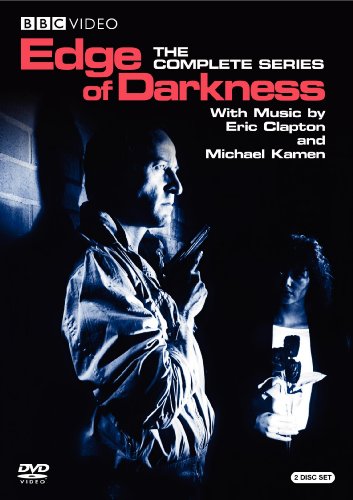
"One year ago, the MOD test system at Eskmeals confirmed radioactivity of above normal background levels at the Corry Reservoir, Craigmills, Yorkshire. The usual emergency procedurals were activated under NAIR arrangements, and the reservoir was shut down. An independent inquiry was set up under the chairmanship of Dr. Anthony Marsh."

I grew up on the Peanuts creations of Charles M. Schulz. Most of us have, in one way or another. His newspaper comic strip is one of the longest running and most successful strips of all time. The work has been translated into every language currently spoken on the planet. The images of Charlie Brown, Snoopy, Linus, and the rest of the Peanuts gang have appeared on just about any kind of product imaginable. Our pop culture contains too many references to the strip to mention briefly. For me, it was the television specials starting in the mid 1960’s that brought the gang into my life. The classics are running annually, still after nearly 50 years. A Charlie Brown Christmas and It’s The Great Pumpkin, Charlie Brown are the most mentioned and certainly beloved by generations of children and adults. I thought I never missed an airing.

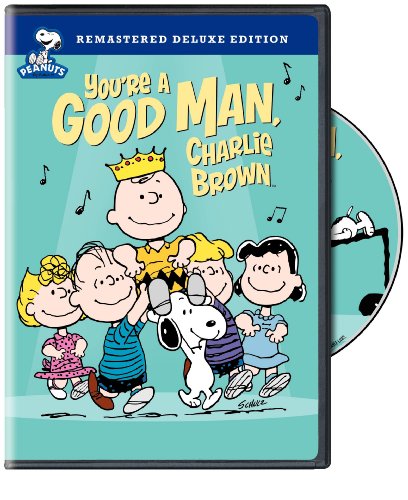
I'd like to be able to say that I'm a fan of all of the cartoons, but that wouldn't exactly be very honest. At some point they lost their innocence and eventually lost their charm. I never did see the live musical production of You're A Good Man Charlie Brown. This is actually the first time that I saw the animated version. I'm going to go out on a limb here and say that this animated cartoon is nothing like the production, at least I hope so. The play appears to be universally beloved. I often hear only the fondest recollections from those who have seen it. That's not the case with this particular version of the material. In cartoon form it plays out quite awkwardly. None of the numbers really combine into anything resembling a plot or story. They are all basically short vignettes with each of the major characters getting at least one moment to themselves. I can see this having far more impact on a stage with actors and sets. The traditional cartoon characters just aren't animated enough, excuse the pun, to pull this kind of thing off.

Before SpongeBob SquarePants, before The Family Guy, before South Park, before even The Simpsons, there was Mighty Mouse. This revival of the Terrytoons character was a short-lived, but creatively vital series that ran in 1987-88. It wasn't an adult show, like many of its spiritual successors would be, but it was something that hadn't been seen in the world of television animation in a long, long time: it was witty, smart, and expected its audience to be smart, too (and that includes smart kids, at whom the series was ostensibly aimed). However G-rated the show was, it also featured just the kind of manic humour and inventiveness you might expect from a collaboration between the man who brought Fritz the Cat to the screen (Ralph Bakshi) and (among others) the man who would shortly give us Ren and Stimpy (John Kricfalusi). If some of the look of the series is by now familiar (half of the offerings on Nickelodeon share its background design), this is, as Kricfalusi points out on one of the commentary tracks, where that look begins. The show might not have survived long, but creatively it cast a long shadow indeed, and having the entire wonderful series in one spot is a terrific treat. As far as the creative possibilities for TV animation are concerned, Mighty Mouse surely did save the day.

The menu features some pretty ferocious aliasing, which had me worried about the cartoons themselves. Fortunately, that concern was misplaced. The shows looks great, with only the occasional, very minor grain to deal with. The image is very sharp, and the colours equally strong. The series looks as good as, if not better than, it did on the day of its broadcast.

Sterling Silliphant, in the latter days of his career, gifted the world with the deliriously schlocky screenplays to the likes of The Poseidon Adventure, The Towering Inferno, and that apotheosis of the Expensive Badfilm, The Swarm. So it is sometimes hard to remember that he also penned the script of In the Heat of the Night and some 74 episodes of Route 66. I confess to a being a complete newcomer to the series, and though I was rather baffled at first, I was also struck by the quite beautiful prose being spoken. Anyone who thinks highly literate scripts are impossible (or just about) on network TV should cock an ear (and an eye) in the direction of this series.