DVD

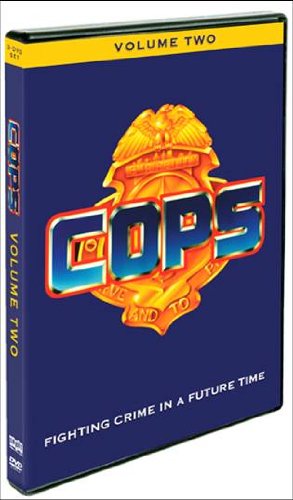
C.O.P.S aired in 1988, one year after the debut of Robocop, and the future-cop theme and design is clearly influenced by Verhoven's violent satire. As a child I caught onto this influence immediately and a part of me always saw it as derivative (along with some Judge Dredd influence). Watching it now I get an eery knot in my stomach as I realize just how silly and loaded with slapstick this cartoon really is, and yet cannot help but still recognize the design influence of Robocop. Throughout there is this strange paradox of immensely threatening looking characters doing terribly silly things. One should expect these various behemoths to be murderers, rapists or just violent thugs (just look at the caricature grins most of them have and tell me I'm wrong) and yet they're stealing fur coats and cavemen and all have goofy voices....my brain takes a while to process all of this.

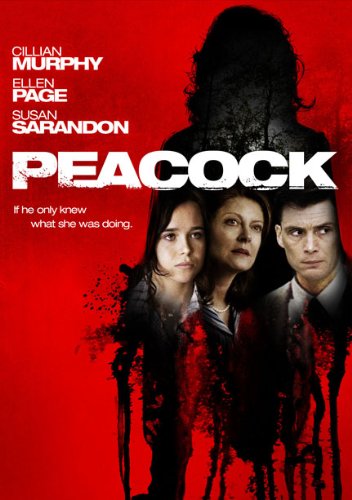
John Skillpa (Cillian Murphy) has been hopelessly damaged by the monstrous abuse his mother inflicted on him. As a result, he now has two separate personalities: John and Emma. John is a terminally shy bank clerk who exists as of 8:15 in the morning and for the duration of the work day. Emma takes care of the domestic chores and leave notes and meals for John. But one day, while Emma is doing the laundry, a derailed caboose blasts through the fence, revealing her existence to the town of Peacock. Everyone assumes she is John's wife. Coaxed out of her shell by Susan Sarandon, Emma gradually blossoms, much to the distress of John. When Ellen Page shows up with a young child and a dark revelation from John's past, the two personalities find themselves moving closer and closer towards a violent confrontation.

It is a testament to the work of director/co-writer Michael Lander and of Cillian Murphy (not for the first time making effective use of his androgynous looks) that one finds oneself increasingly viewing Skillpa as two entirely separate people as, bit by by, drop by drop, the suspense builds. Sympathy shifts back and forth between Emma and John, and by the end one can no more imagine Skillpa as a unified whole than one can decide which of the two halves is the “real” person. Touching and tense, this is a bizarre cross between Psycho and Our Town, and it somehow works very well indeed.

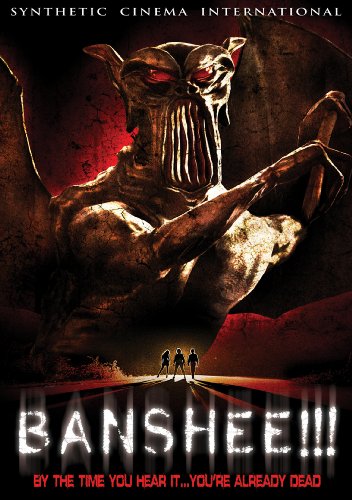
The title monster of Irish myth terrorizes people in the middle of the US for no good reason and with no explanation as to why its there, how it came to be or anything else aside from visually demonstrating that it uses sound to make its victims hallucinate. A group of teens on spring break encounter it and every single one of them survives after befriending the misunderstood beast. Of course that's a lie...they die...but doesn't the nice plot sound so much more interesting? It does to me when you've seen countless films about teenagers being ripped apart in the woods.

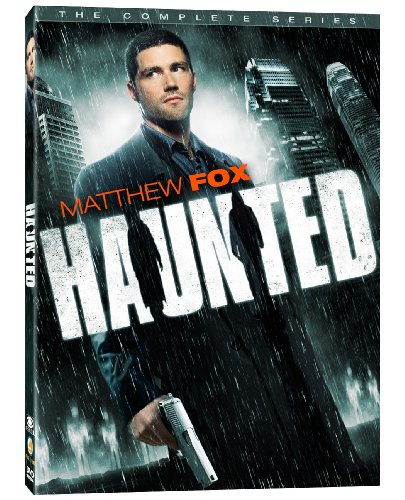
"Two years ago my son was taken from me. Since then I've lost everything: my job, my marriage, even my life. But I came back, and the dead came with me."

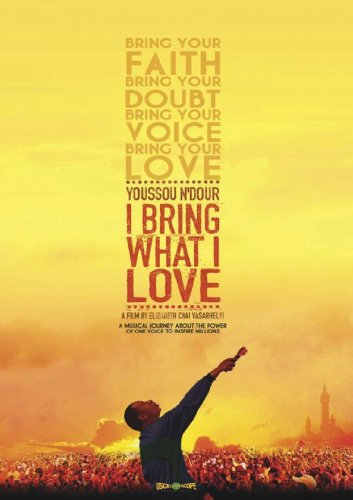
This film is part biography of the immensely popular, African singer Youssou N'Dour, and part documentary of his tour to support his controversial religious album “Egypt.” The film opens with a stirring song that arrives with no context. 2 minutes into the film and Youssou's amazing voice gives me goosebumps...we are off to a great start.

"Nothing worse than an old hippie, man."

When I think of Cheech & Chong, I am brought back to the 1970’s. It was then that the pair had their first success with an iconic brand of “stoner” comedy. Their LPs sold millions across the country. You didn’t have to be a stoner to appreciate the jokes. I was about as straight as they come, but I really loved listening to Cheech & Chong. The material was about more than just getting high. It was timely, at least it was then. It mirrored the culture that we could see from our own windows, and like all inspired comedy, it was relevant.

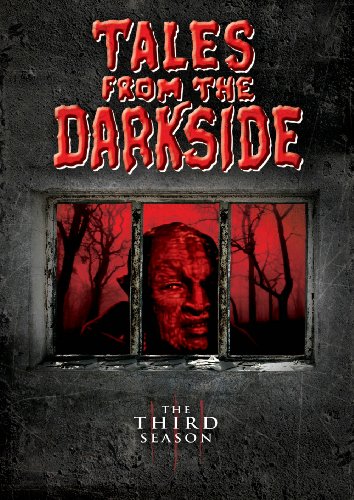
“Man lives in the sunlit world of what he believes to be reality. But there is, unseen by most, an underworld, a place that is just as real, but not so brightly lit, a darkside.”

Not since the likes of Rod Serling’s Twilight Zone or The Outer Limits has there been a really good sci-fi/horror anthology until 1984’s Tales. Not to say that each episode was a winner. In fact, most were pretty weak and relatively lame, but when this show was good, it was very good. These tales weren’t any ordinary specter spectaculars, but were told by spectacular story writers, directors, and producers. Look at just this first season, and you’ll find some of the top names in the field involved in one way or another. You’ll see the likes of Stephen King, Tom Savini, George Romero, Robert Bloch, Frank De Palma, and Harlan Ellison. The tales often came with a twist, or at least a big finale in the end. Much like a train’s headlight in a long tunnel, you might have seen it coming from a mile away, but it’s hard to avoid the impact.

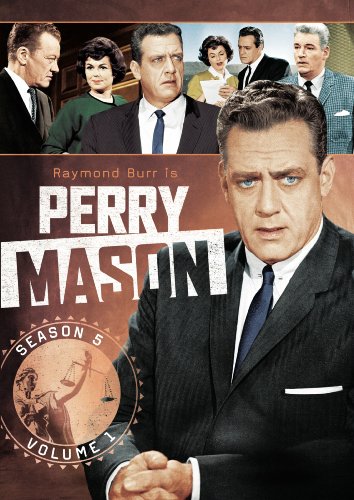
Erle Stanley Gardner wrote crime fiction, and while many of his 100 or so works are unknown to most of us, he created a character that has become as identified with criminal lawyers as any other in fiction. It was in these crime novels that Perry Mason first faced a courtroom. He developed a style where he would investigate these terrible crimes his clients were on trial for. He would find the real killer, and in what has become a Hollywood cliché, reveal his findings in a crucial moment during the trial. While we may not remember the novels, we all remember the man in the persona of Raymond Burr.  Burr had a commanding presence on our screens and enjoyed a well deserved 11-year run as the clever lawyer. What makes this run so amazing is that the show followed pretty much the same pattern the entire time. We always know what’s going to happen, but we wait eagerly for that gotcha moment when Perry faces the witness on the stand. We know when he’s got the guy squarely in his sights, and we can’t sit still waiting for him to pull the trigger. OK, so maybe that’s a little over the top, but so was Perry Mason. From the moment you heard that distinctive theme, the stage was set. To say that Perry Mason defined the lawyer show for decades would be an understatement. Folks like Matlock and shows like The Practice are strikingly similar to Perry Mason. If you haven’t checked this show out, this is your chance. See where it all began.

At this rate, it’s going to be quite some time before you complete your collection. I’m not even sure that DVD will still be a viable format before the end of the series on DVD. It’s another half season, and the episodes continue to fly at us at a snail’s pace. But slow and steady wins the race, and as long as the quality episodes continue to deliver that classic Mason charm and style, I guess folks like us will continue to come back for more.

You've seen me talk with a certain element of affection for the remarkable work that the Walt Disney Studios have done in the way of feature animation. Who can really argue with me when I state categorically that the studio invented that particular medium? The long line of classics could certainly fill a lot of space in this review, but these are things you already know. Left out of the list of classics, and deservedly so, is this 1980's Disney feature. the studio's take on Sherlock Holmes, The Great Mouse Detective.

Now, the first thing that pops into your mind when you connect Walt Disney with a mouse is that studio icon image himself, Mickey. That image is so ingrained in my skull that I at first thought I remembered Mickey being in this film. Obviously I was mistaken and am thinking of some similar role the royal rodent likely performed in another title. The mouse in question here is more your standard-looking mouse without the trademark three circle head and ears. The characters are no less endearing here. Still, this was a transition time for the studio, and they were not putting out their best work in the 80's.

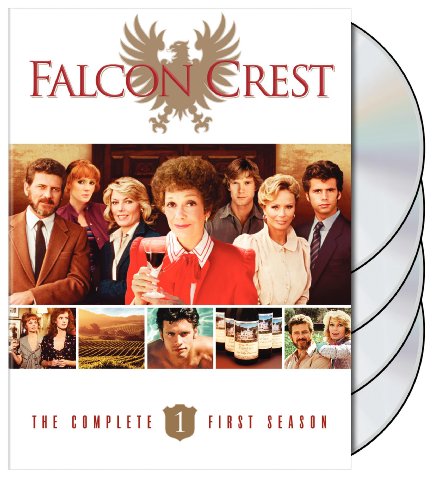
The Falcon Crest series ran 227 episodes from December of 1981 to May of 1990. The show’s creator, Earl Hamner actually worked on the Waltons and wanted to make a show about a family in the wine industry. However, when CBS got a hold of the series they wanted to make it more like rival show, Dallas. Translation: we want more smut and backstabbing. The show, Falcon Crest was born. I think John Boy would have been shot in the first season had he lived in Tuscany Valley. Good night indeed.

Emma Channing (played by Margaret Ladd) and her boyfriend, Turner Bates (played by Robert F. Lyons) are fooling around in the Falcon Crest winery. Apparently, Emma has never been with a man before, so there is much laughter and screaming. Her Uncle Jason (played by Harry Townes) overhears the racket and comes to investigate what is going on.