HEVC

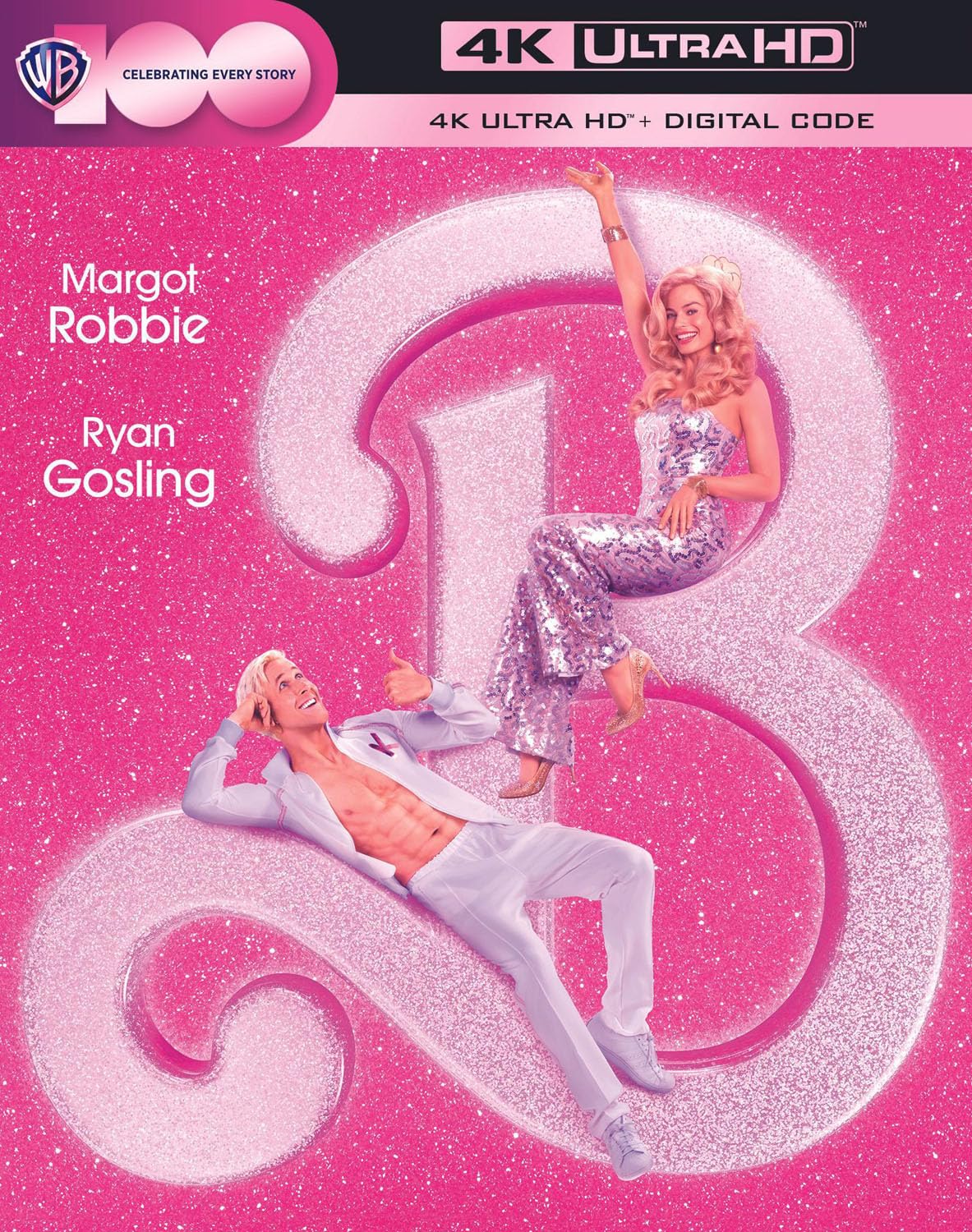
“Since the beginning of time, since the first little girl ever existed, there have been dolls. But the dolls were always and forever baby dolls, until ...” 

Let me preface this by saying that I am in no way the target audience for this film. That said, this film is in no way for the target audience that you may imagine it is for. Initially, I suspected the film was intended for the age bracket that actually plays with Barbies. However, after watching, I’d have to argue that the themes of the film are geared more towards the young adult / early adulthood crowd. Bearing all that in mind, it should go without saying that Barbie was a film that I endured rather than enjoyed until one key moment which I will describe later. To my mind the film was an amalgamation of films that came before it. And while I appreciate the film’s diversity in encompassing a wide range of actors to represent variations of the Barbie and Ken characters, at times it felt as though the film’s agenda was literally punching me in the face.

In 1995, I remember very vividly going to see Mortal Kombat on the big screen during my summer off from college (when very often I had nothing else to do).  I was instantly wowed by all of the characters that I had played with in the first two video games and seeing them brought to screen.  The music was absolutely fantastic (and still one of the best soundtracks I have ever heard).  However, what I have carried with me most from that experience is my utter love of one character.  Johnny Cage.  Fast forward nearly thirty years, and we finally have a film where he is the main character and no longer some sort of side gag by all those involved.  Let's go to the Cage Match!  Join me, won't you?

"I met him fifteen years ago. I was told there was nothing left. No reason, no conscience, no understanding, even the most rudimentary sense of life or death, good or evil, right or wrong. I met this six-year-old child, with this blank, pale, emotionless face and the blackest eyes ... the devil's eyes. I spent eight years trying to reach him, and then another seven trying to keep him locked up because I realized that what was living behind that boy's eyes was purely and simply ... evil."

Blumhouse and David Gordon Green recently finished a sequel/reboot of John Carpenter's Halloween with mixed results. He got Jamie Lee Curtis to return for all three films in the trilogy. Most of the various sequels and reboots did not include the original film's star, but Green was not the first one to get her to return to the role of Laurie Strode.


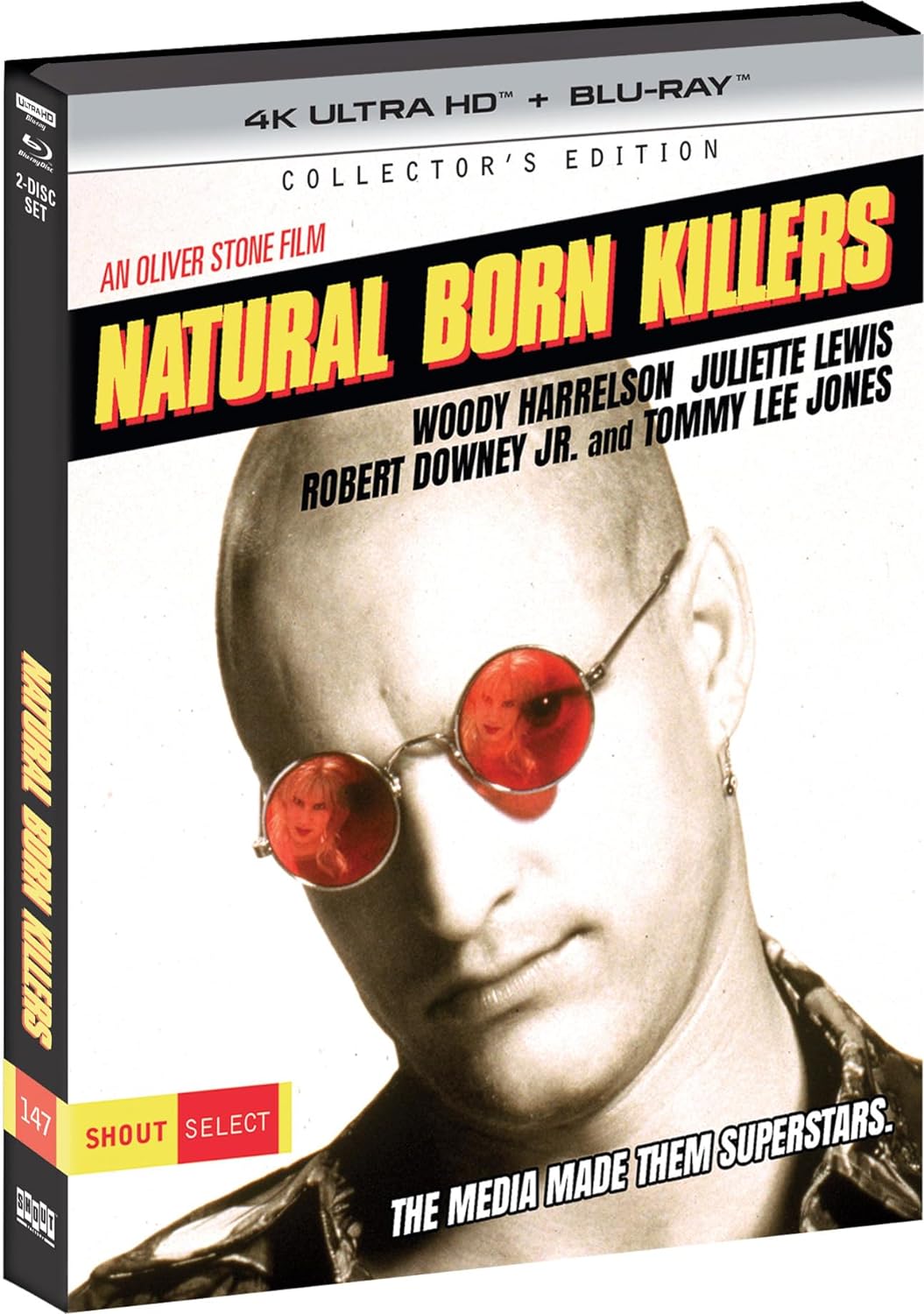
"My Mamma told me to pick the right one."

In 1982, Cheers first broke on the network sitcom circuit. It was a small Boston bar owned by a has-been baseball player living on the glory years he didn't really have. It was the bar where everyone knows your name. Behind the bar there was Woody. Woody was pretty much a kid who looked up to the owner in an almost hero-like way. He was naive and was easily and often taken for a rube. But he was kind, and no matter how out of it he might be, there wasn't an evil bone in that character's body. It was all an act. Of course, it was a television show where Woody was played by Woody Harrelson.

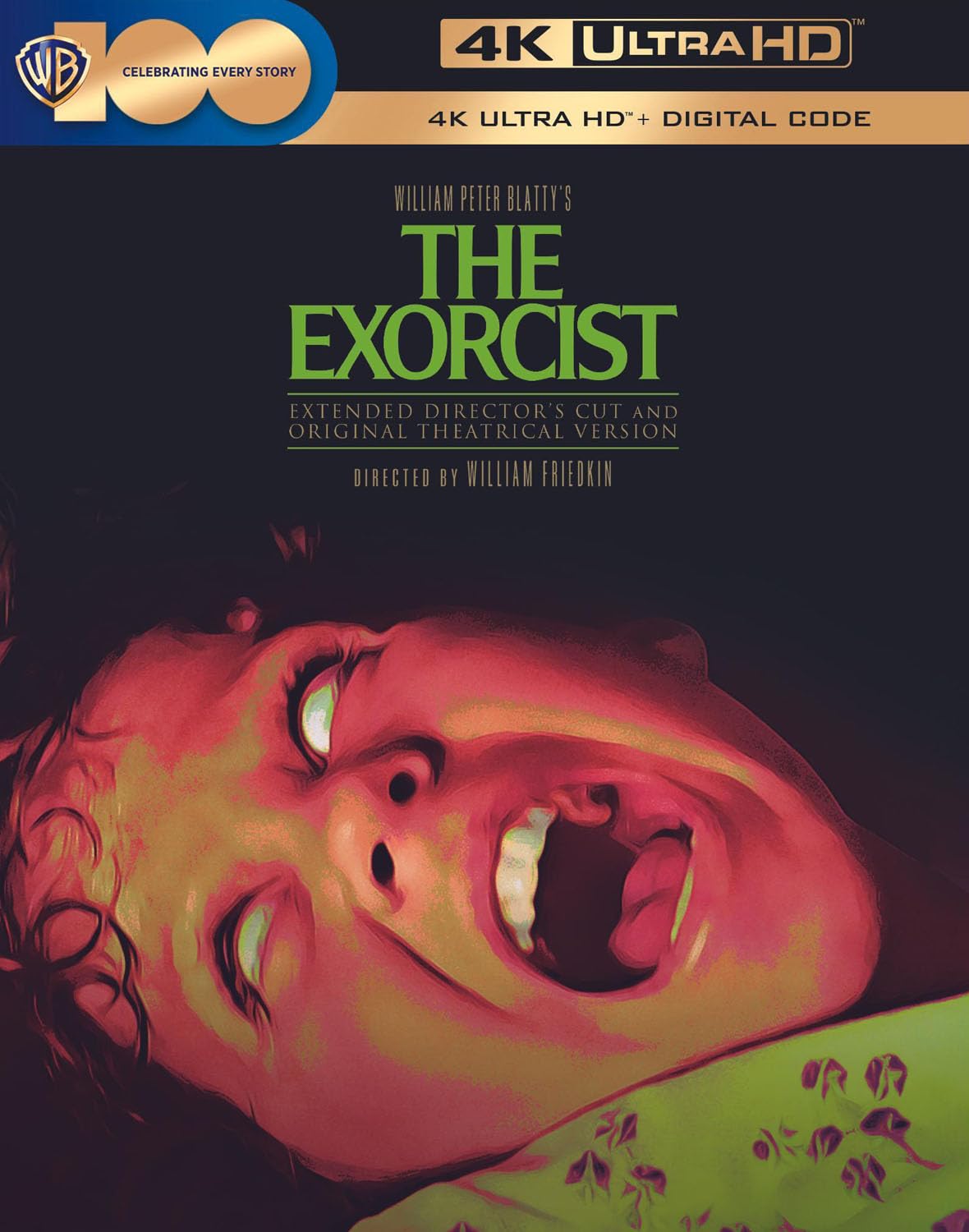
"Have you ever heard of exorcism? It's a stylized ritual in which rabbis or priests try to drive out the so-called invading spirit. It's pretty much discarded these days, except by the Catholics who keep it in the closet as a sort of embarrassment. It has worked, in fact, although not for the reason they think, of course. It was purely the force of suggestion. The victim's belief in possession helped cause it. And just in the same way, this belief in the power of exorcism can make it disappear." 

By now we've all heard of The Exorcist. The film was based on a best-selling novel by William Peter Blatty. Blatty himself based the story on a real exorcism of a young boy many years earlier. And that's where the true power of the film begins. The monsters of horror movies often allow us a sense of unreality that protects our inner selves from being truly terrified.

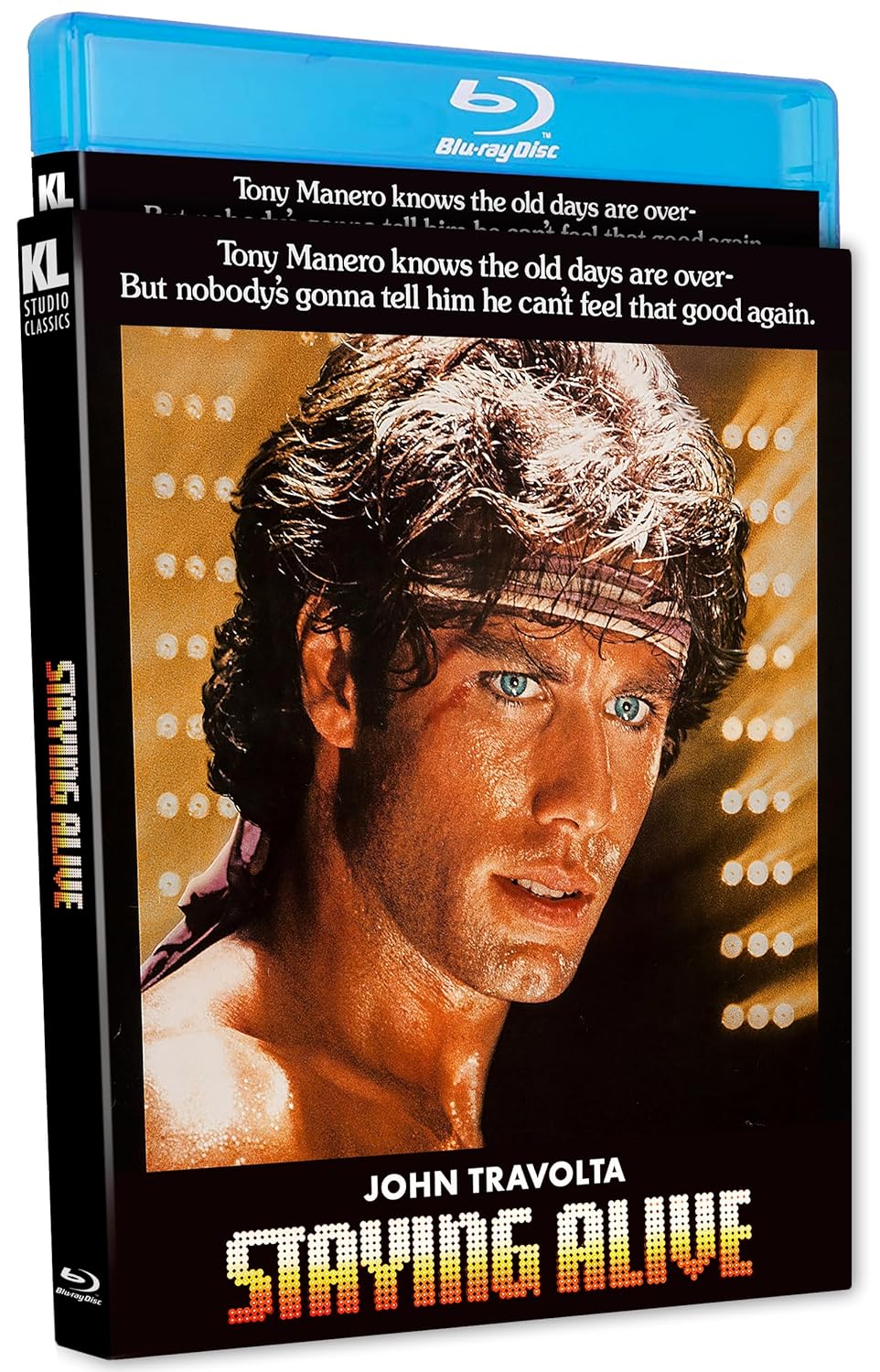
Coming up on its 40th anniversary, Staying Alive continues to be one of the most bizarre sequels to be made by a major studio, starring John Travolta and co-written and directed by Sylvester Stallone. The film was intended to be a sequel to the massively popular Saturday Night Fever, but when Staying Alive came out, disco was pretty much dead, and really there isn’t much that connects the films but for the character Tony Manero (John Travolta) and that there is dancing in the film. When the movie came out it was a financial success, but it was pretty well hated by critics of the time to the point that even one of the film’s stars, Finola Hughes, was awarded a Razzie for her performance. Apparently the film has a loyal cult following, but now after 40 years I’m here to give this film a fair shake and decide for myself: is it as bad as people say, or is it a gem from the 80s that will make us all nostalgic for when there were several movies with the cast in leotards, headbands, and over-the-top dance numbers?

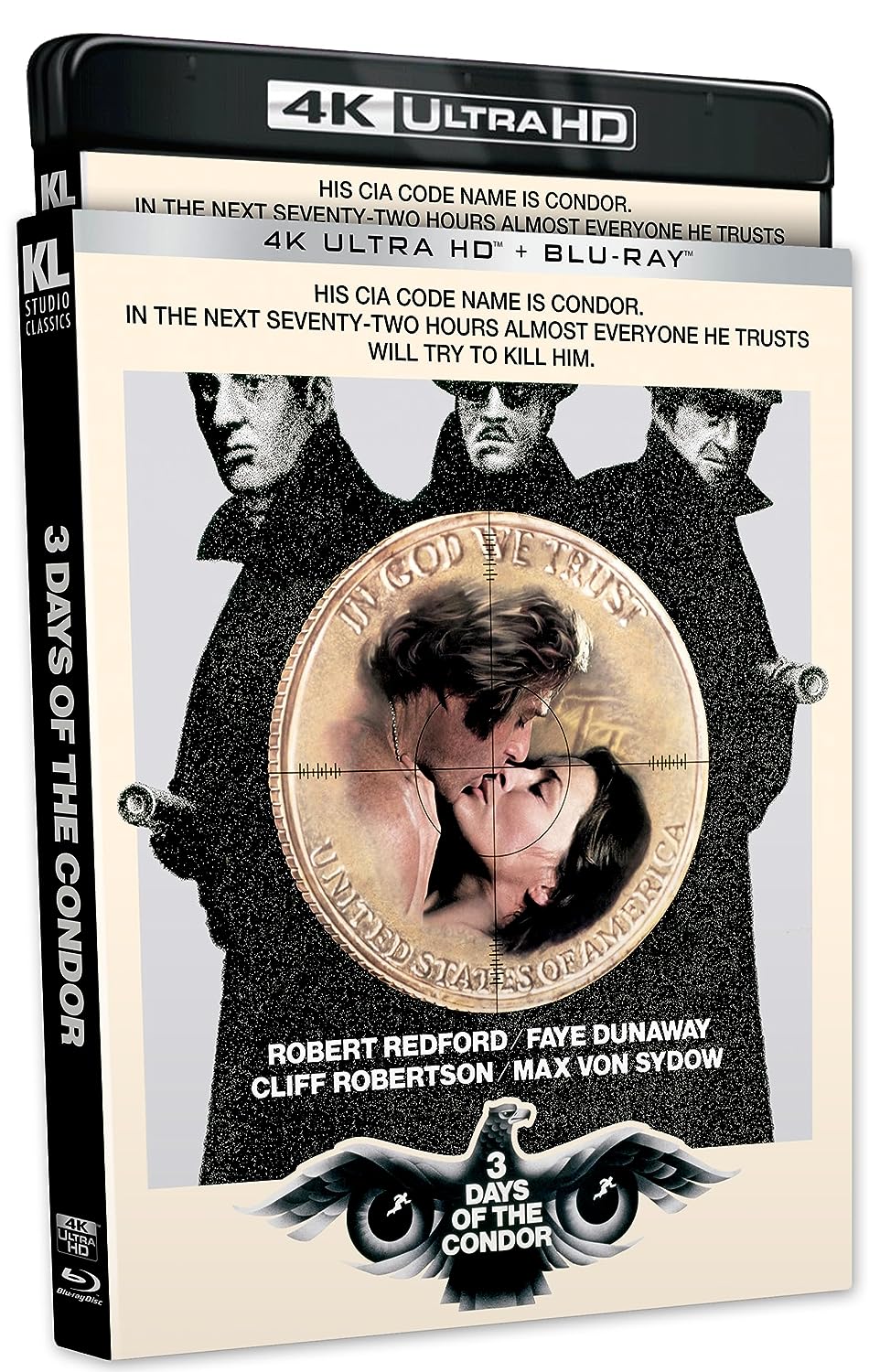
“Don’t expect too many mistakes from this man. After all, he does seem rather more interesting than just another reader researcher. For example; has he gone into business for himself? Was he turned around? Does someone operate him? Is he homosexual? Broke? Vulnerable? Could he be a soldier of fortune? Did he arrange the hit? Is that why he’s still in flight? Still, he may be innocent. But why didn’t he come in gently?”

Sydney Pollack might have been channeling the essence of Alfred Hitchcock when he directed 3 Days Of The Condor. It’s hard not to see the similarities to some of Hitch’s work. But he might also have been having a bit of precognition at the same time. The later novels and films about Jason Bourne bear a striking resemblance to this 1975 thriller.

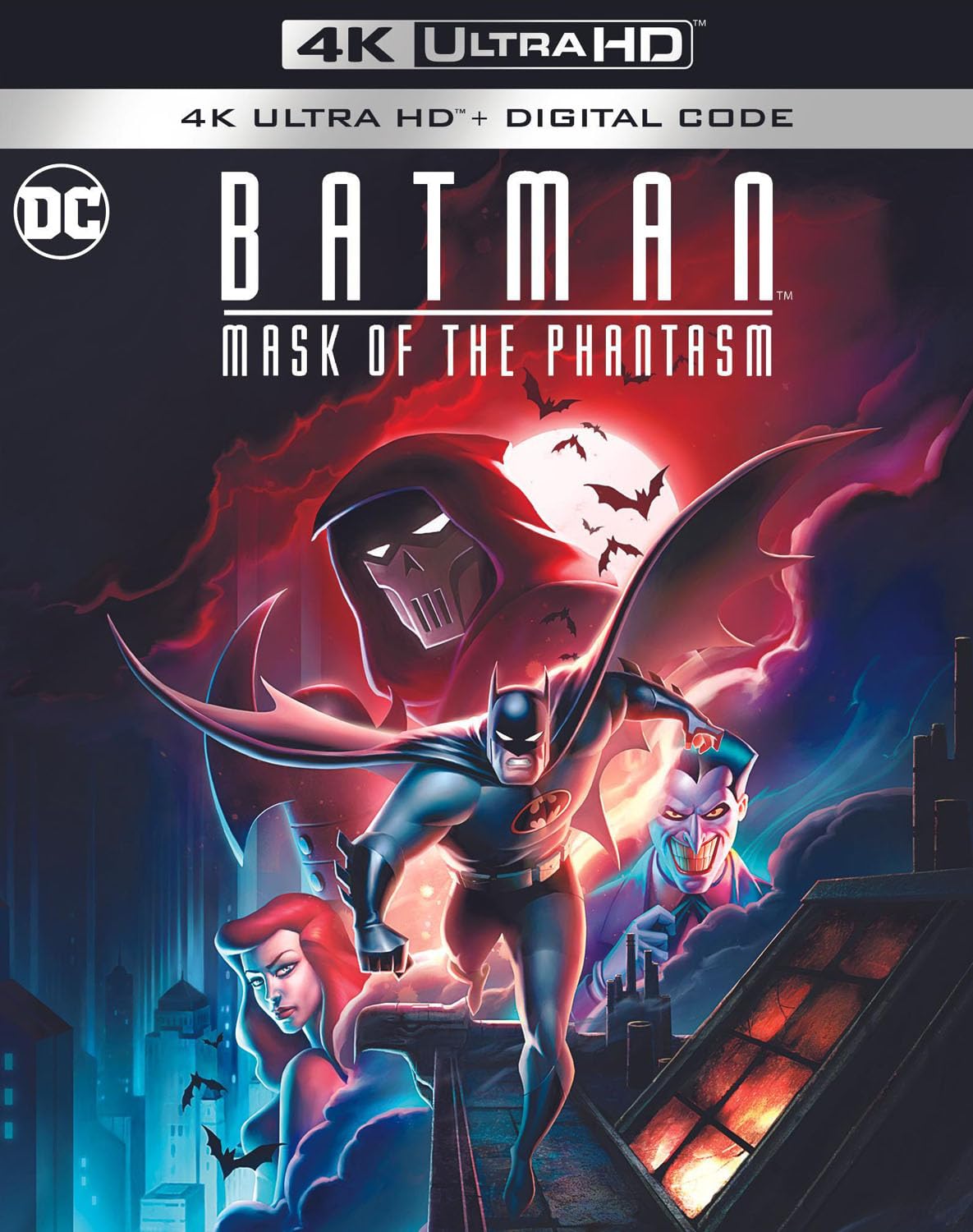
"This is The Batman we're talkin' about here."

In 1992 Batman: The Animated Series hit television sets all over the country. It was perhaps the biggest comeback for the Dark Knight since Adam West went camp with the cowl in the 1960's. Yes, the Tim Burton film and its sequels went a long way to bringing the bat back into the popular culture, but the series is what took the fans by storm. Kevin Conroy became, for many, the definitive Batman when he was hired to voice the series, and Mark Hamill finally got out of the shadow of Luke Skywalker with his voice rendition of the Joker. The show was a hit, and around the early years it was decided to do a direct-to-video movie called Batman: Mask Of The Phantasm. Somewhere in the production Warner Brothers had a change of heart. They decided to roll the dice on a theatrical release of the animated feature, likely assuming the series fans would flock to their multiplexes in droves.

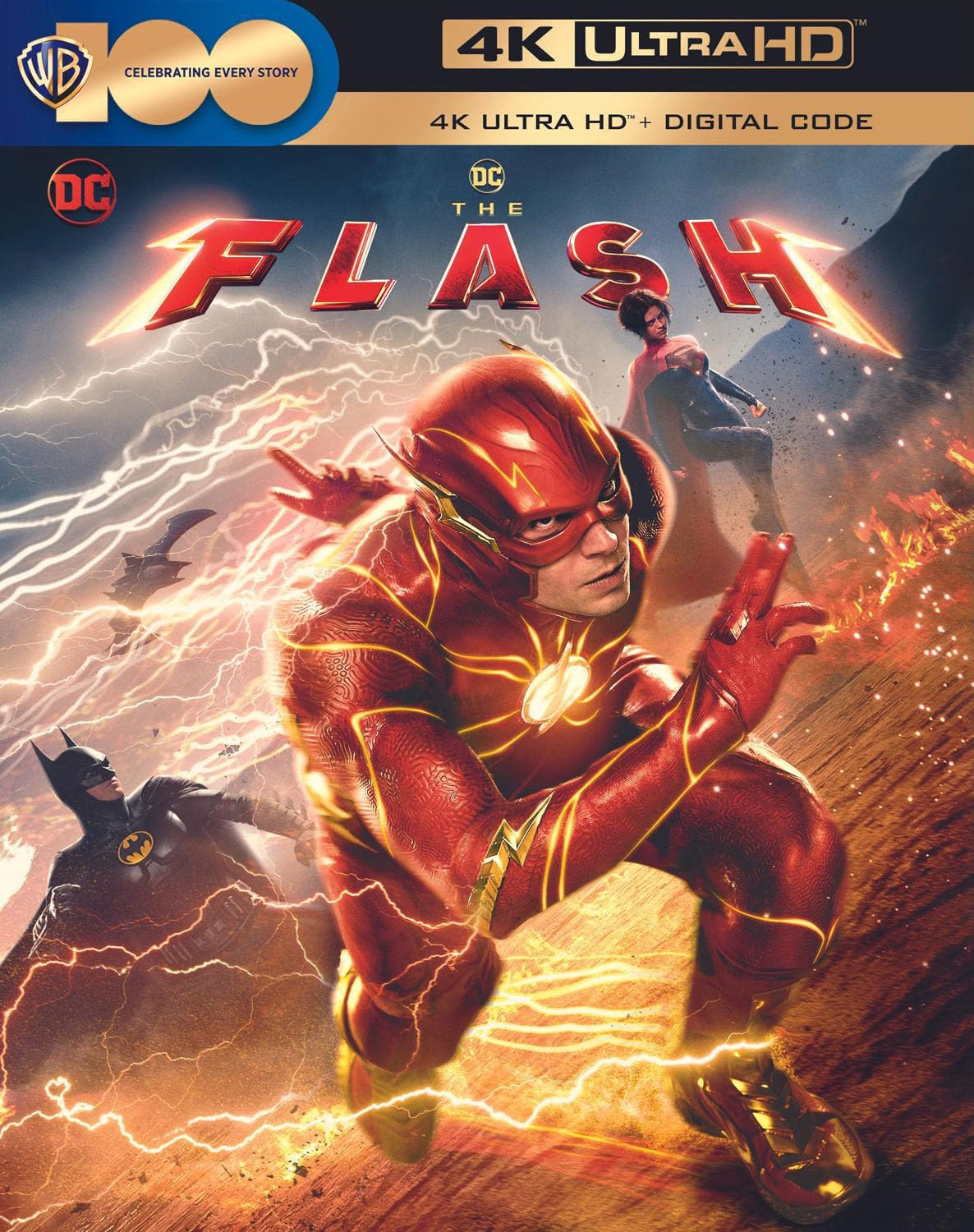
"If we're going to do this, there's a lot I'm going to have to explain to you."

Been waiting on this one for some time, ever since we were introduced to the character in the Justice League movie and it was announced that the film would cover the Flashpoint Paradox storyline, which is one of my favorite comic storylines. My enthusiasm was tempered a bit with the film being delayed and the actor’s subsequent troubles (for the purposes of staying on the topic at hand, that will be my only mention of that situation). However, it is finally here, and after viewing it I can say that it was well done and well received. It is also a bit bittersweet, as it signifies the conclusion of the DCEU as we know it.

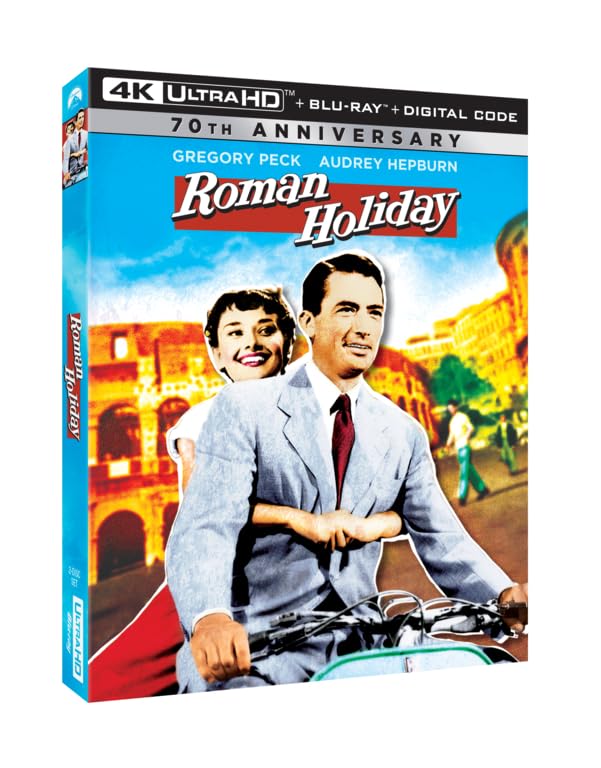
"It's always open season on princesses."

Roman Holiday is one of those classic films that had an extremely hard time getting made. Frank Capra had the rights to the story for several years. Most of what he had was based on a screenplay by Dalton Trumbo, but that was extremely problematic, as Trumbo was one of the original Hollywood Ten and was blacklisted. They were a group of Hollywood people who refused to answer questions before the Joe McCarthy-led House Un-American Activities Committee that was pretty much rooting out communist with little regard to whether they were there or not. The committee ruined thousands of lives, and in 1947 the group had turned their attention toward Hollywood. Many played along by attending the hearings, and some even passed on names of others to avoid trouble for themselves. The Hollywood Ten stood up to the madness, and it got them blacklisted.