"Jack Shindo has made it back alive from Mars. but his reappearance will raise more questions than it answers. He has a secret that cannot be shared. He can tell no one that he is Ultraman, a savior from the stars."

Ultraman is a huge part of Japanese culture and pretty much has been since the original live-action show in 1966. Perhaps Godzilla started the ball rolling, but Ultraman brought us these monsters on a regular basis. In Japan, Ultraman is like our Superman. He’s an iconic hero and a huge part of the pop culture. Since the 60’s he has appeared in many forms, most of them animated. But it is this 1966 series that made a ton of us kids fall in love with him and an entire genre. Yes, there were many from the era: Space Giants featured a giant fighting robot who fought monsters and sometimes converted into a spaceship

“I'm warning you. I got a Saturn Award for Best Fight in a Feature Film, so don't mess with me.”

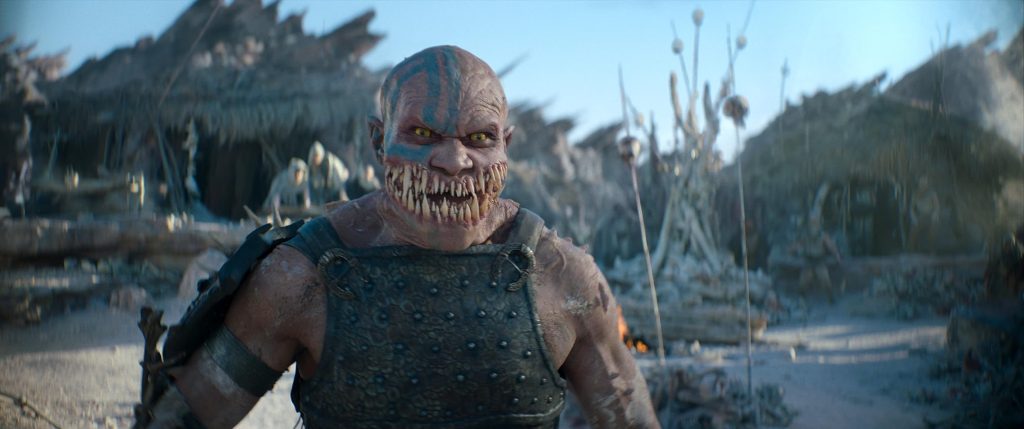
So, it goes without saying the success or failure of this movie rested solely on Karl Urban’s portrayal of Johnny Cage. Johnny Cage is among the most popular characters in the video game franchise. Not to mention, he was my favorite character back in my Sega days. For me, while I still enjoyed the first film, his absence was felt. I was thrilled when I heard that he was going to be featured in the second film. I will admit when I heard that Urban would be playing the role, I was mildly skeptical. While I know Urban to be a fantastic actor and hilarious, the physicality of the role, I initially thought would be too much for him. Luckily, it proved me wrong. It’s been five years since the reboot, and yet for the most part, the sequel feels like no time has passed at all. Especially given that everyone member of the cast from the reboot returned for the sequel, including a few that I wasn’t expecting. This of course includes some new additions as well as a bit of Chilling Adventures of Sabrina reunion.


"Welcome to Derry, home of Paul Bunyan."

I can still remember the It miniseries from a few decades ago. I thought Gary Oldman was just wonderful as Pennywise the clown at the center of Stephen King's novel of the same name. What I really never took into account was that being wonderful really wasn't the point of the character at all. With much love to Oldman and the many characters he's brought to life over the years, I never realized until 2017 was who Pennywise the clown was truly meant to be. Andy Muschietti and his sister Barbara went to work on a two-film attempt to bring It back to life, this time on the big screen. Like most people I was pretty skeptical of the whole thing, and a lifetime of failed Stephen King films that never lived up to his written word was the evidence I cited. Can't be done, I said. They'll only run it into the ground to be resurrected badly as if it had been buried in King's Pet Semetary.

"Why are you talking? Do you ever think about what you're gonna say or why you're speaking? Or do you just open your mouth and just blah blah blah blah blah? In about thirty seconds I'll be gone. We don't need to speak."

Die My Love is the latest film by director Lynne Ramsay whose best film is still We Need To Talk About Kevin. I say still is because Die My Love doesn't live up to the reputation. Ramsay was never quite a linear storyteller and this film is no exception. She loves to dabble in the subtle madness of a situation and here she does much more than dabble and while there are certainly attempts to be nuanced the film rages as out of control as her main character played by Jennifer Lawrence who takes a huge swing and a big chance here. It was the right idea but maybe not quite the right vehicle. Lawrence has been trying to distance herself from the Hunger Games franchise not because that wasn't good work

“You are a pig!” / “I’m a rural farm boy. It’s part of my charm.”

The quote above really sets the tone of The History of Sound (2025). It is a charming movie, a cinematographically soft motion picture, subtle and intimate in execution. It was directed by Oliver Hermanus and written by Ben Shattuck, premiering at the Cannes Film Festival on May 21, 2025. The movie has since won three awards and been nominated nine times. After watching it, I can see why, and I immediately knew I wanted to write an affectionate review for such an affectionate film. That said, I could write what the movie was about, and I could write what the movie was really about. The nuance in interpretation may sound minute, but worth exploring to understand in depth. The film is a soft gay romance, showing how two men fall in love. It centers around these two men, Lionel (Paul Mescal) and David (Josh O’Connor), although the story is essentially told from Lionel’s point of view. It is set at the brink of World War I in 1917 when David is drafted into the military.

"I know you've been waiting a long time for this. The tracks are made, the songs are ready. Let's take it from the top!"

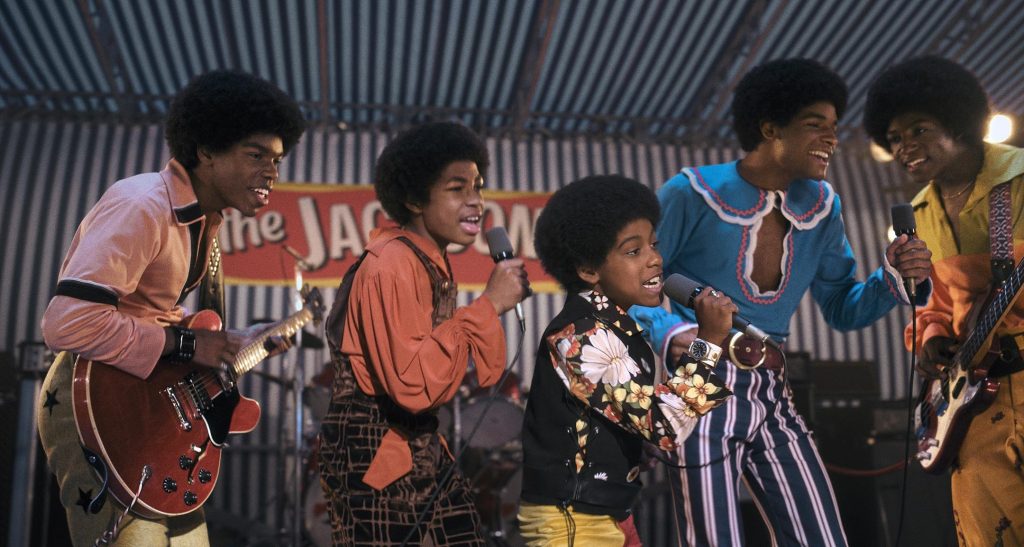
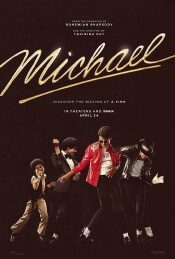
For a little over two hours Michael Jackson has risen from his grave. It's not a miracle. It's a little bit of movie magic and a performance by an actor with a little bit more at stake than the usual paycheck or quest for awards and accolades. When he decided to direct a bio-pic about Michael Jackson, Antoine Fuqua made a couple of smart choices. He hired John Logan to write the script. Logan is likely best known for Gladiator but he has a pretty impressive resume to call upon. But the wisest choice was to hire Jaafar Jackson to play the title character. And while Jackson was required to audition for the part like any other actor might be required to do, he had an edge both in getting the role and in turning it into something a little bit special. He is Michael Jackson's nephew and the son of Jackson Five member Jermaine Jackson. So there's certainly a lot of Jackson power in the film, and it's all put together to pull in a whole lot of a different kind of Jacksons at the box office. So hold on tight, because this story is going to be a whirlwind.

Lurker (2025), written and directed by Alex Russell, presents itself as a subliminal film that examines the toxicity of pop culture through an allegory of parasitism in the emergence of fame. At its core, it leans into themes of parasocial obsession, identity construction, and celebrity as a kind of social system. Rather than relying on spectacle, the film grounds itself in perception and lived experience. This comes through most clearly in its use of diegetic characterization, where elements within the film are not just stylistic choices but extensions of the story itself. One of the more interesting ways it does this is through its soundtrack. The film features a bi-layered original score by Kenny Beats, made up of both non-diegetic music and diegetic tracks performed in-character by Archie Madekwe as the pop star Oliver. At first, the songs can come off a bit corny, but they start to click as the film unfolds. “Sweet Talk” plays into charisma and appeal, “Snakes in the Garden” taps into paranoia within the entourage, “Domicile” reflects in-group dynamics, and “Love and Obsession” leans directly into parasocial tension.

"Want some pie?"

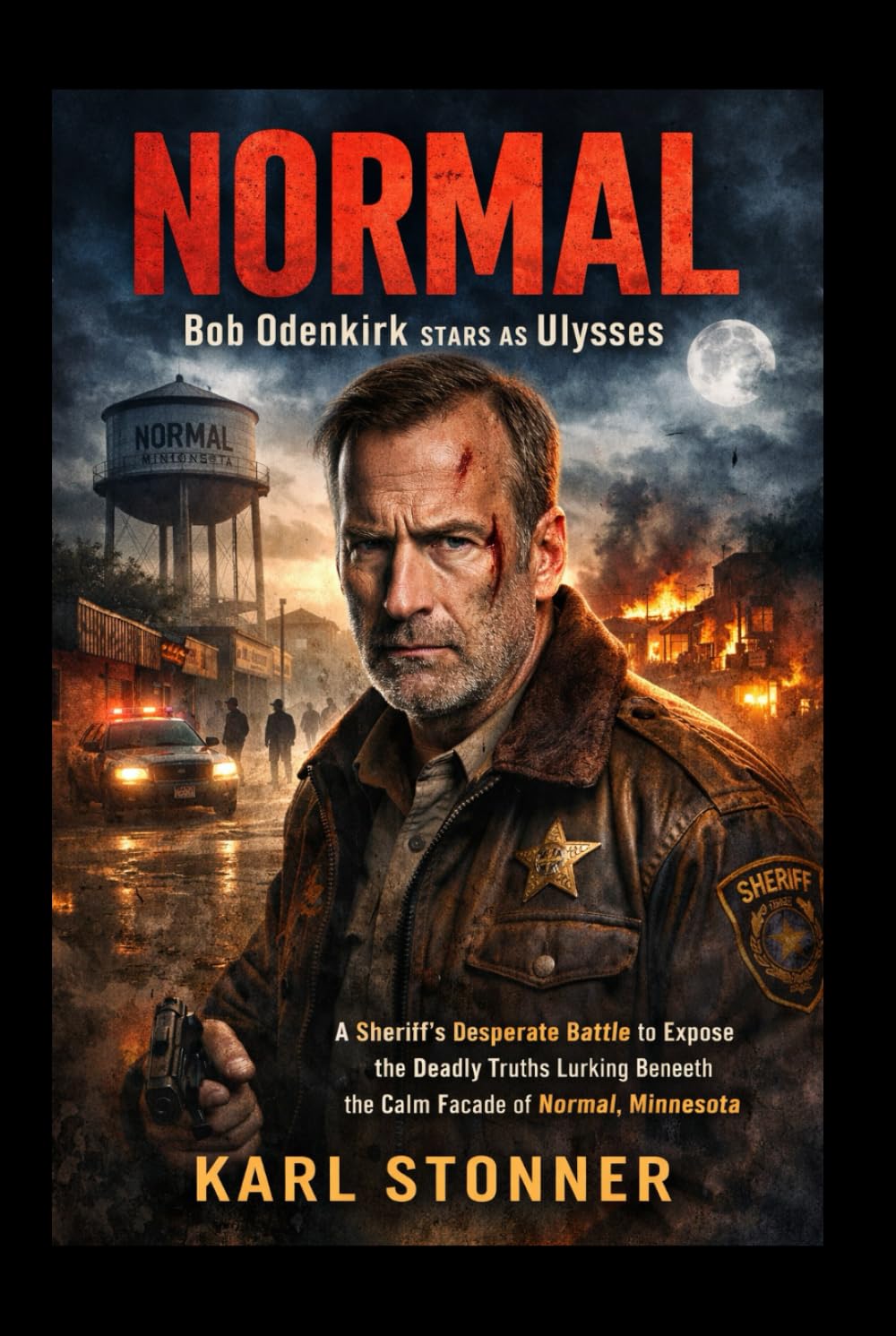
Follow me if you can. Somewhere out there in movieland there is a place called Normal that is anything but. And Nobody lives in the town of Normal. Of course, I'm really talking about Bob Odenkirk. He's the actor who had a heart attack filming the last season of his Breaking Bad spin-off Better Call Saul. Now most actors will look at having a heart attack as a sign to slow down. That's not what Odenkirk did. He decided to push himself by training for his first action film for five years with the stunt guys who did a lot of the John Wick action. That film was Nobody with Odenkirk playing the titular "Nobody". The strange thing is that he had a ton of fun and was quite good in the role and ended up in a sequel. Not willing to take "no" for an answer, he is now starring in his third action film, which also happens to begin with the letters n o.

“We just did what we're programmed to do. Human or AI. We all make mistakes ... and we learn.” 

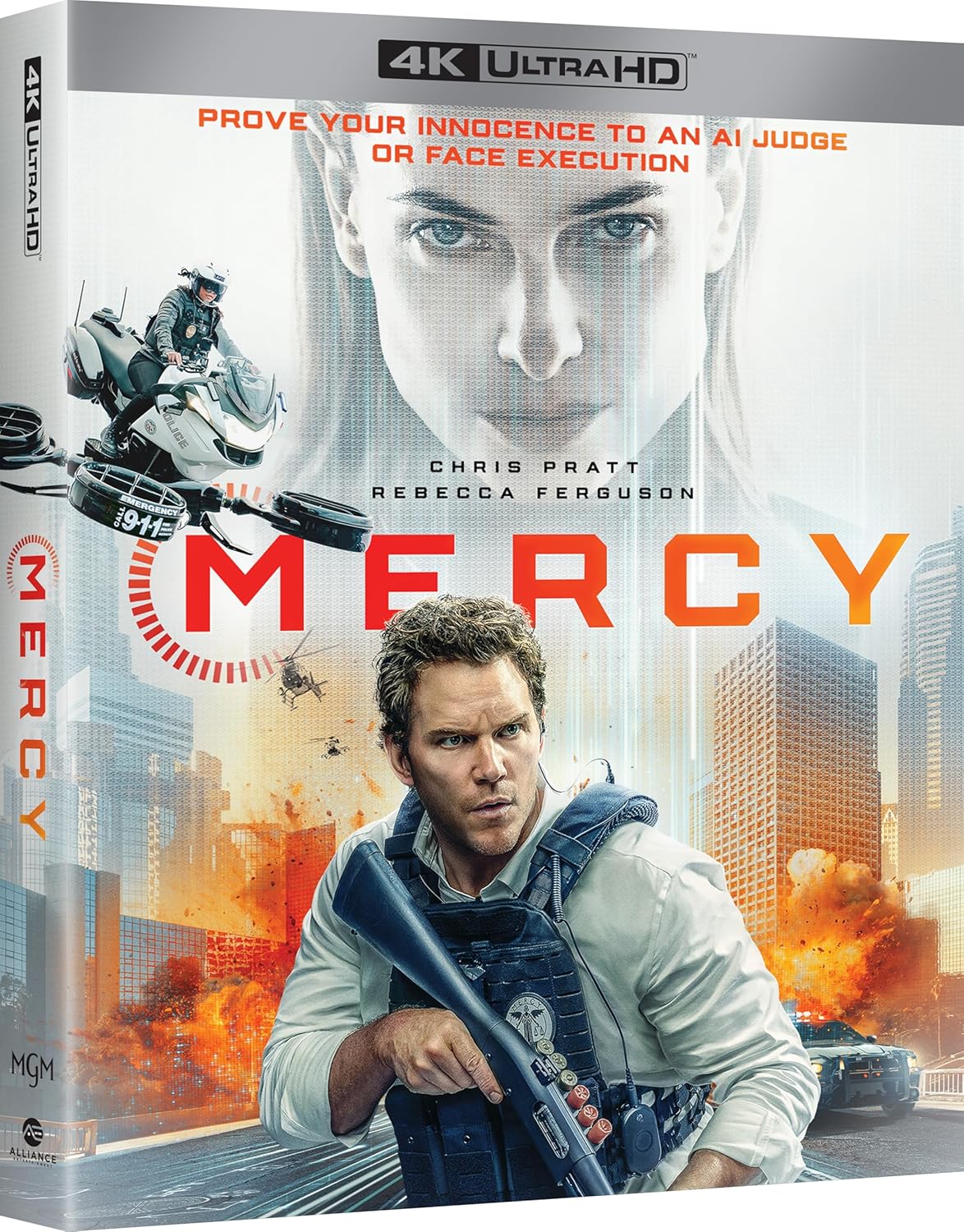
This film feels like what would happen if Minority Report and Source Code had a baby. Chris Pratt and Rebecca Ferguson give it their all, and while the film can be exhilarating at times, it wasn’t a mind-blowing experience. The premise is as follows: in the not so distant future (2029 to be exact), Los Angeles establishes Mercy Capital Court in response to a surge in crime using artificial intelligence (AI) judges to try defendants for violent offenses. To assemble evidence, all devices are registered to the municipal cloud to allow the AI judge to pass judgement. The AI judge also gives the defendants all available resources to find and provide all the evidence needed to prove their innocence in 90 minutes or be executed via a sonic blast. Pratt’s character finds himself in that very predicament, facing execution for the alleged murder of his wife.

It's Planet Of The Apes meets Cujo, and it sure isn't pretty. Part of me actually loves this kind of thing, but it has more to do with when the film is than how good or bad the film happens to be. For a lot of critics, we have just spent the better part of our last year being inundated by awards bait in one form or another. Everyone wants your attention right then. I have to vote in two guilds, and honestly by the time it's over and I've managed to cram 60-70 films or more into my holiday activities, I'm more than a little burned out. So after that little break as the new year begins, I always welcome those first films that asks nothing more of me than to sit there and soak it in. There aren't going to be any Best Picture nominations here. No one is going to be buzzing about Primate when we start talking Best Actors and Cinematography.