Posted in: Disc Reviews by Michael Durr on May 7th, 2008
The original Teenage Mutant Ninja Turtles series ran from 1987-1996 and had over one hundred and ninety episodes. Millions watched as Leonardo, Donatello, Michaelangelo, & Raphael grew up from little turtle babies into mean, green, fighting machines. They could take on Shredder, Krang and any other bad guy that wanted to turn them into turtle soup. The sixth season takes on episodes 128-143 and spins them into a tiny two disc package from Lionsgate. Over a hundred episodes in, do the turtles still pack the punch they did back in 1987? As Splinter would say, "Be patient young ones, the answer will come."
Let's see, where were we in the TMNT saga? The last episodes of the fifth season saw the Turtles land up on a planet where turtles ruled and introduced us to a couple of new mutants named Groundchug and Dirtbag. True to form however, the turtles were successful in their exploits and sent Krang & Shredder back to the Technodrome. Season six opens with Krang & Shredder in the Technodrome, trapped in the Arctic. The Turtles are busy eating pizza, fighting crime and striking back at whatever plan the bad guys hatch at them each episode.
Posted in: Disc Reviews by Gino Sassani on April 30th, 2008
Who says no one likes a guy who’s negative all he time? Becker has got to be one of the most cynical, grumpy, and negative characters to grace our sit-com screens. He’s a guy you probably love to hate, and he’s also hilarious. Ted Danson spent over a decade behind the bar at Cheers and could have easily called it a career. You know, stop while you’re ahead. Instead he climbed right back into the television saddle and reemerged as Dr. Becker. This time he’s a medical doctor who hates everything and everyone around him. Refusing to display that little bit of a heart we all know he has, Becker spends most of his life complaining about everything. Never before has it been so much fun to watch a guy moan and groan for twenty minutes at a time. Fortunately for him, Becker is truly a dedicated doctor, and while he’s likely to complain about it the whole time, he’ll go to any extreme to help a patient.
Posted in: Disc Reviews by Gino Sassani on April 29th, 2008
So here we are again with a third collection of episodes from The Young Indiana Jones Chronicles television series. This final series is called Years Of Change. Most of the episodes and features deal with the span of years between the World Wars. The 20’s were indeed an inventive time when people like Thomas Edison were at their peak. Peace was at hand, and no one really knew for how little time it would last. Most people had extra money and life was one big party. From our 21st Century hindsight, we know it was all doomed to come crashing down before the decade ended, but for most people at that moment life was good. Indy gets himself in some rather unlikely positions in this set. I can’t imagine him getting involved in a film production, but there it is. This set completes the trilogy of releases, and you now have every Young Indy adventure filmed. This is also the set you’ve been waiting for, as it features Harrison Ford’s single appearance in the show as Indy at 50 years old. It’s a bookend type of appearance, but it sure is nice to see old Harrison Ford as Indiana Jones for what we expected back then was the final time.
Posted in: Disc Reviews by Gino Sassani on April 25th, 2008
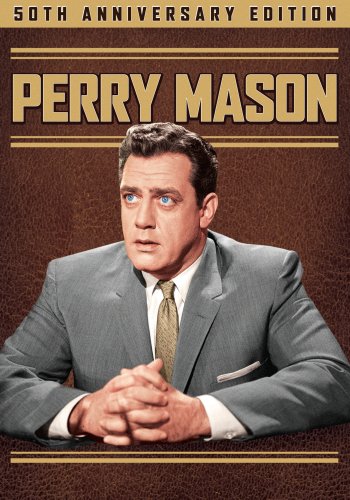
If you’re a fan of Perry Mason you need to approach this 50th Anniversary collection with mixed feelings. With no new announcements of future season or half season releases, this set does have the look of finality to it. The last set was the second half of season 2 released November of 2007. With this commorative release you get 12 episodes spread out from the remaining seasons starting with the third. While
Posted in: Disc Reviews by Gino Sassani on April 25th, 2008
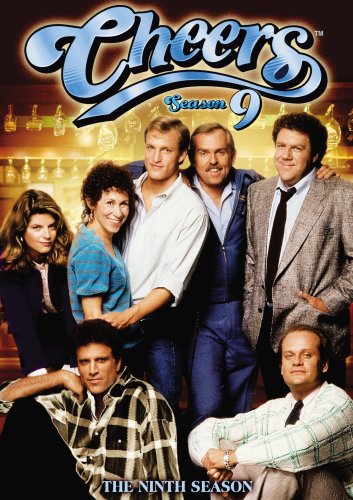
Cheers was that kind of place that songs have been written about. Billy Joel’s Piano Man describes such a place where the patrons are, for the most part, regulars and pretty much family. In the days before huge screen televisions and satellite networks, Cheers would likely have been considered a sports bar. In those days the sports was more the talk of the place and not merely gathering to watch 127 games at a time. The bar’s owner was Sam Malone (Danson). Sam was a washed up baseball player for the local Boston Red Sox. He was a pitcher who liked to drink a bit too much. So, what does he do? He buys a bar. Actually the character has kicked the drinking and is always seen sporting a bottle of water. At first his bartender was his old baseball coach, until Nicholas Colasanto passed away after 3 years. Coach was replaced by Woody, played by Woody Harrelson. Woody was a farm boy with naiveté and small town charm reminiscent of Radar from MASH. His innocence was often the butt of the jokes. In a strange coincidence, the show’s popular theme song, performed by Gary Portnoy, sounded a lot like Harrelson’s voice, and for years it was believed by anyone too lazy to read the credits that Harrelson sang the tune. The barmaid was Carla, played by Danny DiVito’s wife Rhea Perlman. She reminded us a lot of her husband’s Louie character from Taxi. She was abrasive, sarcastic, and more than willing to kick a guy when he was down. She had a soft spot for Sam, however, and was often protective of him. Kirstie Alley played Rebecca Howe, an on again off again romantic interest for Sam and also on again off again owner of Cheers in later years. She replaced Shelly Long who played Sam’s romantic interest and barmaid Diane for the first half of the show’s run. The steady customers offered most of the stories for Cheers. Cliff, played by John Ratzenberger, was a postman who spent more time nursing a beer than actually delivering the mail. He often joked about how hard it was to fire a civil service employee. He was a knowitall and too often bored his comrades with longwinded explanations for even the simplest concepts. His best friend was Norm (George Wendt). Norm was one of the more popular patrons, greeted with shouts of “NORM” whenever he entered the bar. He sat in the same stool, usually griping about his life but unwilling to move off his seat and actually do anything about it. He was married to an unseen wife who worked while he loafed at Cheers. Finally Kelsey Grammer played psychiatrist Dr. Frasier Crane. You might recognize that character the most because he got his own show after 9 years on Cheers which lasted another decade. Frasier was the elitist who acted superior to the others but deep down just wanted to be one of the guys.
Posted in: Disc Reviews by Gino Sassani on April 25th, 2008
I was just a kid when Laverne and Shirley became a successful spinoff from Happy Days in the 1970’s, and while I remember that it was on often in our home I could not have recited any episodes from memory. Like most of my generation, I remembered the enigmatic opening rhyme from the show’s opening segment, and like most kids then I couldn’t pronounce it and still can’t; don’t even ask me to spell it here. The Cyndi Grecco saccharine ballad was a hit for a while, playing far too often during the summer pool months.
Posted in: Disc Reviews by Michael Durr on April 23rd, 2008
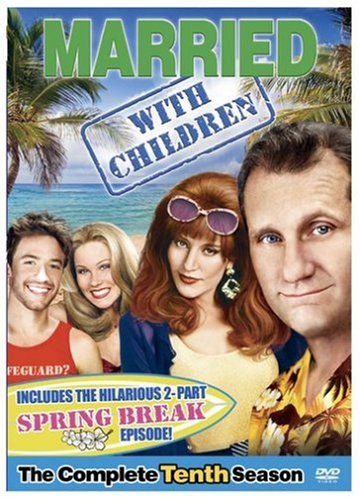
Love and marriage, love and marriage, go together like a horse and carriage, this I tell your brother; you can't have without the other... Chances are if you know this song by heart, you have watched a lot of episodes of Married with Children (or you adore Frank Sinatra ). The Bundys are back for their eighth season of marital hijinx. Once it was just a random trivia question about one of the shows that was first on the little known Fox tv channel (Tracey Ullman and Garry Shandling are two others by the way). Later, it went on to be one of the network's greatest early hits and out lasted almost everything except the Simpsons. So would another twenty six episodes of crass sarcasm and dysfunctionality dilute the product or just keep the laughs coming?
The seventh season of Married with Children had introduced us to an unpopular character known as Seven. This character was written as a way to give the Bundys a third child. However, by the eighth season the character had been written off mostly as a failed experiment. The character would later be referenced in later shows as classic wink-wink jokes to those who closely followed the series but nothing more. The eighth season was more of a return to form for Al (played by Ed O'Neil), Peggy (played by Katey Sagal), Kelly (played by Christina Applegate), and Bud (played by David Faustino) Bundy. Peggy tries to make a free-throw for cash and keeps trying to find ways to make marriage bliss with Al. Bud discovers his cool factor in an episode and suddenly becomes a love machine, at least in his own mind. Kelly is still trying to land a sports celebrity or fill up her brain with useless trivia to win a game show. Then there is Al, who spends episodes starting up clubs against women (No Ma'am) or getting his old Dodge up to the one million mile mark.
Posted in: Disc Reviews by Gino Sassani on April 21st, 2008
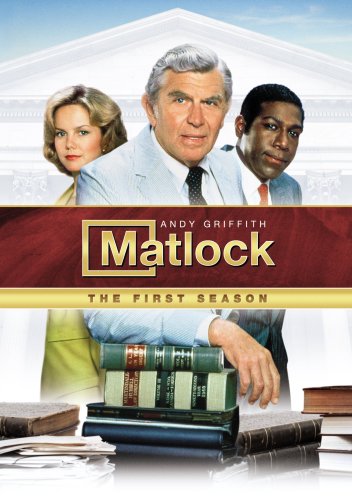
Imagine Sheriff Andy Taylor older and now an attorney, and you pretty much have the set up for Matlock. Forget for a second that both characters were played by Andy Griffith. That’s not all they have in common. Matlock is every bit the “southern gentleman” that
Posted in: Disc Reviews by Gino Sassani on April 21st, 2008
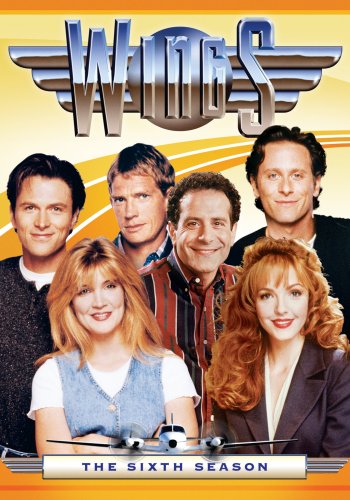
Wings was one of those unusual sitcoms that depended more on the characters than the situations they were in. While the setting was a small
Posted in: Disc Reviews by David Annandale on April 10th, 2008
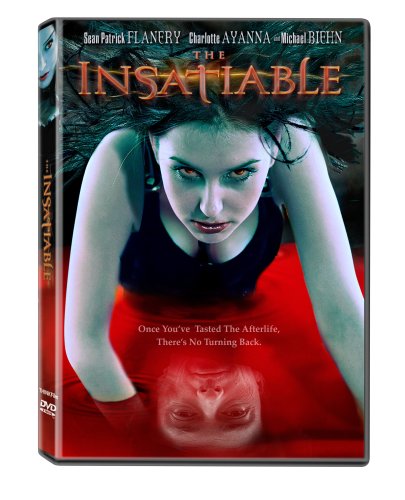
Sean Patrick Flanery is Harry Balbo, an introverted nobody at a nothing job where he constantly mocked by the unfunny office clown. One night, on his way home from the convenience store, he sees a female vampire rip off a homeless man's head. No one believes him, and his feelings move from frustration to terror when, a couple of nights later, he sees her at work again, and she scratches his face, marking him. He turns to crippled vampire investigator Michael Biehn for help, and eventually captures the vampire. Unable to bring himself to kill her, he is torn between sacrificing himself or others to her bloodlust.

This is a film that finds its strengths in its incidentals. Harry's depressing work environment, the tossed away dialogue from minor characters, the little humiliations of his life and his eccentric little obsessions all work well, and are very funny. The actual vampire storyline isn't quite as fresh and witty, though nestled in such an enjoyable context, it works well enough.