DTS HD 1.0 MA (English)

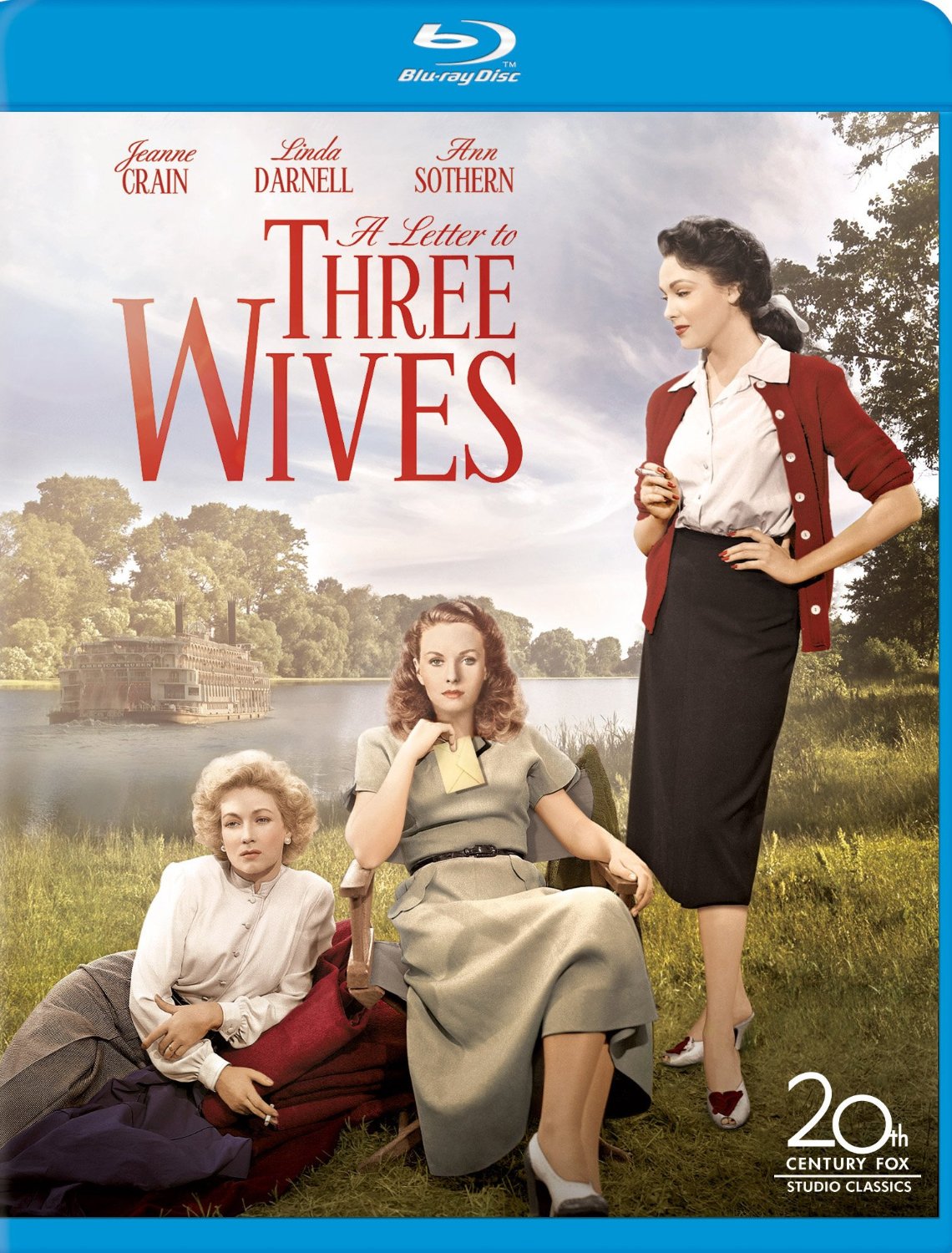
“To begin with, all the incidents and characters in this story might be fictitious, and any resemblance to you or me might be purely coincidental.”

Right off the bat, the unseen, all-knowing narrator of A Letter to Three Wives lets her audience know the characters in the film aren’t the only ones who are about to have their heads profoundly messed with. That sort of smart playfulness is one of the many reasons you should check out this terrific romantic dramedy from legendary writer/director Joseph L. Mankiewicz now that it’s on Blu-ray for the first time.


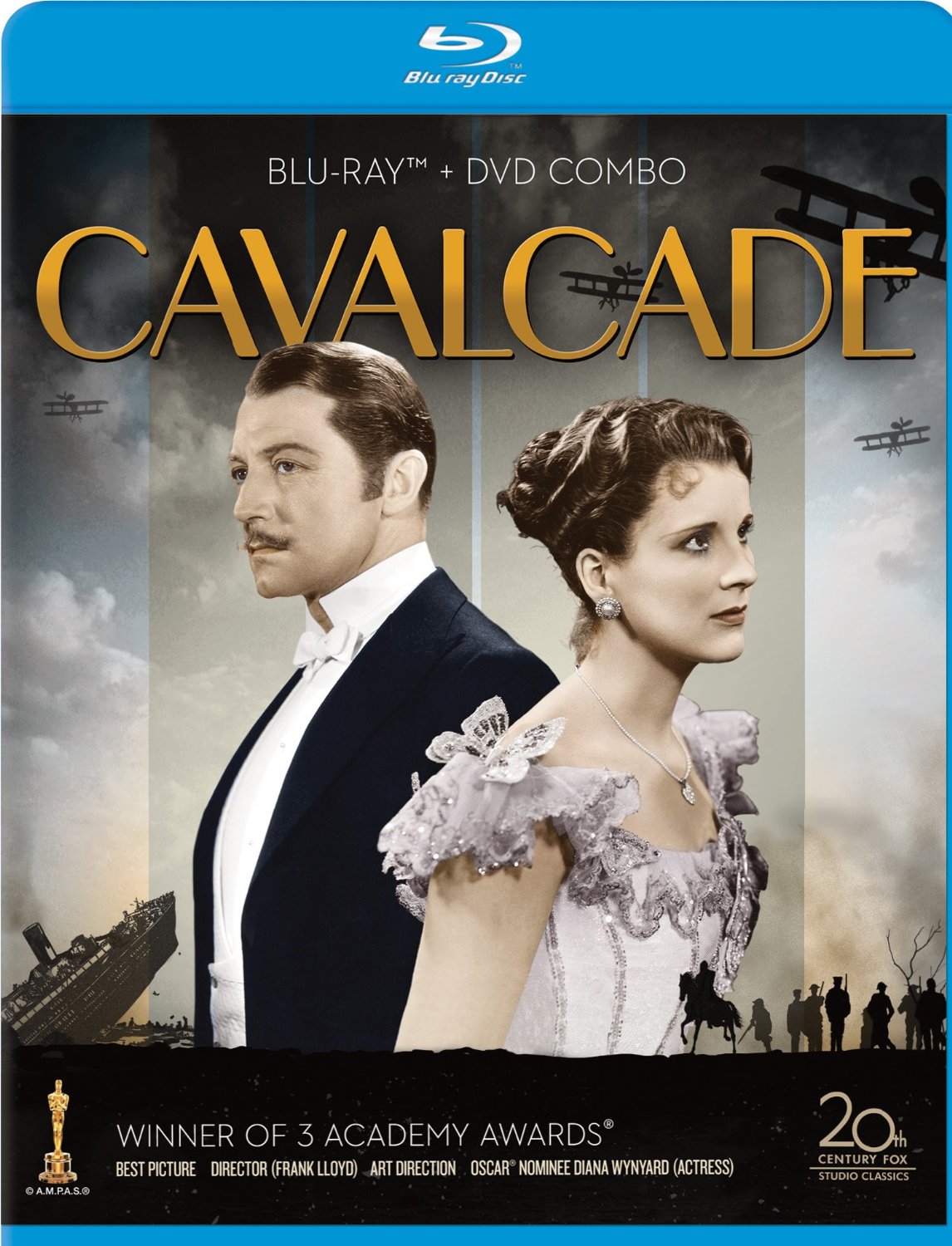
All Best Picture winners are not created equal. Some of them achieve cinematic immortality, while others are viewed as outright travesties. Then there’s the group of Oscar winners who have arguably suffered a fate worse than the derision and mockery of movie fanatics: the forgotten Best Picture winners. Cavalcade — described in this Blu-ray’s commentary as “not a particularly well-remembered Academy Award winner” — certainly falls in that category.

“This is the story of a home and a family; history seen through the eyes of a wife and mother whose love tempers both fortune and disaster.”

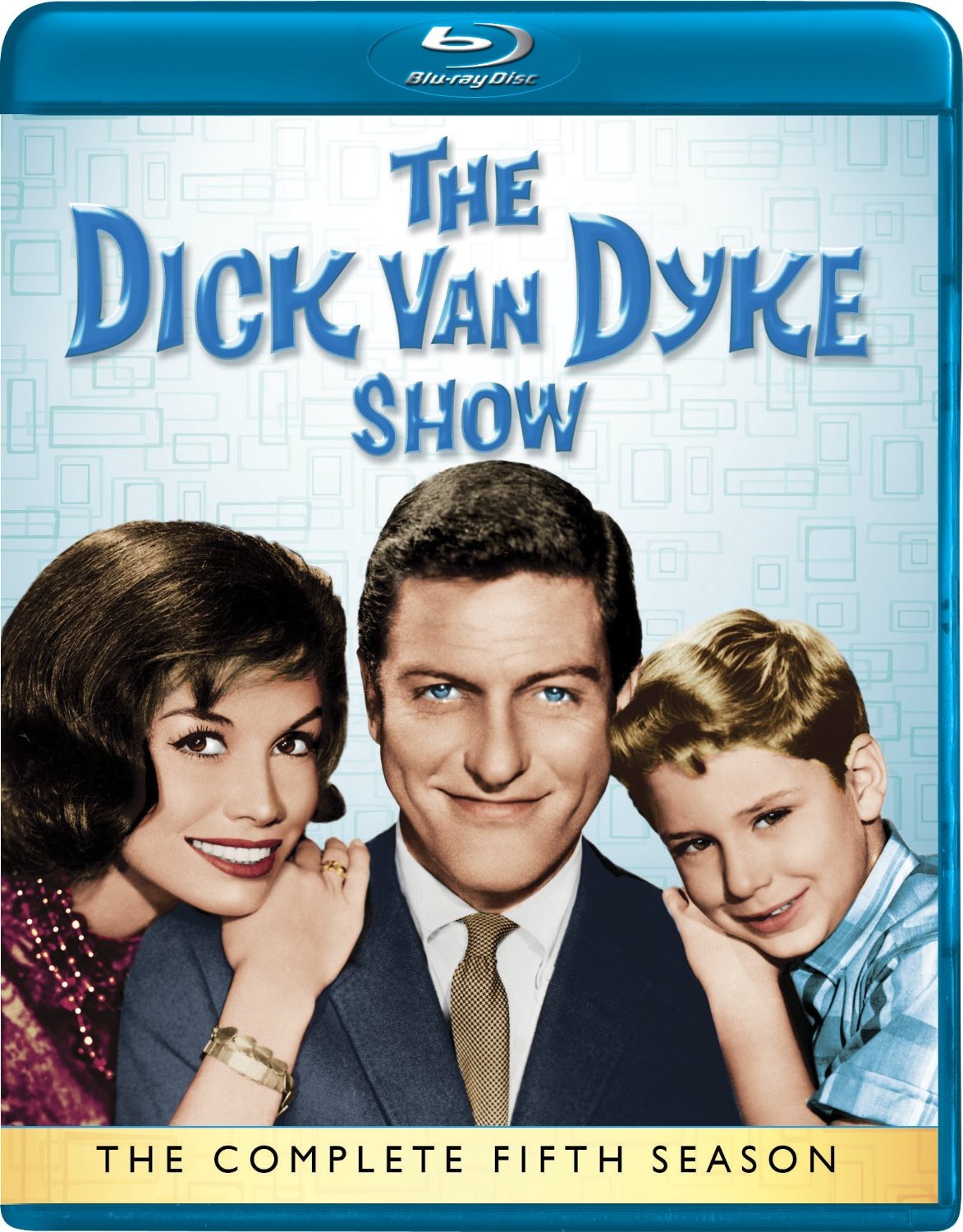
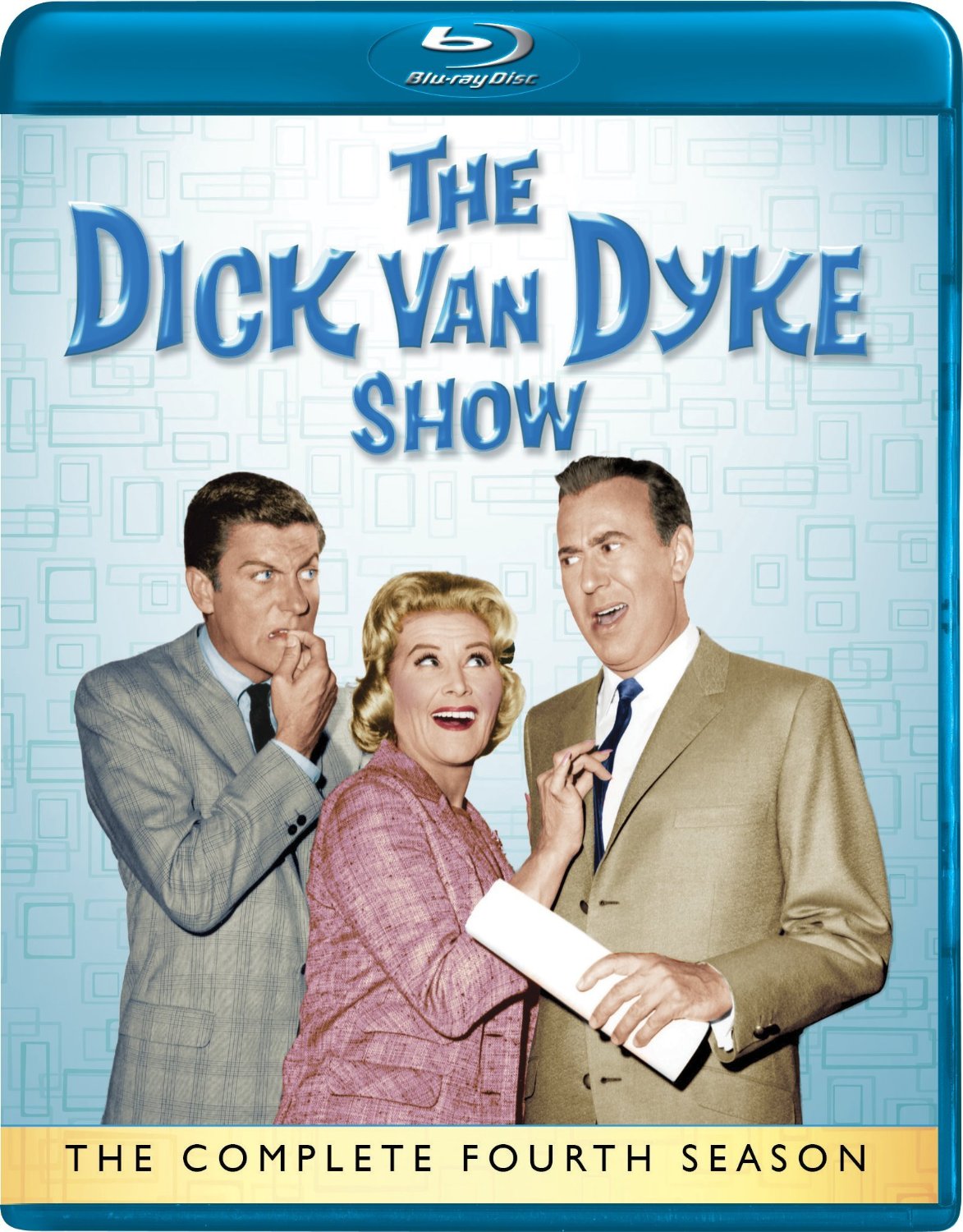
When the show ended in 1966 it was still one of the most popular shows on television. Both Dick Van Dyke and Mary Tyler Moore wanted to do something else. Both were made confident by the huge stardom the show provided them, but neither was ever able to reproduce the magic here. Of course, Mary Tyler Moore found great success with a different kind of show in The Mary Tyler Moore Show. That one would go on to become a classic in its own right. CBS didn't want the show to end and continued to run the reruns for another four years before offering them to syndication where they continue to be a hit. Now that final season of classic episodes is available on high-definition Blu-ray for the very first time.

When one thinks of The Dick Van Dyke Show it's hard not to think of its star Dick Van Dyke. After all, it's his name on the opening credits, and he does play the lead character in this groundbreaking television comedy. There's little question that the show became a wonderful vehicle for his many comedic talents. But the genius behind the show wasn't really Dick Van Dyke at all. It was Carl Reiner (yes, Meathead's father) who was the true brains behind the show.

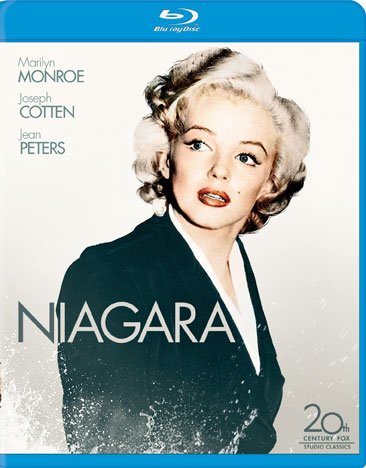
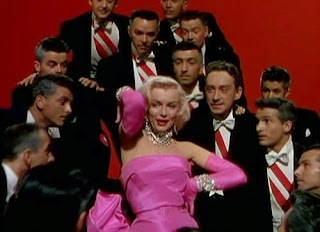
For most modern moviegoers, Marilyn Monroe is probably more “famous for being famous” than she is for her cinematic body of work. (Of course, she’s also infinitely better known for an entirely different “body of work.”) That’s not totally fair because Monroe has at least one bona fide classic (Some Like It Hot) and a handful of indisputably indelible images among her movie credits. Those of you interested in exploring her filmography are in luck: Fox has just released two titles from her mid-1950s superstar peak on Blu-ray, including her femme fatale turn in Niagara.

Monroe stars as Rose Loomis, who is visiting Niagara Falls with her older, jealous, volatile husband George (Joseph Cotten). When the film opens, Rose and George are staying in a cabin reserved by Polly and Ray Cutler (Jean Peters and Casey Adams), but the Cutlers agree to take another room and give the seemingly troubled couple some space. Turns out George has good reason to be jealous: during a tour of the Falls, Polly spots Rose making out with another man. Eventually, we learn Rose and her lover plan to kill George and run away together.

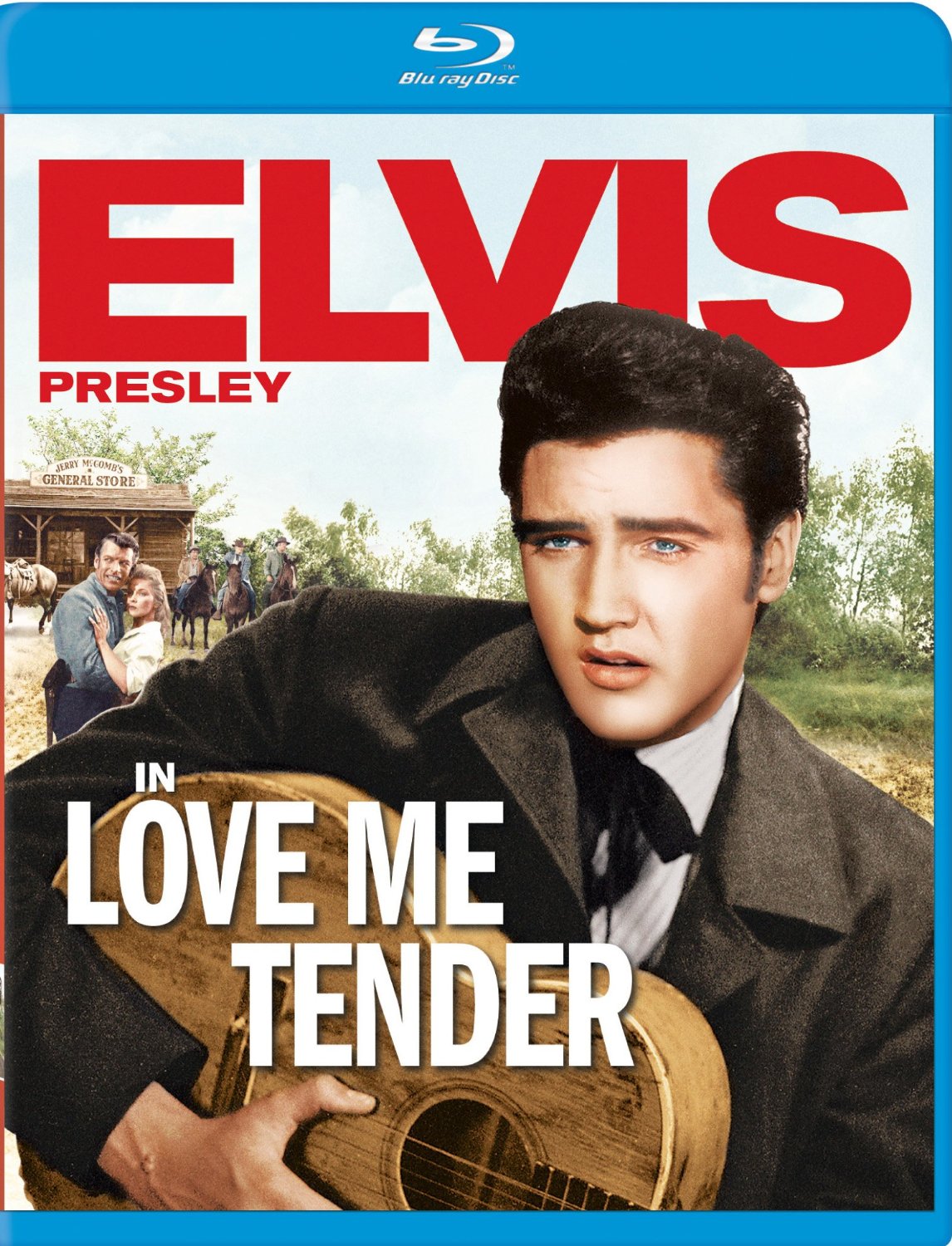
Elvis Presley was easily one of the most impactful pop culture icons of the 20th century during his life, and that status has barely waned in the decades after his death. (Or “alleged death”, given the number of Elvis sightings each year.) Presley obviously made his most lasting mark in the world of rock and roll music (and fashion), but he also had a surprisingly fruitful film career. Though none of his movies turned out to be cinematic masterpieces and no one was confusing him with Marlon Brando, The King brought his charismatic presence to more than 30 movies between 1956 and 1969. He was 21 when he made his film debut in Love Me Tender.

Fox has just released the 1956 Western/Civil War drama on a nifty-looking Blu-ray. (More on that in the Video section.) The first thing that struck me about the black & white film is that Presley — arguably the most famous person in the country at the time — is not really the star.

Cruel blood sport or culturally-significant art form? That’s been the centuries-long debate surrounding the practice of bullfighting. Personally, almost everything I know about bullfighting comes from Ernest Hemingway stories and Looney Tunes. So Blood and Sand — a grand, cynical bullfighting drama/Technicolor spectacle from 1941 making its Blu-ray debut — was an eye-opening experience in more ways than one.

Blood and Sand is the story of Juan Gallardo (Tyrone Power), who we first meet as a bullfighting-obsessed child (played by Rex Downing) in Seville. Juan’s father was a legend in the sport — and the kid will eagerly break a bottle over the head of any pompous critic (like the one played by Laird Cregar) who disagrees — and the brash boy is obsessed with following in his footsteps. (He routinely sneaks onto a ranch at night to work on his skills.) Eventually, he runs away from home with a group of friends and travels to Madrid in the hope of becoming Spain’s greatest bullfighter.

When one thinks of The Dick Van Dyke Show it's hard not to think of its star Dick Van Dyke. After all, it's his name on the opening credits, and he does play the lead character in this groundbreaking television comedy. There's little question that the show became a wonderful vehicle for his many comedic talents. But the genius behind the show wasn't really Dick Van Dyke at all. It was Carl Reiner (yes, Meathead's father) who is the true brains behind the show.

Reiner was a popular comedy writer in the early days of television. He made his name with Sid Caesar, writing for the very popular Your Show Of Shows. During that time he had been inundated with ideas for his own show. He wasn't happy with any of them and decided to write his own. The result was Head Of The Family. It starred Reiner as Rob Petrie, a television comedy writer living in the New York suburbs of New Rochelle. In a break from traditional sit-com style, he told his stories both at home and at the office. We got to see Rob with his fellow writers and with his wife and neighbors. If any of this sounds rather familiar...it should. It was a clever idea, but it stank up the ratings and was soon dropped.

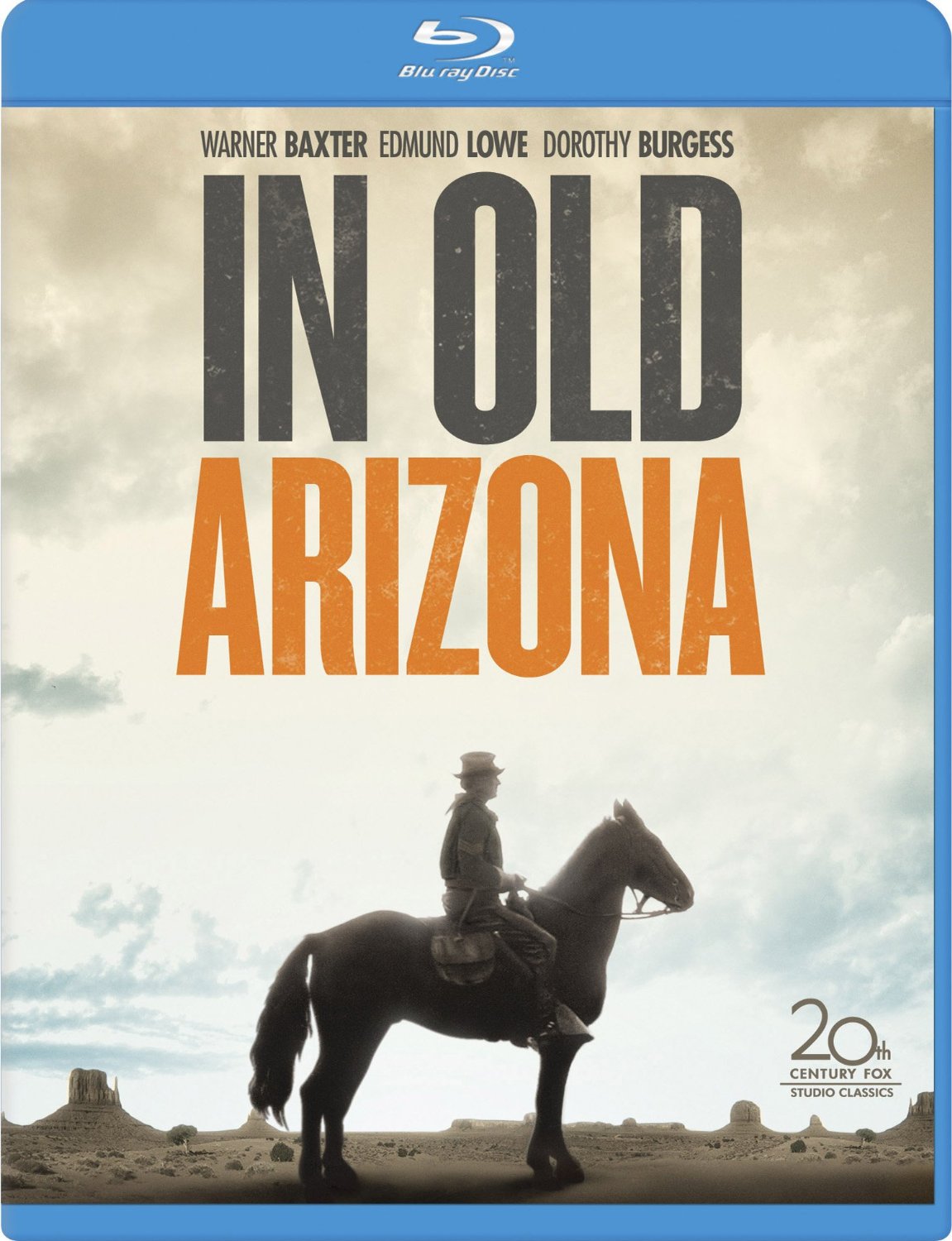
For a significant part of the last century, the Western was the dominant form of entertainment, ruling the Hollywood roost on both the big and small screen. Some of moviedom’s most iconic sounds — galloping horses, trusty six shooters, Ennio Morricone’s best work, “In this world, there’s two kinds of people: those with loaded guns and those who dig” — have come from the genre. And it all started In Old Arizona.

The 1929 Fox film was one of the most groundbreaking and innovative motion pictures of its time. In Old Arizona was the first major Western to use the new sound technology, as well as the first “talkie” to be filmed outside the confines of a cozy studio lot. (Filming took place in Utah, California, but, ironically, not Arizona.) Star Warner Baxter won an Oscar for his portrayal of the charismatic Cisco Kid, a performance that served as an early prototype for the singing cowboy on film.

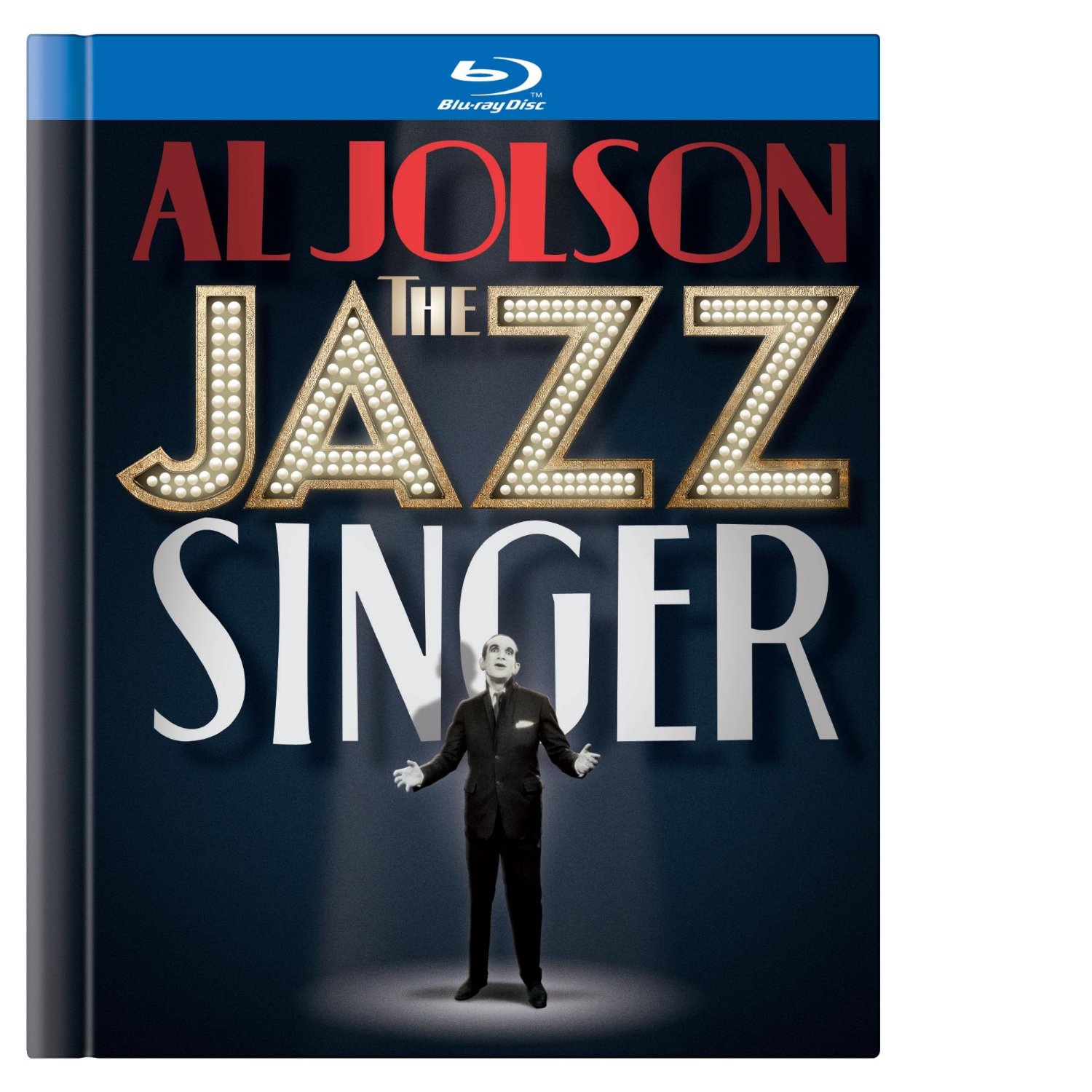
If you’re any sort of discerning cinephile — and if you’ve taken the time to visit our fine site, I’m going to assume you are — you’ve probably heard of The Jazz Singer. Of course, for the movie-going public in the late 1920s, The Jazz Singer was unlike anything they’d ever heard: the first feature-length motion picture with synchronized dialogue. Or, put more simply, the first “talkie.” Though you probably know it revolutionized the film industry, I’m betting it’s a lot less likely you’ve actually seen The Jazz Singer.

I liken it to Jackie Robinson’s place in sports history. Most of us know Robinson was the first African-American Major League baseball player in the modern era, but I suspect a much smaller number of us have seen footage of Robinson in action. Similarly, The Jazz Singer’s place in film history has been secure for decades, but even movie nerds with more than 700 titles in their collections (hi there) haven’t gotten around to watching it. Fortunately, Warner Bros. has released a spiffy new Blu-ray of the groundbreaking 1927 film to help remedy this situation.