MGM

Synopsis

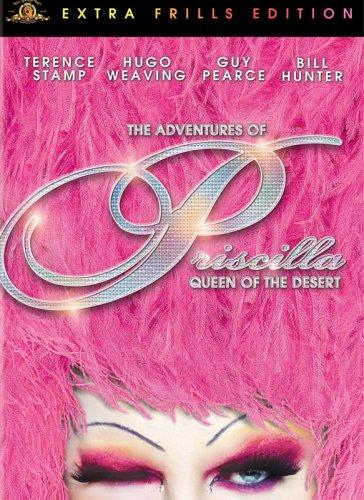
One of my favorite movies of all time is Rocky Horror Picture Show. My favorite character of that movie is Dr. Frank-N-Furter who is just a sweet transvestite transexual from Transylvania. So when I got Priscilla Queen of the Desert to review which had two cross dressers and a trannie and a grand helping of humor to boot, I was hoping it would become one of my favorite movies as well. The story behind Priscilla is that Tick Belrose (drag name: Mitzi) ...(played by Hugo Weaving) got a contract to perform a show way out in the Australian desert. He convinces an old trannie named Bernadette (male name: Ralph) (played by Terence Stamp) and a rather flamboyant newcomer named Adam (drag name: Felicia) (played by Guy Pearce) to come along to be part of the act. From there, they take a faboulous journey across the desert with many hilarious stops along the way.

Synopsis

Gary Cooper is a writer who hit it big with his first book, but has been mechanically producing more of the same ever since while he and his wife booze it up in New York high society. When his publisher rejects his latest tossed-off effort, Cooper and wife (now dead broke) retreat to his old family home in the country. There he gradually falls in love with the daughter (Anna Sten) of his Polish neighbour. She herself is engaged (unhappily) to another man. The budding relationship is thus fra...ght with many perils.

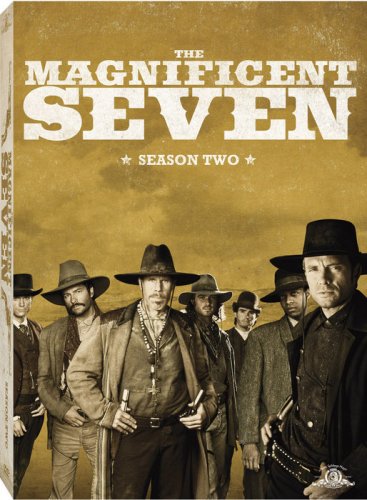
Maybe it’s just not possible to do a good western on television these days. Most of the more recent attempts have come up pretty empty, and The Magnificent Seven is no exception. I'd have to say that perhaps The Adventures Of Brisco County, Jr. might be the lone standout. The Magnificent Seven certainly tries. All of the traditional clichés are there, from the Ponderosa rip-off music to the “howdys” and “reckons” in the dialogue. There’s plenty of gunplay and horses to meet the expected quotas, but it all looks way...too staged for my tastes. It felt like I was watching one of those Amusement Parks Ol’ Western Shows. The cast is relatively impressive, but whether it’s that there are too many of them for true character development or no one on the writing crew decided character was important, I can’t say for sure. It’s just not there.

Seven unlikely men join together to protect a Western town from those that might take advantage of its peace-loving citizens. The seven are pretty much ordinary folk thrust into extraordinary circumstances working for an old judge (Vaughn) for $1 a day plus room and board. Michael Biehn plays Chris Larrabee, who is pretty much the unofficial head of the seven. He usually wears black, going against the “good guys wear white” western tradition. His family had been lost to a tragic fire. Following him are: Buck Wilmington (Midkiff), JD (Kavovit), Vin Tanner (Close), Ezra Standish (Starke), Nathon Jackson (Worthy) and Josiah Sanchez (Perlman), a defrocked preacher. Perlman gets most of the best lines. In the season opening he is asking God for a sign when a nearby dog barks, signaling the return of his fellows. He looks up to Heaven and says, “I bet you thought that was funny, didn’t you?”. The second season begins with a new lawman in town who doesn’t take to the seven’s tactics in protecting the town. When he posts a long list of new laws, including no firearms in the city, the seven leave the town to its own fate. As you might expect, a few of the local tough guys take advantage of their leaving and begin to run the town ablaze. Certainly the boys return and a new season is set up. Now they have the title of “honorary” marshalls. Let the good times roll.

Synopsis

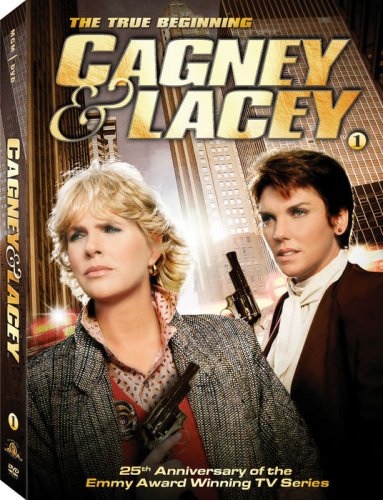
Groundbreaking is often a word that is simply used too much. People tend to sling it around whenever they find a movie or tv show that is just simply different. However, this is not the case with the groundbreaking show: Cagney & Lacey. It was to show two women in leading roles as police officers solving crimes and getting the bad guys. The show in its first season alone would explore such controversial women's issues as date rape and burnout (which a lot of women du...ing that time experienced when faced with both being employed and a domesticated wife). The cast was centered around Christine Cagney & Mary Beth Lacey (played by Sharon Gless & Tyne Daly respectively) and plays an important part in women's television even today.

Synopsis

I’m one of the few who hasn’t experienced the magic of Robert Cormier’s novel “The Chocolate War”, and I was surprised to hear that it was the most banned book for a time (and still might be). When the film came out, not only did I not hear about it, but in 1988 I was in the middle of high school, and I (along with many other people) sure as hell could have used this film back then, not to say that all the John Hughes films weren’t a welcome breath of air into my life.

Synopsis

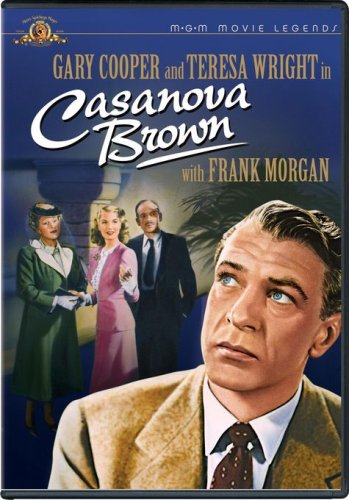
After a whirlwind romance leads to a quick marriage, Gary Cooper’s introduction to his new in-laws ends in fiery catastrophe. The marriage annulled, he returns to his small town home and an earlier romance despite the best advice of father-in-law-to-be Frank Morgan, who wants to save his friend from the horrors of marriage. But when a critical number of months later, Cooper receives word that he is to be a father, and that his former wife (Theresa Wright) is planning on giving the baby up fo... adoption, he kidnaps the infant and holes up in a hotel, trying to raise the baby himself.

Thieves Like Us was never one of Robert Altman’s better known films. It did rather poorly at the box office in 1974, and I suspect it will fare little better on DVD. Certainly there is a bit more interest in Altman’s films with his recent passing, but Thieves Like Us is not a great representation of his work. It is a wonderful period piece, but there isn’t anything worthwhile happening inside that marvelously created world. Altman admits there were extreme cuts, over 45 minutes, made to the film. Perhaps that foota...e might have made a huge difference. An extended cut might have been the better way to go here. I suspect with Altman’s death, no one wanted to be the one to change any of his films right now.

The film is based on the Edward Anderson novel of the same title. The book had been filmed with superior results in the 1940’s as They Live By Night. Altman’s film more closely follows the book, and this could be its undoing. There is a reason why even the greatest written works are modified somewhat for the screen. This almost exact telling ends up being quite the bore. It just seems to go nowhere, and very slowly at that. The story follows three bank robbers who manage to escape prison only to return to their criminal ways. Most of the film centers on Bowie (Carradine), one of the robbers who falls in love with Keechie (Duvall). The other two are in and out of the story sparingly. The film is often compared with Bonnie and Clyde, but I don’t see it. First off, Bowie is never joined by Keechie on his criminal adventures. The most significant similarity is the brutality with which Bowie is gunned down in the film’s climax. Unfortunately Altman has developed superb characters and excellent actors to portray them, but he never ends up doing anything with them. Altman addresses the pacing and lack of action in his audio commentary, but he never tells us why. He only mentions at least 50 times that you couldn’t make a film with this pacing today. I think he’d have been better off not to have made one even 30 years ago. His reasoning is audiences today have less patience. That may be true, but the film didn’t exactly set any records even in 1974.

Synopsis

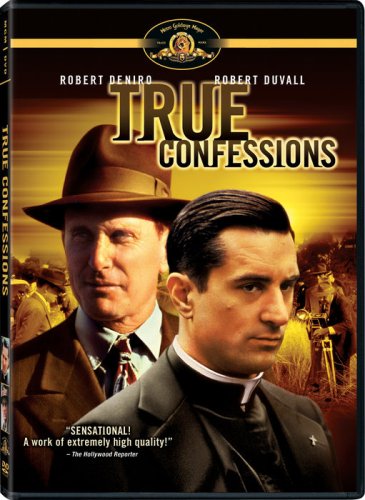
In the late ‘70s and early ‘80s, Robert De Niro may have taken on some more famous roles (like The Deer Hunter and Raging Bull), but he wasn’t shy to experiment in roles with directors like Bernardo Bertolucci (1900), to name a few. And in his first film after playing Jake LaMotta, De Niro plays Des, a monsignor who runs into his brother Tom (Robert Duvall, The Apostle), a police homicide detective.

Synopsis

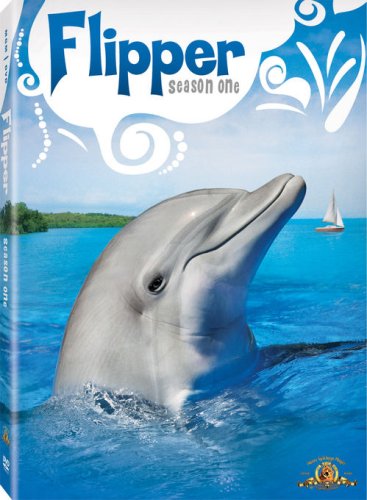
Here we go: all 30 episodes of the first season, wherein we follow the adventures of Flipper, a dolphin owned by youngsters Bud and Sandy. All three are watched over by their father, Chief Ranger Ricks of Coal Key Park. The formula for each episode generally sees either someone who needs rescuing (from drowning, shark attack, that sort of thing) and Flipper must help out, or the boys and the dolphin wind up in trouble after poking their noses somewhere they shouldn’t. It’s all very familiar,...but damn if the show doesn’t still generate a certain degree of suspense with its cascade of predicaments. Also fun is the behind-the-scenes talent. Co-creator and director of many episodes is Ricou Browning, who played the Creature from the Black Lagoon in the underwater sequences of that film. He gets to recreate that role in the final episode of the season, as a monster movie is being shot at Coral Key, and Browning plays the monster (the costume appears to be repurposed version of the one used in The Monster from Piedras Blancas). There are moments in this episode which are deliberate, happier echoes of the original Creature. Curiously, the Creature was played in the land scenes by Ben Chapman, and that name shows up in the credits too as production supervisor, though in this case the name is a coincidence.

Synopsis

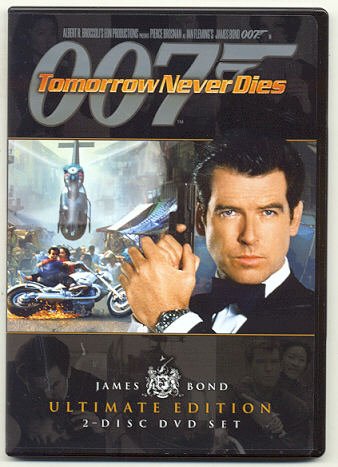
Well in the ever ongoing series of reviews of the James Bond series, this particular installment is the last of the Pierce Brosnan collection (the others are on the site, so go find them). And in Tomorrow Never Dies, I saved it for last because well, I needed some form of drama to keep me going.