Warner Bros.

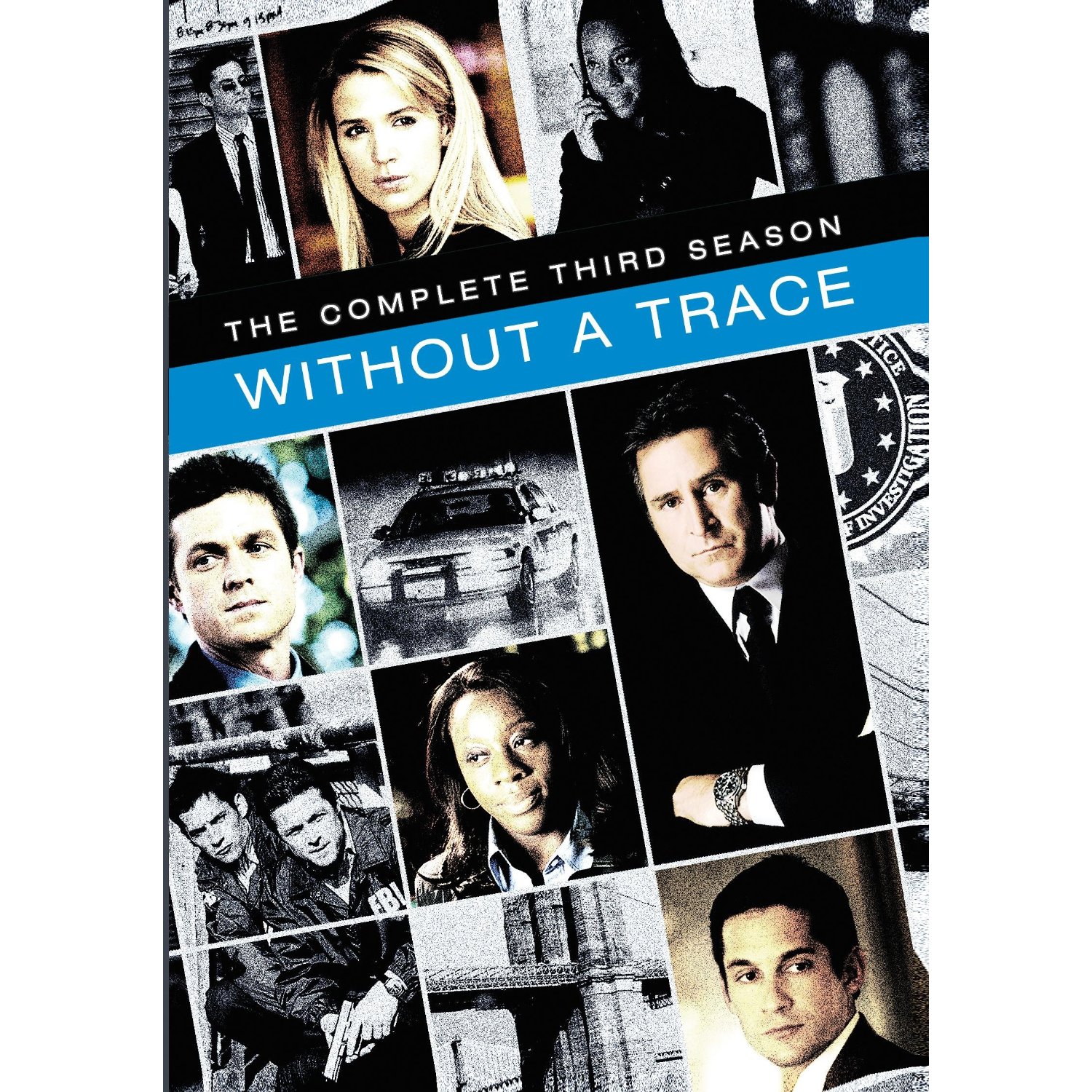
For most of the last decade or more CBS has dominated the primetime drama market on network television. One of the reasons, of course, has been the prevalence of top-flight crime dramas like the NCIS and CSI franchises. From 2003 until 2009 the Thursday line-up on the eye network included the blockbuster pairing of the original CSI and Without A Trace. Both were products of filmmaker Jerry Bruckheimer's television stable. While CSI focused on the science behind a criminal investigation, Without A Trace took the more traditional route of the human element to the FBI's Missing Persons Unit.

Jack Malone (LaPaglia) was the tough-as-nails head of the unit. He had a degree in psychology and acted very much like a profiler at times. It was his job to direct the investigation unit. The team consisted of Vivian Johnson (Jean-Baptiste). She was a veteran officer and Jack's right hand. Danny Taylor (Muciano) had changed his last name to escape his family roots which included a habitual criminal brother and an abusive father. The unit was his way of starting a new life. Martin Fitzgerald (Close) was the son of a powerful senator and was always fighting to prove himself on his own merits. Samantha Spade (Montgomery) was the young attractive young woman on the team who had already had an affair with the married Jack but also had romantic ties to Martin. Unfortunately, she didn't do much to break the vulnerable female role.

"My name is Charles Carmichael, and I have one final question for you. Have you ever had to subdue a Basque terrorist on a Swiss train? Or fight your way through the jungles of Southeast Asia? Or, take out an arms dealer with a penchant for murder and ice cream? Well... we have."

And, if you've been a fan of Chuck for the last five years, you know exactly what we're talking about here. And, for now, the ride has come to a close. Fear not, fans. This is quite a satisfying ending. And when you consider that by rights the show should have gone away after the second season, if you trust those guys at the Nielsen's, we've been given quite a lot of bonus time with Chuck.

Review writers like regular authors often have difficult times coming up with beginnings. Personally, I like to use an event from my history or relate some curious fact that parlays into the review. I figure I will be spending eight to ten paragraphs about the actual product, why waste the time and do more. Well today, I am reviewing the Real Adventures of Johnny Quest and let us just say if it was up to me, I would deviate as much from the source as I humanly could. But onto the review I go.

Author’s Note: This is a Warner Archive Disc (or two discs rather). It is supposed to be available on Amazon in addition to the WB Shop but at the time of this writing, it is not (4/6/12). So therefore, if you really want this addition to your Johnny Quest library, go the following address (WBSHOP) to purchase it:

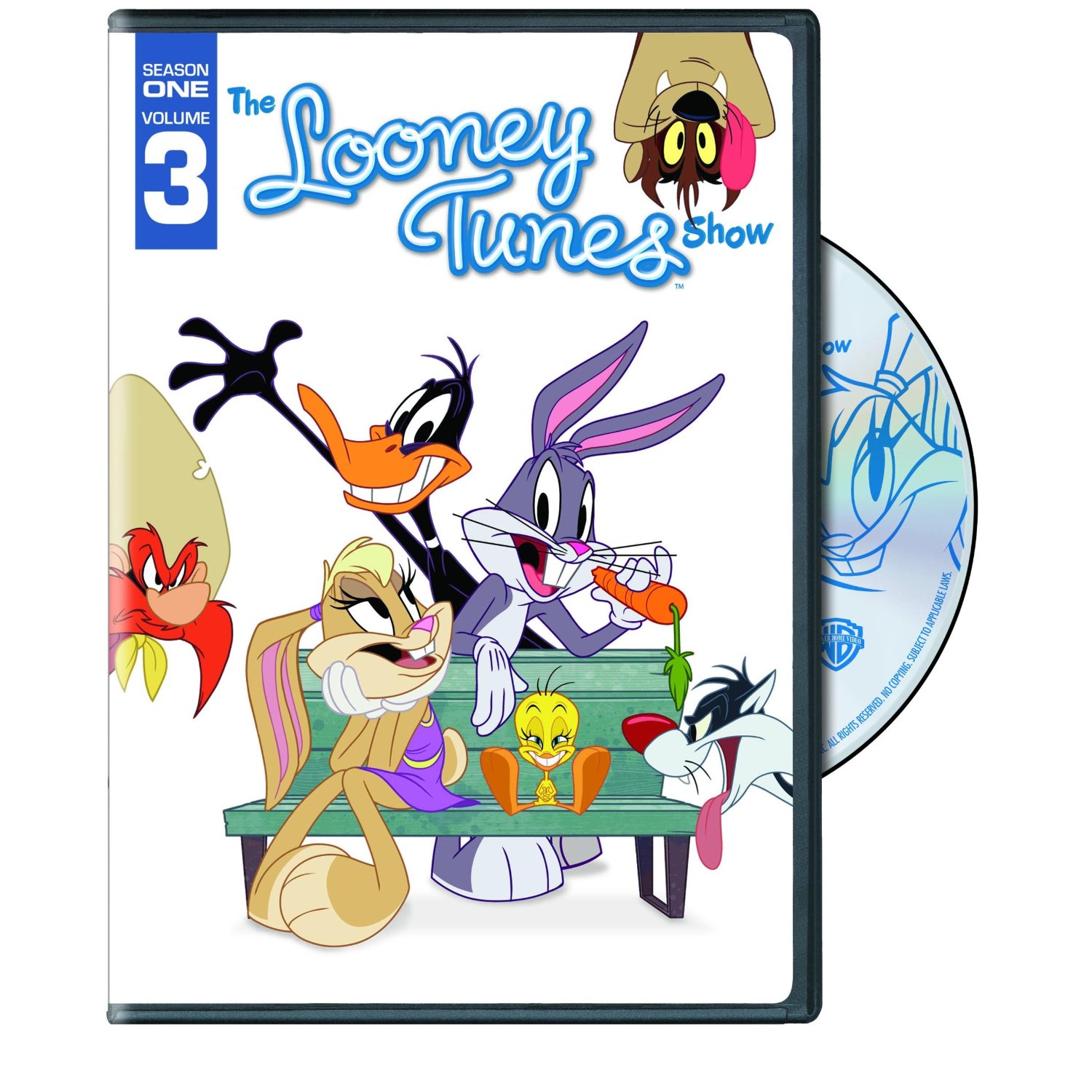
Bugs Bunny and his special Looney Tunes friends have been around for a long time. He first appeared in 1938 in his most familiar form. During the second World War he was a popular choice with the fighting men. Many of the cartoons of the era were patriotic, and some might even call them propaganda. They certainly pushed the war effort in a supportive way. When the war was over Bugs and his pals took on a wide range of subjects. Often movie stars were spoofed, and the series of shorts soon became a satire on the pop culture of the time. It's hard to really see it now, but Bugs and Looney Tunes were the South Park of their time, and no institution or celebrity was safe from being spoofed.

The cartoons have evolved over the years and have practically given Warner Brothers their identity for over 80 years. The characters still thrive. They do advertisements, and every now and then a new Looney Tunes cartoon show makes its debut. The Looney Tunes Show was one of those more recent entries in the franchise.

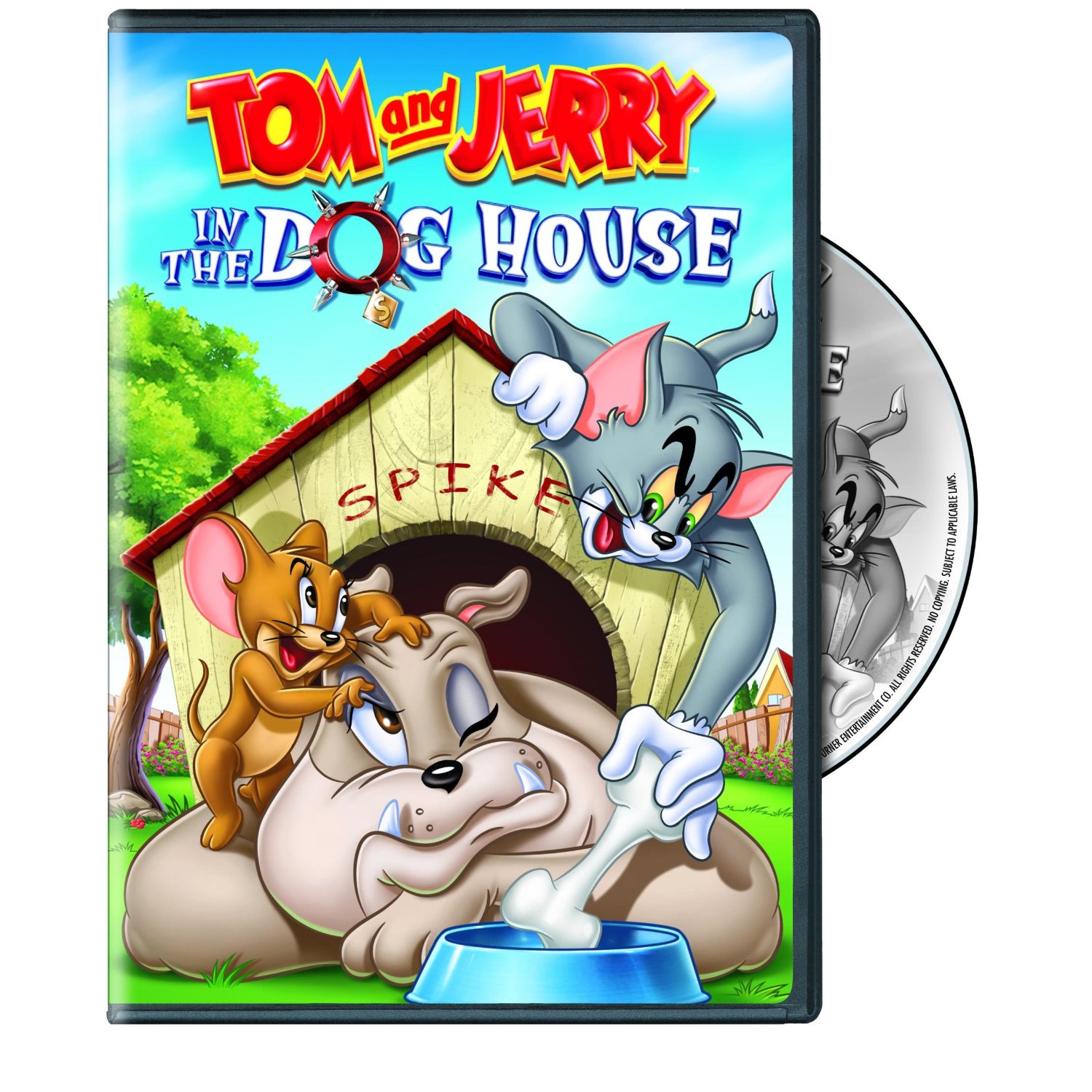
In the 1930’s and 40’s MGM was trying to get in on the lucrative animation game. The field was dominated at the time by Warner Brothers with their Loony Tunes shorts, and of course, the iconic cast of animated characters coming out of the Walt Disney Studio. For years they had failed to find the right property to take advantage of the market. It wasn’t until the team of William Hanna and Joseph Barbera approached the studio with their first project that the times did change, at least a little, for the fledgling animation department at MGM. The project was far from an original one even for the time. It was a very basic cat and mouse adventure featuring a cat named Tom and a mouse named Jerry. There would be almost no dialog on the shorts. It certainly didn’t look like much of a hit to the studio brass, but with no better ideas on the way, they went ahead with the new shorts of Tom And Jerry. There’s a reason why the cat and mouse pair is such a classic. It’s because it works. If you can make your characters entertaining and endearing enough, you can have a hit. MGM finally entered the major leagues, and the team of Hanna and Barbera would become one of the most successful animation teams in history. They would go on to create such cherished characters as The Flintstones, Yogi Bear, The Jetsons, and, of course, Scooby Doo.

These were the days of the Golden Age in Hollywood. These shorts were not being produced for television, which hadn’t been invented when they began; rather, they were intended for theater-goers. In those days going to the movies was much more of an inclusive experience. You always got a cartoon short along with an adventure serial, the likes of Buck Rogers, Flash Gordon, and The Lone Ranger. These multi-chaptered serials were the forerunners to the modern television series. It kept you coming back to the movies to see what would happen next. Each chapter ended in a cliffhanger. These early serials were the inspiration for such film franchises as Star Wars and Indiana Jones. Finally you got one, sometimes two movies, all for the price of a single admission.

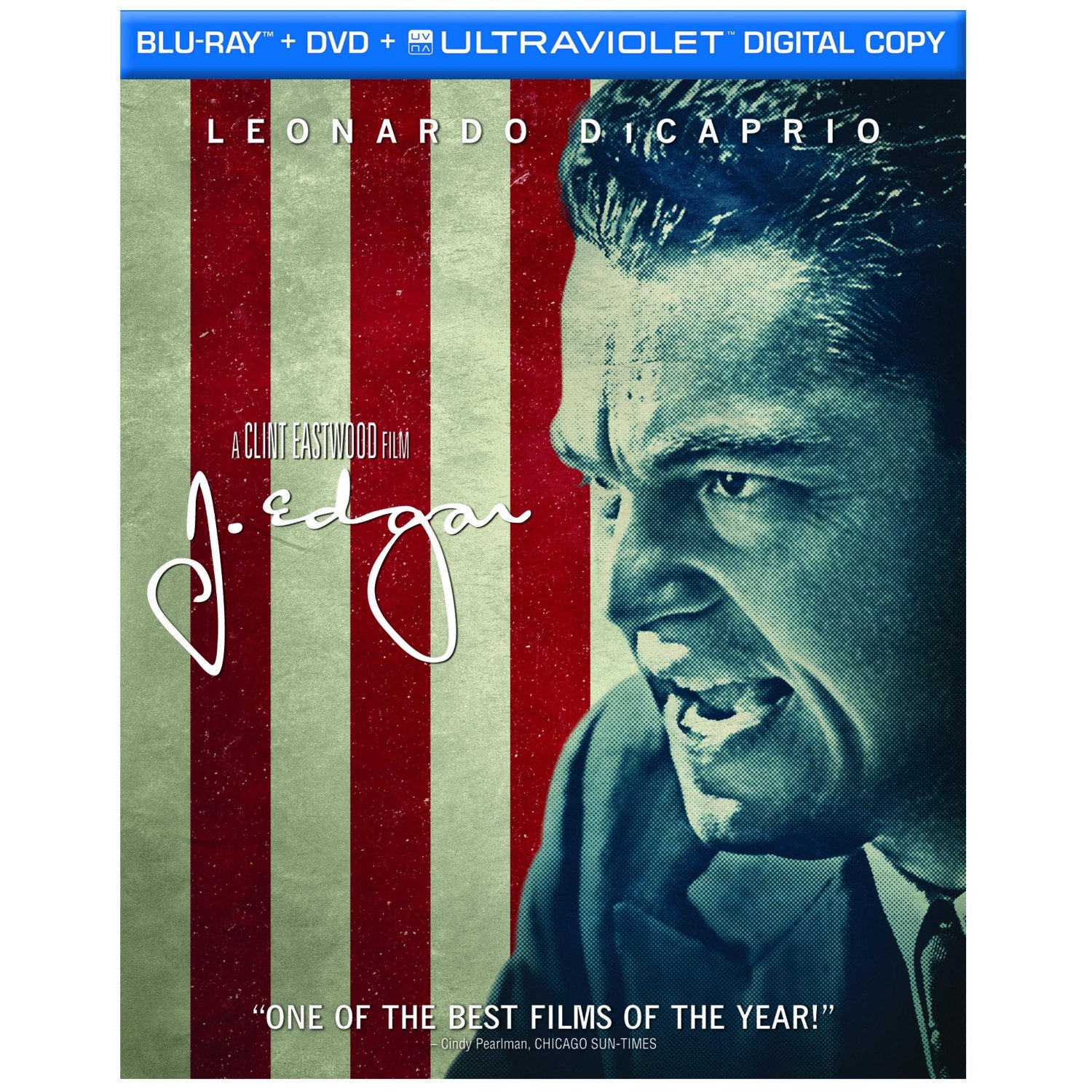
"Even today there are organizations that have America as their prime target. They would destroy the safety and happiness of every individual and thrust us into a condition of lawlessness and immorality that passes the imagination."

The phrase could very easily describe the world we face today. The above quote could very well have come from a post-9/11 narration, but it didn't. It was spoken nearly a century ago by the long-time director of the FBI, J. Edgar Hoover.

Ryan Gosling's 2011 made the rest of us look like a bunch of slackers. When he wasn't breaking up fights on the streets of New York City or inspiring countless memes last year, he was starring in three incredibly varied and well-received movies. The curiously punctuated Crazy, Stupid, Love. is the most commercial of those releases and also features Gosling at his movie star/leading man best. Steve Carell stars as Cal Weaver, a middle-aged man who is blindsided after his wife, Emily (go-to-adulteress-of-the-moment Julianne Moore, of The Kids Are All Right and Chloe), reveals she had an affair with a co-worker (Kevin Bacon) and asks for a divorce. While drowning his sorrows at a stylish local bar, Cal catches the eye of ladies’ man Jacob (Gosling), who decides to take clueless Cal under his wing and help him navigate the singles scene.

For a while, directors Glenn Ficarra and John Requa along with screenwriter Dan Fogelman, seem content to make Crazy, Stupid, Love. into a less-slapsticky, slightly sharper version of Hitch. Carell and Gosling, an unlikely and terrific comedy duo, make those scenes come alive, and they are the best bits in the movie. Carell balances his sad-sack character with enough charm and humor to make you believe women would find him attractive, while Gosling admirably and completely commits to playing a smooth-talking operator with the same fervor he brought to playing a drug-addicted teacher (Half Nelson) or a fiercely anti-Semitic Jew (The Believer).

By John Delia

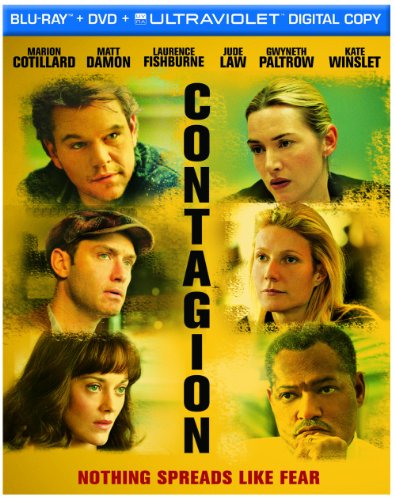
Slick, compelling, and gripping, Contagion uses the fright brought on by past outbreaks of deadly virus attacks around the world to punch home a ‘what if’ plot that succeeds in scaring the pants off accepting moviegoers.  The recognizable actors save the plot from being hard to follow as it jumps from country to country in this thriller that ‘could actually happen’.

By John Delia

Shattering, piercing, gut wrenching, queasy, bloody, gouging, bone breaking, mind blowing, and yet mesmerizing, that's what Final Destination 5 is all about, especially in 3D.  This is one of those select few films that use 3D well, and it will blow your mind.  If you have never seen a Final Destination movie or are a big fan of the guts and gore they deliver, then rush to see Final Destination 5, but do not go over a bridge on your way.


By John Delia

The inspiring, moving, poignant true story Dolphin Tale splashes into theaters this weekend with a family friendly theme that’s sure to touch your heart.  Filmed in Florida where it happened, it’s a movie about a dolphin that receives a compassionate helping hand and a strange new lease on life.