Video

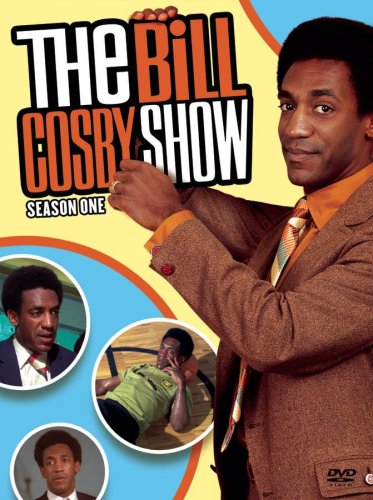
I grew up on Bill Cosby. He was everywhere when I was a kid. Fat Albert And The Cosby Kids were on my television every Saturday morning. My parents had all of his records, and I can remember borrowing them when I finally got a player of my own. I played Chicken Heart so often I think I wore away the grooves on the track. Of course, you youngsters out there have no idea what I'm talking about when I mention grooves and wearing them out. That also means that you remember a very different Bill Cosby show.

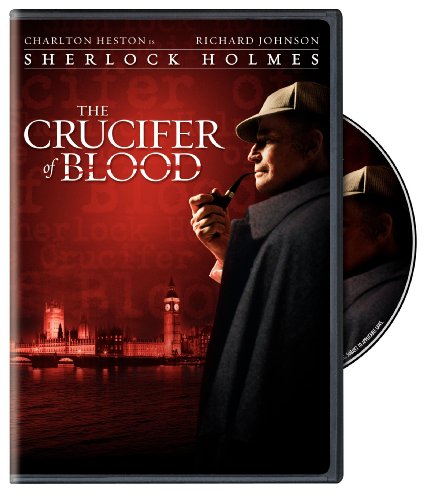
During the chaos of a mutiny, three British officers in India get their hands on a great treasure. They do not do so honorably, however, and, mistrustful of each other, make a blood pact, which cannot be broken without suffering a terrible curse. Decades later, the three have experienced very different fortunes, and vengeance has come to call. Irene (Susannah Harker), the daughter of one of these men, seeks the help of Sherlock Holmes (Charlton Heston!) and Dr. Watson (Richard Johnson). There are many dark deeds to unravel, and along the way, Watson and Irene fall in love.


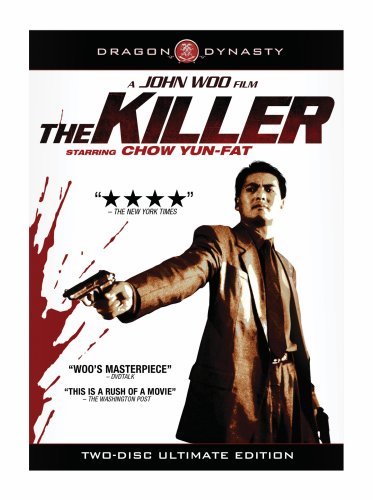
Having accidentally blinded a singer during a contract killing, hit man extraordinaire Chow Yun-Fat, consumed with guilt, becomes the woman's protector, and seeks redemption by finding some way to restore her sight. Meanwhile, Danny Lee is the plays-by-his-own-rules cop on his trail, and inevitably the two men will find themselves as unlikely allies in gigantically operatic gunfights.

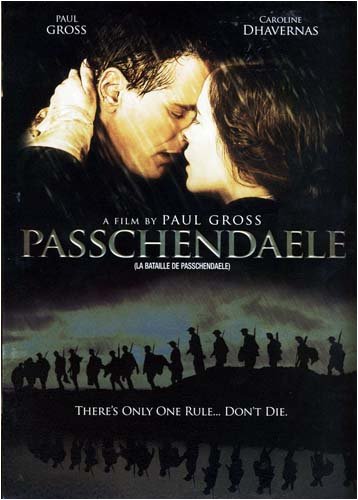
We are in the midst of the Great War. Michael Dunne (Paul Gross) is a Canadian solider recovering from physical and psychological wounds. He falls in love with his nurse (Carline Dhavernas), and when her asthmatic brother enlists, Dunne heads back to the trenches to protect him, and the two men wind up at the gigantic, murderous battle that gives the film its name.

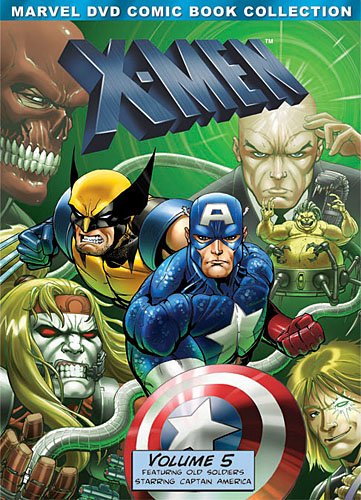
Volume Five of the Animated Series known as X-Men is now upon us. Included here are the last fourteen episodes that haven't been put on disc for the masses. There is a lot going on in these twenty one minute chunks. There are some good things, bad things, funny things and more confusing things than probably should be in a children's animated show. So let us spend some time, the final time with our beloved mutant friendly superhero group.

Most people don't know or remember that Andy Griffith had a career before his television classic reached the airwaves. He had a pretty distinctive stand-up routine going for many years that included recordings like most stand-ups of the day. He had quite a famous bit about a country farm boy seeing his very first football game. It was called “I Think They Call It Football”, and it's a priceless classic. Andy also found his way into a couple of movies in the days before he became Sheriff Andy Taylor. One of those movies was No Time For Sergeants. It wasn't a stretch for this country boy

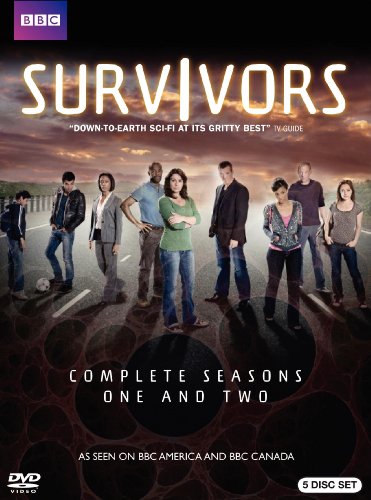
"Most of the world's population has been wiped out by a virus. Civilization, as we know it, has come to an end. For the few survivors, every day is a fight for life. But sinister forces threaten their future."

Right from the opening credits, you can see that a lot has changed since 1975 and the original series. I'm guessing that my watching them back to back allows for even more dramatic notice of the changes. Everything is cleaner here. The production values are light-years away from what they were. Even the disc menus reflect the higher-tech edge of the 21st century production values.

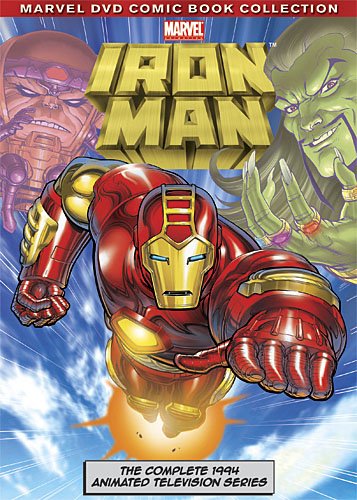
Iron Man 2 comes out this week and is set to do fantastic business. Usually I’m a person who waits for movies to hit dvd and blu-ray and I’m already planning to when I can go see this movie. But one of the things I’ve come to appreciate over the years is when a big movie such as Iron Man 2 comes out, there are disc releases that dip into yesteryear and help to get you in the mood. Imagine my surprise when I was asked to review Iron Man: The Complete 1994 Animated Series.

"You know, I never thought what happens to a city ... well ... if it breaks down, all at the same time. There's no power. There's no lighting, or cooking. And food, even if you can get it into the city, you can't distribute it. Then there's water and sewage, things like that. You know, it just never occurred to me when I lived in London. The city's like a great big pampered baby, with thousands of people feeding it and cleaning it, making sure it's all right."

It was 1975. These were the glory days of science fiction on the BBC.

In many ways the epic story and film Doctor Zhivago echoes the real-life story of Boris Pasternak, who penned the original novel. Pasternak was a firsthand witness to the events that led to and became the Russian Revolution. He collected 50 years of memories that began with the early days before the revolution and ended with his own confrontations with the USSR government. Like Zhivago in the story, Pasternak's work was banned in his own country. The manuscript had to be smuggled out of Russia and found its way first to Italy, where it was finally published for the first time. But it didn't stop there.