Special Category

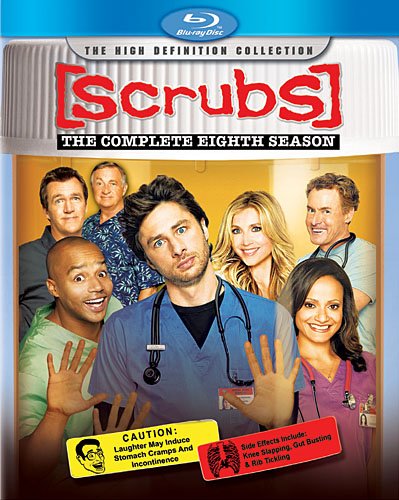
When we left J.D., Turk, and the rest of the staff of Sacred Heart Hospital at the end of their seventh season, there were good reasons to believe we had seen the last of Scrubs:

1)    The show had suffered the lowest ratings in its history.

2)    It was widely considered to be the show’s least funny season, at times treading perilously close to levels of cloying sentimentality not seen since the last few seasons of M*A*S*H*.

3)    NBC had announced that they would not be renewing the show.

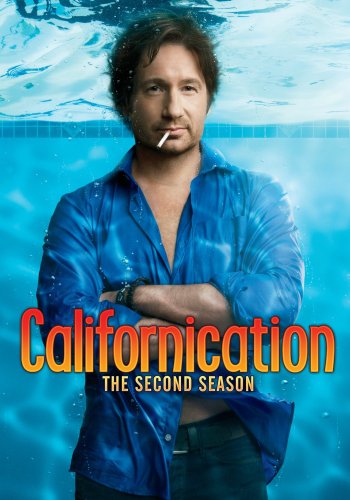
In the first season of Showtime’s Californication, we were introduced to David Duchovny’s character, bitter yet upbeat writer Hank Moody. Hank, after moving to Los Angeles on the heels of his first novel - a critical darling entitled “God Hates Us All” - has recently lost his long-time love and, by extension, his daughter, to a straight-arrow bore who makes his girlfriend Karen (Natascha McElhone) feel safe.

“Four turtles. Four brothers genetically reborn in the sewers of New York. Named after the great Renaissance masters and trained as ninjas. They battled many creatures and foes before defeating their arch enemy, The Shredder. But, now a greater evil is poised to destroy their brotherhood. An evil born 3000 years ago.”

What started as a low budget comic has grown into quite a sensation. The Turtles are everywhere. There are cartoons, books, comics, movies, and thousands of toys. They’ve been translated into just about every language in the world. The 1980’s and 1990’s were alive with Turtle power. With yet another film now in the works, the Turtles are about to make a comeback.

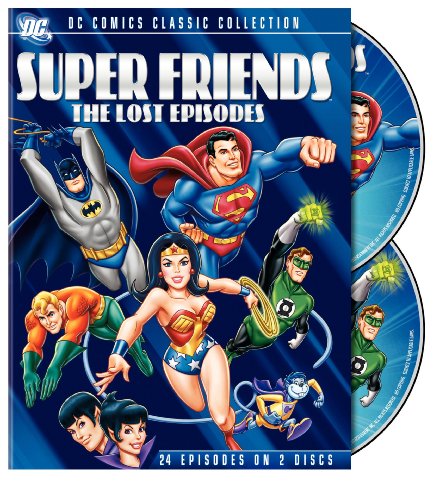
The Super Friends as a cartoon show had a long and sketchy past. It started out in the 1970’s and ran in nearly a dozen different incantations and over a hundred episodes until 1986 when it was put down for the last time. In the 1983-84 season, the series had been cancelled officially for a second time. This was due to the fact that they did not wish to compete with the syndication run of the original episodes that was already on air. Hence, the new episodes were dropped and didn’t appear until many years later. Here, the people at WB have compiled these 8 episodes (24 shorts) into a 2-disc set and dubbed them the “Lost Episodes.”

I, of all people, should know that one person's cultural detritus is another's fond nostalgia, and what better example of that can there be than this release. A strange mix of athletic contest, pro-wrestling posturing and silly gimmick game show, this series (which has recently been reborn) pitted hard-bodied contestants against the even-more-hard-bodied (at least in appearance) Gladiators of the title. Some contests involve knocking each off a beam, or dodging tennis balls fired from a gun while trying to get in a shot of one's own. Or then there's swinging in on a rope in the attempt to knock the Gladiator off a pedestal. It's all pretty silly, made even more so by the straight-faced colour commentary. If the intent was to satirize sports broadcast generally, then this is quite brilliantly funny, at least at first, but the joke can't sustain itself over multiple seasons.

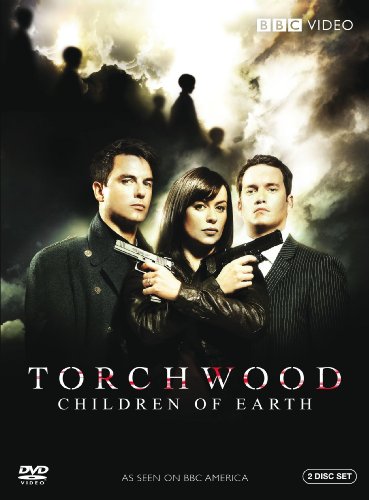
“There’s one thing I always wanted to ask Jack back in the old days. I wanted to know about that Doctor of his, the man who appears out of nowhere and saves the world, except sometimes he doesn’t. All those times in history where there was no sign of him, I wanted to know why not. But I don’t need to ask anymore. I know the answer now. Sometimes The Doctor must look at this planet and turn away in shame.”

It all started some decades ago with the BBC’s immensely popular television series, Dr. Who.

Running for a single season in 2008, this ABC Family production is a humorous pastiche of superheroics and Avengers-style adventure. Natalie Morales plays Wendy Watson, a struggling artist making ends meet as a temp. When she demonstrates incredible unflappability when a monster is unleashed at her current job, straight-arrow superhero the Middleman (Matt Keeslar) recruits her to join him in the fight against all sorts of bizarre menaces. A sampling of titles gives the flavour of the series: “The Boy-Band Superfan Interrogation,” “The Palindrome Reversal Palindrome,” “The Flying Fish Zombification.”

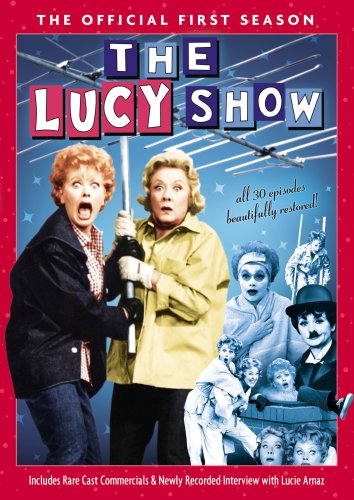
This was Lucille Ball's follow-up to I Love Lucy, and the first season is, apparently, the most highly regarded one. Here Ball is a widowed mother of two, sharing her home with best friend Vivian Vance, who is a divorced mother of one. All the other members of household are, of course, faced with the disasters triggered by Lucy. I screened this set immediately after viewing its close contemporary, Petticoat Junction, and the difference between the two was instructive. There are plenty of hoary gags and situations on The Lucy Show, but there is an enormous difference between the shows thanks to the comic genius of Lucille Ball. Her energy fills each episode, her timing is spot-on, but there is also her commitment to a type of physical comedy that to this day remains pretty much the exclusive domain of male performers. Not only does she make this style her own, she grounds it in a female reality. There is a reason she was so beloved a performer, and why her work still stands up today.


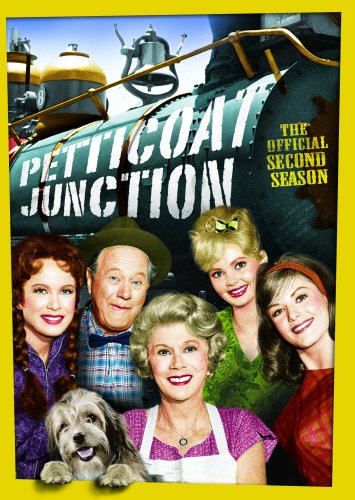
Once upon a time, there was an age of TV where hit shows where women in their 20s played high school students, and an entire episode could revolve around the burning crisis of whether the dog that followed one daughter home could stay. It is from this era that Petticoat Junction hails. This series about a widowed mother and her three daughters tending the Shady Rest Hotel ran for seven years, and begat both Green Acres and The Beverly Hillbillies, in that characters from all three series would interact with each other.

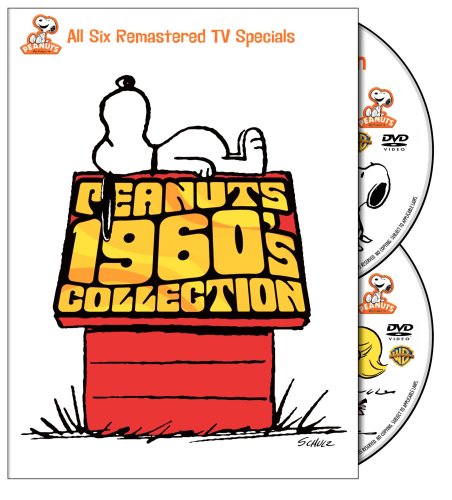
I grew up on the Peanuts creations of Charles M. Schulz. Most of us have, in some way or another. His newspaper comic strip is one of the longest running and most successful strips of all time. The work has been translated into every language currently spoken on the planet. The images of Charlie Brown, Snoopy, Linus, and the rest of the Peanuts gang have appeared on just about any kind of product imaginable. Our pop culture contains too many references to the strip to mention briefly. For me, it was the television specials starting in the mid 1960’s that brought the gang into my life.