Posted in: Disc Reviews by Michael Durr on September 20th, 2010
Abstraction indicates a departure from reality in depiction of imagery in art. It is an interpretation of a visual that is different from what most perceive as normal. Art is no longer simply drawing a bowl of fruit but rather what the fruit means to the artist. Recently, I found myself trying to interpret a film named (Untitled), which takes a journey down the road of abstract art and music. After a great deal of reflection, I believe I am still confused.
Adrian Jacobs (played by Adam Goldberg) is a composer who makes music by kicking buckets, breaking glass and occasionally playing notes on a piano(usually without any rhythm and described as nonsense). He makes a living by working at restaurants, weddings and any other function in need of a piano player. Those engagements usually don’t last too long as he is annoyed by most of his clientele.
Posted in: Disc Reviews by Gino Sassani on September 16th, 2010
Tennessee Williams was both a prolific writer and celebrated personality in his day. His plays are still making the rounds of community theaters and even more than a few higher- end performance halls around the country. Songs have been written about the guy, and he's quite honestly become a bit of a mythic legend over the years. A lot of that owes, in no small part, to his huge hit A Streetcar Named Desire. The 1947 play was a huge hit on its own. The thing even snagged a Pulitzer. There hadn't been a bigger play before it, and few have reached the popularity and classic status since. Then director Elia Kazan got his hands on the material. And while another writer worked on the screen adaptation, Kazan was smart enough to have Williams himself write the screenplay. A couple of things happened with that 1951 film. While this was actually his second screenplay, it would catapult him into the film and television side of life. His career ... and our screens … would never be the same.
A Streetcar Named Desire is still huge today. But is it the material from Williams or the amazing performances of Marlon Brando, Karl Malden, Kim Hunter, and Vivian Leigh that stand out after all of those years? Isn't it Kazan's inspired direction and his unique eye for cinematography that make the film so memorable? I guess the argument could be made for any of those things. Likely, it was the fortunate combination of these elements that made that film what it remains today. There's been a kind of rediscovery of Williams of late. There's also Hollywood's penchant for "lost" material. All of these things combined to bring actress and first-time feature director Jodie Markell and one of Williams' "lost" screenplays together for the 2010 Loss Of A Teardrop Diamond.
Posted in: Disc Reviews by Archive Authors on October 15th, 2009
Written by Adrienne Ambush
Imagination is better than knowledge – Albert Einstein
Posted in: Disc Reviews by Archive Authors on October 15th, 2009
Written by Adrienne Ambush
Imagination is better than knowledge – Albert Einstein
Posted in: Disc Reviews by William O'Donnell on September 18th, 2009
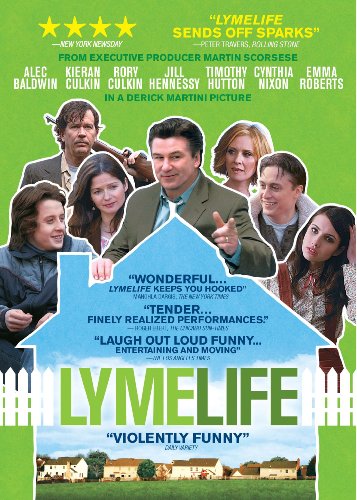
This film is like the Ice Storm in warmer weather. Another portrait of burgeoning suburbia in the 1970s as an island from the rest of civilization instead of an off-shoot. Two families, who are long time friends, coworkers, neighbours and sometime secret lovers, are going through major changes as the children are just about grown, and the parents are falling apart to affairs, tensions and the appearance of Lyme disease in one household.
Posted in: Disc Reviews by William O'Donnell on September 13th, 2009
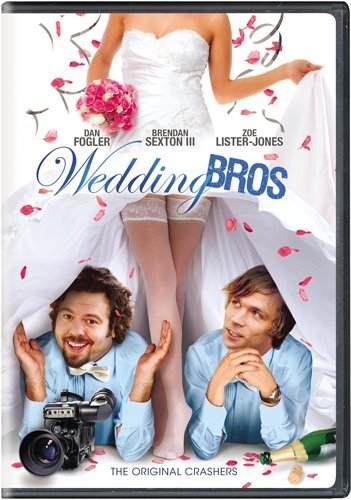
Originally titled, The Marconi Brothers,it has been retitled in what looks to be an attempt to leech off of the success of Wedding Crashers years after the fact (the DVD case even sports the tagline “The Original Crashers.” Whatever the title truly is, this film is about a pair of brothers who stumble from the mediocrity of being heirs to an independent, family-run carpet installing business to the mediocrity of video-taping weddings for a living. Such low ambitions in our protagonists breed boring results in this clunky comedy.
Posted in: Disc Reviews by Archive Authors on August 13th, 2009
An American Affair is set in the early 1960’s. The John F. Kennedy administration is at the height of its popularity and yet there is still quite a bit of controversy swirling after the Cuban missile crisis. Adam Stafford (Cameron Bright) is a thirteen year old enduring the awkward years of his life when he catches a glimpse of his neighbor across the street. His neighbor is Catherine Caswell (Gretchen Mol) and she eventually hires Adam as her landscaper. Despite the enormous age-gap between Catherine and Adam, a friendship emerges. As the film continues, Caswell’s complicated history begins to return and the two of them become involved in the growing speculation about the JFK administration.
The film manages to deliver some emotion throughout. In a shocking display, Gretchen Mol’s performance is very strong. The vulnerability of her character is portrayed quite well and viewers can understand her. Unfortunately, the same cannot be said for Cameron Bright. His role is the most crucial in the film and in a most disappointing way becomes the least powerful. Most of his major scenes are forgettable and his performance is flat. The other characters throughout the film do not overly impress. However, everyone plays their character well enough to get by.
Posted in: Disc Reviews by Gino Sassani on August 12th, 2009
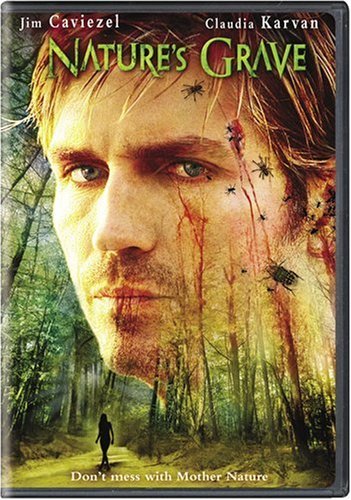
Nature’s Grave looks like it could have been a made for television movie for The Animal Planet or one of those learning channels. If they were ever thinking of branching out a bit into the nature gone mad type of show, wait a minute. They already have. This one attempts to be a thriller/horror film but doesn’t ever come close to either definition. The wild animals never amount to anything more than an attacking bird or a dead manatee. I’m not sure what a fan of this movie was looking for when he or she came here, but I suspect whatever it was, it was very hard not to be disappointed.
Peter (Caviezel) and Carla (Karvan) are married couple who get on each other’s nerves most of the time. Peter imagines that a long weekend of camping might be just the ticket to get their relationship back on solid footing. He buys about 10 grand of equipment, which only gets his unhappy wife even more angry at him. They pile into the car and head for a remote stretch of beach. In the middle of the night they have trouble finding the place, and if that shouldn’t have been enough to get them to a comfy hotel at least for the night, the sudden attacks by nature should have done the trick. The animal mishaps escalate, and before long they couple aren’t worried so much about their marriage surviving. They have to try and survive with their lives intact.
Posted in: Disc Reviews by William O'Donnell on August 6th, 2009
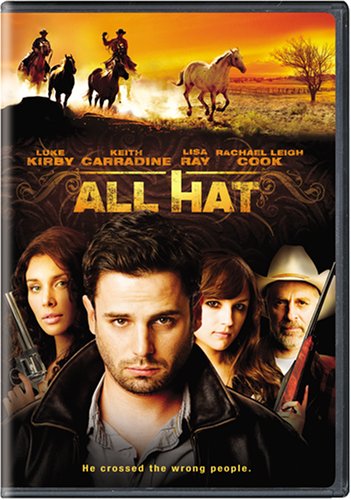
The story originally seems to set itself up to be that of redemption for a young man who is fresh out of jail. While this story is around, there seems to be parallel stories that arise as subplot but soon race alongside the original tale like proverbial track horses (and horses also just so happen to be the nexus for said plots). Just as one seems to buck into the lead, another comes along to grab the focus.
Posted in: Disc Reviews by David Annandale on July 20th, 2009
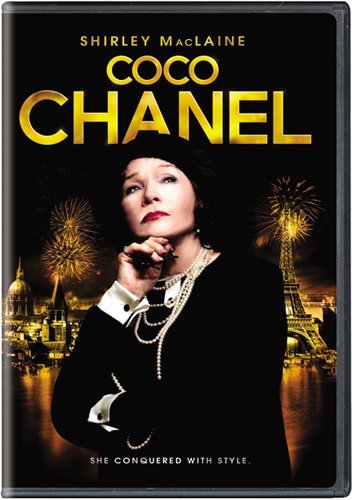
In 1954, Coco Chanel (Shirley MacLaine) unveils her first collection in 15 years. The reception is disastrous. As she struggles to bounce back from the fiasco, she flashes back over her life. The bulk of the film then follows the young Chanel (Barbora Bobulova) and her love affairs, first with a callow playboy (Sagamore Stévenin), then with the Englishman (Olivier Sitruk) who will be the great love of her life. Along the way, we see a little bit of her development as a fashion designer.
If you're sitting down for a soap opera in period dress, then you could certainly do worse. As silly as it often is, Coco Chanel is consistently entertaining. Its desire to worship its subject does mean for some unfortunate choices, however. Setting aside the fact that there is too little time spent on what made her one of the world's most famous designers, the film decides to pretend that nothing much happened to her between 1925 and 1954, when the most cursory Wikipeida search reveals all kinds of juicy incident (shacking up with a Nazi officer during occupation, espionage games, post-WWII arrest) that would have made for wonderful storytelling. Oh well. Malcolm McDowell is rather oddly cast as the older Chanel's confidant, and perhaps the fact that he has nothing much to do is the reason why he can't seem to get rid of that sneer of contempt, even when he supposed to be genuinely moved. Still, suds and all, its 139 minutes clips by quite efficiently.