Uncategorized

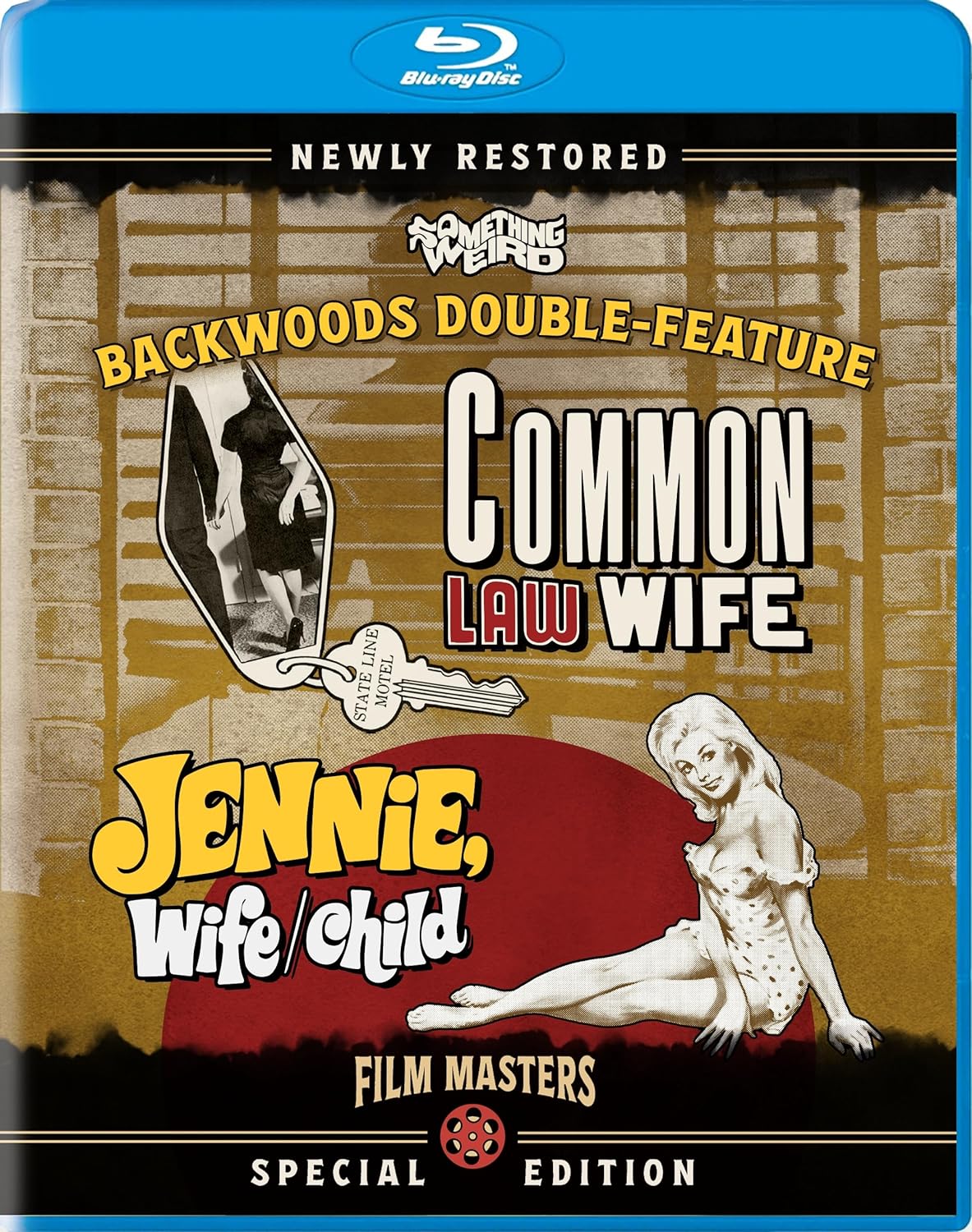
The films of the 1960's and 1970's began an era of what have been called exploitation films. There are many examples of films that pushed the R to X boundaries and have been referred to as Sexploitation films. Today we might call them soft porn, and examples of those early films includes Daughter Of The Sun (1963) and The Twilight Girls (1961). There were also films that took advantage of a certain aspect of black culture in the 70's and made to appeal to the young, "hip" blacks of the decade but also became quite popular with the mainstream audiences. Films from that genre include iconic movies like the Shaft and Dolemite franchises. There's another of these kinds of films that hasn't gotten quite the attention and aren't as well remembered. That group of films from mainly the 60's were called Hicksploitation. These films provided heavy stereotyping like the Blacksploitation films did

"It's the things we love most, that destroy us."

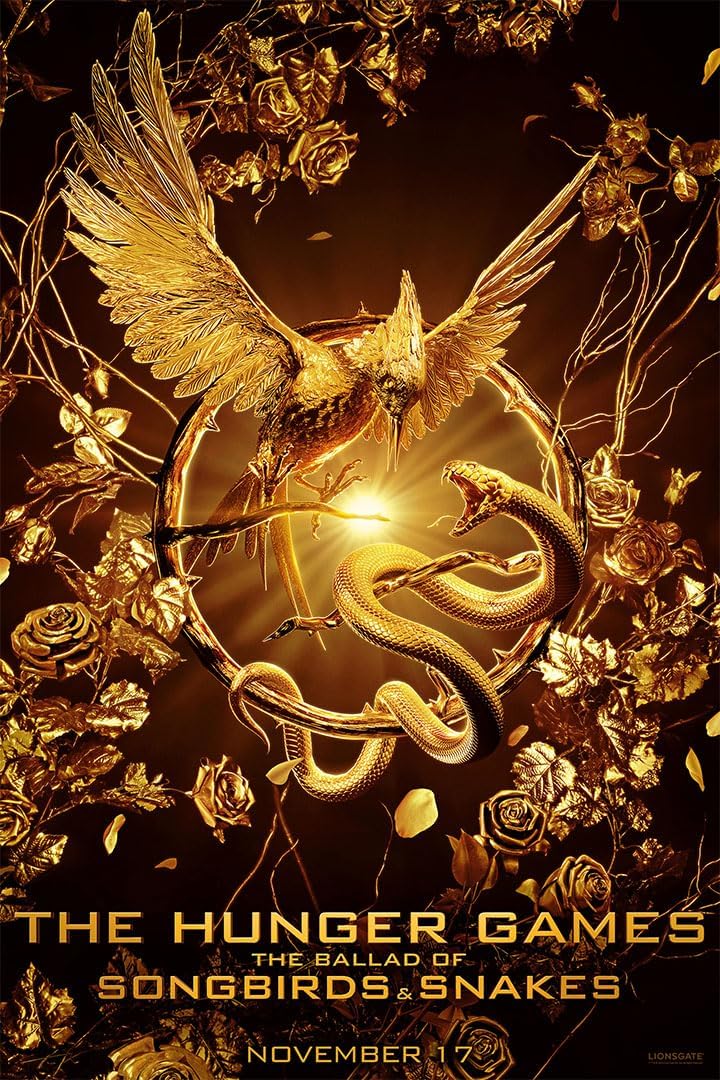
It's actually a little hard to believe that it's been eight years since last we visited Suzanne Collins' future dystopian world of The Hunger Games. The last two films were shot and released as two parts of the final book in the saga, and I think most of us had laid the soul of Katniss Everdeen and her rebellion to rest. Of course, not without the franchise doing quite a bit of damage at the box office. Not counting home video releases, the franchise generated a total box office of about $1.4 billion. That's a lot of scratch, and if you understand the movie business at all, you know that finishing a franchise for good is like leaving money sitting on the table.

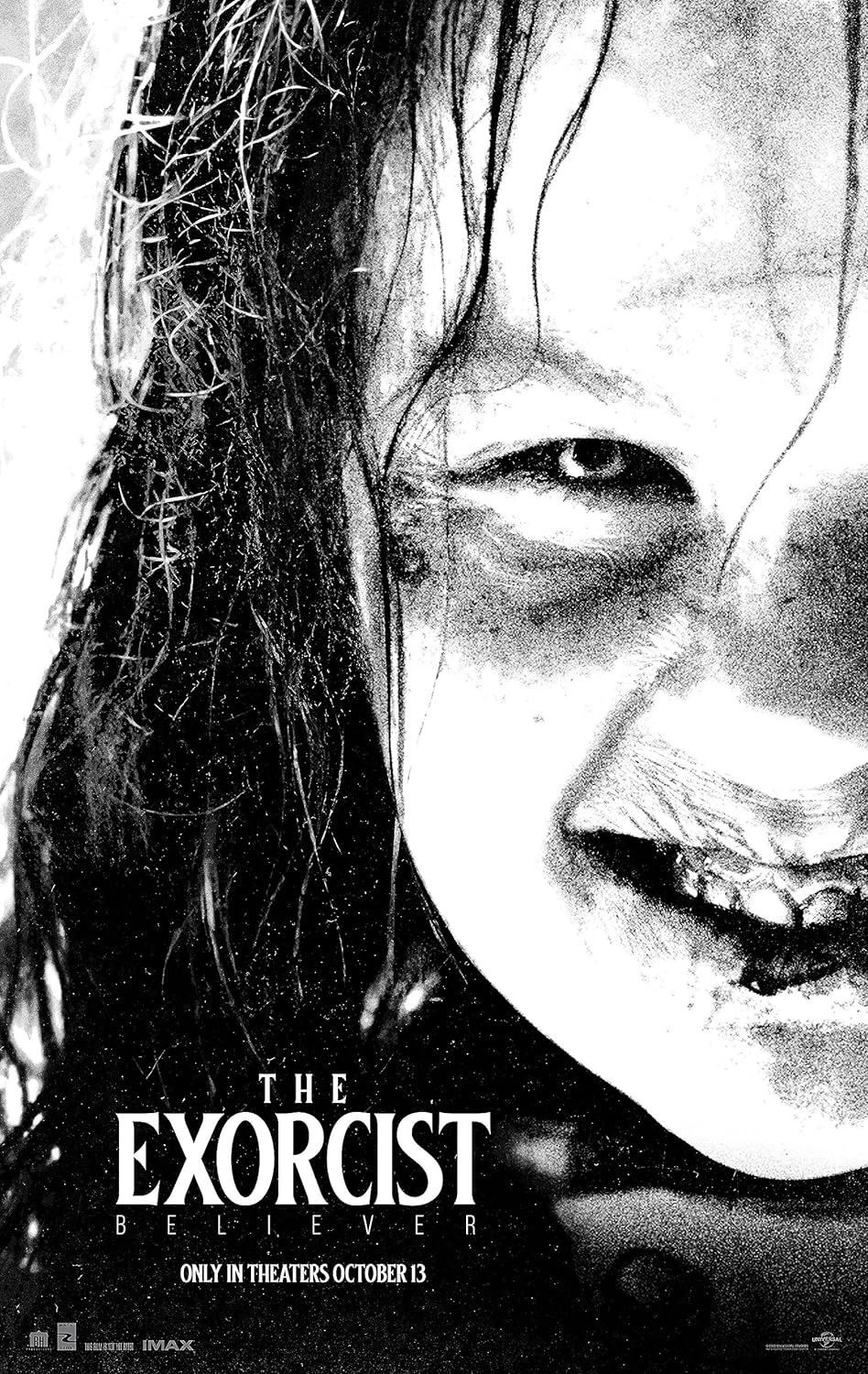
"What do you think evil is? I'll tell you what I think evil is..."

It's sequels/reboots made by filmmakers who haven't got one single clue what made the original such a classic. The Exorcist was a masterpiece of filmmaking and is truly one of the most compelling horror films even 50 years later. There are a lot of reasons for that. Unfortunately, David Gordon Green couldn't name a single one if you gave him a cheat sheet in one hand and William Friedkin's complete notes in the other. Blum House took a huge risk after they finished their Halloween trilogy. The films were hit and miss with some good moments. But most fans of the original never could completely bond with the films. So Blum House decided they liked this 3 film reboot/sequel idea and took a chance on committing $400 million for a trilogy of The Exorcist. Like the Halloween trilogy it would ignore all but the original film and take it's story directly from that moment onward.

“Most ghost stories have some basis in truth.”

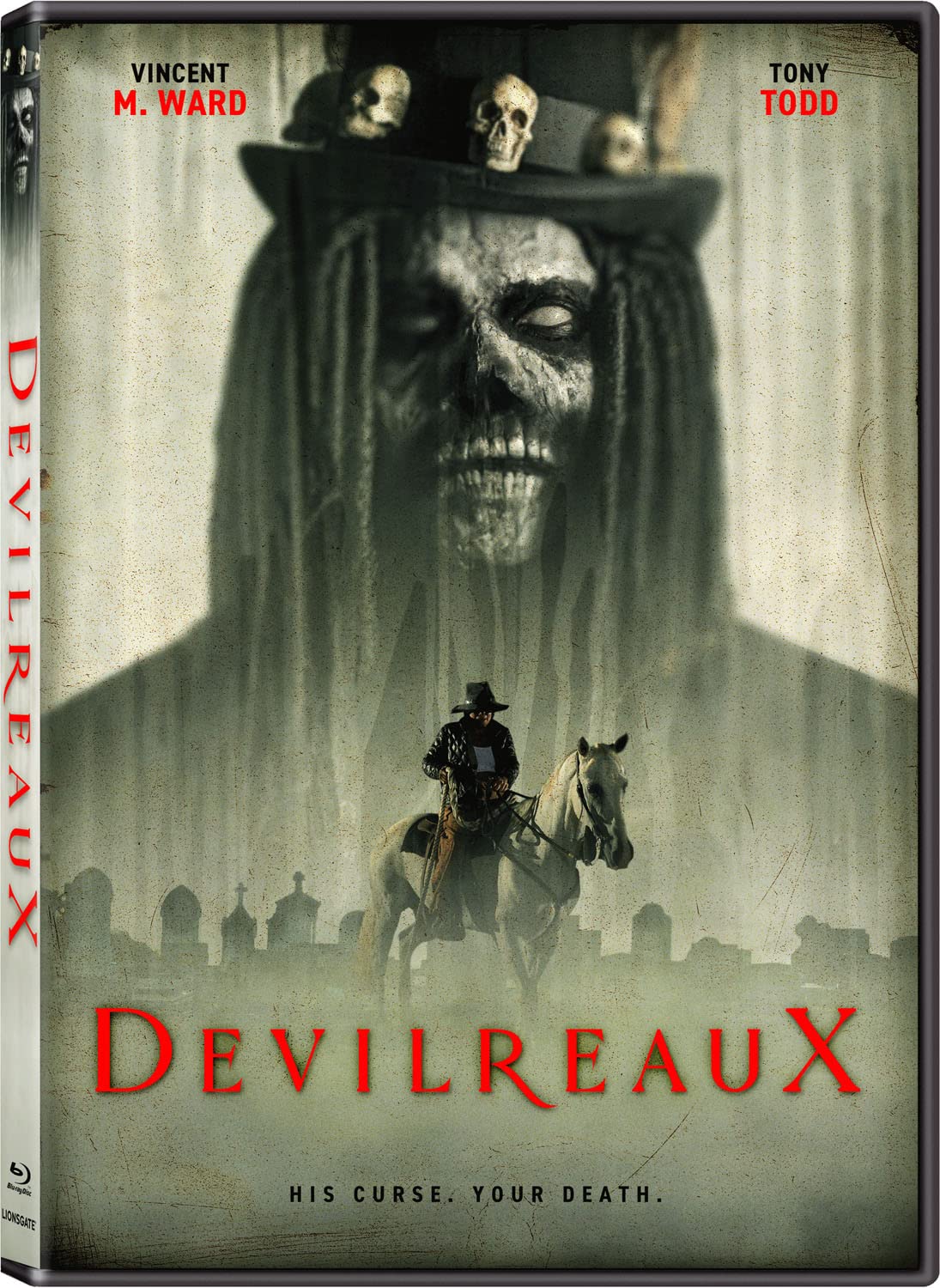
Essentially an amalgamation of tropes from previous beloved horror films. Like if you took those films and put them into a blender. There are elements of Candyman; I don’t just mean because of Tony Todd’s involvement. Additionally, there were elements of Halloween, with an uncompromising killer wielding a shovel. Points for weapon originality. Of all the weapons that my mind could have conceived, a shovel wouldn’t have been at the top of my list. However, all things considered, it proved to be effective weapon. The film gets off to a bad start as it essentially drops us in the middle of situation with no understanding of what has supposedly occurred. Makes it quite difficult to become invested when things start off so disjointed. The Devilreaux is presented as a modern day boogeyman (another element of the film). However, prior to the mention of his name, we have no frame of reference of who or what he is. I suspect the goal was to build intrigue, but given that the killer strikes within the opening scenes, it would have been nice to have some context to the character.

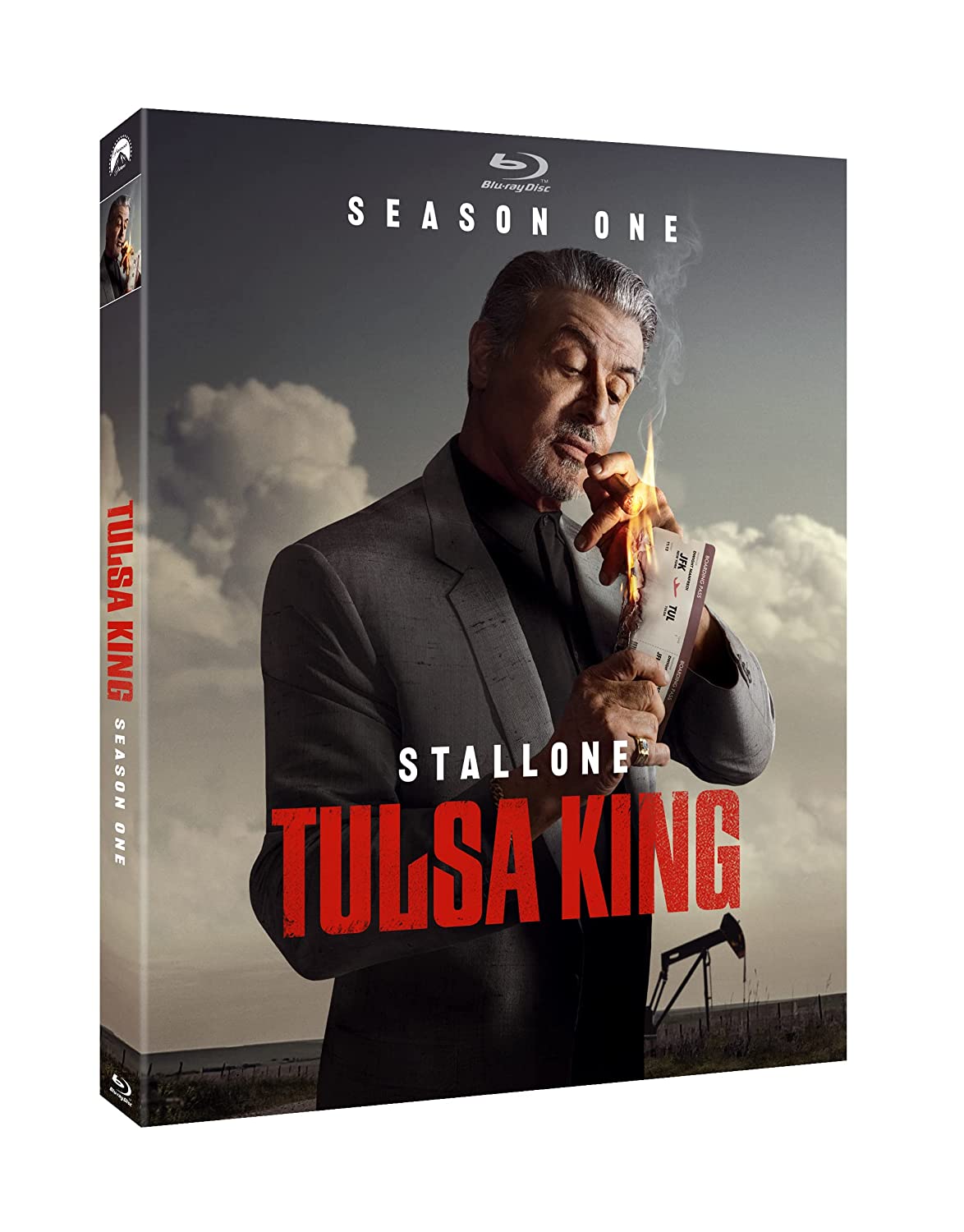
"I remember when I was 17, my father asked me what I wanted to be. Would I like to be a barber like him? I laughed in his face. I wanted to be a successful gangster. In retrospect I asked myself if what I chose was worth 25 years of my life. The answer is no, not 25 seconds. I married this life, and after keeping my mouth shut for all these years, I'm gonna see if it married me back." 

Sylvester Stallone plays mob guy Dwight "The General" Manfredi. It's his first television role, and he couldn't have chosen better than to appear in a Taylor Sheridan show on Paramount +. Sheridan pretty much owns the streaming service, all of it except maybe the Star Trek shows. He knows how to create characters and to then put the right actor in that role. I've seen it happen a thousand times now, from Yellowstone to Mayor of Kingstown and a couple of Yellowstone spin-offs. The part appears made just for Sly, and he makes it worth everything he has, all the while making it look effortless.

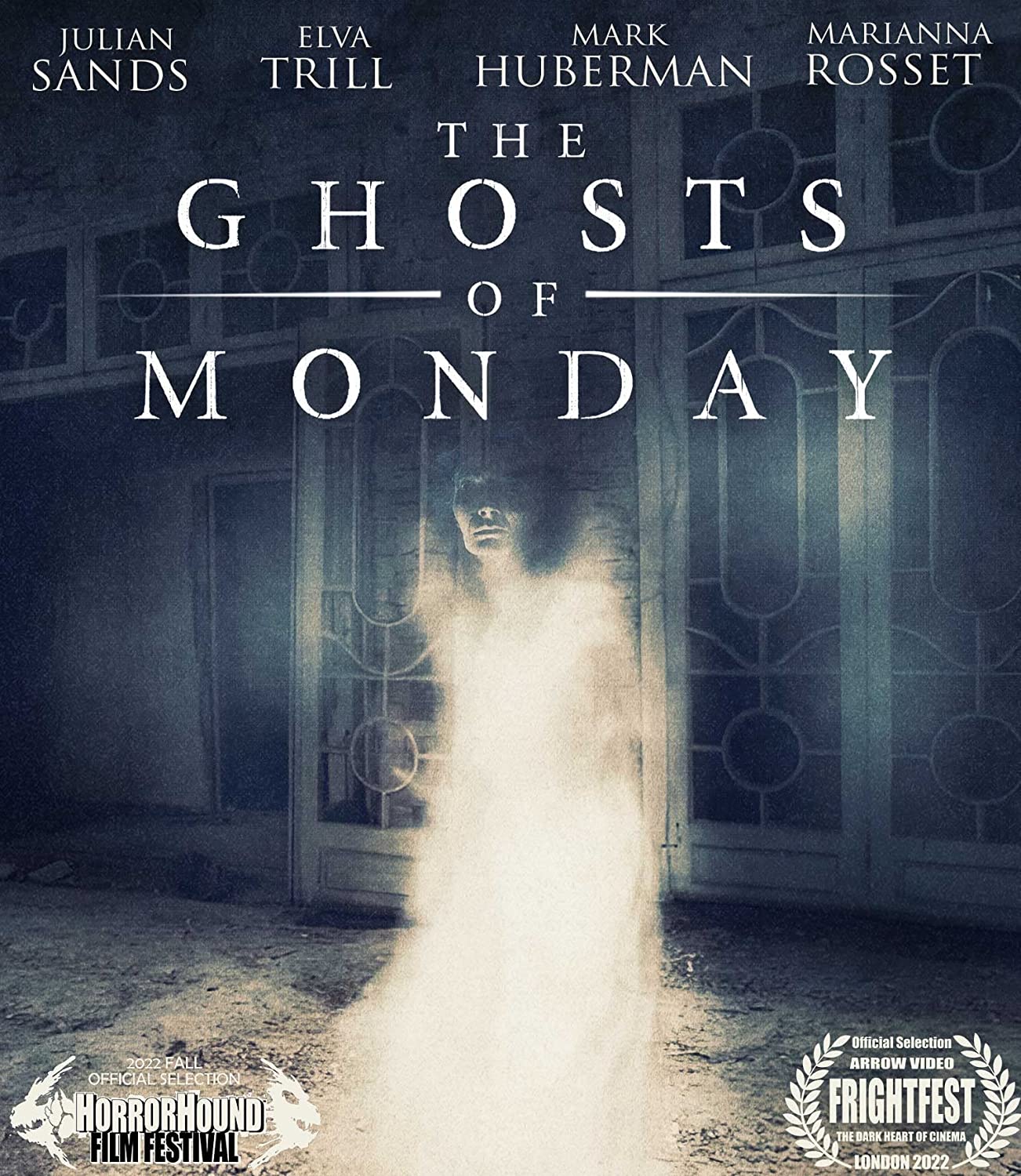
Yeah, this film didn’t really do it for me. Of late I’ve been on the prowl for a quality horror or suspense movie. Something with a compelling story, and while I didn’t initially believe that Ghost of Monday would live up to that desire, I left the door open to be surprised. As it turns out, I could have left that door closed with the lock latched. The Ghost of Monday is a slow-burning tale that I never really connected with. For one, the premise is a bit anti-climatic and has been addressed with box office films such as The Invitation and Ready Or Not, which I found to be the best. In this instance, a television director (Mark Huberman, Vikings Vahalla) travels to a supposed haunted hotel for the purpose of making a television pilot. Eventually, he and his crew find themselves wrapped up in a supernatural conspiracy that could have life or death consequences for them. Did you catch my use of the word “eventually”? Stay tuned, I’ll explain that in a bit. The biggest intended draw for the film was probably the inclusion of Julian Sands of Warlock fame, but his role is secondary in relation to the overall film. All in all, I’m still on the lookout for a quality horror or suspense film.

One of my favorite things about being a critic is when I get to discover a film from the past that I’ve never heard of and it turns out to be a gem. The Asphyx is one of those films that I decided to give a shot, and afterwards I can’t believe I’ve never even heard of this film until recently. The film definitely dabbles in the horror genre as well as science fiction, and to be honest it is one of the more clever and original films that toys with the idea of immortality. The Kino release of the film came with two versions, one that is 86 minutes and the other a 99-minute cut.  The longer cut of the film  has its additional scenes cut in from a 35 mm print; the additional scenes are easy to pick out due to the poor quality (it is a very jarring  difference), but to be fair, it didn’t impact my experience.

I usually don’t go in for mockumentary series. I missed the boat when it comes to series like The Office and Parks and Rec. However, there was something about Abbott Elementary that captured my interest. So much so that upon completing the first season, I immediately binged the available episodes for the second season. It would appear I’m not the only who has become captivated by the series, as it cleaned up on the award circuit, to include a Primetime Emmy for Outstanding Supporting Actress in a Comedy Series (Sheryl Lee Ralph), and more impressively, a Primetime Emmy Award for Outstanding Writing for a Comedy Series (for show creator, writer, executive producer, lead actress Quinta Brunson). And after watching the show in its entirety, all I can say is those awards were well deserved. Abbott Elementary is a breath of fresh air that has become my new Wednesday night pleasure.

This film gives you two separate options for your viewing pleasure. Firstly, you can view the watch the 98-minute international cut (originally known as (Maciste alla corte del Gran Khan) or the -minute U.S. cut, which is more formally known as Samson and the 7 Miracles of the World. It’s nice to have options. If I were you, I’d opt for the shorter version, because if I’m being honest, even with a shorter run time, the film seemed to drag on. On the other hand, with an additional 22 minutes to play, it is difficult to imagine that greater context was not provided. I will say the international cut has the original score, for which a significant portion was retained for the U.S. version. I think fans of the original film will be better with how the film was originally intended.

I don’t think Hollywood is ready to stop shooting movies centered around World War 2 any time soon, even if it seems they’ve filmed just about every story under the sun that you can tell about that that war.  I get it, Nazis are simply put some of the greatest villains you can have in a film, because they took part in some of the most wicked atrocities towards men and women, so you really don’t have to do much in the way of character development to get your audience to hate them. I don’t think anyone is interested in a story about a sympathetic Nazi, but is it so hard to ask for a character that comes off the screen that seems to at least have a personality? I mean, Tarantino did it with Col. Hans Landa in Inglorious Basterds (2009) with a terrific performance from Christoph Waltz, but since then the movies have been afraid to do this, and that’s the kind of thing that is so desperately missing from Wolf Hound. It’s not just the Nazis who are lacking in personality, but the entire cast of characters that reek of cliché and lazy writing that it mystifies me how this ever got made.