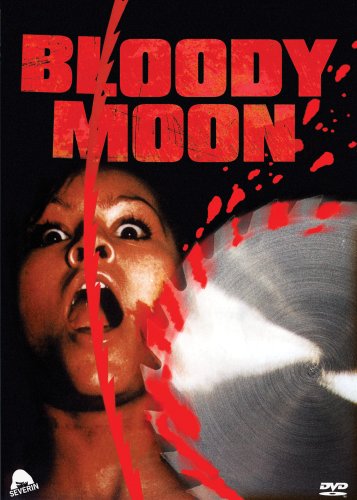
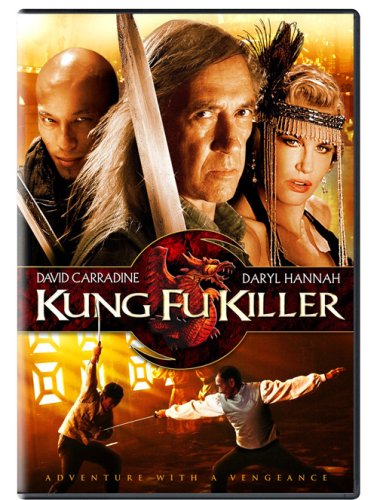
The box art on this film promises: “This campy splatterfest is 100% pure brainless fun”. Finally, truth in advertising. If you’re looking for anything else except what’s promised here, you really need to look elsewhere for some entertainment. But there is a place for this kind of thing, and if you’re willing to ask no questions, this movie will tell you no lies. I’m impressed that the makers of this movie never pretend to be anything else.

Since the dawn of The Animal Planet we’ve seen an entire genre created around using real animal footage and providing a human story to go with it. In Meerkat Manor we are provided with a dramatic narration substituting human motivations for the actual activities captured by the film crew. In other instances voice over techniques are used to make the animals appear to talk. Movies like the Buddies series utilize this technique. With the help of a little CG, the animals appear to be speaking. In the case of Elephant Tales, however, there isn’t any effort to match the dialog to lip movement;

To me, the Power Rangers phenomenon was always a hard one to figure. Here we have a kids’ show featuring heroes and villains that look like they’ve escaped from a Ninja S&M Bar. Much like Ninja movies I have reviewed in the past – see my review for Ninja Collection Volume One: 10 Feature Film Set – these six episodes of Power Rangers Jungle Fury: Way of the Master share identical plotlines with subtle variations thrown in here and there for good measure.

It hardly needs to be pointed out that the DVD revolution has been a boon for fans of European horror. Where once we had to make do with grainy bootleg VHS copies of the works of Argento, Fulci and Bava, now we can pick up beautifully transferred copies of pristine prints of uncut versions. Life is good. What has also followed is a massive increase in the availability of films by the less commercially successful, more niche-oriented directors – I’m thinking particularly of Jess Franco here. Franco, through sheer volume of work alone, retains the crown of king of erotic horror. But he does have a serious competitor, whose films are finally becoming easily available on disc. I refer here to Jean Rollin.

What ever happened to Shawn Mullins?

I often mull over this question whenever I hear him sing, “Ev-e-ry thing’s gonna be all right… Rockabye! Rockabye!” on the radio. The dude lands in the late nineties with this song that has maybe the most unimaginative chorus in the history of pop music, and then he bolts on us, leaving that small remnant to get stuck in our collective heads for the rest of our humdrum lives.

The Longshots is one of those sports films that in many ways you see coming from miles away. It certainly feeds upon that against all odds sports cliché that you’ve likely seen a hundred times if you’ve seen it once. But in so many other ways, this is a story with more than a champion’s heart and courage. In many ways it’s about family and redemption. While the film is based loosely on the story of Jasmine Plummer,

<>An-a-mor-pho-sis n. pl. An image distorted so that it can only be viewed without distortion from a certain angle or using specific instrumentation. 

In the case of this direct to video thriller, our serial killer is using the aforementioned technique in his murders. He dismembers bodies and reassembles them so that they appear differently depending on how you view them.

This is the second half of the third season of Rawhide. Among the better episodes found in this collection are: Incident On The Road Back. Favor is accused of horse rustling. That means hangin’ in those days. In Incident Of The Boomerang, some cattle are off to the Land Down Under, but one of the men may not be who he says he is. Rowdy is arrested for murder… again.

The setting for Gunsmoke was the by now famous Dodge City, circa 1870’s. Phrases like “get out of Dodge” would enter the popular lexicon as a result of this resilient series. Marshall Dillon (Arness) was charged with keeping the peace in Dodge City. The only other character to see the entire 20 year run was kindly Doc Adams (Stone). Star Trek’s own Doc, Leonard McCoy, took many of his traits from Doc Adams.

Every now and then, the good folks at Upcoming Discs think it’s time I receive a little culture in my dreary, work-a-day life. There was the time they thought I could use some sensitivity training, so I ended up with Old Yeller, a film I had avoided for years because of the painful memories of Tommy Kirk gunning down his beloved pet. Sure wasn’t easy. (Bastards.)