Dolby Digital Mono (English)

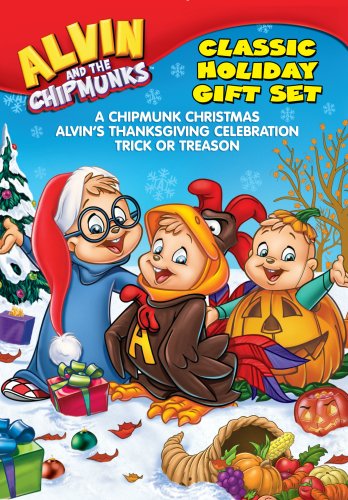
The holiday season is coming fast. It should come as no surprise with all of the Chipmunk DVDs being released that a Holiday Collection was going to be included. Of all of the sets, this is the best. There 12 episodes in all, and each is among the best of the classic show. You get three discs, one for each of the upcoming special days: Halloween, Thanksgiving, and Christmas. There’s plenty of Chipmunk antics and some great song selections included in each disc.


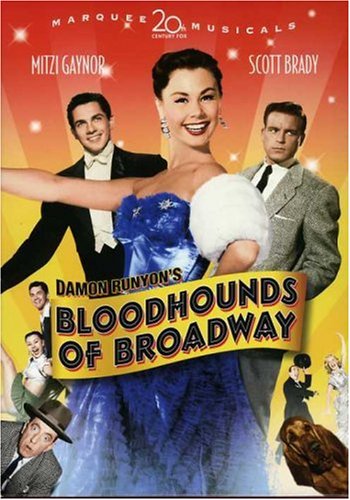
Damon Runyon’s stories would most famously make it into musical form in 1955 with Guys and Dolls. But in the meantime, this 1952 effort featured many of the same sorts of characters – wise-cracking-but-harmless gangsters and their glamorous molls. Here, Numbers Foster (Scott Brady) hightails it out of town to avoid a Congressional hearing, and on the way back, he picks up country songbird Emily Ann Stackerlee (Mitzi Gaynor), much to the displeasure of New York girlfriend Yvonne (Marguerite Chapman). Heavier on plot and lighter on numbers than some other musicals of the period, this is a jovial effort, but understandably in the shadow of its more famous cousin.

Audio

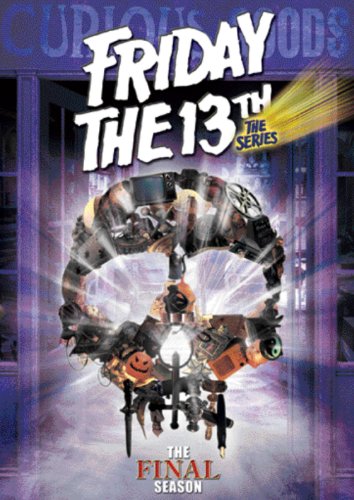
If you come to this DVD set in the hopes of discovering something to do with Jason or even his machete wielding momma, you will be very disappointed. There is no Camp Crystal Lake, and no one’s wearing a hockey mask. The fact is that this series, syndicated from Canada, had absolutely nothing to do with the film franchise. They have no characters in common. They have no connection to the stories in the film franchise. Basically the name is the only thing they share.


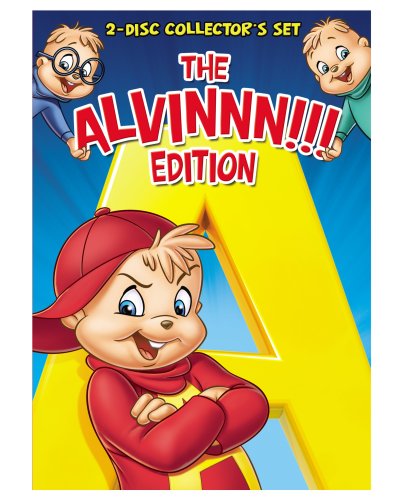
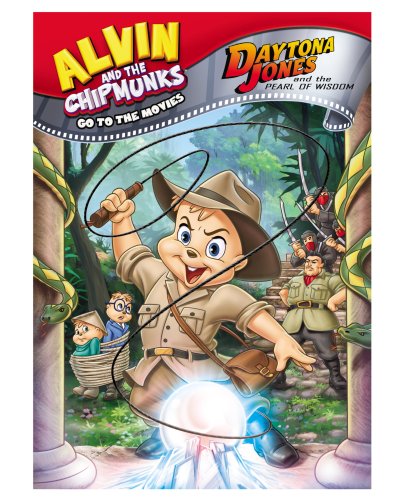
The Alvin Collection is another group of episodes of The Chipmunks from their popular Saturday Morning series, Alvin And The Chipmunks. The shorts are not theme related as some of the other recent sets have been. The stories range from the film inspired Romancing Miss Stone to the globe trotting episodes like Maids In Japan or The Curse Of The Lontiki. They aired originally between 1983 and 1987, but many of them have sprung up in syndication up to the present day. There are 14 episodes in all, lasting a little over 20 minutes each.


Duckman began life as an underground comic created by Everett Peck. It gathered to itself quite a cult following, and like all such things caught the attention of Hollywood. The USA Network took a chance on the quirky property and cast Seinfeld’s Jason Alexander to voice the crude character. And so Duckman’s wife was killed, and he was forced to rent his own house from his sister-in-law who was left the estate by Duckman’s wife. His life pretty much sucked. Not only was he renting in his own house, but he was also living with his overbearing sister-in-law and his grandma, who basically just sat around and farted all day long. Duckman considered himself an ace private detective and ran an agency with his partner, Cornfed. Cornfed was voiced by Gregg Berger and was a Jack Webb Sgt. Friday clone. He was the actual brains behind the partnership. Crimes either got solved because Cornfed solved them or Duckman literally stumbled into the answer.His conscience would be found in two talking teddy bears he kept at the office, Fluffy and Uranus. Like Kenny on South Park, the bears would often meet grisly demises, only to return again in the next episode as if nothing at all had happened. Women, particularly damsels in distress, were often depicted as large breasted and somewhat dimwitted. Most of the humor was decidedly adult. It was not a cartoon intended for children.


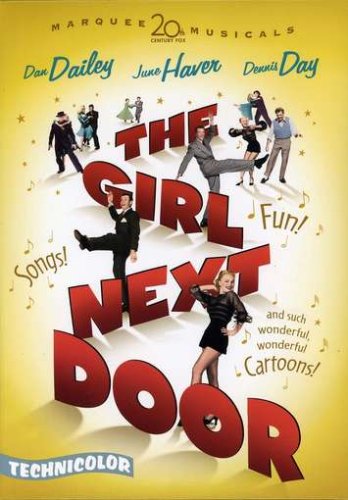
Star of song and stage Jeannie Laird (June Haver) returns from a triumphant tour to settle down in her new suburban home. Next door is widowed cartoonist Bill Carter (Dan Dailey), and sparks fly between the glamorous star and the low-key nice guy. The course of true love doesn’t run smoothly, however, due to Bill’s son Joe (Billy Gray, of The Day the Earth Stood Still), who doesn’t take kindly to the new woman in his father’s life.

Though the romance may play out as expected, it’s still interesting to see such domestic issues dealt with in the context of a musical. Meanwhile, spirited and imaginative song-and-dance routines are on order. An intriguing entry in the Marquee Musicals series.

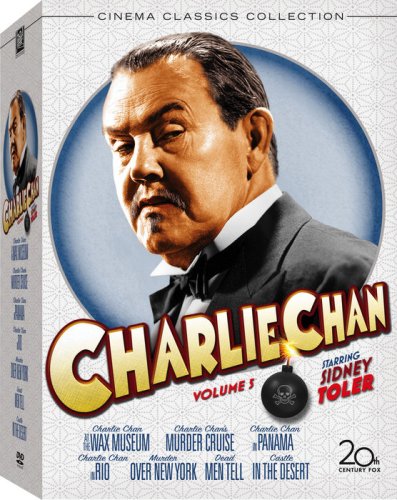
The character of Charlie Chan was created by writer Earl Derr Biggers in 1925 in the book A House Without A Key. He based the character on real life Honolulu detective Chang Apana. Like the fictional Chan, Apana was a detective of Chinese descent on the island. In the first three films, all based on Biggers novels, the character was played by three different actors. It wasn’t until 1933 that Warner Oland took the part in a long series of films that the character gained his worldwide fame. When Oland died in 1938 the series continued with actor Sidney Toler in the title role. It is 7 of these films that make up this latest Charlie Chan Collection. Like Oland before him, Toler was not Chinese; in fact neither of the men were even Asian. The character was created using heavy makeup and overexaggerated features to give the character his distinctive look. Chan was joined by his # 2 Son Jimmy, played by Victor Sen Yung, for his series of films. Jimmy was always getting in the way and was often a source of both disappointment and pride for his reserved father.


The Chipmunks began life oddly enough as a singing group, of sorts. They were the brainchild of struggling songwriter Ross Bagdasarian and were named after the three chief executives at Liberty records. His own alter ego David Seville’s name came from his World War II Army station in Spain. The Chipmunks first appeared in a 1958 record called The Witch Doctor, but wouldn’t officially become The Chipmunks until later that year when The Chipmunks Christmas Song was released. It is for that Christmas music that I most remember the group. They first appeared as puppets on The Ed Sullivan Show. Alvin and the boys got their own television show in 1961. When Ross died in 1972, the Chipmunks would continue on under the guidance of his son. In 1983 The Chipmunks had yet another popular cartoon show and had appeared in countless specials and films. Today they are pretty much a hallmark at the holidays, and a Christmas song collection just wouldn’t be complete without them.


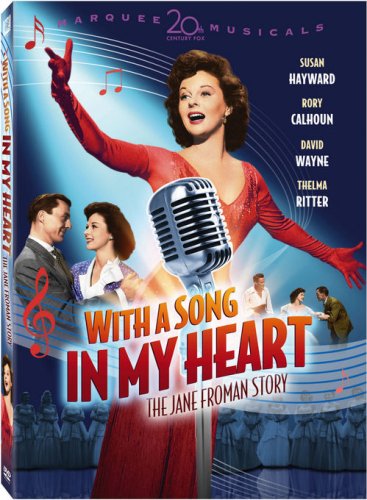
A mixture of biopic and musical, this vehicle stars Susan Hayward as Jane Froman, an incredibly popular singing star in the 40s who had to battle back from terrible wounds suffered in a plane crash after her first performance for American troops overseas during WWII. The film begins with Froman’s triumphant comeback, and flashes back to the events leading up to this. The pic is efficiently put together, and Hayward’s lip-synching (Froman dubbed in her own singing) is unusually convincing. But the crash itself is disappointingly undramatic.

Audio

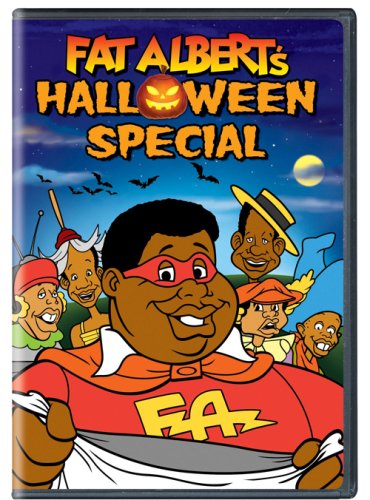
“Hey Hey Hey, It’s Fat Albert!”

That’s right, it’s Fat Albert. Bill Cosby invented the portly young Albert for his stand-up and album releases in the 1960’s. The character, like many of Cosby’s stories, is based on elements of his own youth. My parents were huge Cosby fans, so I had heard all about these Cosby Kids long before they hit television in 1972. Fat Albert And The Cosby Kids was an almost instant hit on the Saturday Morning cartoon menu. Unlike most of those early morning toons, this one mixed in some live action elements with Cosby himself. He acts as a host for the stories. The show was also known for its attempt to teach some kind of moral lesson with each episode. Standard lessons like it’s not cool to call someone names, or drugs are bad business, were often the week’s taglines. Cosby would accentuate the lesson himself, and usually the show ended with a song played by the Kids with their junkyard instruments that again played on the moral of the week. Cosby used a staff of educational psychologists for the show and made no apologies for the often heavy-handed lessons. Off and on the series ran for about 12 years, finally ending original programming in 1984.