Action

Writing or directing a fighting movie is kinda like booking a wrestling card. In theory, you need to create a strong but flawed babyface who is fighting for a cause or fallen friend. The antagonist or main heel is usually completely evil and has the face of being completely untouchable. But in order to build up this reputation, he must also go through some minor good guys to get over his image.

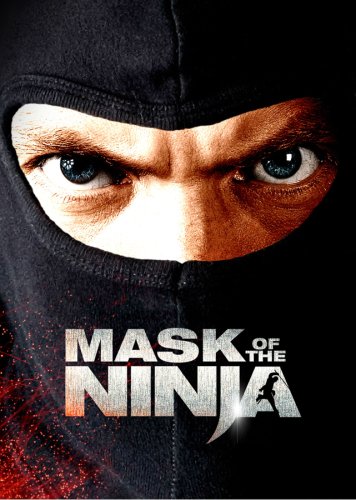
Bradford May, oh Bradford May. I have a good history of watching movies directed by Mr. May from a couple of Darkman sequels to the more recent Ring of Death. His style is pure popcorn and an attitude of leave your brain cells by the door. It is only fitting that I was interested in seeing another flick with his name on it. This one was called Mask of the Ninja. Right away, it sounded like a classic Bradford May movie. However, after watching it, I realized that Bradford had broken some laws in his production. He had broken the sacred five rules of portraying a ninja.

The sleaze of the grindhouse era inspires a special kind of love. Warped, dubious, indefensible, yet real all the same. Part of that love is a nostalgia from those bad old days. But it takes an even more special brand of that special love to seek to recreate forgotten exploitation genres, and yet that is what we have here: the first Nazisploitation flick in close to thirty years.

His name is Craig, Daniel Craig. Love him or hate him, we have to accept the fact that this blue-eyed rather rugged sculpture of a man is the face of James Bond, now and for the foreseeable future. I’ll admit to being more of a nostalgic Bond fan, and have the image of Sean Connery forever etched into my brain as the quintessential 007. But, it’s not only the drastic change in appearance and demeanor that makes this a hard film for me to embrace. For the first time in the franchise’s 22 film and 35 year history we have a Bond movie that is a direct sequel of the previous one.

Autism is commonly defined as a brain development disorder characterized by impaired social interaction and communication, and by restricted and repetitive behavior. Sometimes, due to that lack of social interaction and repetitive behavior, the people affected develop a special skill or heightened senses. The results can be amazing. However, in film, autism is rarely shown as what it truly is, a disorder. To find a film that not only embraces the special skill as well as show the difficulty it takes to exist and function normally is pretty rare.


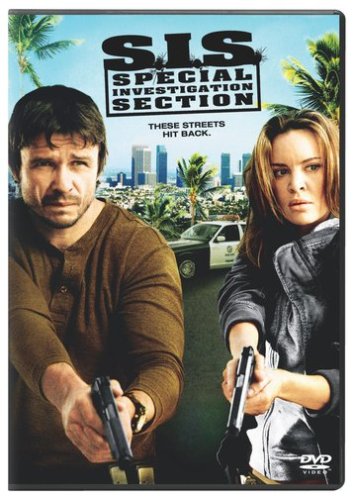
There are many shows out there that never make it past the original pilot episode. Most of them fail because there isn’t anything original about the plot or perhaps the cast chosen isn’t strong enough to bring out a good character. Heck, it could even be as trivial as the locale chosen to whether or not the network executives give it a nod. So the question remains, what exactly happens to these pilots that either fail or haven’t been picked up yet for next season? They get released on dvd. A little publicity never hurts.

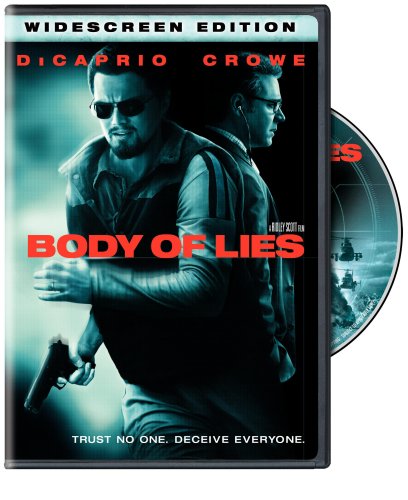
Ridley Scott’s Body of Lies is a reliable piece of filmmaking exemplary of the great director’s ability to make a tensely watch-able film, even if said film isn’t his best work. Such is the case with this Leonardo DiCaprio-Russell Crowe-led action-thriller that focuses on the post-Iraqi invasion conflict. DiCaprio’s Roger Ferris is left with those little pieces of death that have proven so much more dangerous after the old regime was toppled by U.S. forces, and he seems fine with it.

Made-for-TV crapper Depth Charge, a new action film starring Jason Gedrick and that B-movie slut brother of Julia Eric Roberts, hits DVD with a bare bones release you will welcome, if by chance, you happen to work for Upcoming Discs and want to get your next bad movie project over with as quickly as possible.

On July 20th, 1973; Bruce Lee left our world. The world he left was never the same, but somehow his fans and directors carried on in their own way. The fans he left behind were hoping for a great martial artist that could be just as good as the late Bruce Lee. The directors he left behind were hoping to capitalize on the look of Bruce Lee and find one who not only looked like Lee but performed like him. What happened as a result of all this? A whole lot of bad kung-fu films known as Bruceploitation films.

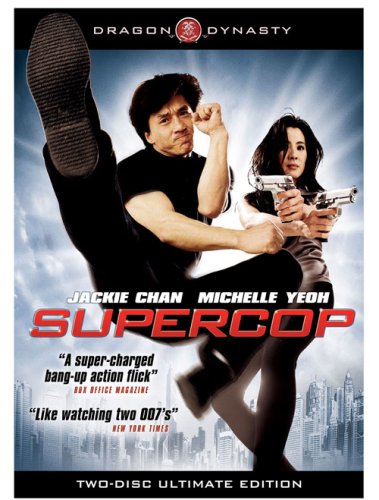
Supercop is really just the American title for the third entry in Jackie Chan’s very popular Police Story series in Hong Kong. For the first time in the franchise, Chan decided to go with an outside director, and he made a wise choice with newcomer Stanley Tong. Tong might have been a green director, but he had a natural feel for the abilities and strengths of his mega-star. The two would go on to collaborate on several more films after this rather remarkable first time pairing.