Documentary

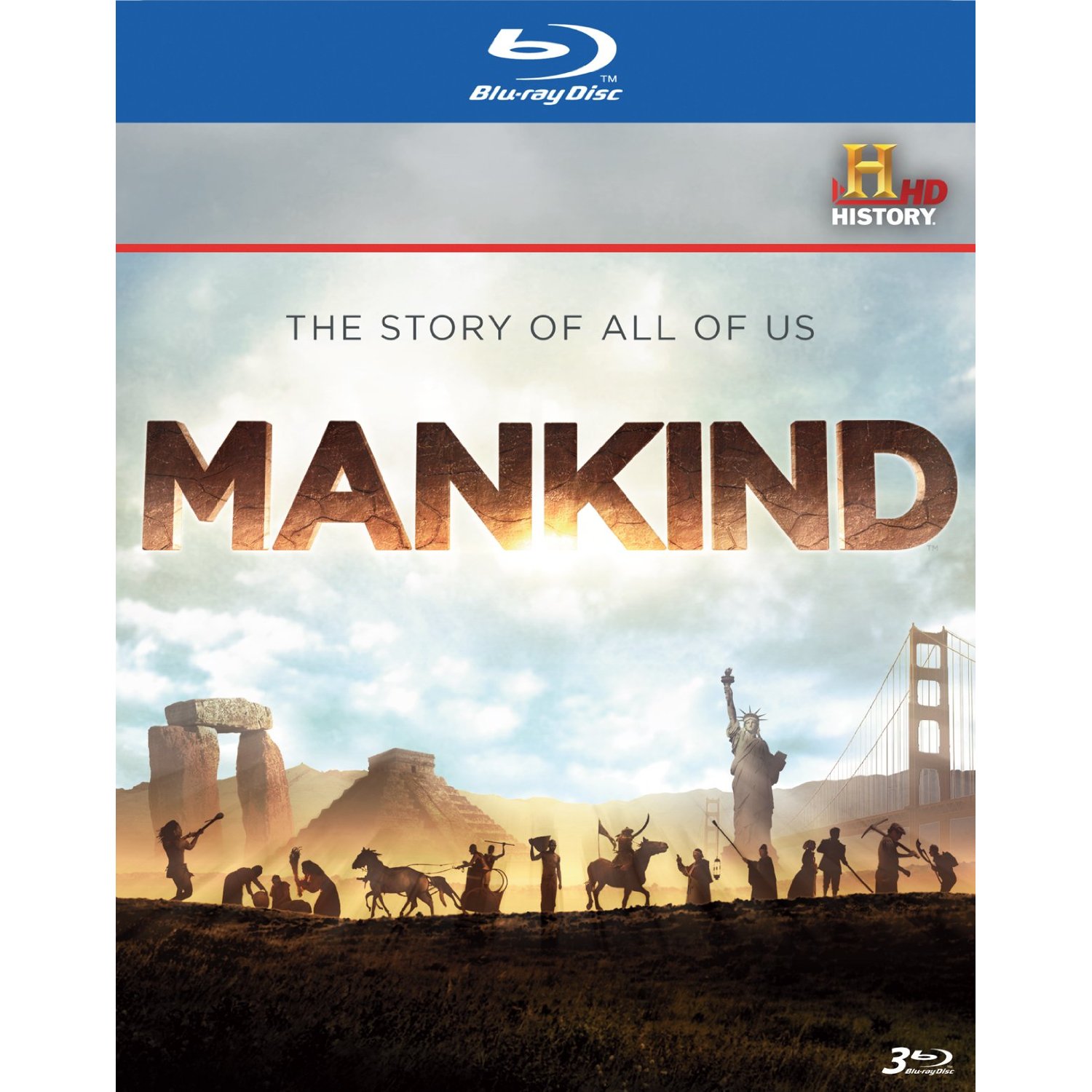
“Amidst the chaos of an unforgiving planet, most species will fail. But for one, all the pieces will fall into place and a set of keys will unlock a path for mankind to triumph. This is our story.”

The only thing missing from that bit of grandiose narration — which opens each episode of this 12-part series — is a Law & Order-style *chung, chung.* Mankind: The Story of All of Us starts with a bang (as in the “Big” one) and proceeds to give us a lively, surprisingly cinematic history lesson.

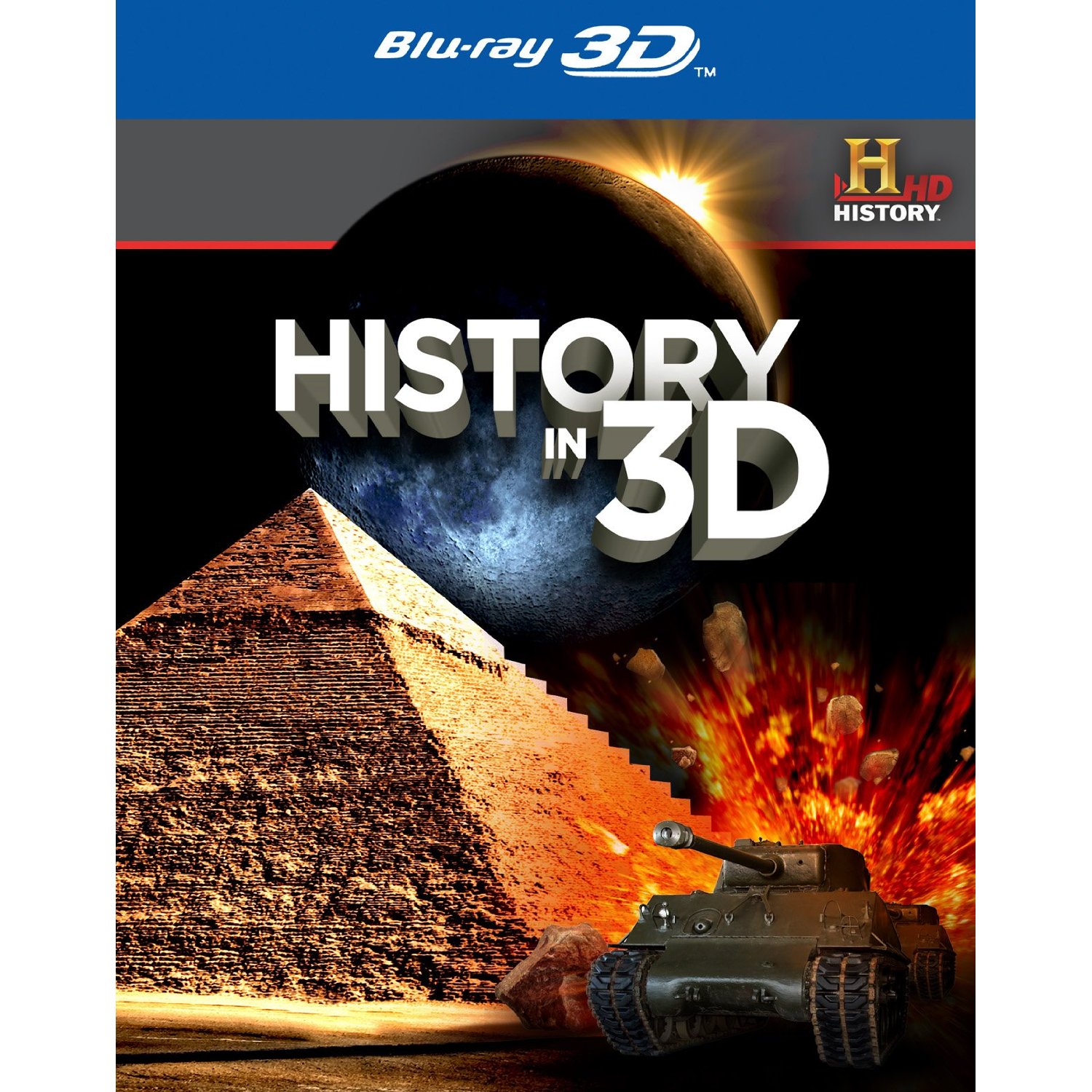
Just in time for the holidays A&E puts together three of their history documentaries and send them out to you in 3D. I'm talking about the History In 3D collection, of course. This is a 3-disc set with an episode on each disc. They come in a nice box with a holograph cover to get you in the 3D mood. Here's what you get:

WWII In 3D:

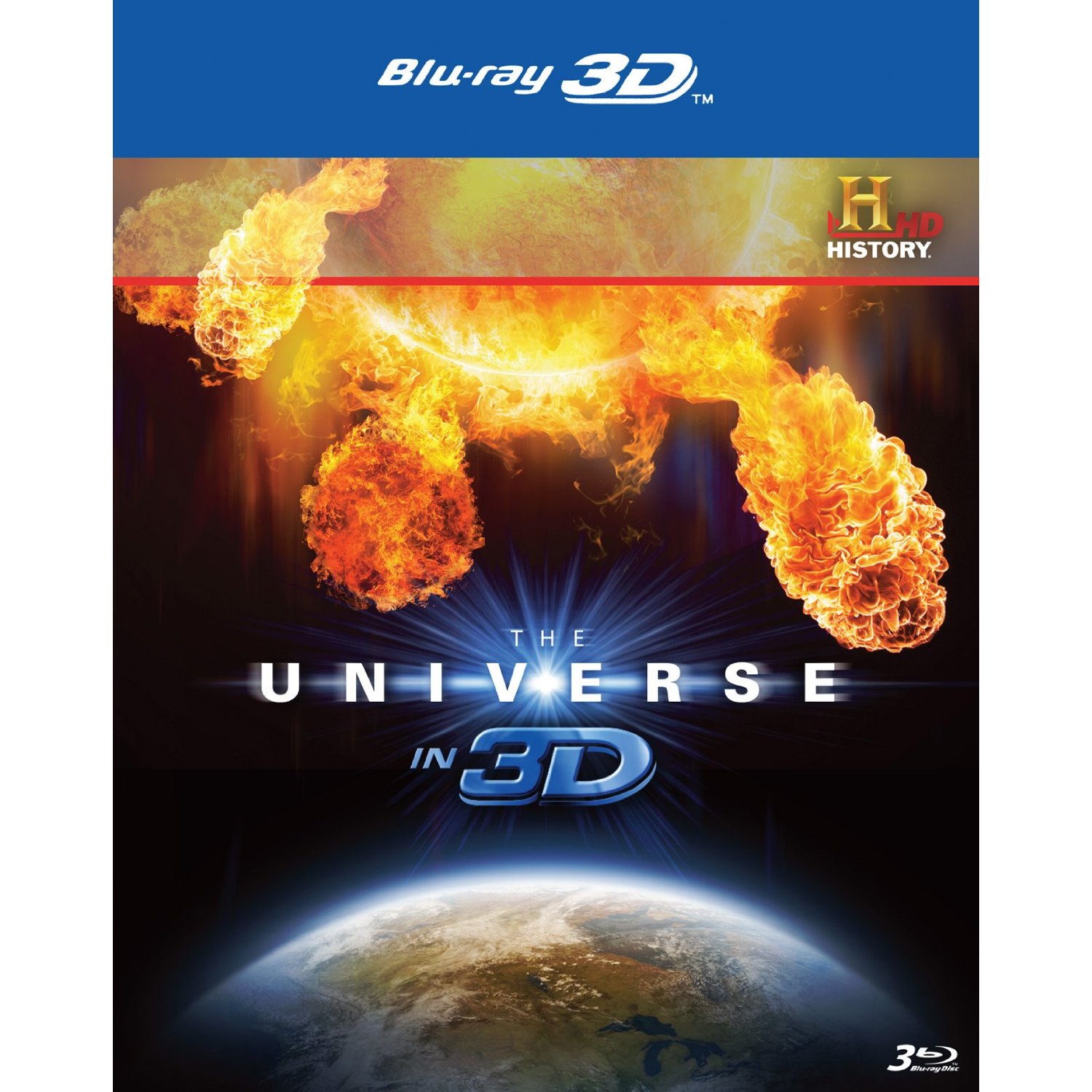
“In the beginning there was darkness. And then bang, giving birth to an endless expanding existence of time, space, and matter. Every day new discoveries are unlocking the mysterious, the mind-blowing, the deadly secrets of a place we call The Universe.”

The History series has lasted for six seasons to date. The show uses modern space photography, computer-generated images, and demonstrations along with respected scientists to explore the various aspects of our universe. While more time is spent in our own backyard exploring our solar system, the series does take us to the outer reaches of space, going back about 13 billion years. That’s as far as we’re able to see. The show is narrated by Erik Thompson. Of course, there is plenty of narration by the scientists.

There are two films that are on the main disc; an experimental film by Nicholas Ray and a documentary by Susan Ray about the making of said film. They are perfect companions on this release and I feel one is crucial for the other, therefore I'm going to treat neither as simply a “Bonus.”

We Can't Go Home Again

For those who do not know, I am half polish. My mother was born in Poland during the 1950’s after the second World War. Often through my youth I would ask my mother for stories of World War II from her father. However, this was met with much resistance as my grandfather was rather tight lipped about anything that happened in that time period. It was understandable, but I still wanted to learn. In fact, today we visit World War II and more specifically the Nazi Collaborators in our dvd review.

This documentary set includes thirteen hour long episodes spread over four discs. All of these deal with a different section of Europe including Poland, France, Belgium, and Finland. The specials also deal from right within Germany itself as it examines delicate subjects like Jews inside Germany and the Killer Police. This is six hundred and fifty minutes that covers virtually everything about leaders and people who would later be labeled as collaborators. Here are a few examples.

“I think we all knew it was good. But it was only when we started getting hits, which is sort of a rare thing in my life, that you start thinking, 'Maybe we’re gonna sell something here.'”

Peter Gabriel was one of the founding members of late ‘60s prog rock pioneers Genesis and released four untitled/self-titled solo albums in the late 1970s and early ‘80s, which spawned hits like “Solsbury Hill” and “Shock the Monkey.” But it wasn’t until 1986 that the British rocker enjoyed the greatest success of his career.

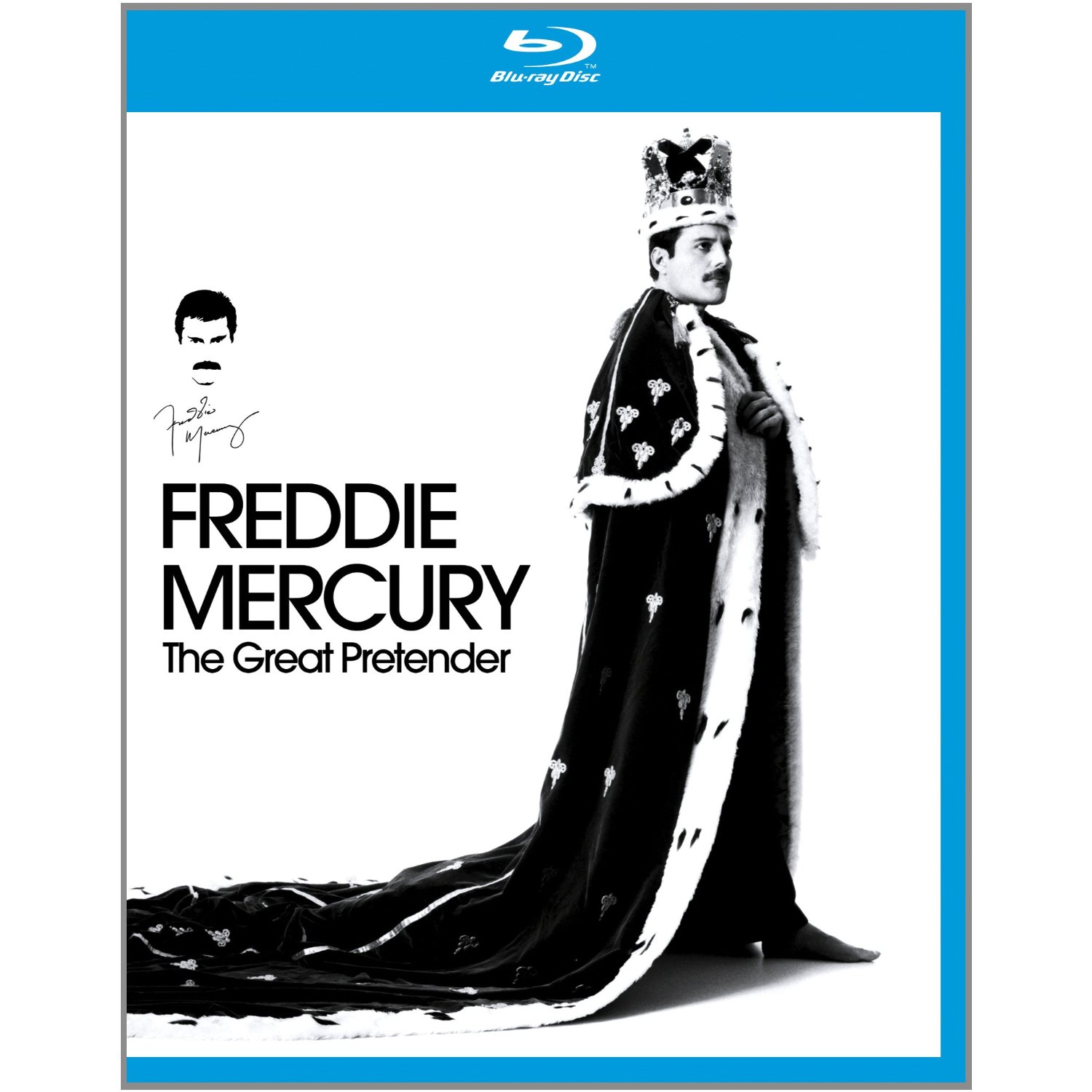
Some bands stand the test of time. Rolling Stones, Beatles, Bon Jovi, Village People, errrr, okay let’s continue. Another of those bands is Queen who some experts have estimated that the band has sold over two hundred million records. Their most famous lead singer is of course the legendary Freddie Mercury. But Freddie Mercury was such a unique personality that he was not always interested in making music with Queen. He had many other interests and this documentary we have today explores them.

At the Rio festival in January of 1985, Freddie Mercury decided to perform in front of 350,000 people in a pink sweater and fake breasts. The next day, he is interviewing with David Wigg in suspenders and a seemingly normal t-shirt. When asked about whether or not he was intimidated by the size of the crowd he preformed at. He simply smiles and says that bigger is better in everything. The Emperor of Rock has found some new clothes.

The presidential election is right around the corner. We have two candidates where either one could realistically win. We just hope that there is no funny business and that all of the voting is on the up and up. Regardless, the History Channel has produced many specials over the years that deal with different facets of the presidency. Let’s take a look at three of those specials in this 3-disc set.

Air Force One (44:51): This hour long (with commercials) specials focuses on the most famous plane in the United States, Air Force One. The first thing we learn is that Air Force can be any plane the president flies (it is a call signal). However, the plane most associated with Air Force One is a Boeing VC-25. A very heavily modified Boeing VC-25. But there is a lot more to Air Force One than just a big fancy plane with special cargo inside.

Written by Bob Ross and David Annandale

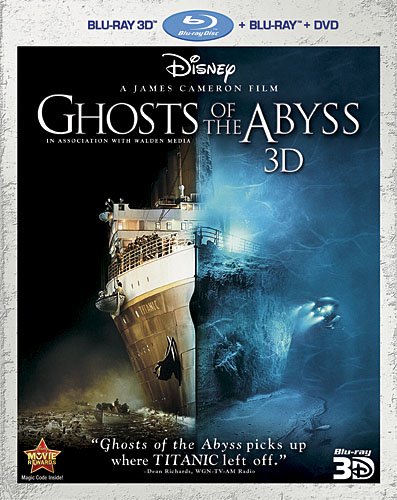
Bill Paxton accompanies James Cameron on another expedition to the Titanic, and narrates this documentary about their exploration of the ship. Though the narration is hobbled by an endless stream of pseudo-profundities, the underwater photography is simply stunning. Thanks to two remote-controlled robots, we get to see the interior of the ship. Computer animation and superimposed extras (the ghosts of the title) both re-create the ship as it once was, and help us visualize where…we are in the wreckage, and what transpired there.

I never really meant to have 3D TV in my home theater. But our Sony Blu-ray player was 3D-ready, and the receiver and monitor both needed warranty replacement about the same time. Bingo: All I needed were a couple pairs of glasses ($40 each at Amazon) and some 3D programming. Having seen almost every 3D big-screen release already, I was pretty sure the TV version would be an inferior format. I was wrong. The electronic-shutter glasses beat the heck out of those old red-and-green gimmicky glasses. They work as well as the polarized lenses at the multiplex.

To me, 3D television is sort of like a talking dog: It doesn’t matter what the pooch says, the miracle is that he can speak at all. My Internet hookup provides two 3D channels but they are mainly short demo reels and trailers for films and video games. So now my DVD and Blu-ray collections are joined by a much smaller shelf of 3D Blu-rays. It includes a very view features (A Very Harold and Kumar 3D Christmas is an absolute hoot) and several documentaries, mainly travelogues from the IMAX catalog.