War

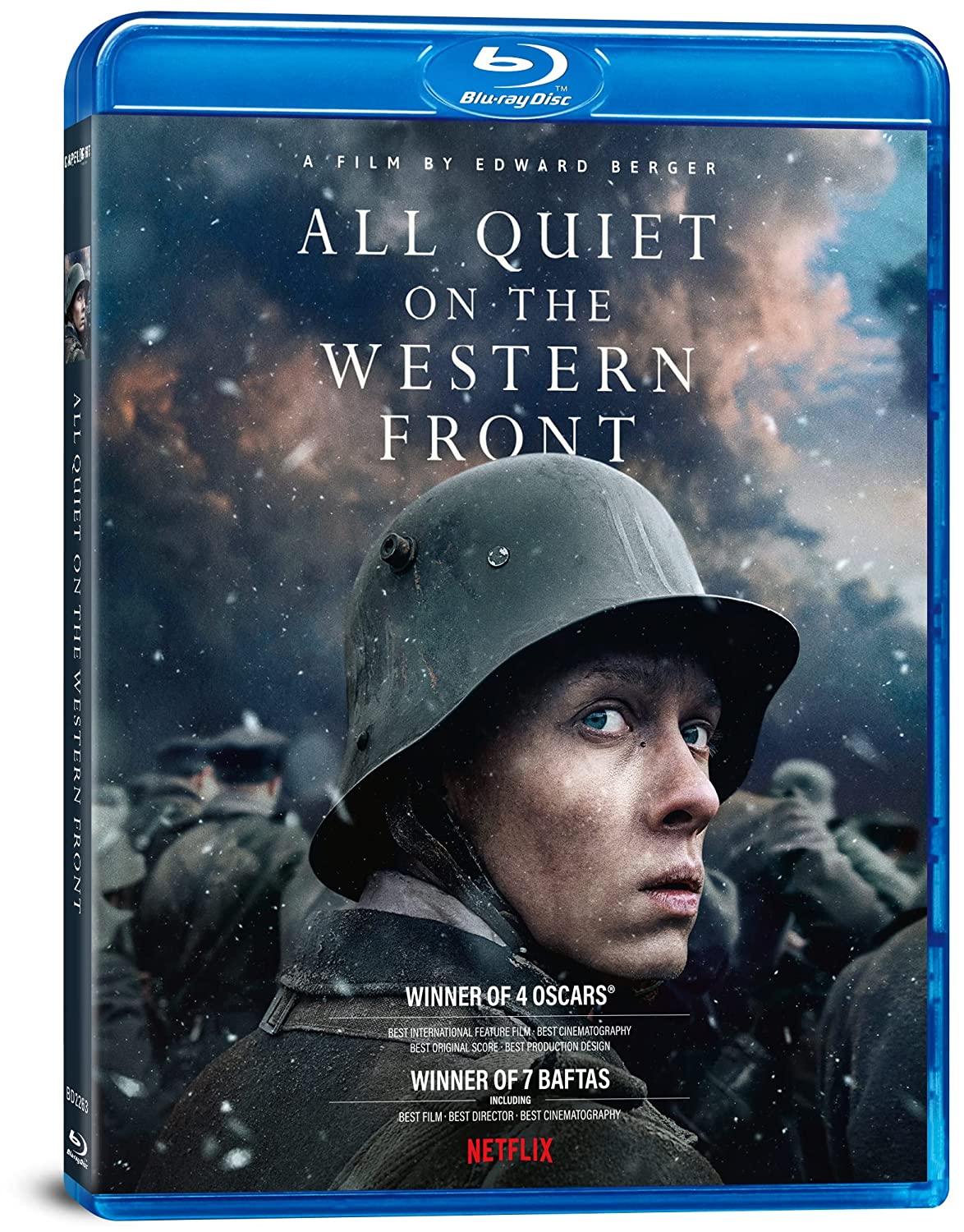
I’ll admit it; when it comes to Netflix, I’m a fan of the shows that they put out, but their movies rarely impress me.  I kind of look at Netflix films as the modern version of direct-to-video releases. They have big stars, but the quality just isn’t up to par with the big releases you’ll see in the theater. Even big name stuff like The Irishman -- it was good,  but not the masterpiece I was expecting. Honestly, my favorite films on Netflix are The Babysitter films with Samara Weaving, just a fun little film, that is basically the kind of expectations I have for a Netflix film, and even the more recent release of We Have a Ghost I thought was charming and may have done well on the big screen. As for Knives Out 2, fun but forgettable. So when I see films from the streaming service get Oscar nominations and even win, I can’t but feel the need to pull the wax out of my ears and make sure I heard that right. This is also why we’re in May and I’m just now watching the adaption of the film All Quiet on the Western Front.  This is the third time the film has been made, but this is the only version I have seen, and, well, I have to admit not only is this a good film, but it is a great film, and I feel it deserves every bit of recognition it has received.

One of the most impressive moments in this film comes early on in a brief battle sequence, but it is the aftermath of the battle that matters here. We get to see the journey of a uniform as it is stripped off the corpse of a soldier and then is shipped away to be washed up, sewn up, and prepared for the next soldier to call it their own. It’s an effective moment early on to remind us that not only is war unkind, but that it is a machine that is always working and churning out the next shooter and inevitably the next unfortunate soul to watch a bullet, a stab wound, or a random bit of shrapnel, and then the cycle starts all over again.  Then for an added touch of inhumanity to it all, when a name tag on a uniform is ripped away and discarded with many other discarded name tags on the floor, that visual reminder that these boys are nothing more than bodies of flesh, and who they really are doesn’t even matter.

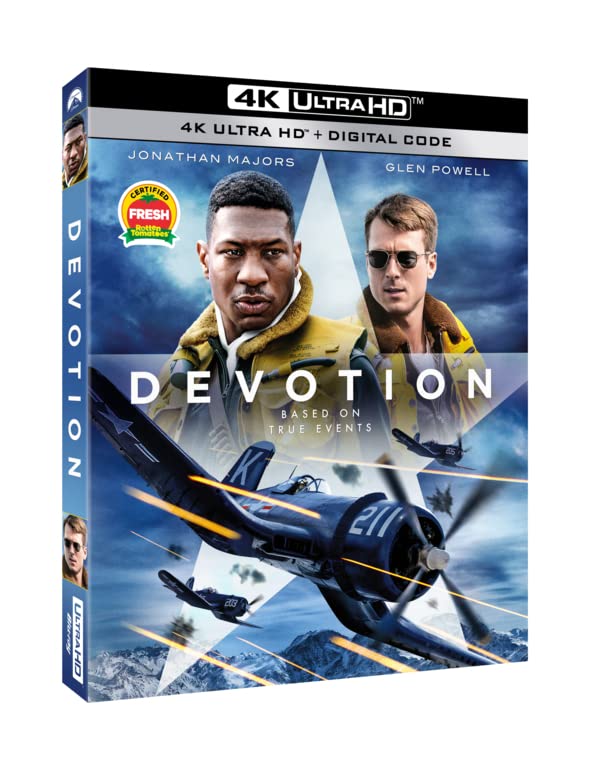
"Inspired by the global threats of the Second World War, the U.S. Navy welcomes a surge of aspiring aviators ready to fight in what they called The Big Show. But now it's 1950, and after five years of peace, a true conflict is growing at the North and South Korean border. This is a story from America's forgotten war."

One of the best things about this job is that we get to see some of the up-and-coming talents as they evolve into superstars. I was lucky enough this week to get a double dose of one of the most dynamic young stars out there. Of course I'm talking about Jonathan Majors, who plays US Navy aviator and hero Jesse Brown. Just one night after watching the UHD/4K disc for this review, I was treated to my second dose of Majors at a press screening for the upcoming Creed III, where Majors plays the antagonist Damien Anderson. The roles could not have been more different, and Majors stole every scene in both films. I already can't wait to see him once again. I missed our screening of the new Ant-Man & Wasp film, so I have his portrayal of Kang to look forward to. The buzz I heard was that he had been the best part of the film, and I believe it after Devotion and Creed III. I'm sure there'll be more to say about this talented young actor, but let's talk about Devotion out on UHD Blu-ray in 4K from Paramount.

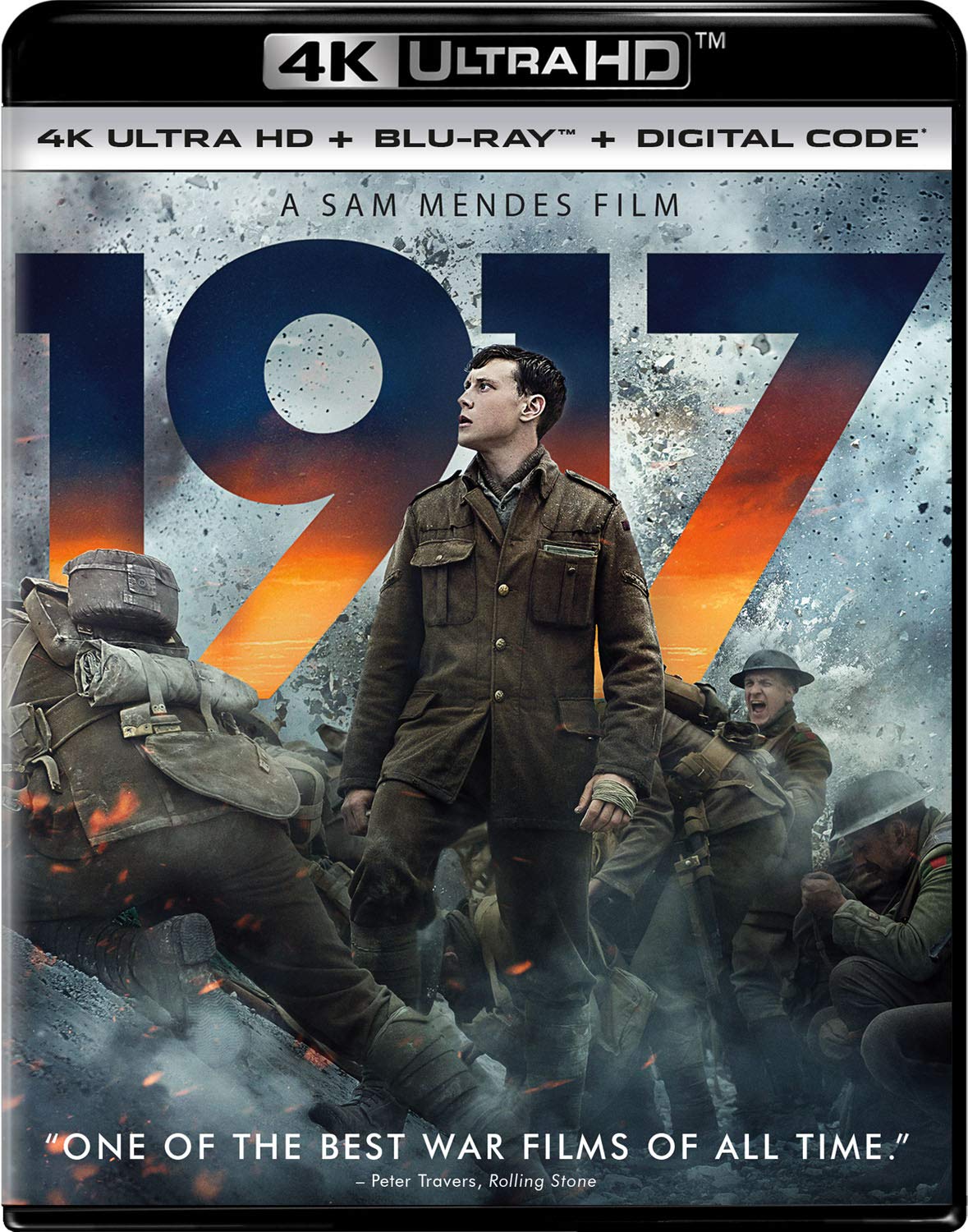
For a while it was looking like 2019 was going to be a lackluster year for films, but once fall rolled around, we seemed to get bombarded with some quality award-worthy films. Aside from Once Upon a Time in Hollywood, nothing jumped out at me as Best Picture.  Sure, Joker was great, and I had a great time with Uncut Gems, but when 1917 rolled around, this was the film that left me in awe. Sure, there have been some great war films over the years. Platoon and Apocalypse Now are great Vietnam films, Saving Private Ryan is definitely a contender as the best film about WWII. Really, it would have been difficult to say what’s the “best” war film out there …well, that is, until now.  It’s a bold statement, and I know many will disagree with me, but after two screenings of 1917, I’m feeling pretty confident when I say this is the best and my favorite war film.  What’s even more impressive is how 1917 manages to standout from the big blockbusters, sequels, and comic book films and stand alone as a film that can remind viewers about that magic that comes with seeing a movie on the big screen and in Dolby sound.


The film’s setup is relatively simple. Lance Corporal Blake (Dean-Charles Chapman) and Lance Corporal Schofield (George MacKay) are tasked with the mission to cross into enemy territory to deliver a message to prevent an attack that will lead 1,600 men into a trap.  The pair must complete their mission before daybreak the next day; failure will pretty much mean certain death for Blake’s brother and most of the troops. No time is wasted in getting the story in motion, and once the two men set off on their journey, the film simply doesn’t slow down.  The film takes us along their journey from deep into the trenches, to across a blood-soaked, corpse-riddled battlefield, to booby trapped dugouts, and cities in ruin from the war.  I couldn’t help but think to myself the second time around how the journey of Blake and Schofield isn’t all that different from the journey the Frodo and Sam took on their adventure to destroy the ring by taking it to Mordor, only the distinct difference is 1917 is set during WWI.

"That's the bravest damn thing I think I've ever seen."

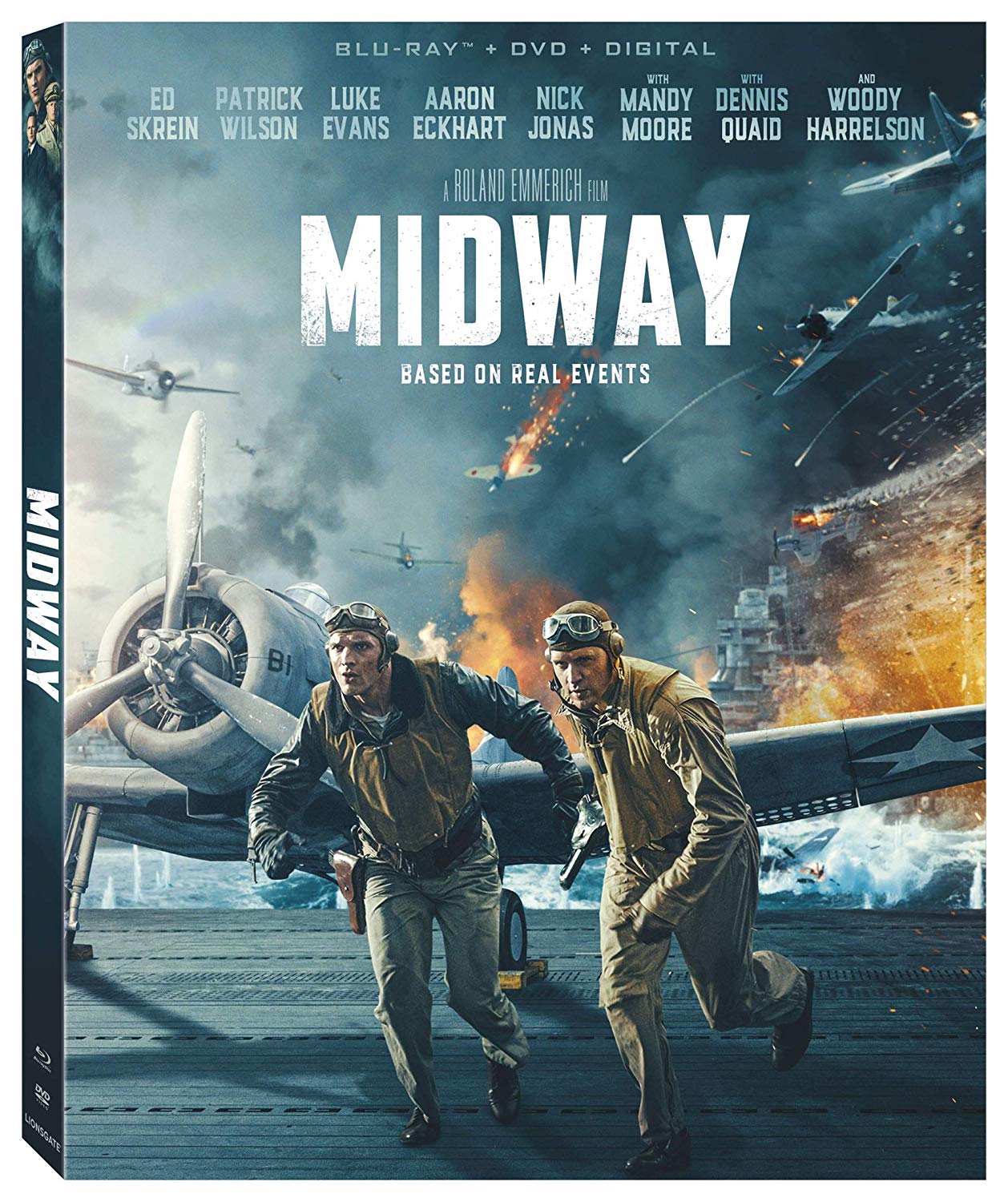
Director Roland Emmerich is no stranger to big-screen battles. The difference is that up until this year those battles have been against aliens, huge climactic changes, or giant lizards named Godzilla. There's no question that he understands how to shoot epic confrontation. The question I had going in to Midway was, can he deliver a battle that wasn't fiction? After nearly tow and a half hours, the answer came back somewhat mixed. This isn't the first time that the Battle of Midway has been brought to the big screen. In the 1970's Charlton Heston gave us a film that was more renowned for the trendy Sensurround gimmick than it was for the drama that unfolded on the screen. Sensurround was a fancy name for huge subs that would shake the theater, and if you were lucky enough to be seeing the film at a theater with enough money to go all the way, you might have found yourself in a seat that was wired to shake, rattle, and roll. Today the chains call that Dolby. This Midway didn't lend itself to some William Castle hustle. It's all up on the screen. The film bears no relation to that earlier effort except for the legendary battle in the Pacific that turned the tide of the Pacific theater of World War II toward the Allies. The film actually shares more in common with the classic Tora Tora Tora in that we spend a good deal of screen time with the Japanese players in the battle. Not at all like the earlier gimmick film, this movie is intended to place you squarely in the middle of the action. If that's what you came to see, you are certainly in for an immersive experience, only without the hot-wired seat.

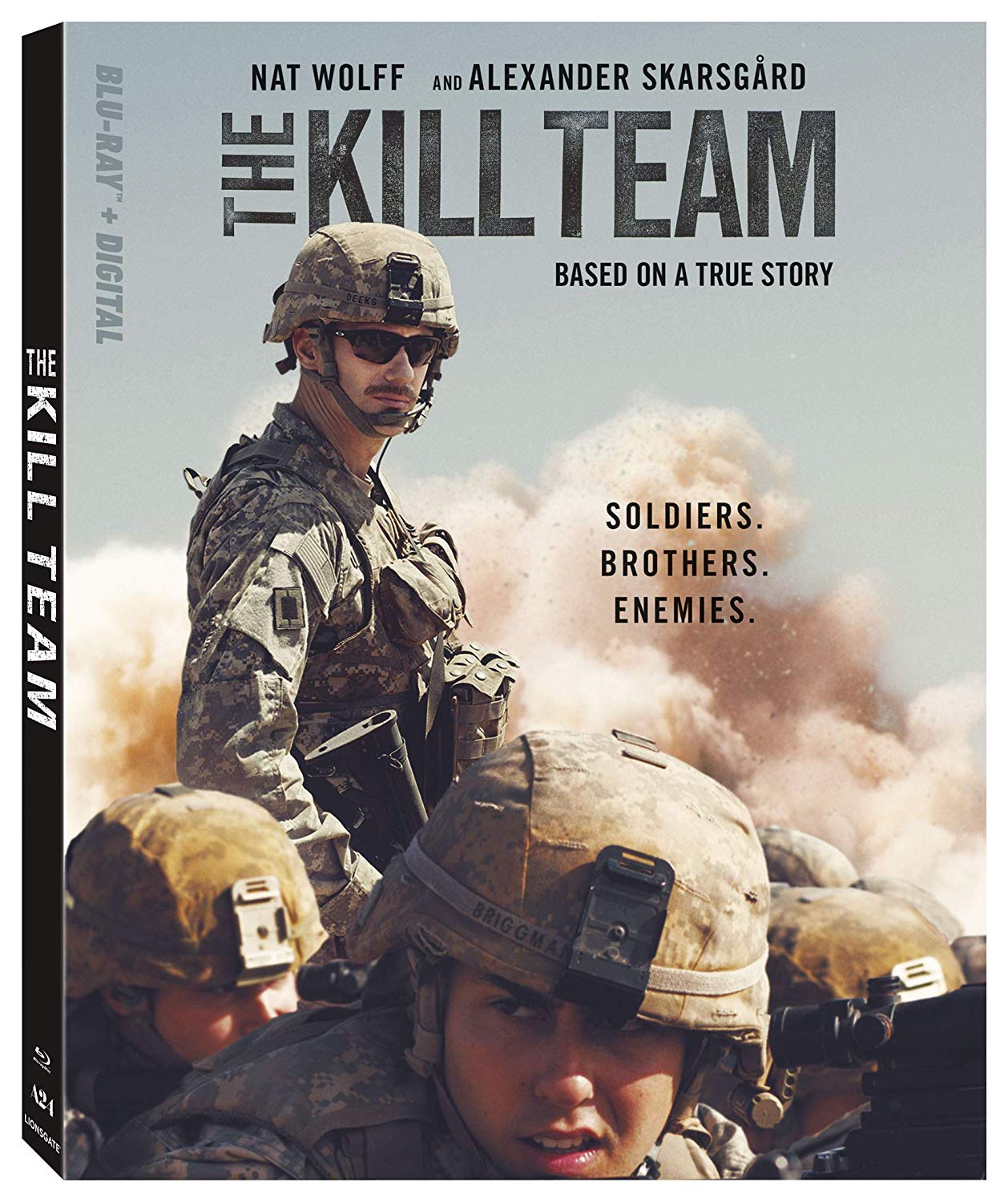
This is yet another war film that is “based on true events”.  Considering how long troops have been over in Afghanistan, it’s no surprise how many films seem to be coming out about the subject.  I’ll admit going into this film I didn’t exactly have high hopes, but I’m pleased to say not only did the film not disappoint; I found myself actually enjoying it. Granted this is no 1917, but it’s definitely better than the dumpster fire film that I reviewed about a month ago called D-Day.  The Kill Team follows new recruit Andrew Briggman (Nat Wolff), who is wide-eyed and ready to see combat, but once he is confronted with the very human side of the war that the troops are facing, well, his conscience begins to weigh him down, and things only get more complicated for him as his time in Afghanistan stretches on.  From the start, the film seems to have a very idealistic view on how the soldiers can and should act, and it’s this “moral compass” that gets in the way of telling the story.  When it comes to war films that delve into the cruelty that occurs, you can’t let morals dictate the story. It’s the equivalent of doing a western where the bad guy wears the black hat and the good guy wears white.  Sure, you’re spelling it out for your audience, but when depicting real life, it’s never quite that easy to tell wrong from right.

The film wastes no time in getting us into the story, as we see Briggman on his last day being a civilian to him being in Afghanistan.  He seems disappointed that instead of seeing combat he’s stuck with his team travelling to villages attempting to build relationships with them, but things quickly go sideways after an explosive takes out his Staff Sergeant.  It doesn’t take long before a replacement comes in, and it’s Staff Sergeant Deeks (Alexander Skarsgard) who comes in to make some changes to the unit. He’s not about being friendly with villagers; instead, he’s ready to hunt down some bad guys responsible for making bombs that have killed numerous soldiers over the year.  Here’s the thing: I was onboard for this being about a military unit simply out for blood killing potential terrorists. If you’re going to do a film about morally corrupt soldiers, I figure you just go all in and make them a ragtag team of anti-heroes.  Well, writer and director Dan Krauss had other plans, and instead focuses on the inner termoil Briggman is going through about his unit murdering “innocent” people.  Because Krauss previously directed a documentary about soldiers that were involved with the same situation, he uses his insight to deliver a very grounded take on the subject matter.

"Welcome to Benghazi."

It shouldn't matter what your politics might be. The events in Benghazi on September 11th, 2012 bring up some very important questions. Contrary to one 2016 presidential hopeful's declaration, it does make a difference. It did to the people who were there. It does for the families of the four who lost their lives. And it should make a difference to you. With such a political hotbed issue, you'll find that 13 Hours goes out of its way to avoid the political questions. Some might view this as an oversight, but I think it gives the film a greater sense of credibility and makes its impact on the audience to fill in their own political blanks.

"Someday we might look back on this and decide that saving Private Ryan was the one decent thing we were able to pull out of this whole godawful, shitty mess."

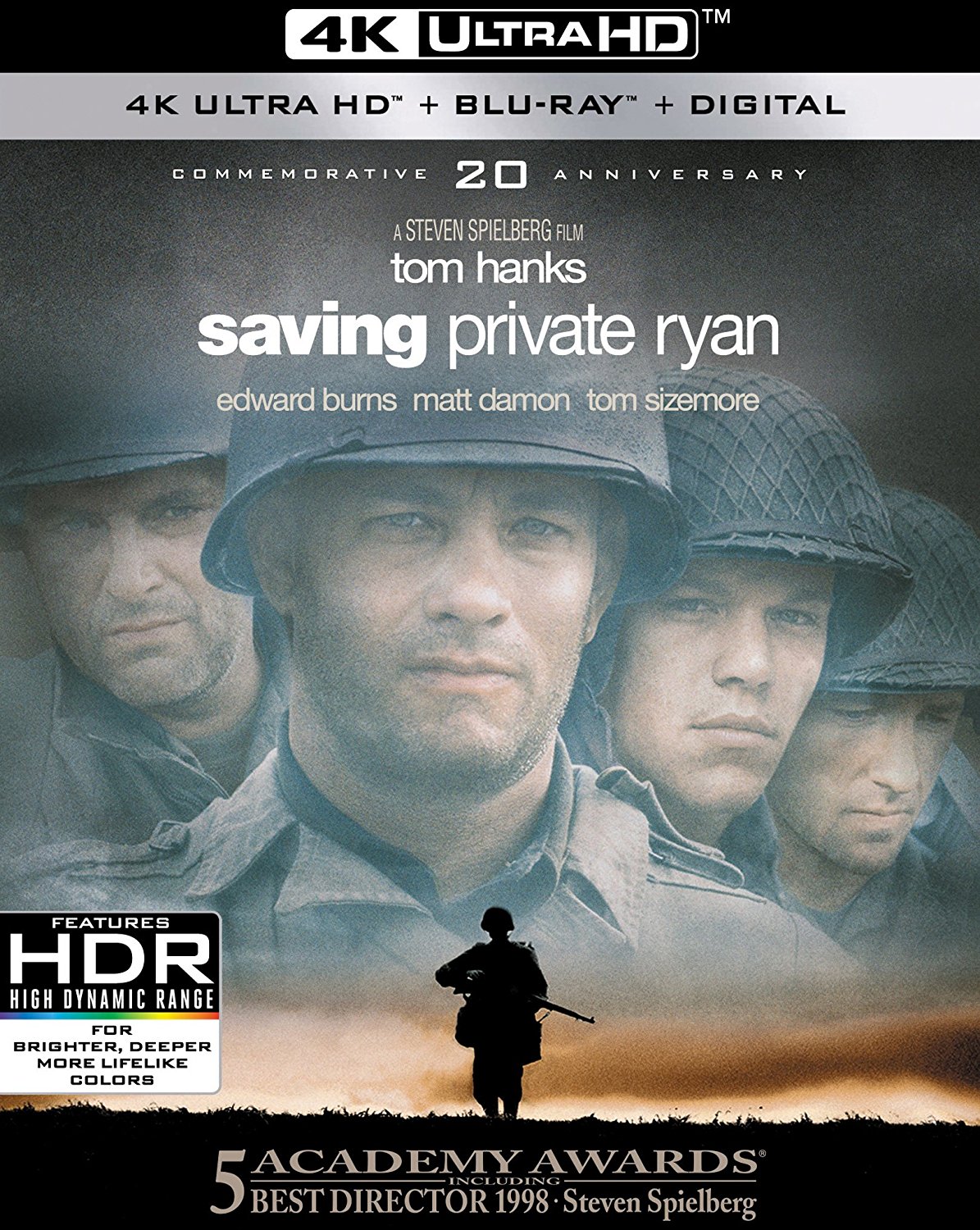
There are movies that only come along once a decade, sometimes only once a generation. There have certainly been tons of films made about World War II, and some of them have been among those special kinds of films. But there's something different about Saving Private Ryan, and I've yet to encounter someone who hasn't been touched in some way by viewing the movie. I have been fortunate enough in my life to have lived without experiencing the horrors of war firsthand. For my generation, the idea of war has a certain meaning that has been colored perhaps too much by movies and television. But when you watch Saving Private Ryan, you will experience the closest most of us will ever experience to what it's like to be at war. There's a reason these World War II soldiers have been called The Greatest Generation. No where is that more clear than it is here. Now Paramount has made that experience even more visceral, if that was ever really possible. In 4K, Saving Private Ryan comes full circle in its 20 years and immerses us even more into the sights and sounds of the last world war. If you have the DVD or the Blu-ray, you don't have any idea what I'm talking about. Pick up the UHD Blu-ray, and you will understand.

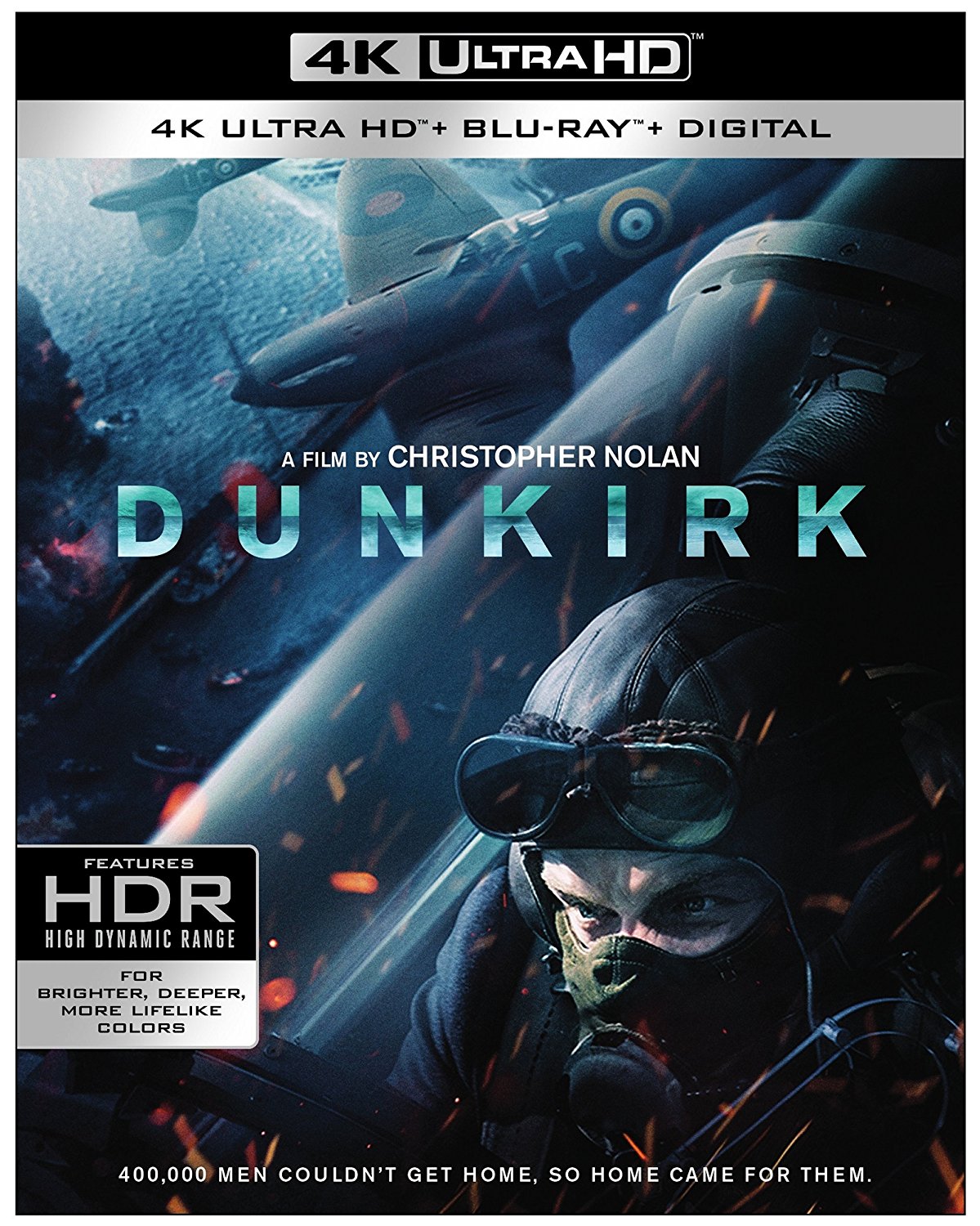
When Christopher Nolan has a new release, it’s an event to get excited about. There are few directors I can say this about. Sure, there are directors that I like, but still there are few who manage to capture what makes going to the cinema an experience. Dunkirk is his latest cinematic opus. Despite it being his shortest film, with the exception of The Following, this is the first time he has shot a film almost entirely in IMAX form. What’s the big deal? Well, aside from the picture being twice the size of the regular format, what he does with these cameras is deliver a beautifully striking picture of destruction and survival.  There’s a lot of buzz going around with this film, and already it’s being looked at as the first real Oscar contender of the year.  Is the film worth the hype?  Is it really Nolan’s best picture?

Christopher Nolan is widely known for his Dark Knight Trilogy, as well as Inception and Interstellar.  While I’m a fan of these films, it’s his film Memento that has always stuck with me as his most inspired work, a film that plays with a timeline to serve the overall experience of the film.  Dunkirk is yet another film that unfolds over the course of three timelines to tell its story of heroism and survival. While I appreciate Nolan’s attempt to be innovative with this storytelling technique, it’s definitely something I feel harms the overall film, because as the film unfolds we jump from one scene in the afternoon to another scene at night, and the sequences are edited to in such a way that tonally they coincide, but visually it’s jarring.  But still that’s not the greatest fault I find in the film; instead, it’s that I feel we are missing the entire first act of the film.

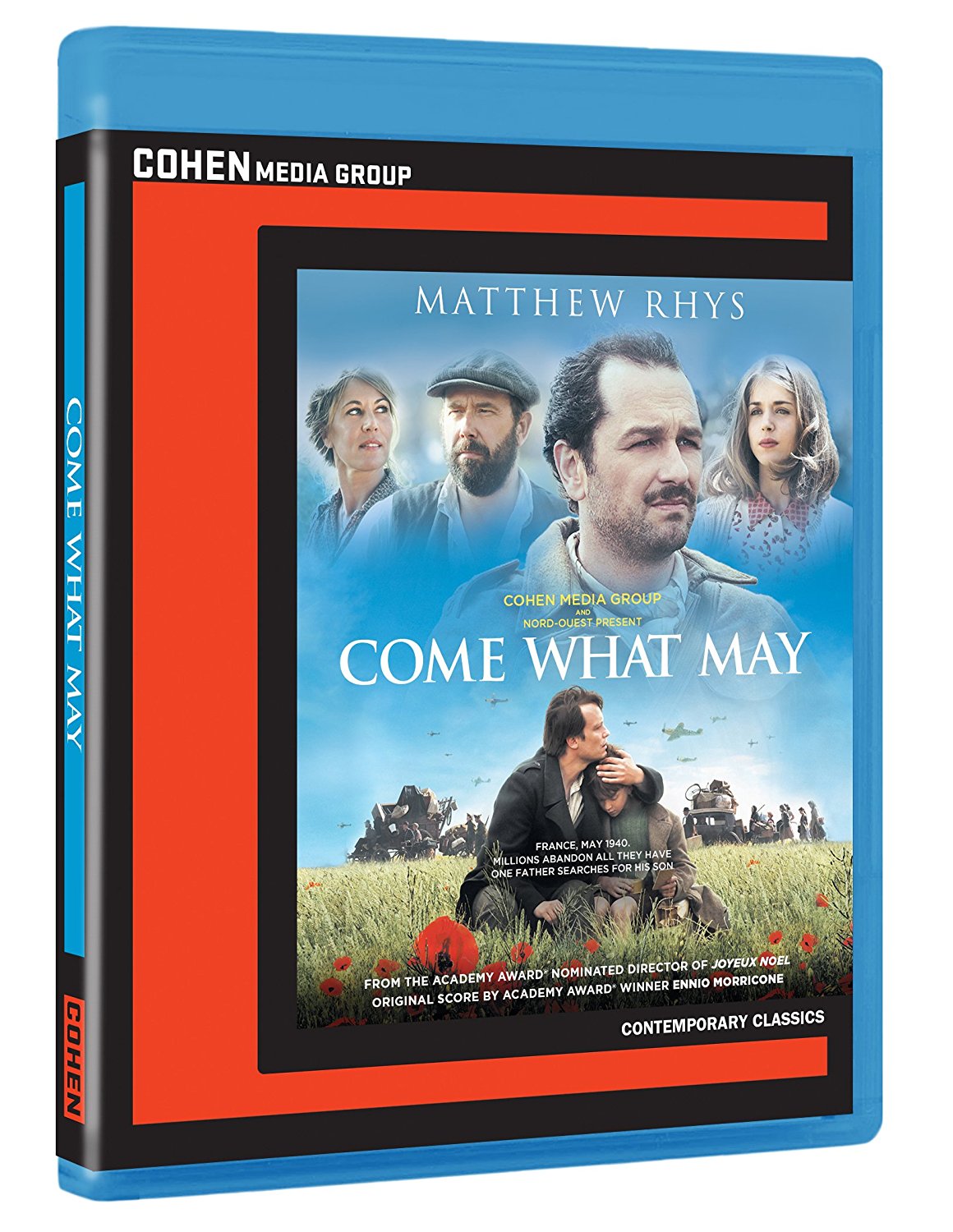
Don’t call it a comeback, but World War II movies are having a bit of a renaissance. (Seriously, don’t call it a comeback…they’ve been here for years.) There are seemingly endless ways to approach a WWII story — Hacksaw Ridge and Allied were in theatres recently, while the next few months will bring The Zookeeper’s Wife and Dunkirk — but the majority of movies that actually get made skew toward the American/British perspective. That’s the main reason Come What May — a somewhat sappy, intensely personal film from France — stands out from the pack.

“The German offensive of May 10th, 1940 drove almost eight million people from their homes.”

Imagine if Three Men and a Baby was remade with just two guys, a baby, a battle axe, and a bunch of arrows. Despite its exceedingly generic Americanized title, The Last King has a little something different to offer action-weary movie watchers. The story is set in a time and place — 13th century Norway during the country's civil war — that is probably unfamiliar to U.S. audiences. And while much of the hand-to-hand combat and royal treachery will prove cliched to some, they are presented with some fun tweaks and an occasionally sentimental tone that doesn't always mesh with the hard-hitting action.

The Last King is set in 1204 and is inspired by actual events in Norwegian history. King Hakon Sverresson (Benjamin Helstad) is killed in a plot hatched by power-hungry younger brother Gisle (Pal Sverre Hagen). Everyone assumes the culprit is Gisle's older brother Inge (Thorbjorn Harr) in a move to seize control of the country, and Inge is subsequently jailed. However, Gisle's path to power remains blocked thanks to a surprise wrinkle: the king has an illegitimate son with a stronger claim to the throne.