War

“Our enemy here is Al-Qaeda. It’s no secret they are not afraid to die. Neither are we. Tonight we know why we are here. We know who we are. Tonight we fight for something truly greater than ourselves. Tonight we ride.”

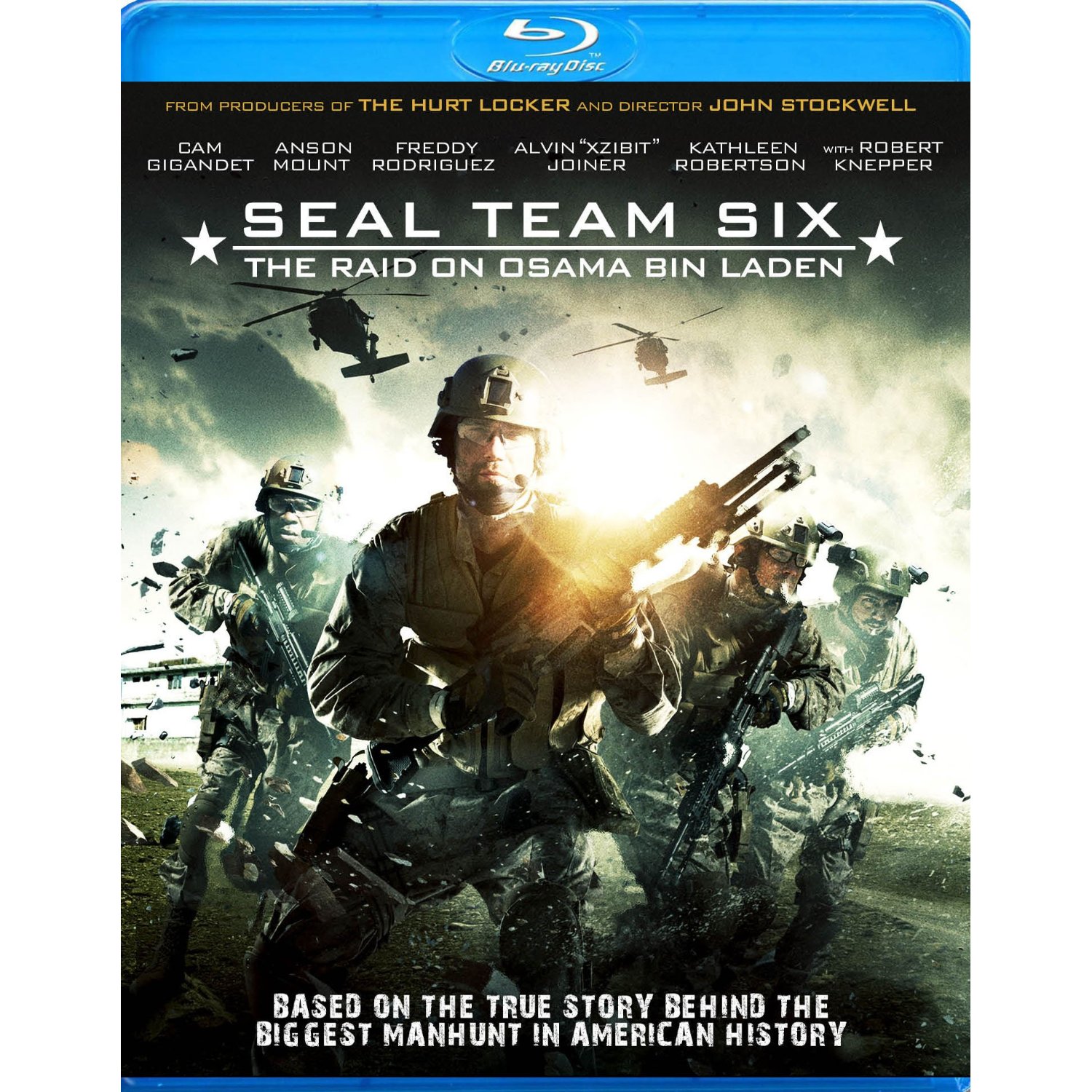
“It’s a good day to be a SEAL, good day to be an American.” Yes, I am aware that I’ve already opened with a film quote, but truthfully this film has quite a few good ones. Seal Team Six is the telling of Operation Geronimo, the successful mission that lead to the assassination of Al-Qaeda leader and engineer of the September 11th attack, Osama Bin Laden. I’m sure there are many that are thinking “why would a made-for-television film be made when on January 11, Zero Dark Thirty will premiere worldwide?” They may view the making of this film as a waste of money. They would be absolutely wrong.

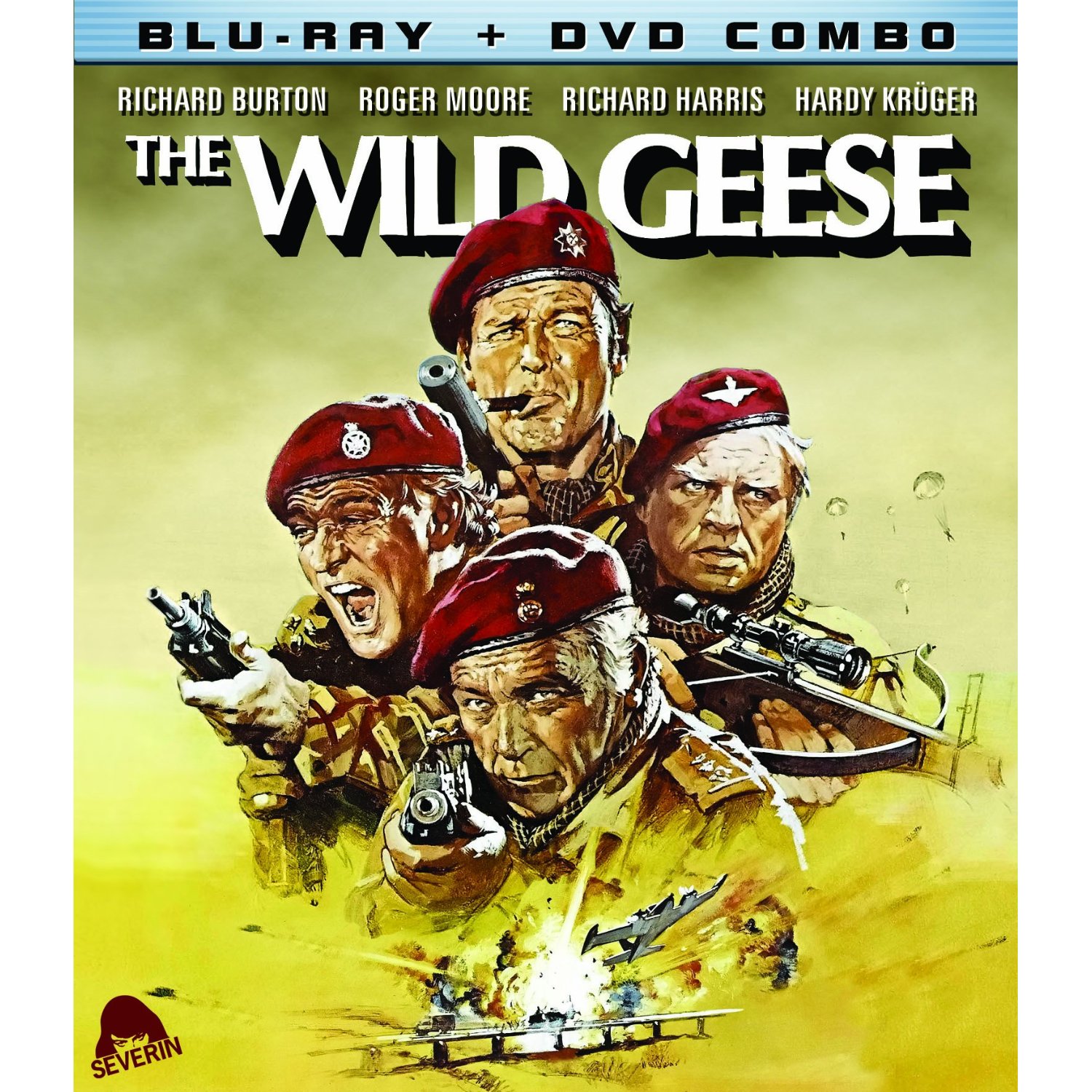
In my youth, I watched a healthy dose of A-Team. Four men who branded as war criminals for a crime they did not commit doing odd jobs for money. Perhaps that is over simplifying things, but it did provide me with tons of fun hours cheering for explosions and witnessing the genius known as Murdoch for my viewing pleasure. Today, we take a look at a film which might be in the vein of what the four guys of A-Team might have been like if they were transported to Africa during the turbulent 60's. We have today, the film called: The Wild Geese.

A plane flies into London and we find ourselves seated at an airport. Colonel Allen Faulkner (played by Richard Burton) sits at the airport lounge and drinks his whiskey until he is picked up by a driver and transported to a giant white house where a merchant banker Sir Edward Matherson (played by Stewart Granger) lives. Faulkner is met at the door by Matherson's assistant, Thomas Balfour (played by Barry Foster) and immediately led to the den where the banker is waiting for him.

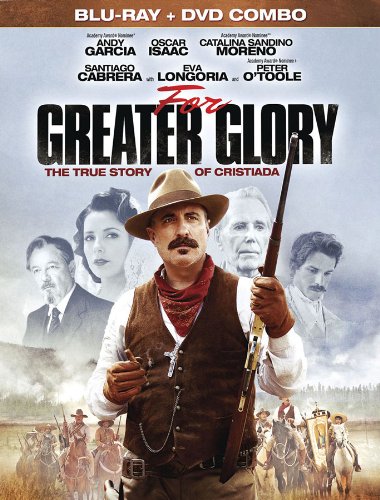
Less than 100 years ago, the Mexican government declared war on the Catholic Church. This movie tells the story of the ensuing conflict known as Cristiada (also called the Cristero War), which took place between 1926 and 1929. In showing us all the different ways war can affect a country and all the different ways rebels can contribute to a cause, the movie sort of forgot to tell us why the Mexican government declared war on the church in the first place.

For Greater Glory is told from the perspective of the brave souls who stood up to the oppressive Mexican government led by President Plutarco Elias Calles (Ruben Blades). This includes members of the non-violent National League for the Defense of Religious Liberty like real-life figure Anacleto Gonzalez Flores (Eduardo Verastegui) and a woman named Adriana (Catalina Sandino Moreno). The men and women who take up arms to join the cause — including a flashy, badass rebel named Victoriano “El Catorce” Ramirez (Oscar Isaac), who earned his nickname by single-handedly killing 14 men — are known as Cristeros.

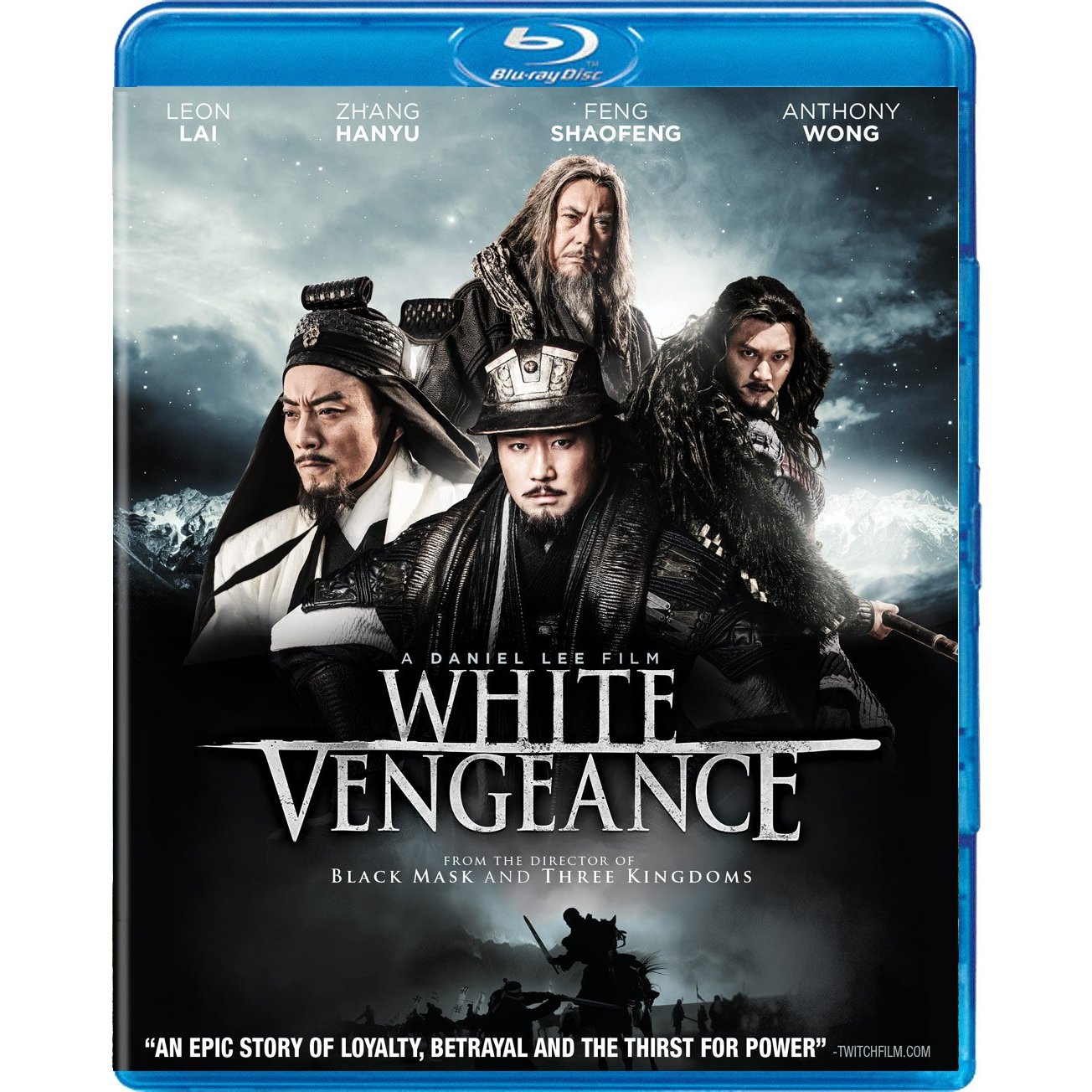
"A military mystery that lasted 2,000 years."

White Vengeance assumes a certain level of knowledge about ancient Chinese history that, except for all you ancient Chinese history scholars reading this review, most of us don’t have. As a result, the film’s disorienting opening act had me constantly backtracking to figure out who was who, and why they were betraying or trying to assassinate each other. In other words, I started to feel like getting to the end of this ambitious movie might take a little under 2,000 years.

- "It's our duty, this is war."
- "Agreed, but even so let's remember our manners."

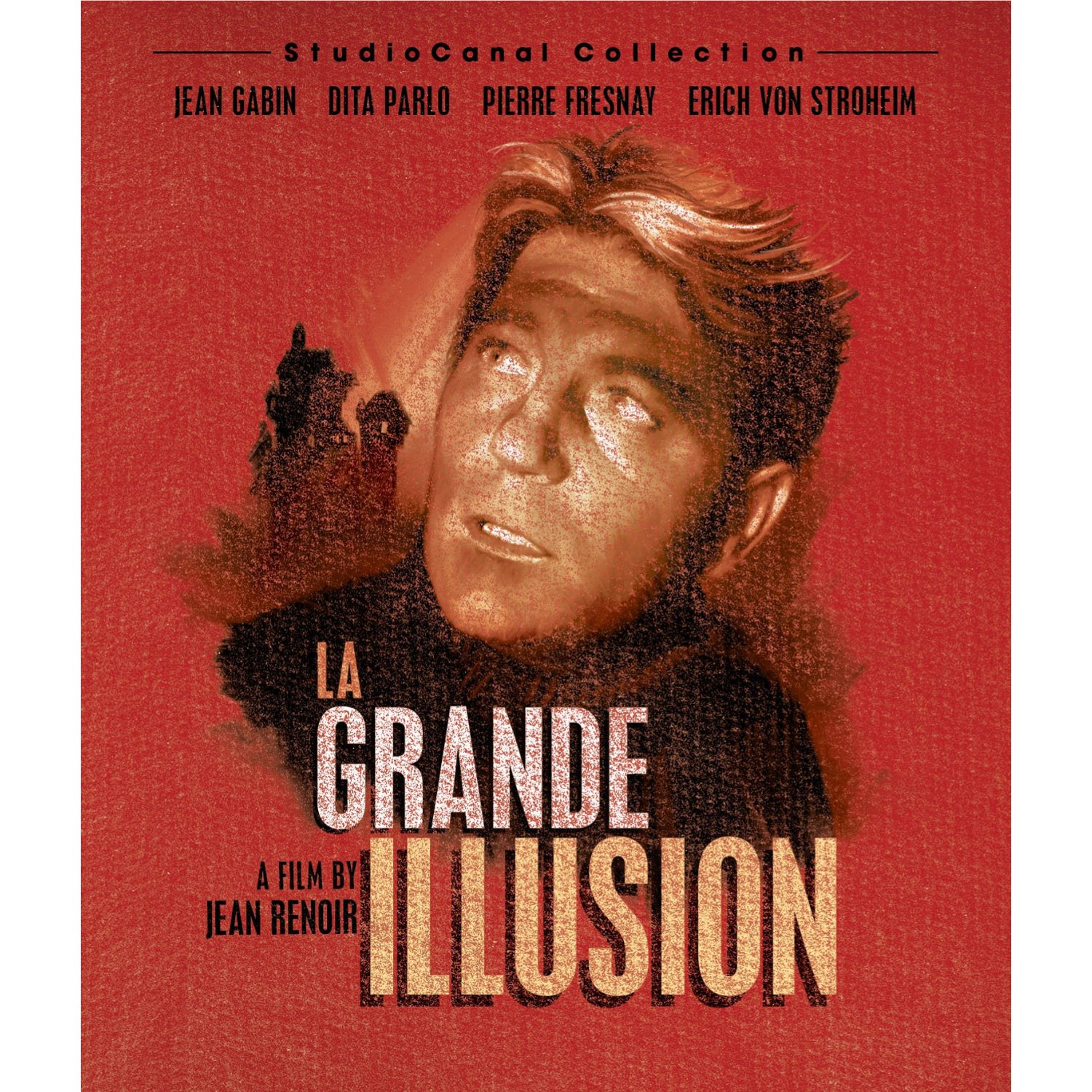
You know how Citizen Kane is considered by some to be the greatest film of all time? Well, I'm the kind of curious movie nerd who subsequently wonders which film was atop Kane auteur Orson Welles' personal list. Unfortunately, I can't ask him, but there's evidence suggesting the answer was Jean Renoir's La Grande Illusion/Grand Illusion.

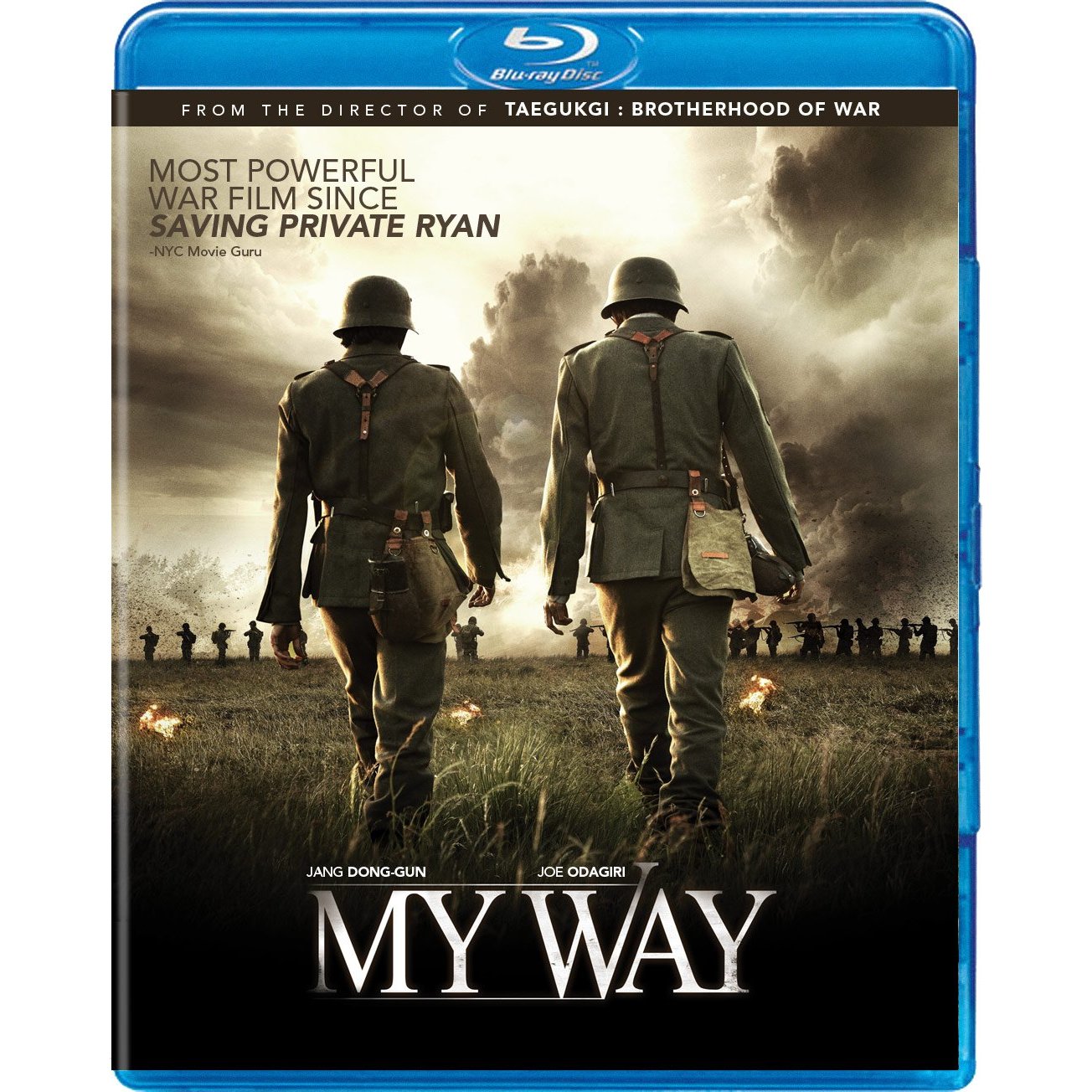
"An Asian man wearing a German uniform was discovered by the U.S. military at Normandy on D-Day. Upon questioning, he was identified as a Korean."

My Way cannily opens with this bit of real-life information. As the movie reaches its heartbreaking conclusion, we know only one of a pair of lifelong rivals-turned-friends — one Korean, one Japanese — will make it to the end.

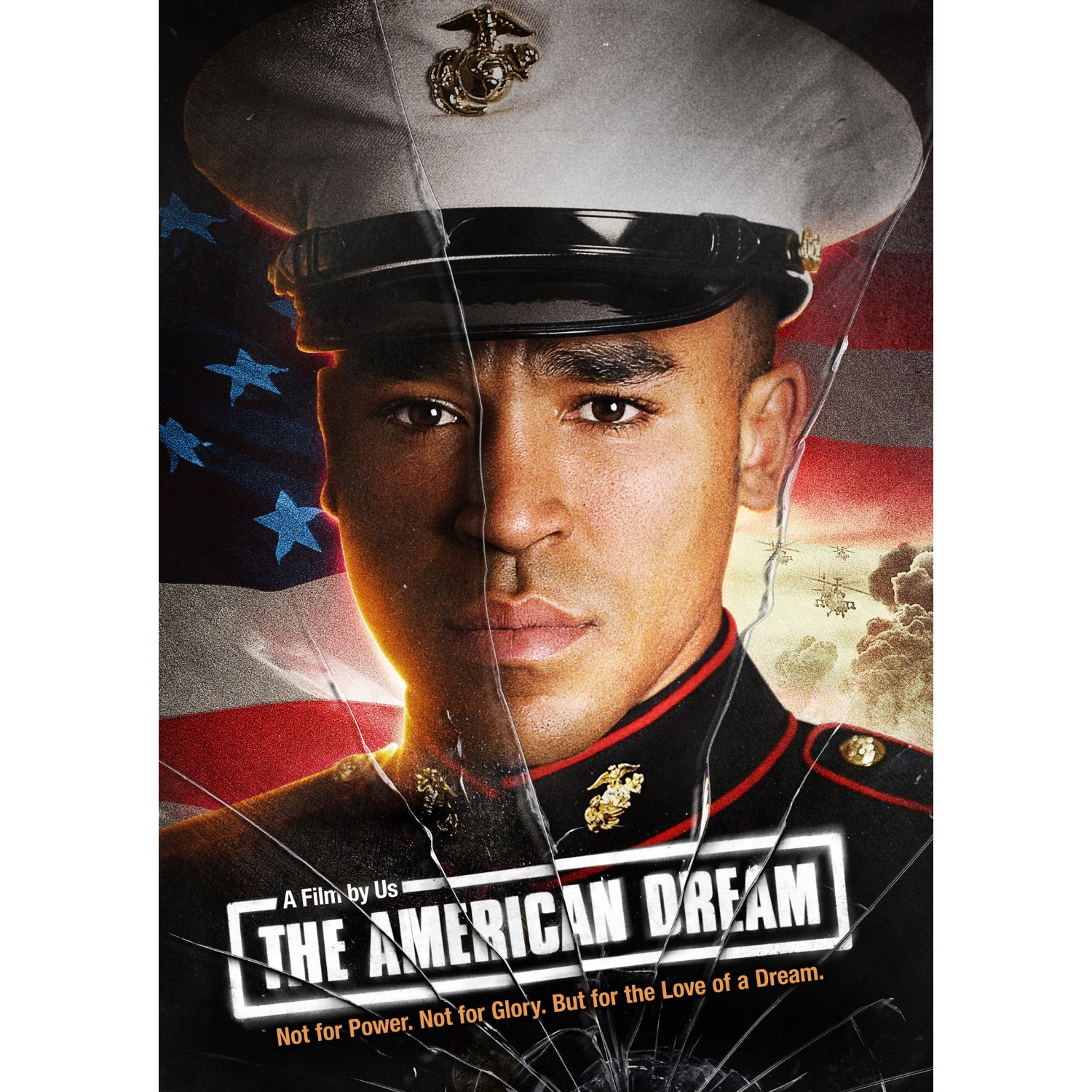
Have found footage films jumped the shark? (If the answer is yes, someone's going to have to hunt down the beast that ate the shark-jumping cameraman so we can retrieve the tape and see exactly what happened.) Though the genre dates all the way back to 1980's Cannibal Holocaust, it saw a spike with 1999's Blair Witch Project and has become the horror delivery vehicle du jour thanks to recent hits like The Devil Inside and the Paranormal Activity films. To be fair, The American Dream doesn't completely qualify as a found footage film — as far as I can tell, no one finds the protagonist's camera — but the movie is a sign that the genre may have already seen its best days.

Like Cloverfield, Chronicle and Project X, The American Dream proves that horror films haven't completely cornered the found footage market. Luis (Jamil Walker Smith) and Ronald (Malcolm Goodwin) are lifelong friends and newly-enlisted Marines who are about to ship off to Afghanistan. Luis is an aspiring filmmaker who idolizes Spike Lee (Smith also directed the film under the moniker J. Smith), so he decides to document his and Ronald's last few days with their families and friends before they leave.

"Nikolai Petrovich Rachenko...our warrior elite...a very powerful and valuable tool...if he can be controlled."

It's no secret that they just don't make action movies like they used to. (Sylvester Stallone just shot a brawny arm into the air in protest. I see you, Sly!) These days the odds of seeing a pretty boy like Matt Damon and a perennial tough guy like Bruce Willis headlining an action flick are just about even. You're just as likely to see Dwayne "The Rock" Johnson in family fare like Journey 2: The Mysterious Island as you are in an manly romp like Fast Five. Heck, the Arnold Schwarzenegger role in the upcoming Total Recall remake is being played by...Colin Farrell.

"Before my father died, he said that the worst thing about growing old was that other men stopped seeing you as dangerous. I've always remembered that, how being dangerous was sacred, a badge of honor. You live your life by a code, an ethos. Everyone does. It's your shoreline. It's what guides you home. And, trust me, you're always trying to go home."

It would be easy to dismiss Act Of Valor as either a recruiting tool piece of propaganda or yet another in an endless line of war films attempting to capture some form of authenticity. It would be easy, if you haven’t seen the film. I can promise you that no matter what your views on war or the military in general, the one thing you simply won’t be able to do is dismiss Act Of Valor.

"Blacks are mentally inferior, by nature subservient, and cowards in the face of danger. They are therefore unfit for combat." - U.S. Army War College Study 1925

Obviously, there's another story to be told here. George Lucas says that he's been wanting to tell this story for over 20 years. It's a story that has often been told in both film and documentary form. In none of those cases has the movie been made into the kind of spectacle film that we find in Red Tails. Lucas gives the legendary air group the Saving Private Ryan treatment, and we get to see these World War II heroes in flight like we've never seen before.