Posted in: Disc Reviews by Sean Boelman on July 16th, 2024
Given that Glauber Rocha is considered one of the most important filmmakers in the history of Brazilian cinema — and Latin American cinema in general — it’s surprising that it took this long for one of his films to be released by the Criterion Collection. The filmmaker’s sophomore feature, Black God, White Devil, one of his most acclaimed works, takes the honor of being his first movie to get the Criterion treatment. Black God, White Devil is considered one of the most influential films of the Cinema Novo movement, which happened in Brazilian cinema as a reaction to other social filmmaking movements like Italian neorealism and the French New Wave. In Criterion’s recent quest to expand the label’s Latin American cinema offerings — Victims of Sin and Soy Cuba are notable recent releases — the Cinema Novo movement marks a necessary addition.
The Western follows a Brazilian ranch hand who, after killing his oppressive boss, goes on the run with his wife, leading them to a group of bandits and a messianic figure who preaches violence and revolt. Like many Latin American films of the era, Black God, White Devil is focused heavily on socioeconomic issues.
Posted in: Disc Reviews by Gino Sassani on June 4th, 2024
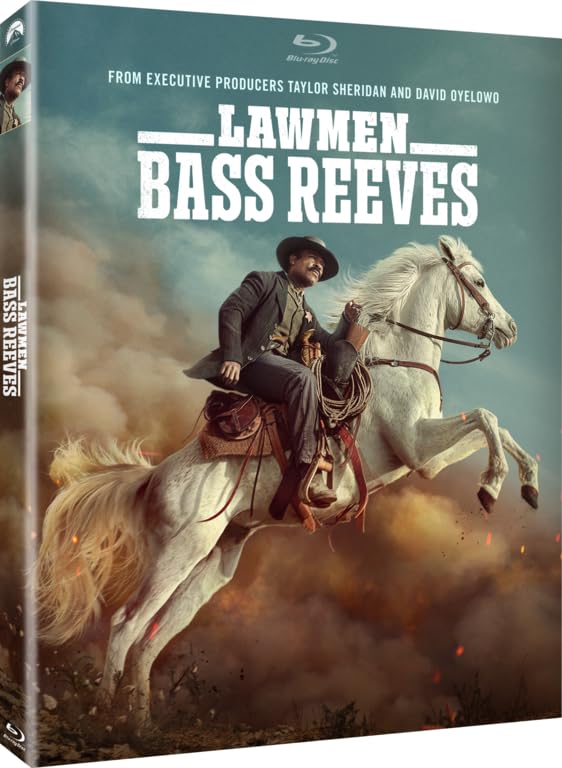
"I, Bass Reeves, do solemnly swear that I will execute all lawful precepts directed to the Marshall of The United States for the Western District of Arkansas without malice or partiality, perform the duties of Deputy Marshall and take only my lawful fees. So help me God."
He was the inspiration for the Lone Ranger. Bass Reeves is one of the biggest icons of the old west and perhaps one of the least remembered. He served for 35 years and managed to bring in over 4000 wanted men for their day in court and likely the noose. It's a huge story, and the filmmakers of Lawmen: Bass Reeves have taken on the enormous task with just 8 episodes of this limited series with no follow-up planned or on the books. Were they able to meet such a challenge? That's going to require some explanation. The series was based on the first two of a series of books written by Sidney Thompson, who serves as a consultant on the series.
Posted in: Disc Reviews by Gino Sassani on May 9th, 2024
"People scare better when they're dyin.'"
Mention the name Sergio Leone and you immediately think of Clint Eastwood and their Man With No Name trilogy. The truth is that Leone was the master of the spaghetti western and largely responsible for making Clint what he is today. When the Italian director decided to try his hand at Hollywood, he was welcomed with open arms, except they weren't interested in anything but an American copy of a spaghetti western. Leone had something else in mind. He had a "been there, done that" attitude about the westerns and wanted to do an epic called Once Upon A Time In America. But Hollywood was hearing none of that. So they compromised. If Leone delivered a stylistic western, the studio would spring for the epic he wanted to make. The result of that parlay turned out to be Once Upon A Time In The West.
Posted in: Disc Reviews by Gino Sassani on March 14th, 2024
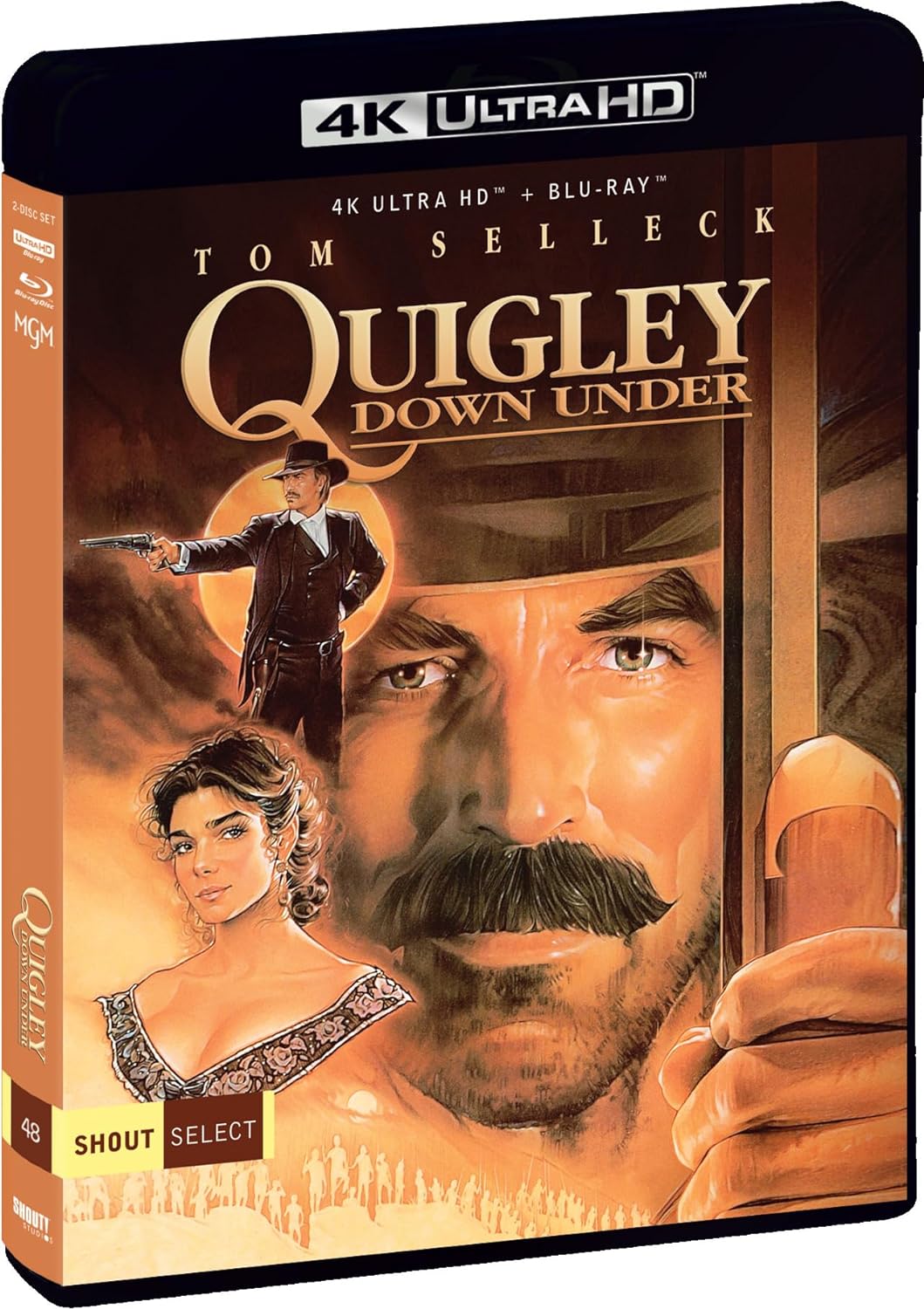
"You know your weapons. It's a lever-action breech-loader. Usual barrel length's thirty inches. This one has an extra four. It's converted to use a special forty-five caliber, hundred-and-ten-grain metal cartridge, with a five-hundred-forty-grain paper patch bullet. It's fitted with double-set triggers, and a Vernier sight, marked up to twelve-hundred yards. This one shoots a mite further."
It almost happened again. Lightning almost hit Tom Selleck for a second time, and I don't mean in a good way. Tom Selleck was having fun and a tremendous amount of success playing Magnum P.I. on television. It was a character he got on the strength of a recurring character on The Rockford Files, and it was a huge hit. But in 1981 it didn't seem so much like a blessing. Casting calls went out, and he was approached to play an archaeologist trying to beat the Nazis to some kind of a McGuffin or another. The Magnum commitment kept him from taking the role, and it went to Harrison Ford, who turned it iconic. But Selleck still had Magnum. Then a few years later he was approached to play an American sharpshooter in the Aussie Outback but once again had to turn the role down. That was 1984, and Warner Brothers was working on a John Hill script called Quigley Down Under. There were some delays, and the film ended up leaving Warner Brothers for MGM and losing director Lewis Gilbert for Simon Wincer. With that kind of turnaround issues, the film took until nearly 1990 to go into production. By then Magnum was off the air, and he checked in on that film again to find it had a new staff and new life, and yes, it was still available. Selleck finally got his swashbuckling part, but it's really more Pale Rider (Eastwood) than Indiana Jones, and the new director would later know more than a little bit about Indiana Jones when he went on to direct several episodes of The Young Indiana Jones Chronicles. He would also return to the outback with the last Crocodile Dundee film, so this ended up being one heck of a circle. And in 1990 we got to check out Quigley Down Under.
Posted in: Disc Reviews by Gino Sassani on August 2nd, 2023
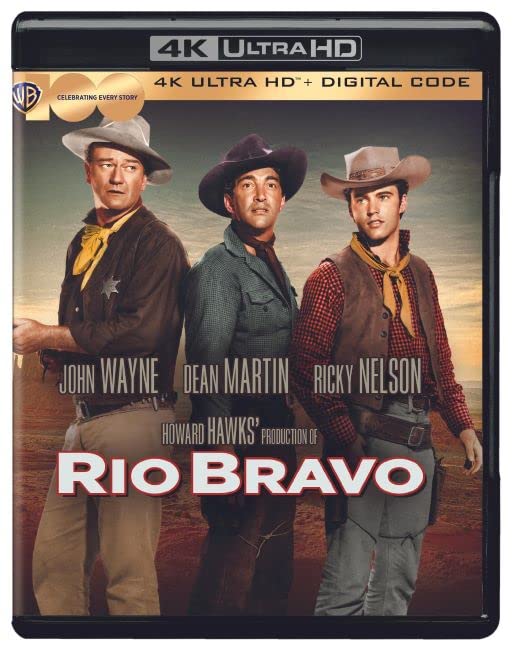
"Man gets shot that's got a gun, there's room for reasonable doubt. Man gets shot that hasn't got a gun, what would you call it? But, you knew that already; otherwise you wouldn't have set things up the way you did."
Rio Bravo (1959) stars John Wayne as John T. Chance, a small-town sheriff facing the fight of his life. His town is infected by a gang of 30-40 men, professional bad guys on the payroll of Nathan Burdette (John Russell), whose brother, Joe, Chance has locked up for murder. Burdette is dead-set on freeing Joe, and the only help Chance has got is his former deputy, Dude (Dean Martin), who’s been drunk for two years since he got involved with the wrong kind of woman, and Stumpy (Walter Brennan), an old, trigger-happy cripple. The trio has six days until the U.S. Marshall comes to collect Joe, but that’s a long time to wait when you’re surrounded by the enemy.
Posted in: Disc Reviews by M. W. Phillips on February 18th, 2023
“We deal in lead, friend.”
In the fall of 1956, Anthony Quinn watched a special screening of Akira Kurosawa’s The Seven Samurai and had an epiphany: this Japanese masterpiece, inspired by the great American westerns of John Ford, would, itself, make a great American western. Quinn acquired the rights and contacted his then close friend Yul Brynner and pitched the idea of him playing the bad guy and Brynner the good guy. Brynner screened Kurosawa’s film and called in producer Walter Mirisch, who in turn contacted director John Sturges (Bad Day at Black Rock, Gunfight at the OK Corral, The Great Escape). Sturges loved the concept and immediately set about acquiring the rights, ultimately forcing Quinn out of the picture. Quinn sued, but lost.
Posted in: Disc Reviews by Gino Sassani on November 28th, 2022
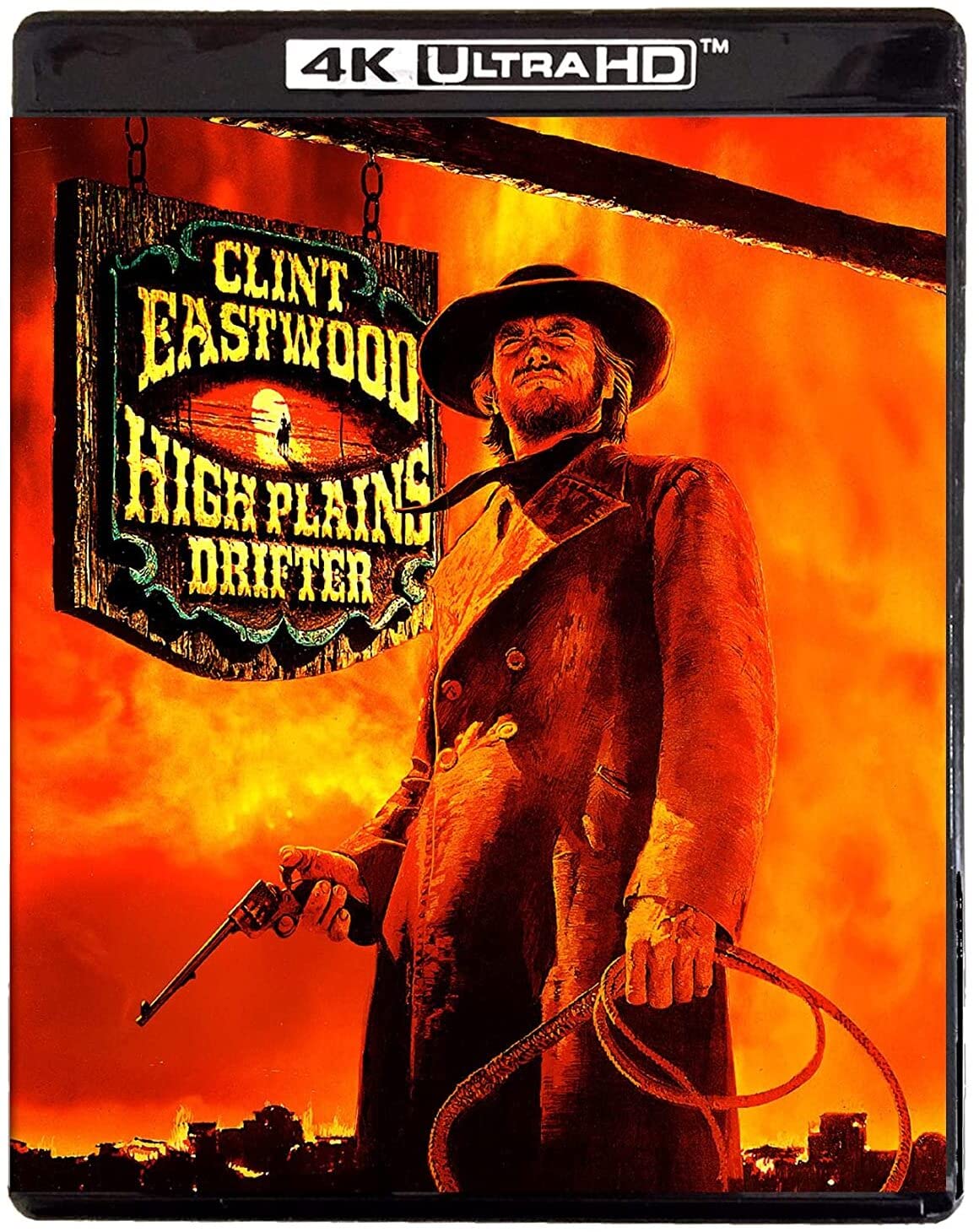
"It's what people know about themselves inside that makes 'em afraid."
Clint Eastwood might have gotten his film career started with bit roles in the sci-fi classics Tarantula and Return Of The Creature, but he made his mark in Europe with Sergio Leone and his famous spaghetti westerns. He became The Man With No Name in a trilogy of films, and it would create the character of Clint as much as it would any film character. Eastwood was smart, and he used the time on those films to learn. He was observant and took in all of the technical aspects of the business of making movies, and it continues to serve him 60 years later, as Eastwood has become as much of an icon behind the camera as he ever did in front of it. His first directing job was Play Misty For Me, but he returned to those still fresh spaghetti-western roots for his second time in the director's chair and his first time directing a western. High Plains Drifter would fit nicely into the trilogy of Leone films. The character called The Stranger could very much be the same Man With No Name, and it's clear enough that he took away more than a paycheck from his time spent in Italy and Spain with Leone. High Plains Drifter would be Clint Eastwood's exclamation point on his earlier career and would take him to places I'm sure even The Stranger could have imagined. Let's just say he's earned more than a fistful of dollars. Now thanks to Kino-Lorber it's out in UHD/4K, and it's never looked better.
Posted in: Disc Reviews by Gino Sassani on September 9th, 2022
"Nothing had prepared me, no books, no teachers, not even my parents. I heard a thousand stories, but none could describe this place, it must be witnessed, to be understood, and yet I've seen it and understand it even less than before I first cast eyes on this place. Some call it the American dessert, others The Great Plains, but those phrases were invented by professors at universities surrounded by the illusion of order and the fantasy of right and wrong. To know it you must walk it, Bleed into its dirt, drown in its rivers, then its name becomes clear, it is hell, and there are demons everywhere. But if this is hell and I'm in it, then I must be a Demon too and I'm already dead.."
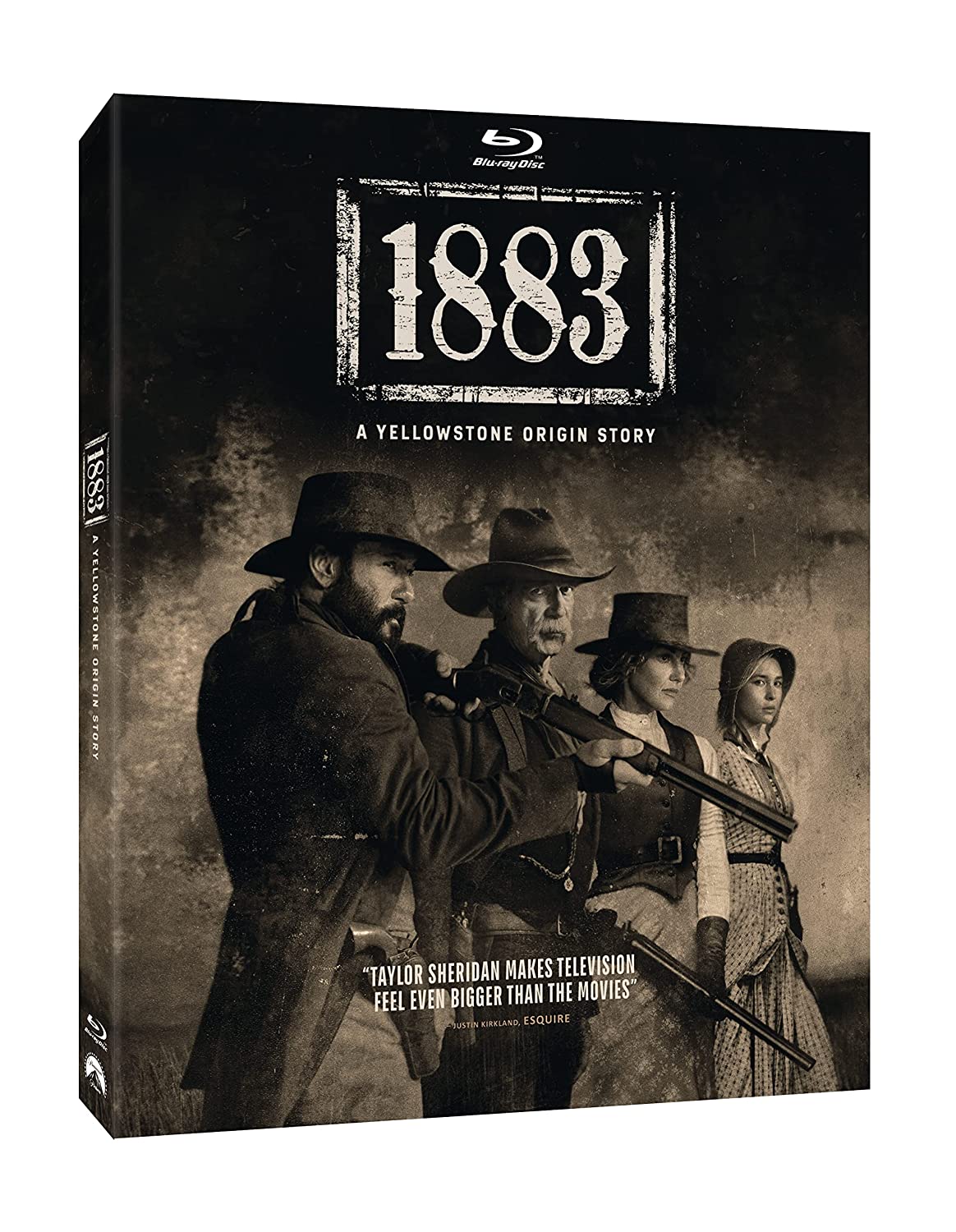
We're a visual people, and so most of you will recognize Taylor Sheridan from his role as a chief of police in Sons of Anarchy when the controlled puppet regime had finally left the scene. It's not a remarkable role, and it's not a complete surprise that Sheridan found his calling more recently behind the camera. As a writer his first script hit it out of the park. Sicario is an awesome film populated with compelling and interesting characters who thrived on a broken system. That theme appears to have stuck with him, because Yellowstone appears to take us back in time to the days of open frontiers and cattle barons who struggled to keep their land amid lawless communities and raiding parties of American Indians who were portrayed as savage beasts who kill women and children in the middle of the night to become to shadows of nightmares and the stories told to keep children in line. These themes were all there, but it takes place in a modern setting that does indeed make for an interesting new twist on an old idea. This is the dawning of the modern western where lands still stretch for miles and are still owned by a single family. It's Bonanza in the 21st century, and Kevin Costner thought enough of the idea to star in this television drama series for The Paramount Network.

Posted in: Disc Reviews by Gino Sassani on June 3rd, 2022
"Let me speak to you directly and from the heart."
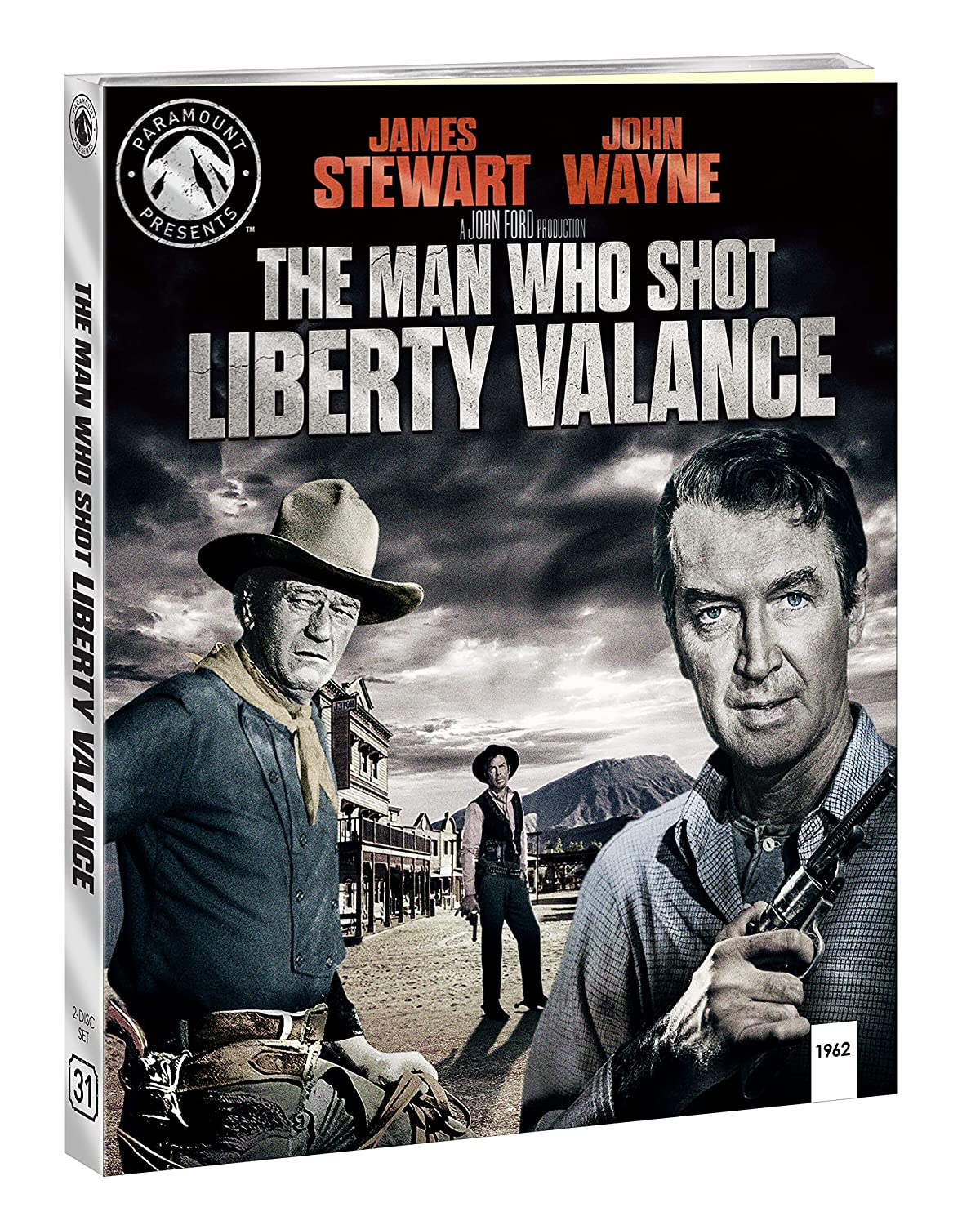
My first exposure to The Man Who Shot Liberty Valance wasn't the film at all. It was the song (The Man Who Shot) Liberty Valance, written by Burt Bacharach and Hal David. It was a 1962 hit song by Gene Pitney and was written to be included in the film. I wouldn't really be taken with the song until James Taylor would cover it and have his own hit with the song in 1985 with his album That's Why I'm Here. By then I'd seen the film but only on late-night television broadcasts which offered bad transfers and plenty of commercials that caused the film to be chopped by over 26 minutes. The funny thing about the song is that while it was written to be included in the film, it actually never appears. Director John Ford thought it sounded too modern and suggested it would only weaken the film and insisted it not be used. It's almost unfortunate that at the time the song actually received more commercial success than the film did. Now you have a much better opportunity to check out this often overlooked classic, because Paramount has remastered the film and released on UHD Blu-ray and in glorious 4K.
Posted in: Disc Reviews by Brent Lorentson on June 29th, 2021
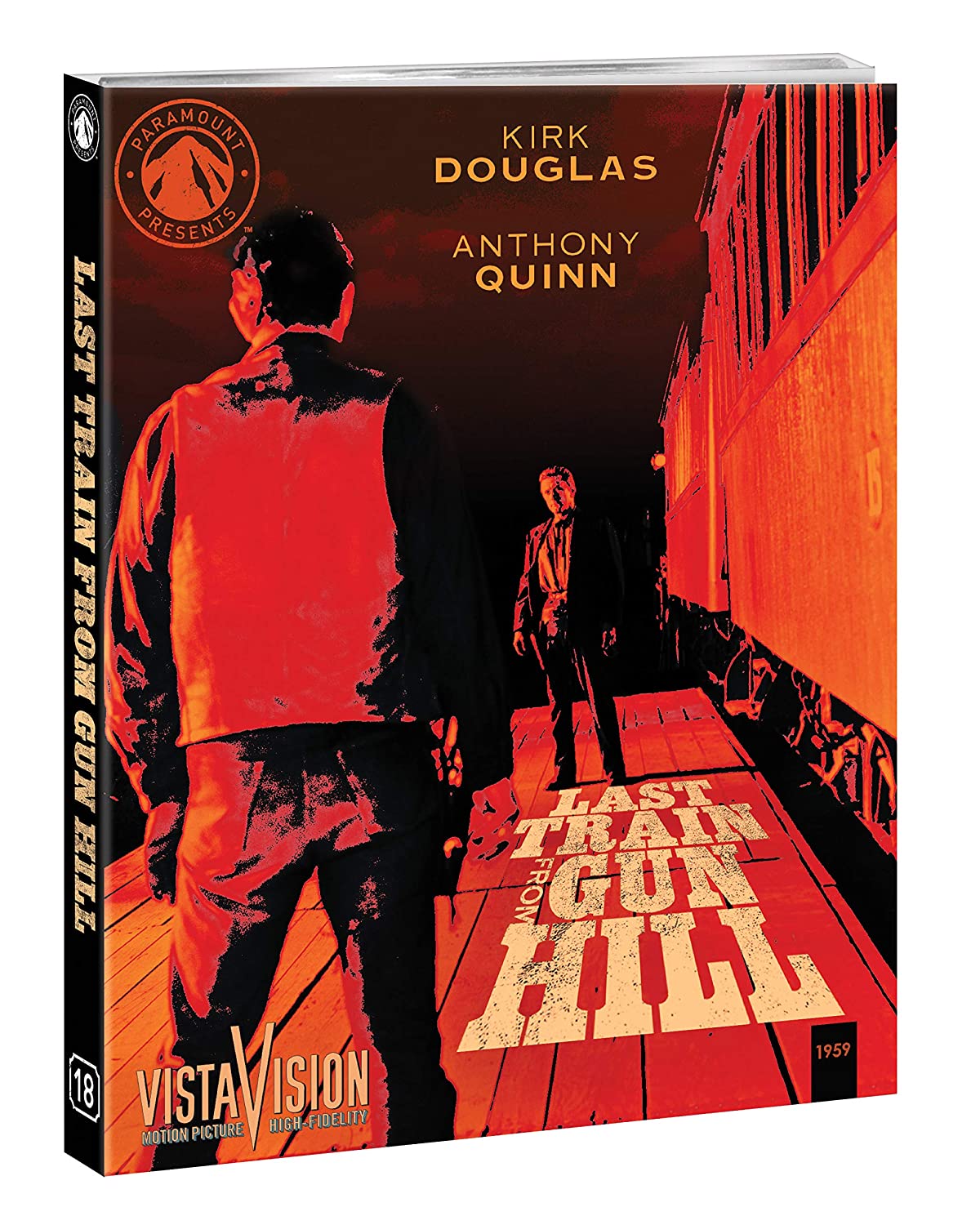
Long before super-hero films became the rage of American cinema, the Western was the original bread and butter that would draw in its audiences to flock to the silver screen. Hollywood cranked out so many Westerns I seriously doubt anyone knows just how many of these films were shot by the studios, not to mention the others that were re-cut with scenes inserted with new stock footage just to re-title a film and put it back out onto the screen. There are some directors that elevated the genre, John Ford, Howard Hawks, Clint Eastwood, Sam Peckinpah, and then there’s John Sturges who is mostly famous for helming The Magnificent Seven and The Great Escape. Sturges had a strong 30 year career directing and though he had a few misses when his films were good they were really good so when the offer came along to review one of his Westerns I hadn’t seen I was happy to jump aboard to review the Last Train From Gun Hill.
When Last Train From Gun Hill was made, Paramount studios had created a new style of film called Vista Vision, a flashy name and style to attract audiences to the cinemas. Basically it was 35 mm film shot horizontally, this was a method that would later be used in 70mm to create IMAX film. The quality of the picture when using the Vista Vision is incredible and it was pretty much the first thing I noticed while watching this films, the sweeping landscapes look more impressive and just about every shot looks fantastic here, cinematographer Charles Lang who had a successful run of films shooting for Billy Wilder does a incredible job with this smaller scaled western. Sure the Vista Vision may have been nothing more than a gimmick but the look of this film is what immediately jumps out at me and reminds me of what audiences are missing from movies shot on genuine film.