Western

“They destroyed the man I was, but then I was reborn. And this time I came out breathing fire.”

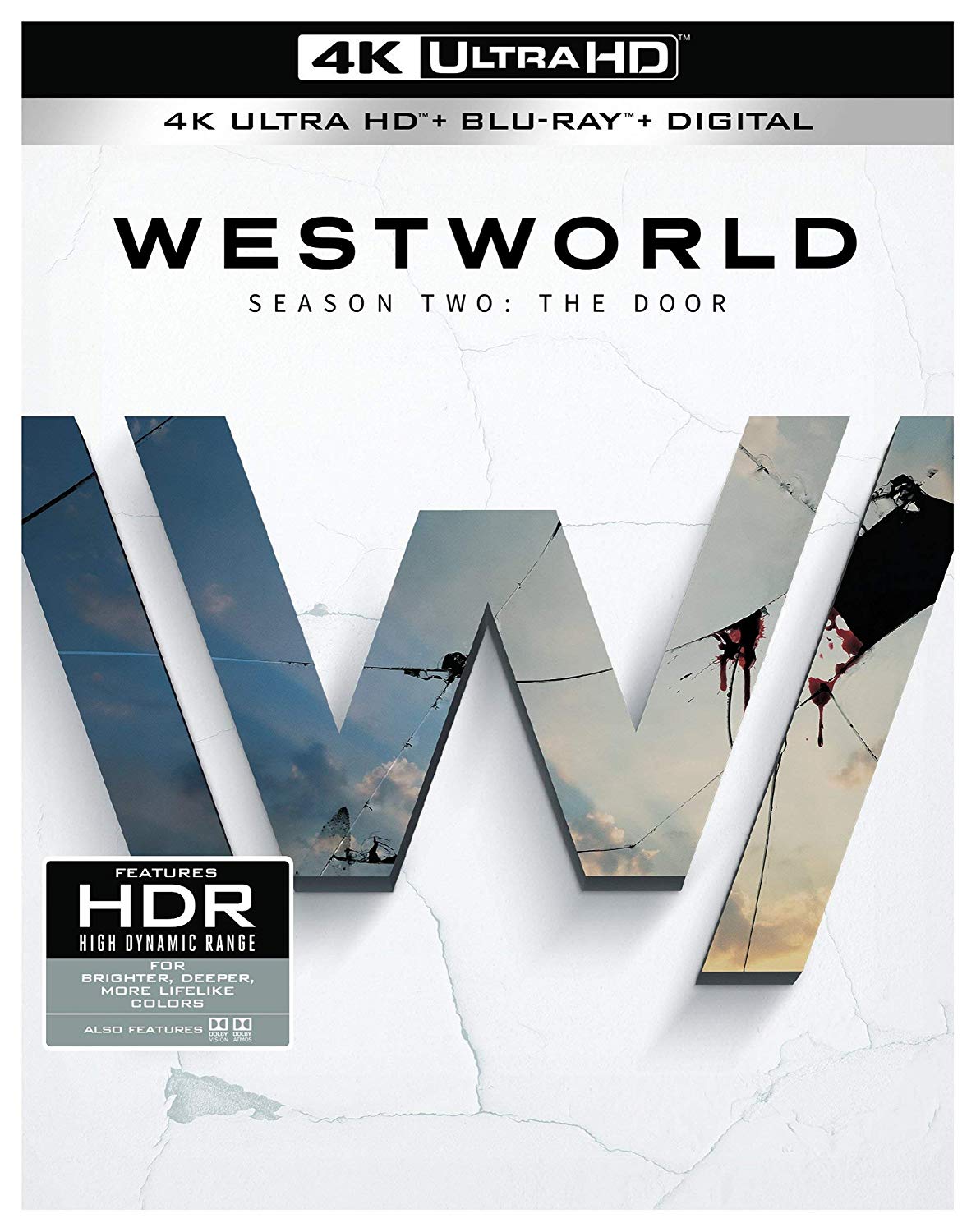
Season 1 of Westworld — HBO’s mega-budget adaptation of Michael Crichton’s 1973 film of the same name — spent a lot of time exploring the nature of reality and humanity through a high-tech theme park’s robotic hosts. And while the show still has plenty of time for those themes, the second season can be tidily summed up with a phrase that nods to another Part II of an iconic sci-fi franchise: The Hosts Strike Back.

“You came out here city slickers, you’re gonna go home cowboys.”

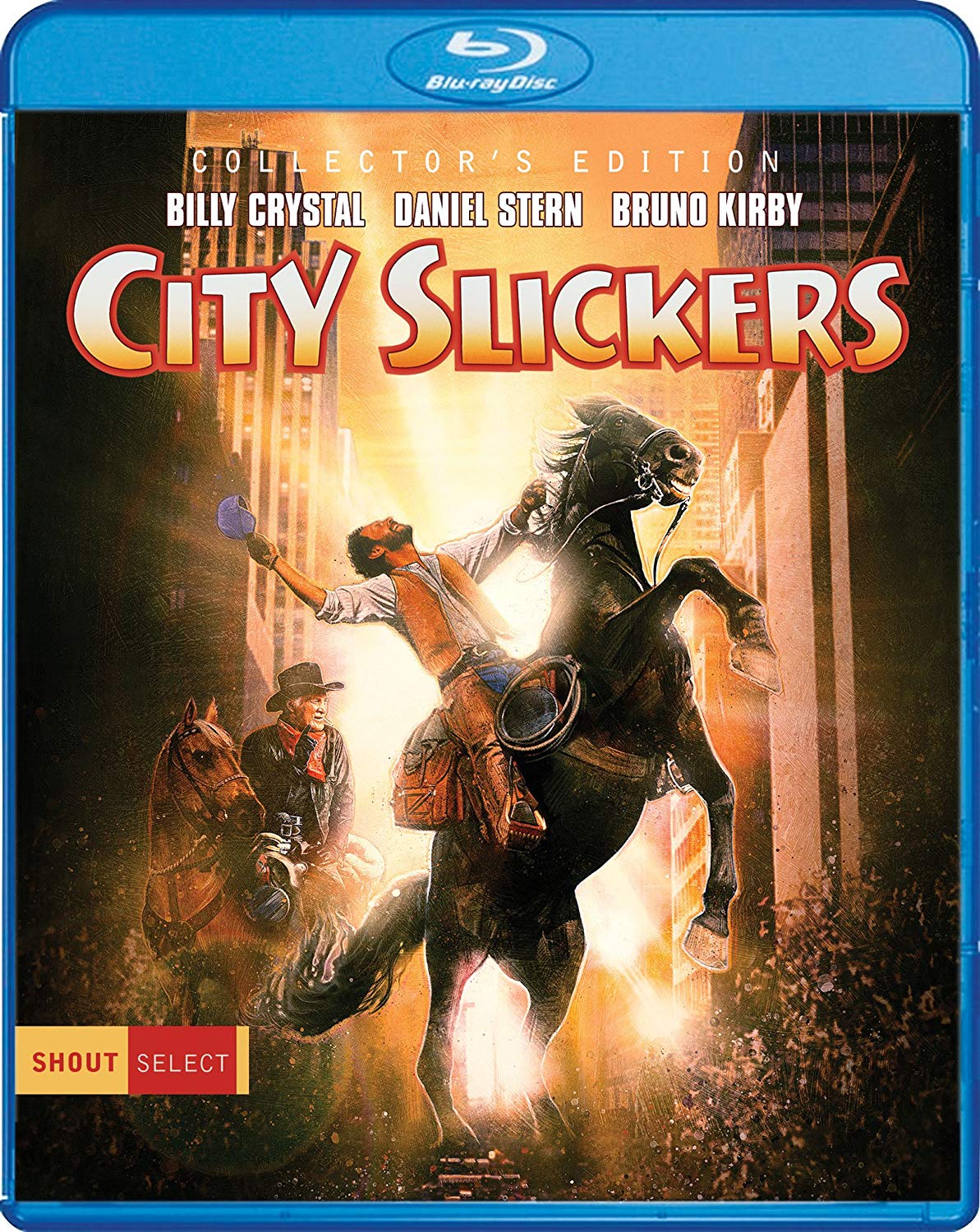
I still remember pretty clearly my dad suggesting we go check out a matinee of City Slickers. I was visiting him in New York City during the summer of 1991, and my 8-year-old self had no idea what a “city slicker” (or even what a Billy Crystal) was. That being said, I was completely delighted by the movie and have re-watched it many times throughout the years. (The calf birthing scene, in particular, stuck to my innocent, 8-year-old brain.) I recently got a chance to revisit the crowd-pleasing, cowboys-and-yuppies comedy once again thanks to this new Collector’s Edition Blu-ray courtesy of Shout! Factory.

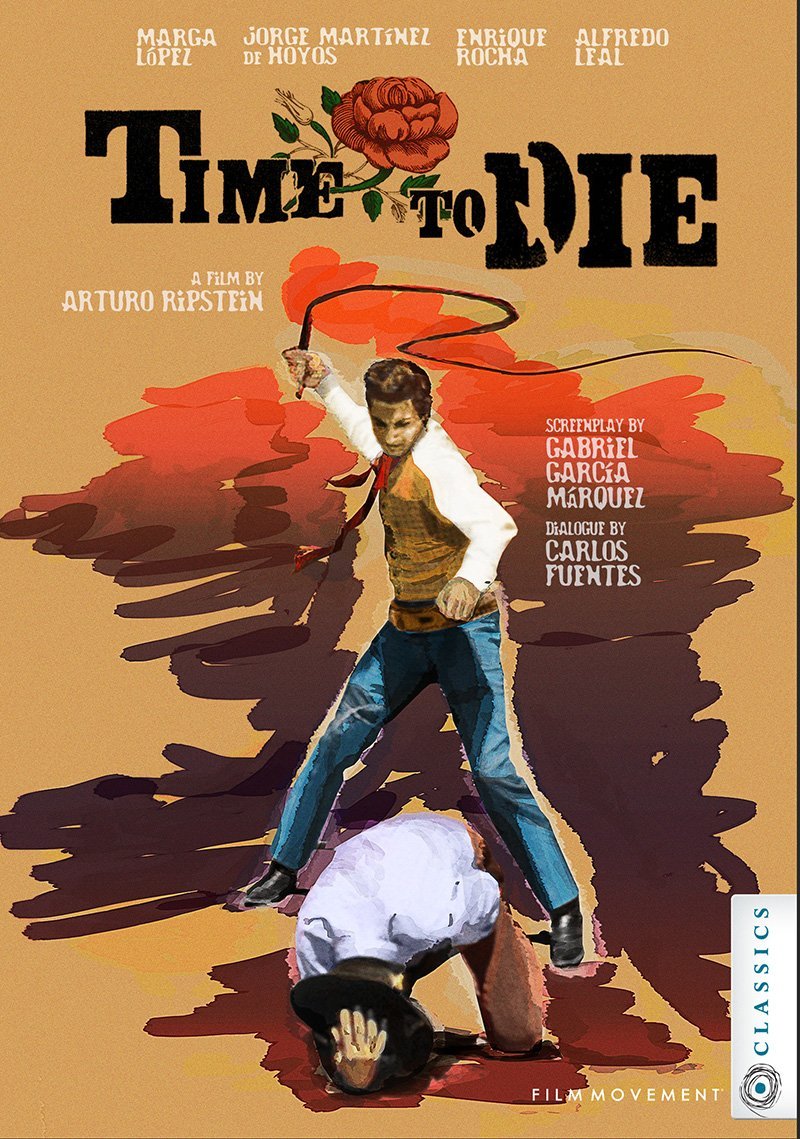
The classic American Westerns of the 1940s and '50s directed by the likes of John Ford and Howard Hawks famously inspired filmmakers like Sergio Leone to put their own stylish and revisionist spin on the genre. But while Spaghetti Westerns — genre films produced and written by Italians — are the most famous foreign example, plenty of other countries started making their own horse operas in the 1960s. That includes Mexico and filmmaker Arturo Ripstein, who made an outstanding feature film debut with 1966's Time to Die/Tiempo de Morir.

It's no good getting out of jail only to enter a cemetery.”

Have you ever questioned the nature of your reality.”

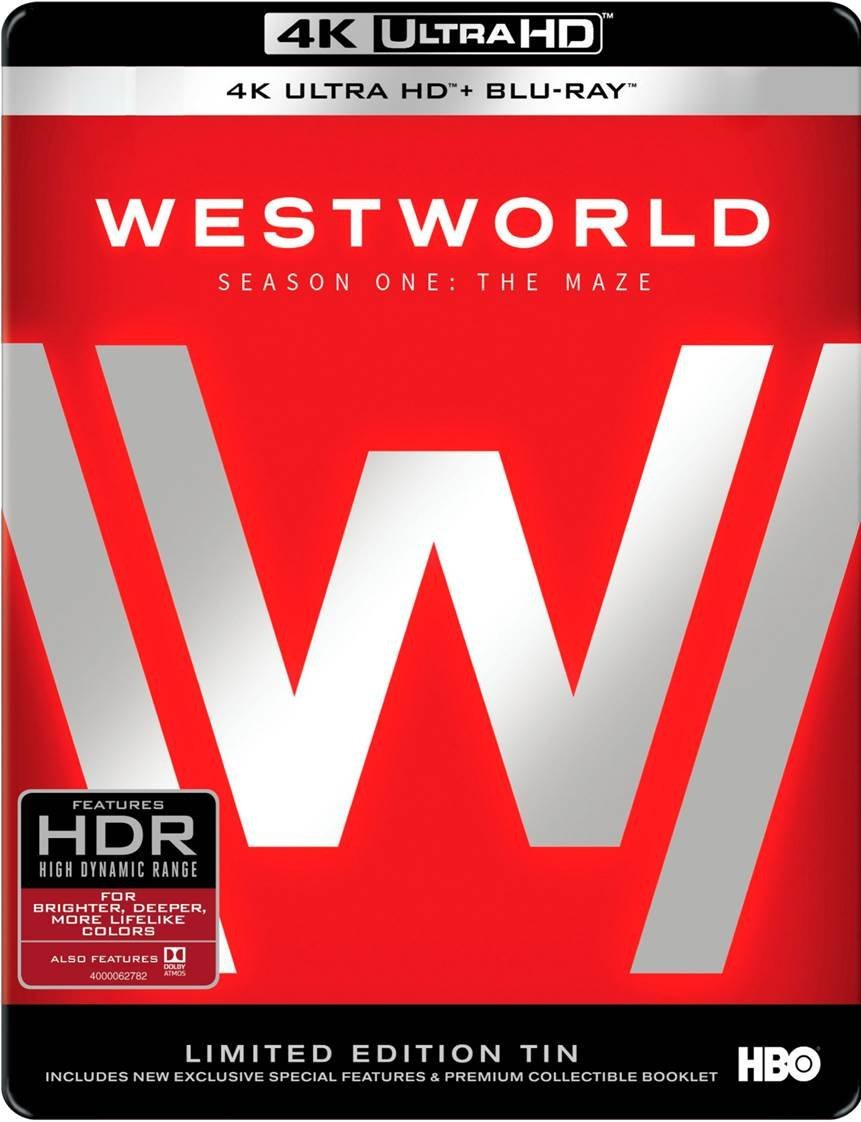
As things in our world become exponentially more chaotic and inexplicable by the day, the theory that we're all living in a computer simulation becomes a little harder to completely dismiss. The idea that our reality is an illusion dates back to the 17th century but most recently gained traction thanks to a 2003 paper published by Oxford philosopher Nick Bostrom. It's also been a popular theme in classic sci-fi works like Blade Runner, Total Recall, and The Matrix. To that list, we can now add HBO's Westworld, a slick and star-studded sci-fi/Western mash-up that features the requisite shoot-em-ups and pay cable sexcapades, but is actually most interested in exploring the nature of humanity.

"Sometimes it takes a good man to stop bad people."

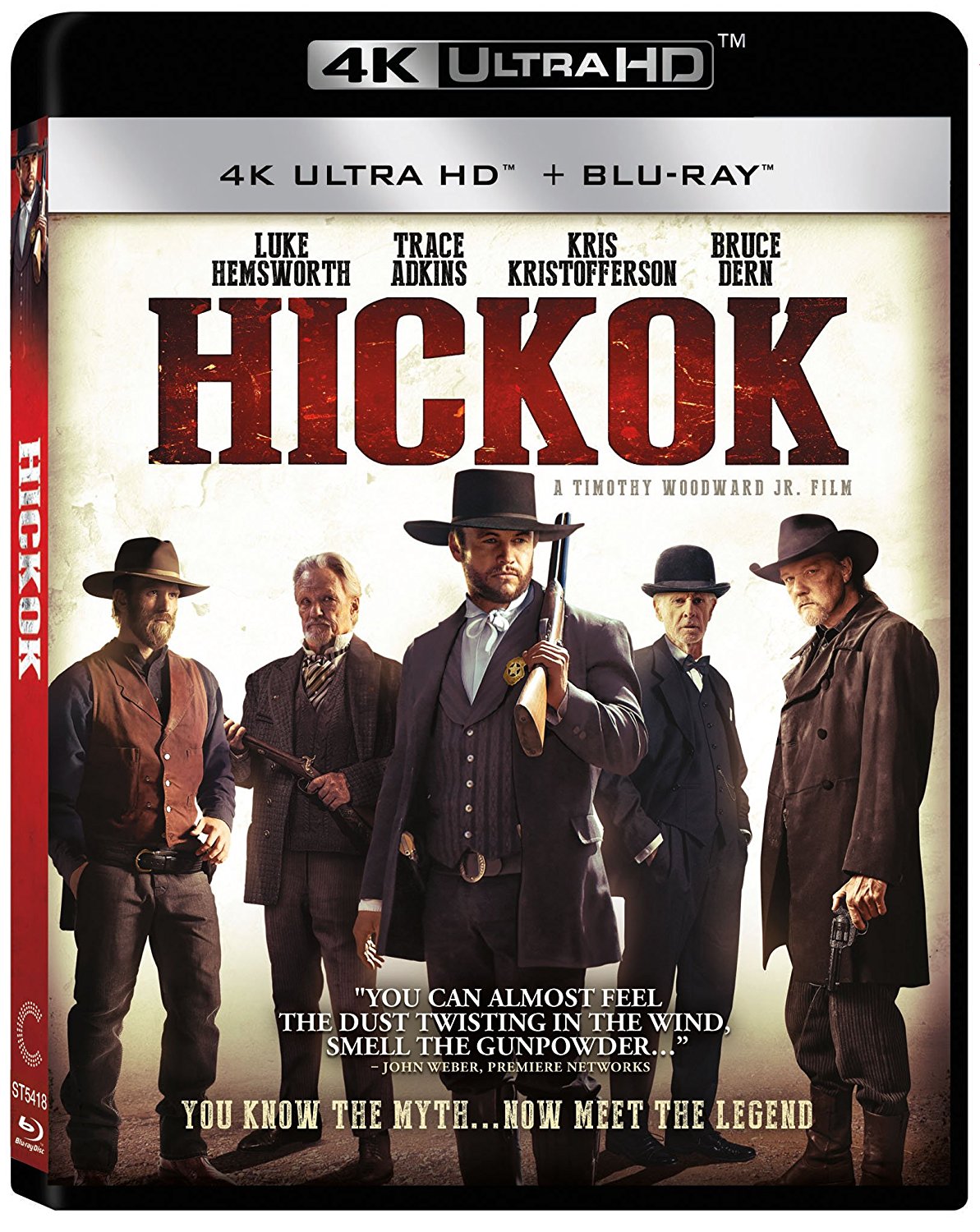
And sometimes you can have good actors and a rich genre to draw upon with classic characters and still not get the job done. Sadly, that's the big story for Hickok. This one arrived with some rather high expectations. It was being released in 4K, which appeared to signal some confidence from Cinedigm, who are just entering the UHD fray. The cast is also a good sign. Luke Hemsworth plays the titular character with a supporting cast that includes legend Bruce Dern, Trace Adkins, and Kris Kristofferson. You have the built-in interest of a real western frontier icon in Wild Bill Hickok. Everyone knows who he is. His legend is recalled to ever poker player who's holding aces and eights in their hand. But none of that legend is really explored or exploited here. It's merely the name that carries the weight, and poorly at that.

"It is, I think, going to be a very harsh and unpleasant kind of business and will, I think, require an extremely harsh and unpleasant kind of man to see to it." 

That man, of course, is John Wayne. They called him The Duke, and he was indeed western cinema royalty for six decades. He represented the American ideal of the tough guy who stood up for the weak and didn't shy away from a fight. His characters usually worked hard, and they played just as hard. He had a unique way of turning a phrase and has been one of the most widely impersonated Hollywood voices. By the time the 1970's rolled around, Wayne was coming to the end of a long career. Some of these later roles showed a somewhat softer side to The Duke, and he was rarely doing any of his own stunts. Two of those later films were Rio Lobo and Big Jake. They aren't two of his most prominent roles and haven't had much of a wide release in the days since their release. They would show up on late show broadcasts, and Rio Lobo had yet to reach high definition and Blu-ray release. CBS changes that little oversight with a nice package they call a John Wayne Double Feature. For those of us who remember the days of the double feature, these two films fit the double-bill quite nicely. Here are two of the better John Wayne films that you likely have never seen, at least uncut and in high definition.

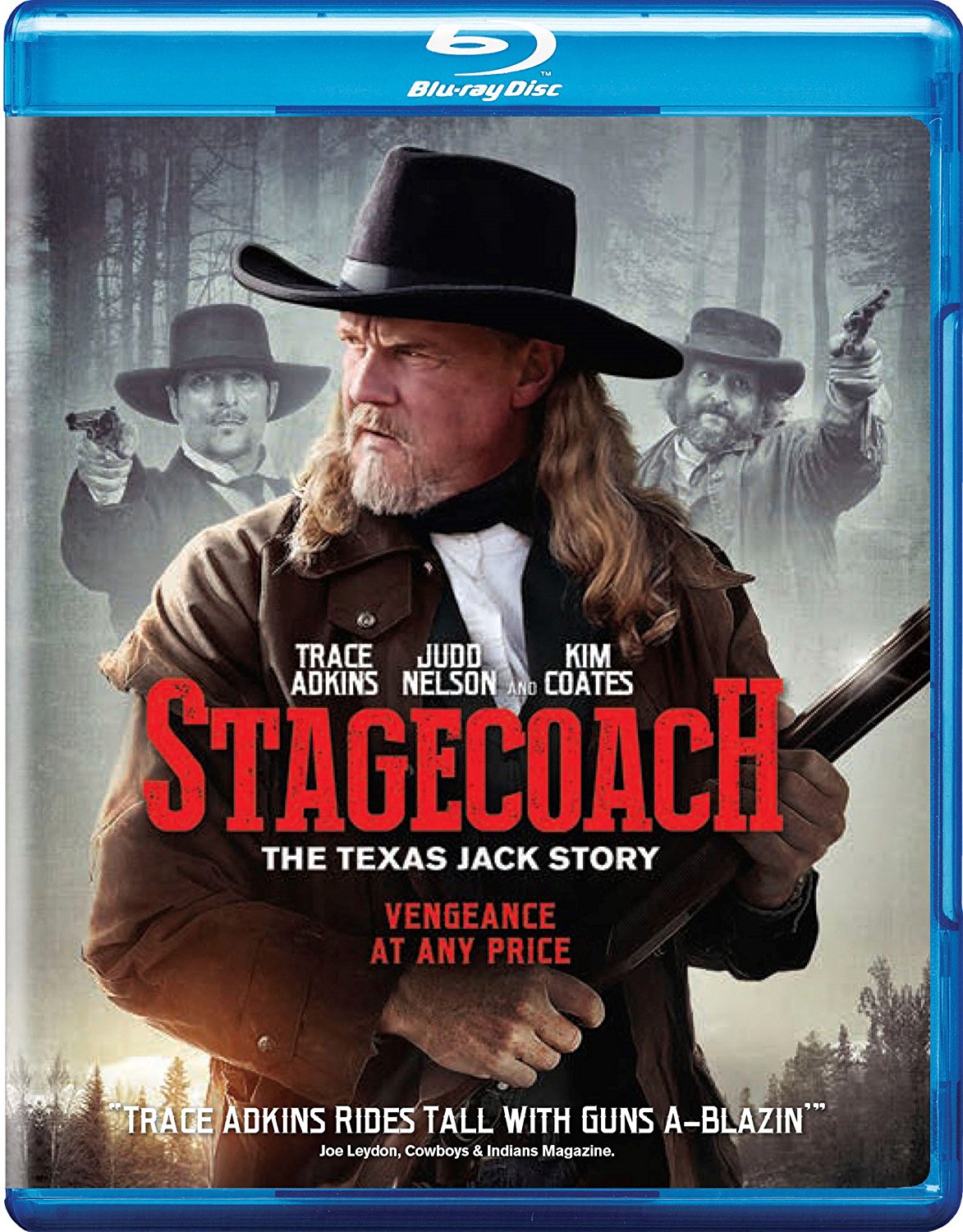
There's a man comin', and he aims to bury you.”

That sort of threat — especially when it's made within the trigger-happy Western genre — usually refers to a wronged hero looking to rain vengeance upon some dastardly villain who wronged him in an extremely personal way. The only most interesting thing about Stagecoach: The Texas Jack Story is that our presumed hero is the one being hunted...and the “bad guy” has a legitimate gripe.

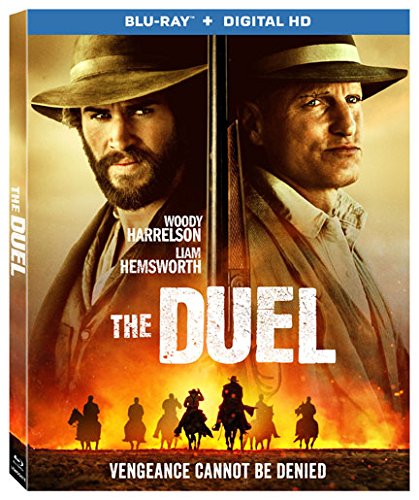
You're about to witness a Helena duel...a most noble affair of character and honor.”

A “Helena duel” is also a brutal, bloody ritual where two combatants are joined at the wrist before engaging in a knife fight to the death. That combination of genteelness and barbarity is at the heart of The Duel, a Texas-set Western that reaches for grandiosity and doesn't quite get there, but is nevertheless thoroughly entertaining.

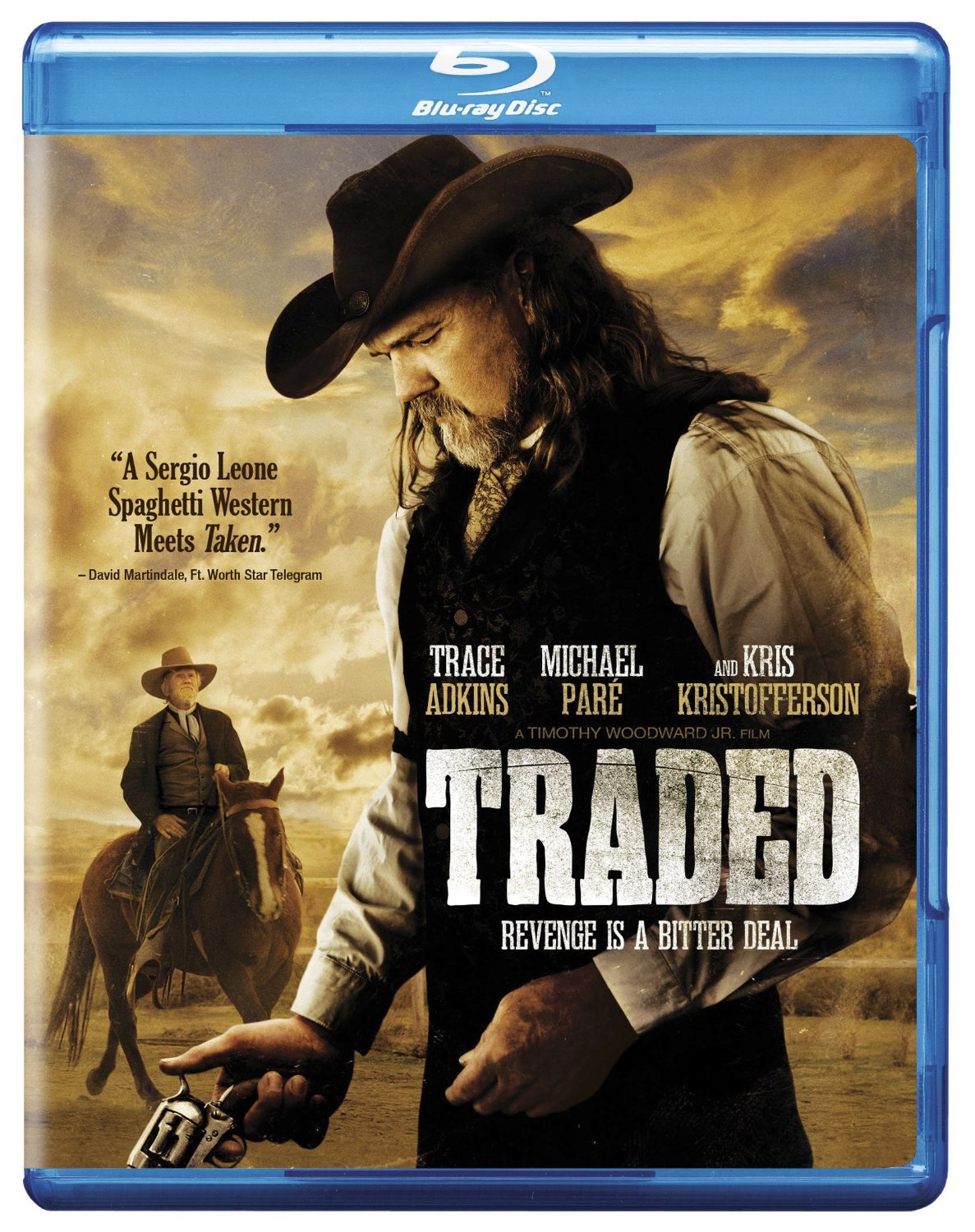
“The story of the American Frontier is a tale of conquest, but also one of survival, persistence, and the grit of the people.”

And the story of the American Western is a tale of quick draw competitions, fights aboard speeding trains, and other assorted horseplay. Each of those elements can be found in Traded, which inelegantly grafts the plot of Taken onto an Old West setting. The problem is that nothing here is executed particularly well.

When you see the name Kiefer Sutherland and Jon Cassar together, you might well expect that you're going to get another helping of the popular television series 24. There Sutherland made a pretty big name for himself in the television landscape as the gritty and "get it done" cop Jack Bauer. In the director's chair for a good many of those episodes was Jon Cassar, who also shared executive producer duties on the long-running show. But you won't find the ticking-clock-modern world of Jack Bauer here. Instead you'll find a thoughtful western that actually avoids a lot of the genre-typical violence and delivers one of the better westerns I've seen in many years. There's also the added attraction of the first time Kiefer shares a screen with his iconic father, Donald Sutherland. Yes, they both appeared in Max Dugan Returns and A Time To Kill, but they did not share the screen together. That father and son chemistry is the focus of Forsaken.

John Henry Clayton (Kiefer Sutherland) returns home to the small town of Fowler, Wyoming a decade after serving in the Civil War. After the war he became a hired gun and has finally reached a point in his life where he wants to put the violence behind him. He returns to his widower father (Donald Sutherland), who is the town's preacher and has been ashamed of the reputation his son has earned for himself as a killer. Now John hopes to live a life of peace.