Special Category

Well, there’s nothing quite like your first, and when producers Albert Broccoli and Harry Saltzman decided to bring about a barely 30 year old Scotsman named Sean Connery, whose most recent work was as a British soldier in The Longest Day, into the film version of Ian Fleming’s James Bond novels, who had any idea that Dr. No would become a culture landmark, let alone a movie franchise?

Now, one of the first things that comes to mind when you watch Dr. No, if you haven’t watched it in aw...ile (or at all) is that Michael Myers seems to liberally steal from this film when it comes to the Austin Powers trilogy. Connery (as Bond) goes to Jamaica to discover the reasons behind a disappearance of a colleague. There he meets his American CIA contact Felix Leiter (holy crap, that’s Jack Lord from Hawaii Five-O!) and with the help of some of the locals, they meet a mad scientist named Dr. No (Joseph Wiseman, Viva Zapata!), and he captures Bond and a female companion named Honey Ryder (Ursula Andress, Clash of the Titans), feeds them a lavish dinner while telling them about a plan to destroy the world for money, and James and Honey get out of the trap to eliminate them while James saves the world while telling Michael York about it (wait, stumbled into the wrong film there).

Synopsis

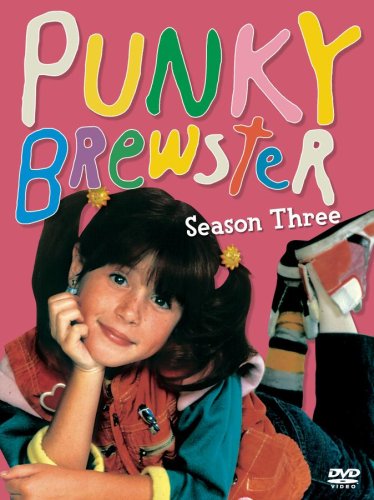
Here we go again. Punky Brewster (Soleil Moon Frye) is pretty comfortably ensconced in the home of Henry Warnimont (George Gaynes) now. The season follows Punky through the usual round of problems at school, with friends, with boys, and so on. Will she do her homework and get to a rock concert? We await the answer on the edge of our seats. Frye is a few years older now, and so is moving from precocious youngster to tiresome tween. Lessons are learned in the most painfully didactic and mundan... fashion. The laugh track kicks in mechanically everytime Punky moves. This is sitcomus moronicus at its most depressing.

Synopsis

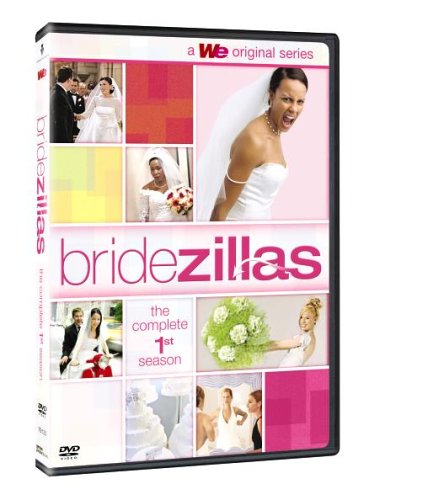
Well, Mark Dancer’s review of Season Two of Bridezillas pretty much echoes my general thoughts on the show. Now, for those of you who haven’t read his review, go there. Come back, and see what I do with it.

Synopsis

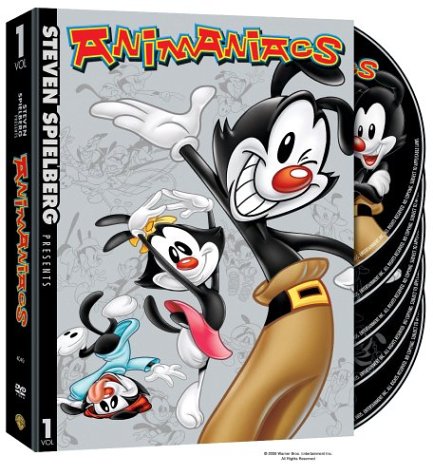
In 1930, the animation department at Warner creates three characters: the Warner Brothers and their sister, Dot. The siblings run riot, however, and are finally caught and imprisoned in the Warner water tower. Flash-forward to today, when they escape to once more wreak havoc.

Synopsis

I’m probably one of the few remaining “critics” that wasn’t familiar with the Showtime original series Weeds, and when Mary-Louise Parker (Fried Green Tomatoes) won a Golden Globe for Best Actress, like some other people who haven’t seen it, my response was “what the hell for?”

Synopsis

There are a lot of surprising things that I was not aware of about when it came to Tales From the Crypt. Not only is this the fourth season that I’m reviewing, but there were a couple more seasons on top of everything else. Now granted, the show’s executive producers have a bit of a good pedigree. There’s Richard Donner (16 Blocks), Walter Hill (Aliens), Robert Zemeckis (Back to the Future), Joel Silver (The Matrix) and David Giler (Myra Breckenridge).

Blue Collar TV is essentially a perfect balance between Hee Haw and The Man Show. As with all sketch comedy shows, some of the skits are very funny, and some of them never really go anywhere. The Blue Collar team of Jeff Foxworthy, Larry the Cable Guy and Bill Engvall have hedged their bets, however, by adding in some stand-up bits, and the occasional musical guest. This means that the average half-hour show might only have two or three skits in it, so the odds of those skits being funny are pretty good.

The show is actually quite entertaining. Much more than I was expecting. Of course, it will probably appeal to those living in the Southern Unites States much more than those in other regions, with recurring segments like “the Redneck Yard of the Week” and “White Trash Days of Our Lives”. Some of the segments are just too redneck, such as the NASCAR sponsored baby delivery segment, but for the most part, you are guaranteed one or two big laugh in every show.

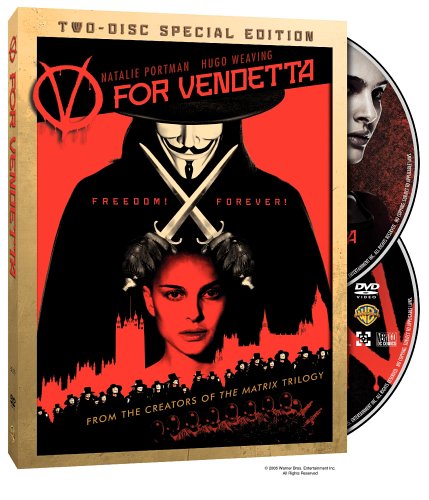
While V For Vendetta certainly met with some backlash when it was released in theaters earlier this year, having now seen the film myself, I am shocked that it didn't meet with even more opposition; especially from the White House. Of course, if the White House had come out against the film, it would not only have spurred greater ticket sales, but it also would have placed the government in the position of the film's villain. To speak out against this film would be to be to speak out against basic American values.

Set in the near future, this film tells the story of V, a terrorist that rallies against an unjust government. He is something of a modern-day Che Guevara, except he bases himself on a 17th century activist named Guy Fawkes, who was foiled in an attempt to destroy the English Parliament. Among other acts of terror, V plans to succeed where Fawkes failed.

Before there was Desperate Housewives, there was Dallas. Back stabbing, cheating, lying, romantic jerks with a ton of money. This show is what happens when a Soap Opera is taken seriously. Instead of cheesy organ music and dramatic zooms, this is a true hour-long evening drama. It is also one of the most famous shows of all time.

Season five opens with a dramatic kick off; the conclusion of Season Four's finale that features a murder at the Southfork Ranch! Shock gives way to mystery as the investigation unfolds, and even the Sheriff's department get caught in the middle of the family's squabbles. From here, the drama continues, as J.R.'s marriage falters and a tragedy befalls the head of the Ewing family. For those of you that have not seen these episodes, I may have said to much already. I will just say that if you are a fan of this show, the twists and turns in Season Five certainly do not disappoint.

Synopsis

Starting in 1937, Peter Lorre starred in a series of eight films about the Japanese detective. In this set are the first, second, fourth and fifth in the franchise. WWII put an end, of course to a series with a Japanese hero played by a German-speaking actor. Whatever one might think of racist stereotypes (and it is best, in viewing such films, to try not to think of them at all), these are enormously entertaining programmers.