Cohen Media Group

“You know, there comes a time when even the greatest leader has gone as far as he can go.”

Winston Churchill was once voted the Greatest Briton Ever, beating out the likes of Princess Diana and William Shakespeare. Although Churchill had a staggering number of accomplishments throughout his long life, he is most closely associated with being Great Britain’s prime minister during World War II. That’s why the notion that Churchill vehemently opposed the D-Day invasion at Normandy in the days leading up to the pivotal battle is a provocative premise for this well-crafted, well-acted movie. The only problem is that it remains unclear whether that was actually true.

“At the turn of the century, Sea Island Gullahs, descendants of African Captives, remained isolated from the mainland of South Carolina and Georgia. As a result of their isolation, the Gullah created and maintained a distinct, imaginative, and original African American culture.”

Prior to watching Daughters of the Dust, I was completely unfamiliar with Sea Island Gullahs. To tell their story, the film (intentionally) deviates from the traditional narrative playbook, which doesn’t necessarily make for the most pleasurable movie-watching experience. However, the three key adjectives used in the opening text — “distinct,” “imaginative,” and “original” — absolutely apply here.


Don’t call it a comeback, but World War II movies are having a bit of a renaissance. (Seriously, don’t call it a comeback…they’ve been here for years.) There are seemingly endless ways to approach a WWII story — Hacksaw Ridge and Allied were in theatres recently, while the next few months will bring The Zookeeper’s Wife and Dunkirk — but the majority of movies that actually get made skew toward the American/British perspective. That’s the main reason Come What May — a somewhat sappy, intensely personal film from France — stands out from the pack.

“The German offensive of May 10th, 1940 drove almost eight million people from their homes.”

Word of advice: don't take up a sentimental attitude over the poor.”

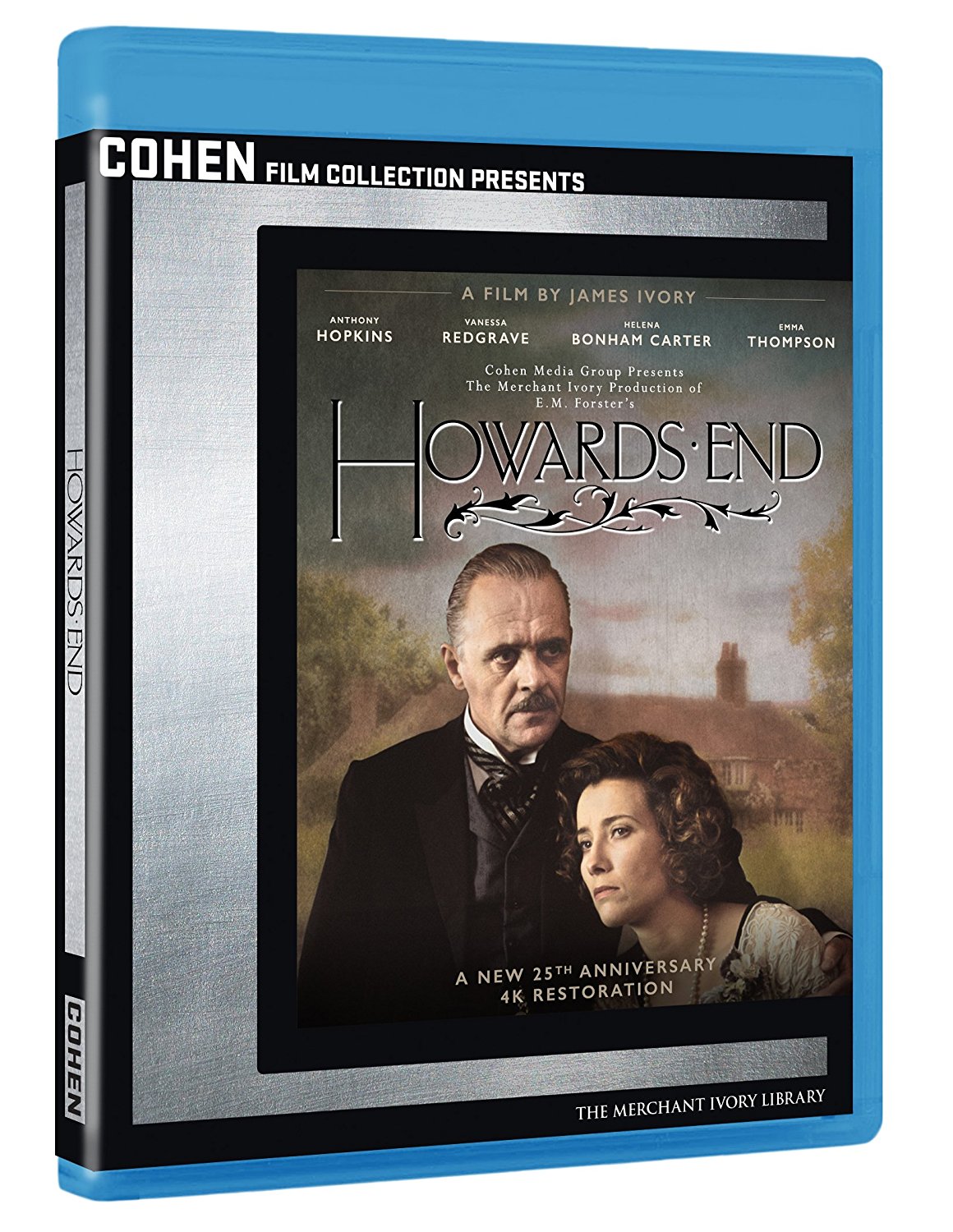
That bit of wisdom is offered by Henry Wilcox, the scheming, obliviously shameless wealthy capitalist in Howards End. The 1992 Merchant-Ivory film — which gets a spiffy, 25th Anniversary Blu-ray release courtesy of Cohen Media Group — is based on an E.M. Forster novel that was published in 1910. However, Henry's philosophy towards the less fortunate members of society strikes a chord more than 100 years since the character made his debut. And that's just one reason Howards End is worth another look as we prepare to turn the calendar to 2017.

Even though I like to think I've seen more movies than the average bear, I'll admit to having somewhat of a blind spot when it comes to world cinema. So I'm a little ashamed to say I hadn't even heard of Paolo and Vittorio Taviani — the Italian filmmaking brothers who have worked together all their lives and started making movies in the 1950s — before I picked up this handy three-pack from the Cohen Media Group. The Taviani Brothers Collection features three of the siblings' most acclaimed work: Padre Padrone, The Night of the Shooting Stars, and Kaos.

Obedience is the air you breathe.”

I earn money…I meet people…I can pay my debts…I can buy nice things for myself.”

Taken at face value, all of those pursuits sound totally admirable, especially when you consider that the person earning that money, meeting those new people, and buying those nice things is a bitter old woman who slowly comes out of her caustic shell. I mean, the only minor hiccup here is that Paulette — the title character in this wacky, soufflé-light French comedy — turns her miserable life around by selling drugs.

Being a woman's hard work.”

Femininity — the quality and essence of being a woman — is at the forefront of The New Girlfriend, a gender-bending and genre-bending offering from French director Francois Ozon. The film is a curious mix of farce, rom-com hijinks, frank sexuality, and serious drama about loss. The formula isn't always cohesive, but it makes for an intriguing twist on the old “boy meets girl” story.

There's the legal system...procedure...the almost-theatrical aspect of the law. And behind all that...”

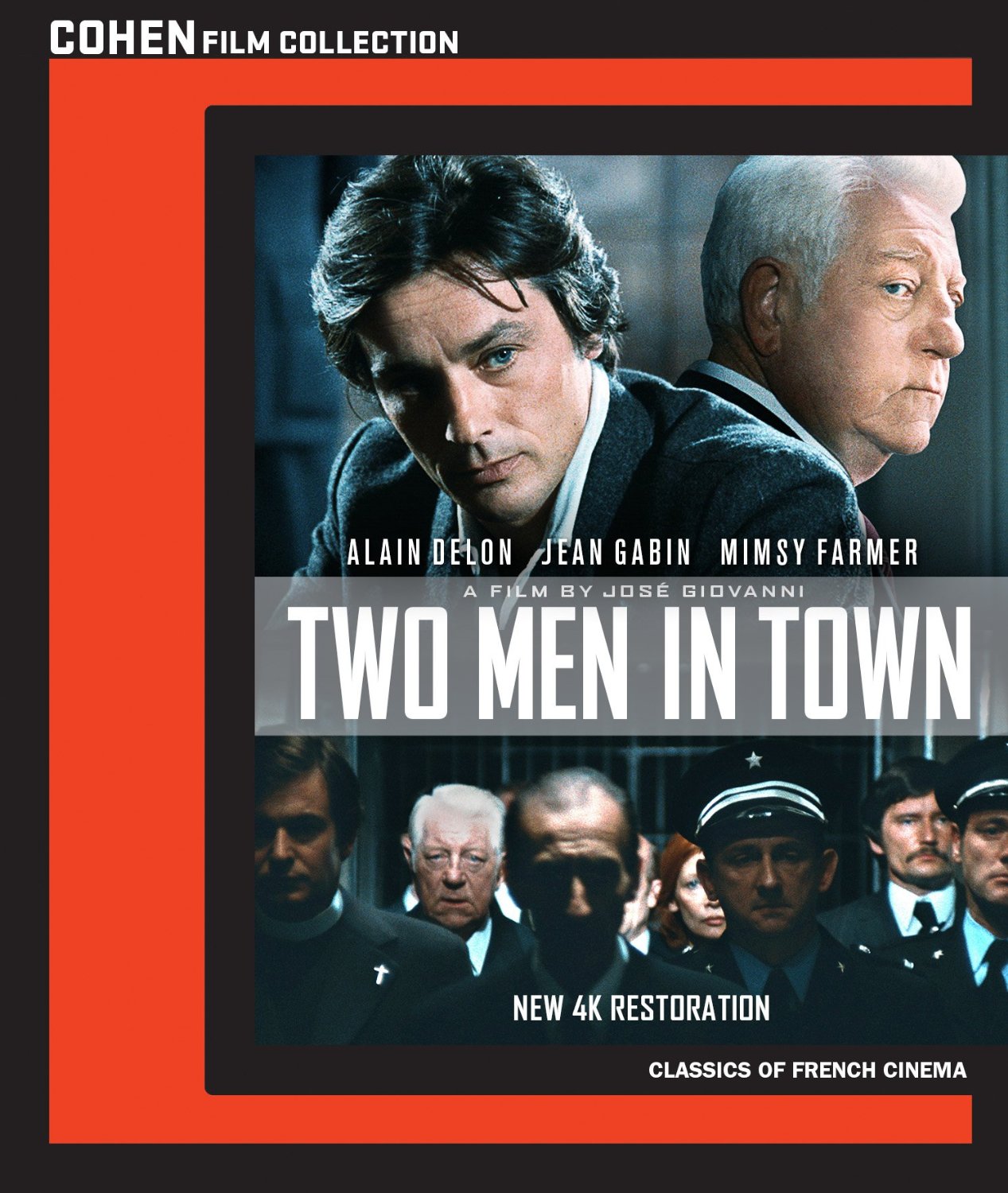
Those words are wearily spoken (in voiceover) by Germain Cazeneuve before we even realize the character is a social worker/passionate prisoner advocate. They also hang in the air until the conclusion of Two Men in Town/Deux Hommes dans la Ville, a blistering takedown of the French judicial system and capital punishment. (France used the guillotine to execute prisoners up until 1981, which is the year the country abolished the death penalty.)

Un, deux, trois! Cohen Media Group has given us an engrossing triple dose of French director Benoit Jacquot. The films —The Disenchanted, A Single Girl, and Keep It Quiet — span a decade and coincide with the moment when the post-New Wave filmmaker started gaining international acclaim. Each of the titles makes its HD debut with this release, and they all offer an intriguing look at Parisian life. The movies also feature some enchanting performances from their leading ladies.

I used to believe in all manner of enchantments.”

“Jihadists are people too!” That’s probably the big, blinking takeaway from Timbuktu, director Abderrahmane Sissako’s Oscar-nominated drama about the occupation of the titular city by extreme Islamists. But it’s also the most reductive possible interpretation of a film that doesn’t shy away from portraying some of the beauty in thoroughly ugly circumstances. More importantly, Timbuktu tells a volatile story with tremendous grace.

“Here, in Timbuktu, he who dedicates himself to religion uses his head and not his weapons.”