The Reel World

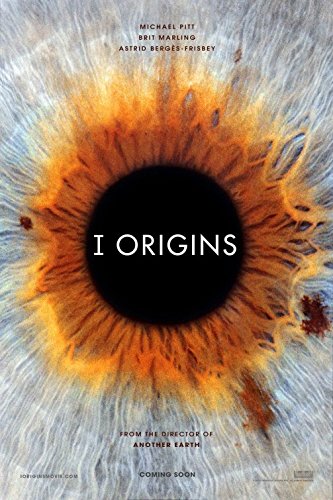
The eyes are the window to the soul, or so we have been told. I Origins is about a scientist studying the evolution of sight in organisms. Part of his research seems to be focused on countering creationists who claim that eyes are an obvious indication of a creator in life on this planet. The scientist, Ian Gray (Michael Pitt) is working on proof that the development of eyes is a process of evolution. His new research assistant, Karen (Brit Marling) surprises Ian with intuitive brilliance and fanatical commitment to the task.

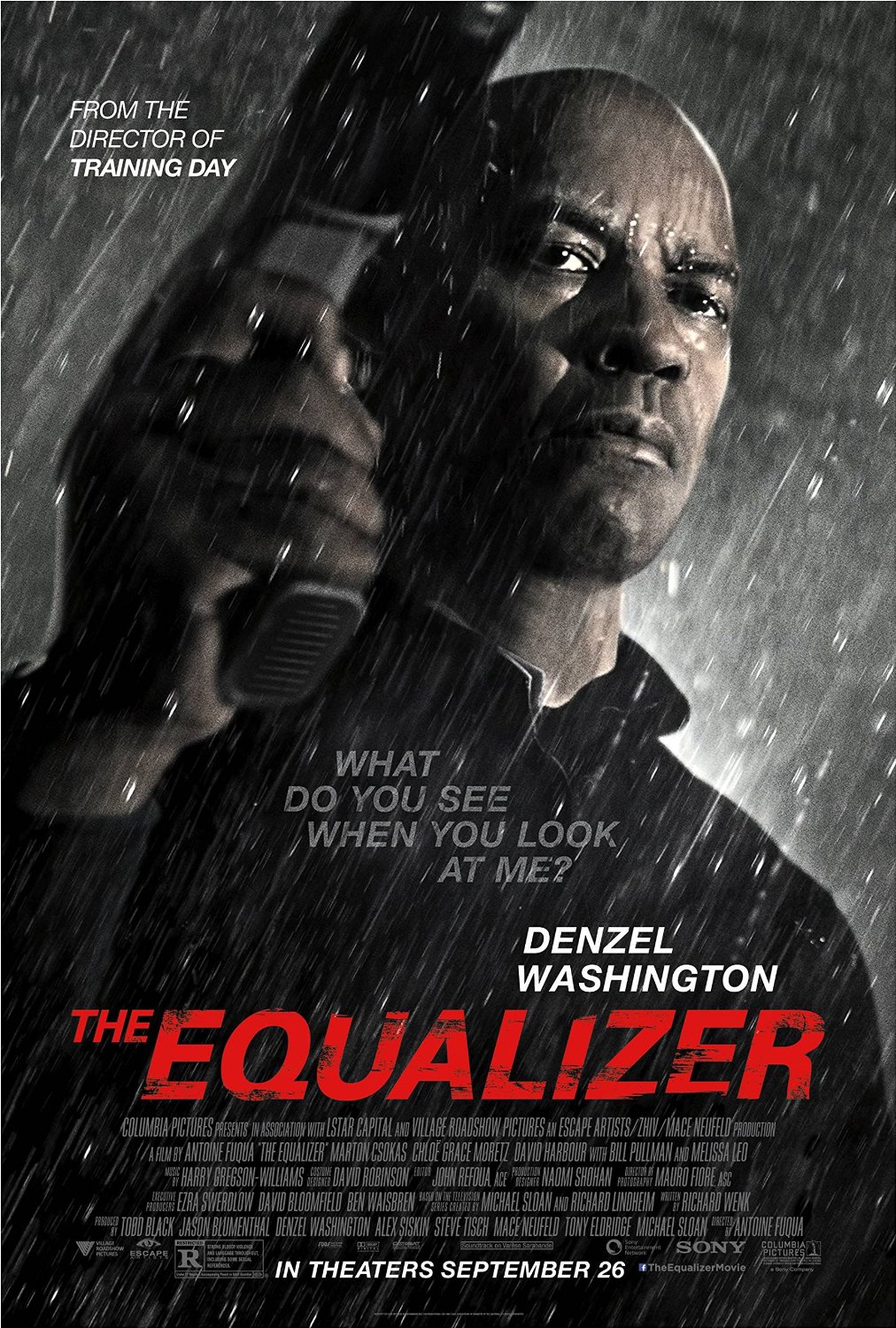
“Odds against you? Need help? Call the Equalizer.”

That familiar classified ad — which receives a clever update toward the end of this film — and a hero named “Robert McCall” are about the only things this bloody, big-screen adaptation has in common with the TV show that (allegedly) inspired it. And that's fine, especially when you consider a large portion of this movie's audience is probably not slavishly devoted to a CBS crime drama from the 1980s. (Assuming they've seen it at all.) The bigger issue is that, beyond it starring one of the world's best and most charismatic movie stars, there's not a ton that's new or particularly interesting about The Equalizer.

What if two radio guys sat around and made up a movie on the air? In this case, it actually wasn't radio guys, because they weren't broadcasters, but podcasters. I guess the fine distinction between broad and pod is that pod goes out to the world through the internet. It's kind of like Indie radio. Kevin Smith is a very indie guy and even calls his podcast a smodcast. Smith and his buddy, producer Scott Mosier, were doing their smodcast and talking about a post on GumTree.uk about roommate advertisements. It evolved into crazy talk about what might happen.

Martin McDonagh is an extremely important and respected playwright. He is also a pretty good filmmaker. His films are In Bruges and Seven Psychopaths. His plays have won too many awards to mention, but some of the titles are The Beauty Queen of Leenane, The Lonesome West, The Pillowman, The Lieutenant of Inishmore, The Skull of Connemara and others. His brother is John Michael McDonagh, the writer/director of The Guard and Calvary. All of these works are very good. Calvary might be my favorite.

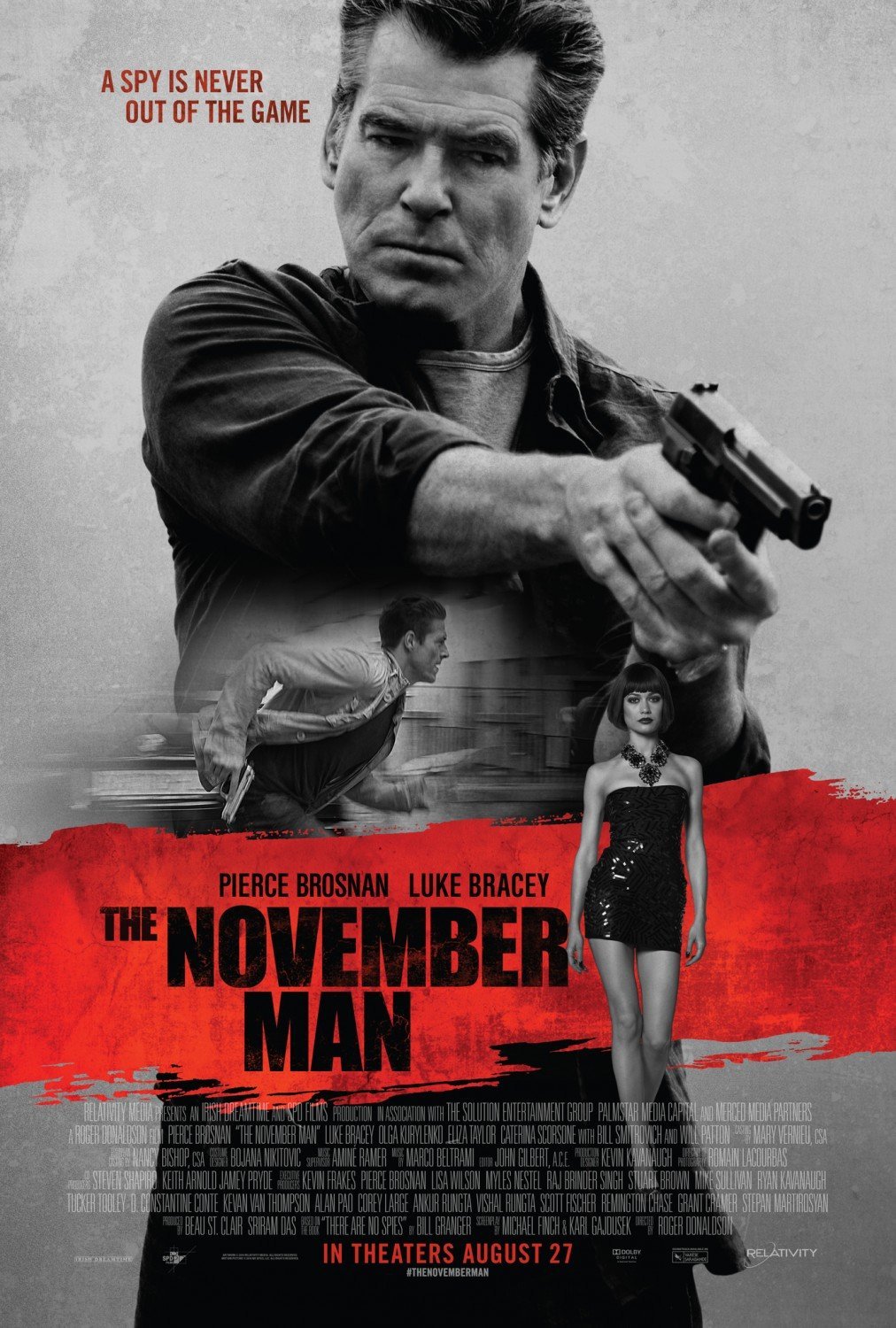
The pleasure of The November Man is seeing an ex-James Bond come out of retirement being all cool and mean and efficiently lethal. The ex-James Bond is Pierce... Pierce Bronson. He's not as old as Sean Connery, but he's pretty old, and too old to look this good killing people. The November Man is nothing but a cheap and easy, end-of-August bit of popcorn fodder, but it works well. It works so well it already has a sequel planned. I don't think the budget on this is very large, so it probably was a no-brainer. The locations are all over middle Europe and Russia, but I think that's cheaper than New York City or London.

Sin City: A Dame to Kill For marks the return of the iconic graphic novel since it first splashed across the big screen in 2005.  Sin City set out to make the ultimate comic book adaption in which the audience would see the panels move directly from the page and onto the screen.  For me Sin City was a celluloid masterpiece that blended the Noir stories beautifully with all the Hollywood tricks that were at Robert Rodriguez’s disposal.  Frank Miller’s beautiful black and white imagery was more striking than I could have imagined, and it was the film that had me rooting for the big lug Marv (played by Mickey Rourke who seems to have been born for the role).

“Welcome to the 21st century!”

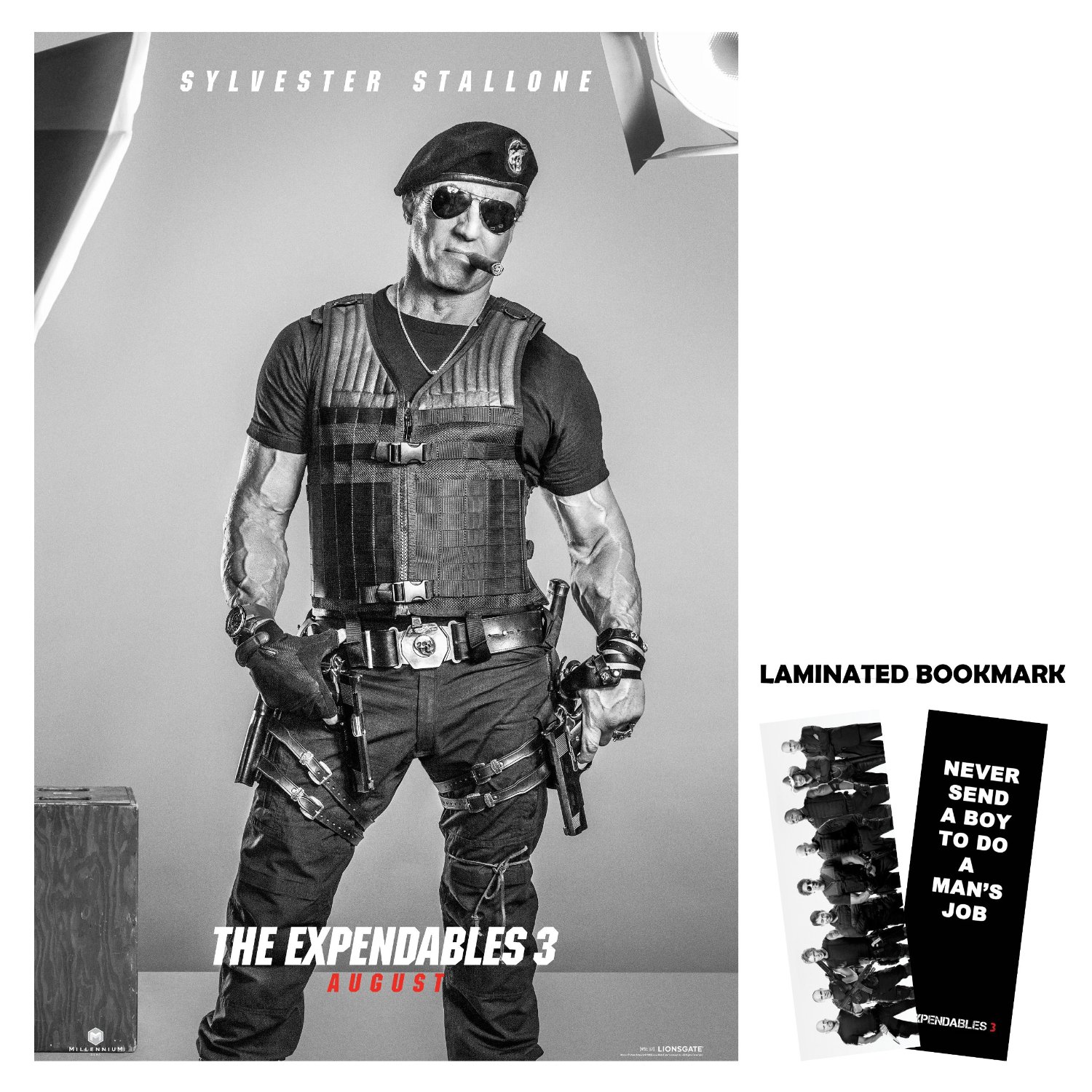
Sylvester Stallone has dedicated the better part of the last decade to giving moviegoers what they wanted 20 years ago. It started with 2006's Rocky Balboa, which closed out Stallone's signature franchise in the satisfying manner fans have been craving since 1990's Rocky V debacle. We’ve also gotten another Rambo sequel, as well as long-awaited team ups with icons both real (Schwarzenegger in Escape Plan) and cinematic (Grudge Match was “Rocky vs. Raging Bull”). But Stallone's biggest recent success is the veritable fantasy team of action stars he's assembled for the Expendables films.

“Are you telling me that the fate of thirty million inhabitants is in the hands of these criminals?”

Now that we are in the middle of phase two of Marvel’s movie universe, a new batch of characters have been given a movie of their own to help set the stage for what is to come in the ever-expanding Marvel cinematic universe.  The Guardians of the Galaxy announcement for many left fans scratching their heads; after all, just how would a talking raccoon, a lumbering tree and various other space aliens fit in

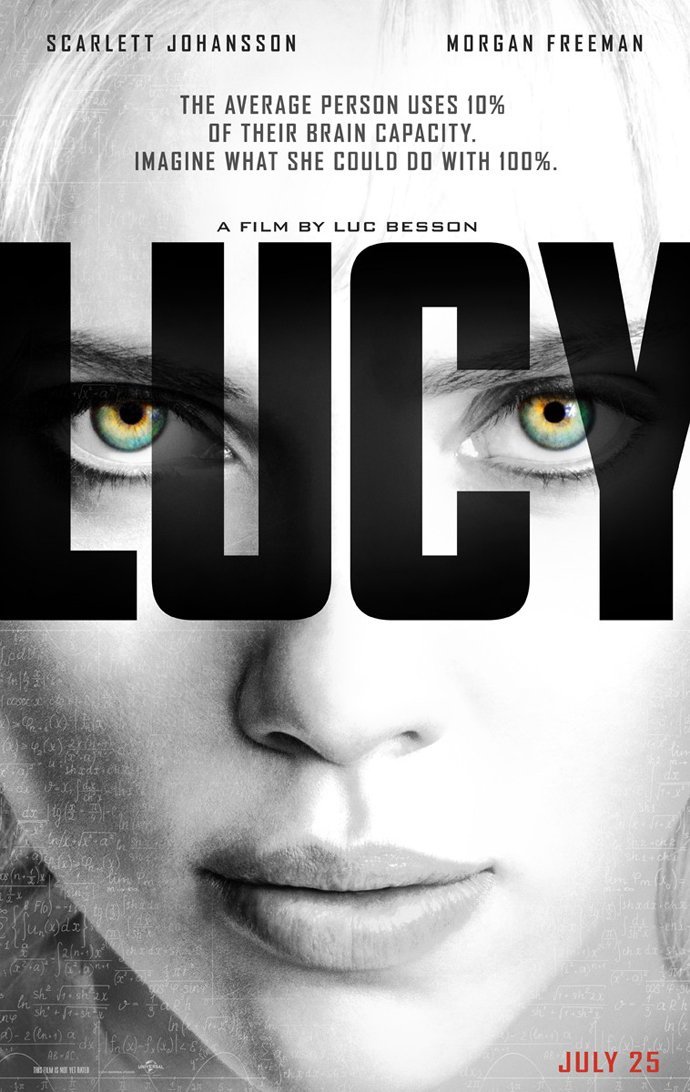
Lucy is good science fiction. Good science fiction challenges scientists to think about the possibilities. Good scientists think they don't know and want to seek the answers and learn more. Bad scientists will tell you the answers because they know. But they don't know. Science is made by making mistakes and learning from those mistakes and then making new mistakes and learning from them. Through that process myths and half-truths are passed along. For a hundred years science said that we only use about 10% percent of our brain, but now we are told that that was a mistake

Zach Braff had a nice long run on the sitcom Scrubs, but he showed the world he was more than that by writing, directing and starring in the indie hit Garden State. Braff starred in some other movies but didn't get much traction. He's not really a leading-man type. He did have a nice supporting part in Oz the Great and Powerful, but Braff had already demonstrated he can do it all. Hollywood is not too friendly to original ideas, so Braff went to Kickstarter and had success.