DTS HD 7.1 Master Lossless Audio (English)

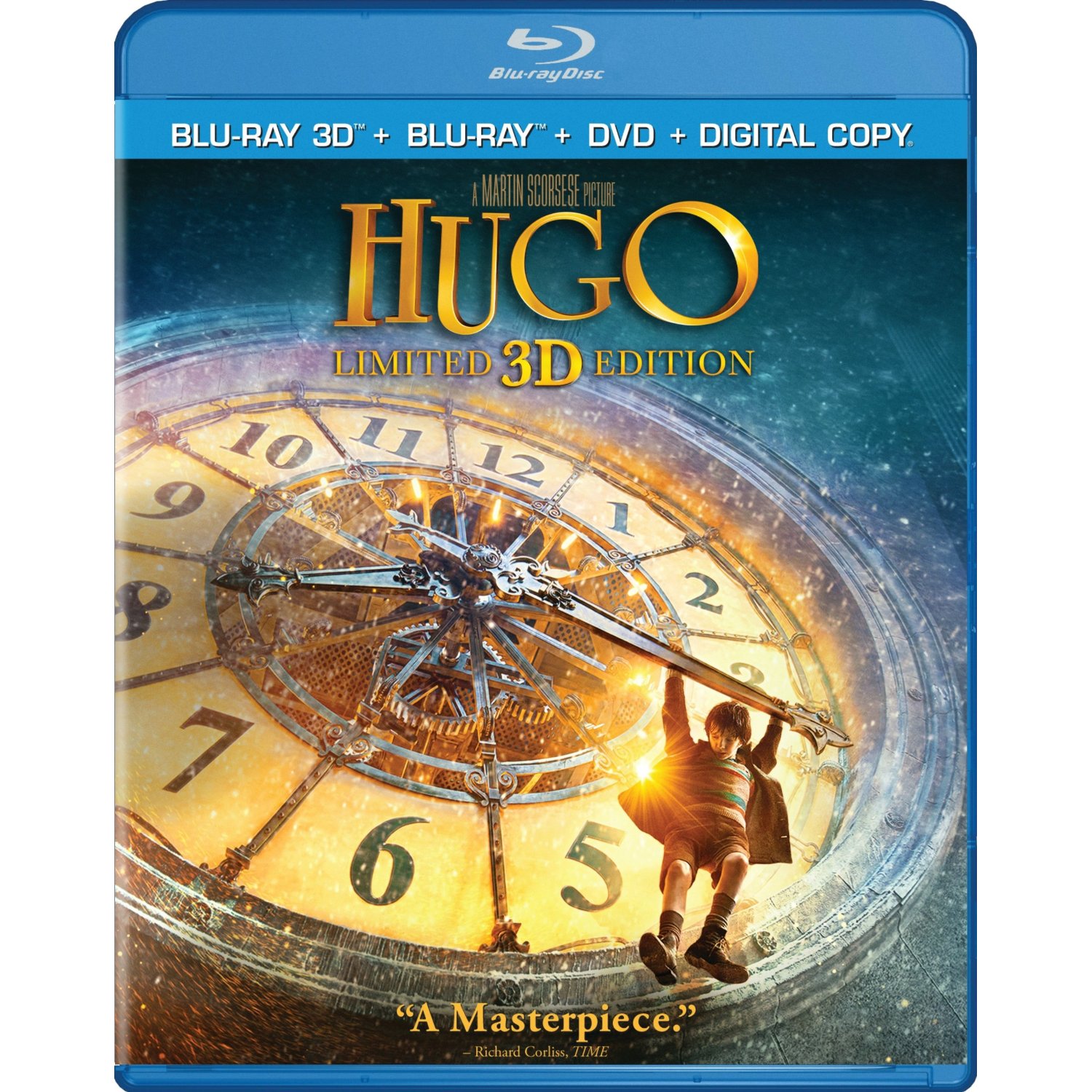
In the 1930’s, the orphaned Hugo Cabret (Asa Butterfield) lives in the access tunnels of the Gare Montparnasse in Paris, winding the clocks, making sure that no one knows his guardian uncle has long-since gone AWOL, and filching bits and pieces of mechanisms that will allow him, he hopes, to repair the automaton he keeps in his living quarters. This is his last connection to his deceased father, and his dream is that the repaired machine will grant him a message from the beyond.

But there are obstacles to his quest. Foremost is the tyrannical station inspector (Sacha Baron Cohen), who likes nothing better than rounding up street urchins and packing them off to the orphanage. Hugo also runs afoul of the bitter, disappointed old man (Ben Kingsley) whose toy store has been the source of much of his material. This encounter proves fateful for them both. The old man is none other than Georges Méliès, whose films are the ground zero of all fantasy in cinema, but who has since been forgotten by the industry he helped create. Hugo and Méliès’ granddaughter Isabelle (Chloe Moretz) become allies, determined to give Méliès back the sense of joy and wonder he once gave to so many.

“At this very moment, I have no desire to stab you in the neck.”

Between Weeds and Nurse Jackie, Showtime has the corner on shows about drugged up, ethically challenged women. The great Edie Falco somehow keeps Nurse Jackie relatable even though she is an unrepentant drug addict, thief and manipulative narcissist. It doesn’t hurt being surrounded by such a smart supporting cast and given lines that crackle with poignancy and humor.

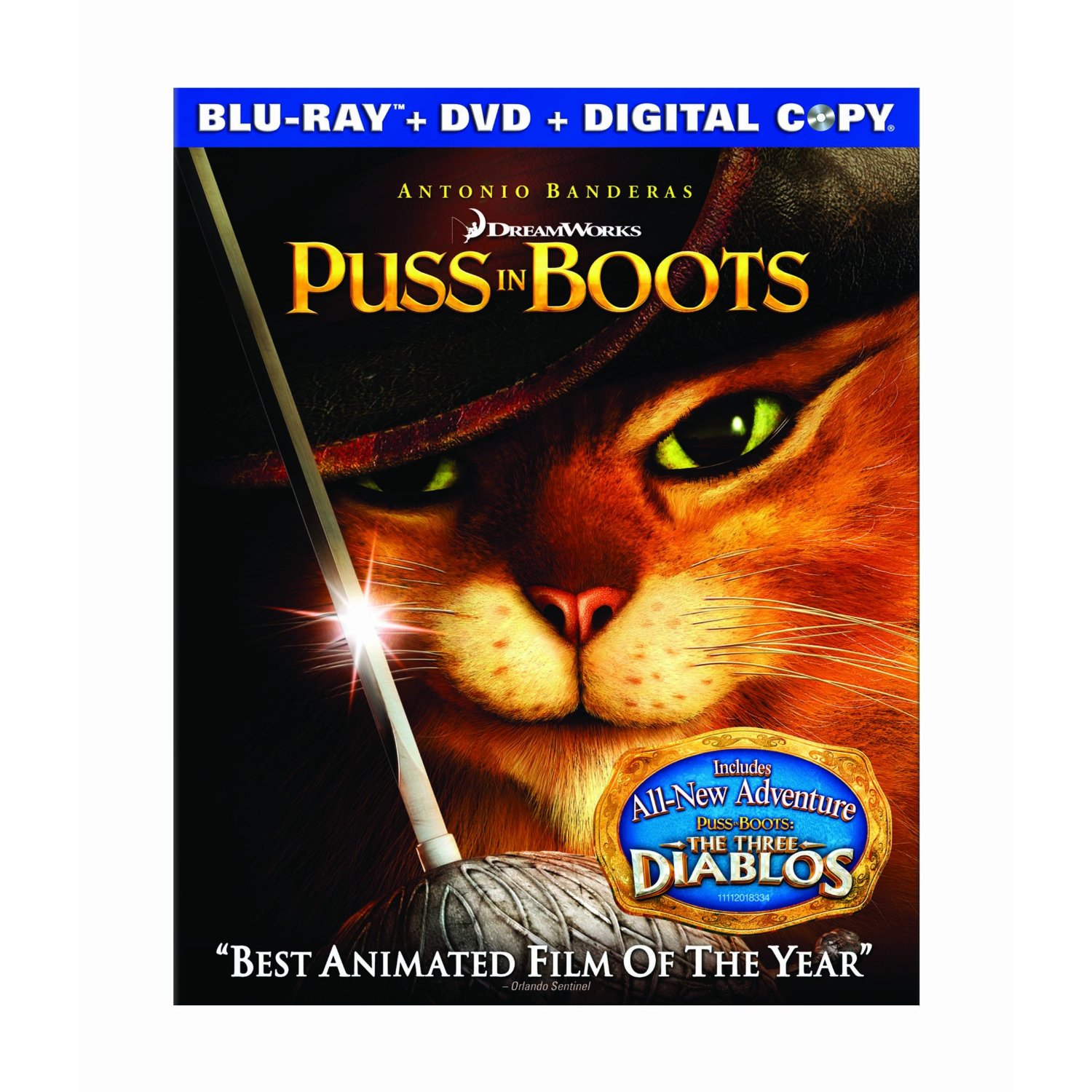
One of the more popular characters from the Shrek franchise steps into the starring spotlight here, in an adventure whose locale is rather different from the familiar swamp-forest-castle fairy-tale settings of the parent films. Seeking to steel magic beans from the husband-and-wife thugs Jack and Jill, Puss (Antonio Banderas) and rival Kitty Softpaws (Salma Hayek) become caught up in a wild scheme masterminded by the duplicitous Humpty Dumpty (Zach Galifianakis).

The plot is really more of a premise, serving as the means to set up a grab bag of set pieces (an extended flashback showing Puss and Humpty’s past, and how the latter betrayed the former; the spectacular sprouting of the beanstalk; the dance-off between Puss and Kitty and the Glitter Box). There is a lot going on here, and the jokes come a fast clip. Younger viewers will likely get the most out of this, but there are plenty of bones thrown to the adults in the crowd, including such touches as the in-joke casting of Banderas and Hayek bringing in a whiff of Desperado to the antics. The animation is stunning, and while I can’t speak to the 3D theatrical incarnation of the film, it looks simply stunning in 2D.

I completely understand if you bailed out on Weeds a long time ago. The fact is the current show bears little resemblance to the subversive, suburban sitcom that became one of Showtime's first comedy smashes. That's partly because the tone of the show took a dark turn into Mexican cartels and human trafficking after the end of season 3. Even worse, the once-fresh characters had become, at best, reliably annoying — think Kevin Nealon's Doug Wilson ­— or, at worst, completely unlikable (like Mary Louise Parker's Nancy Botwin, the leader in the clubhouse for the title of TV's Worst Mom.)

But here's why I'm actually ok with the way Weeds has played out (besides my immense crush on Mary Louise Parker): what else were creator Jenji Kohan and her team supposed to do? If season 7 rolled around, and Nancy was still dealing pot in Agrestic, the show would get crushed for never evolving. In fact, given Nancy's relentless ambition and reckless behavior, I think the show has progressed in a semi-realistic way. Well, except for the part where she always gets out of impossible jams.

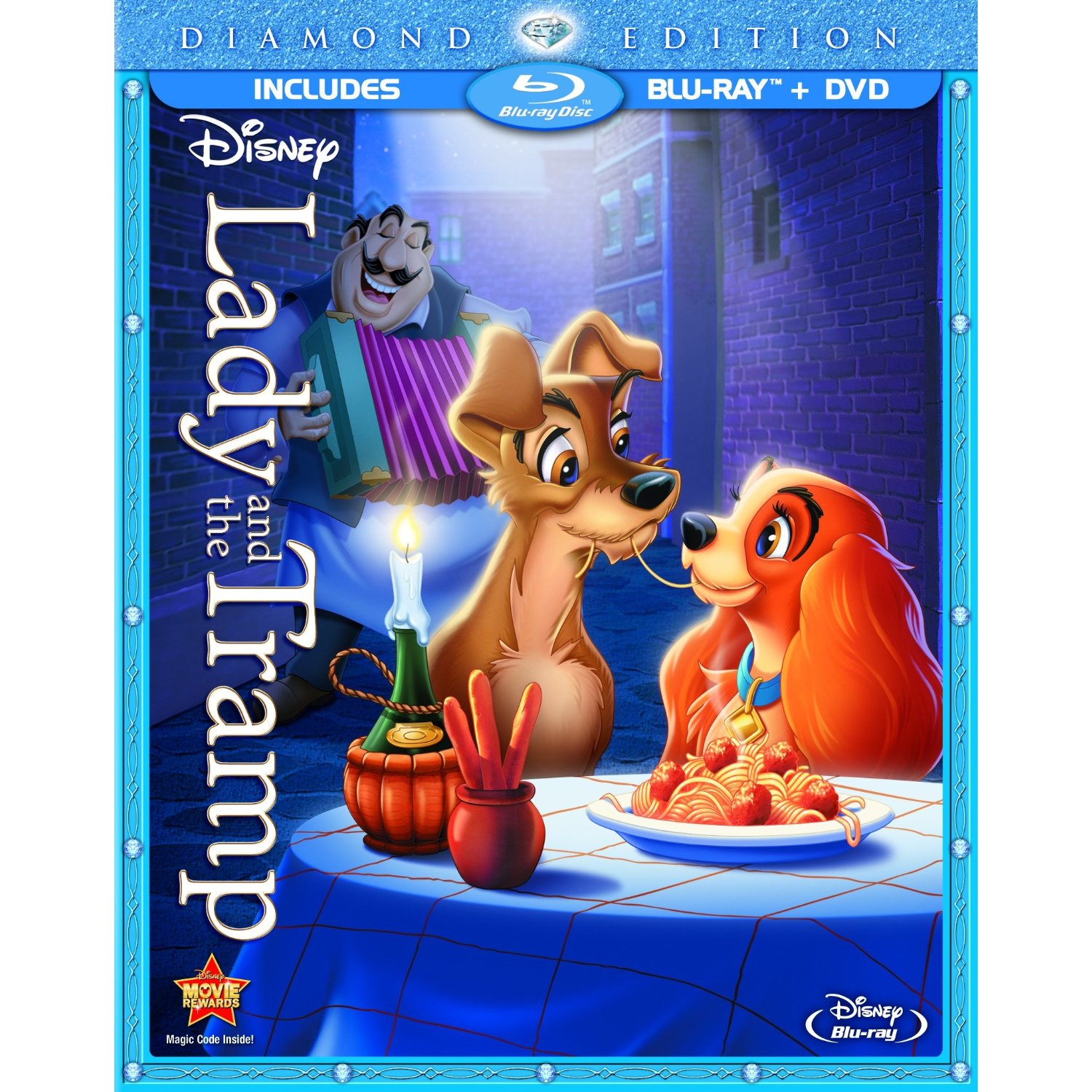
The yesteryears of Disney were full of classic movies from Aladdin to 101 Dalmations. Each of those films holds a special place in my heart due to its warmth and very colorful, cute story. Having never seen Lady and the Tramp before picking up this early copy, I didn’t know what to expect of the film. Many declare it to be one of Disney’s best, which is certainly a remark that is quite distinguished. Would Lady and the Tramp capture my emotions and heart like so many old, classic Disney films did years ago? Read on to find out.

The basic story to Lady and the Tramp is as follows. A man named Jim Dear gives his wife Darling a mysterious box for Christmas. Inside that box is the ever-so-cute little cocker spaniel puppy, which Darling decides to name Lady. Lady spends most of her period growing up with two neighborhood dogs, Trusty and Jock. One day a dog named Tramp walks over the railroad tracks. When Darling has a child, we are introduced to two super ugly and vicious cats, Si and Am, courtesy of Aunt Sarah. Due to these evil cats and the new baby, Lady winds up in the doghouse. What happens next is cinematic history: the spaghetti scene and the start of a romance between Lady and Tramp.

Back when I reviewed the original Blu-ray/DVD combo release, I said that those wanting special features should wait for the inevitable double-dip. Well, here it is, and so loaded with features that they get a Blu-ray to themselves.

Following the events of Transformers: Revenge of the Fallen, the Autobots are working hand-in-mechanical-glove with human authorities (in other words, the apparently all-powerful CIA), keeping close watch for Deception activity, but also helping out in human-on-human conflicts. Meanwhile, Shia LaBeouf has traded in improbably hot girlfriend Megan Fox for the equally improbable Rosie Huntington-Whiteley (an improbability that the script does have some fun with). He is also out of work and dismayed at not being given due consideration as a saviour of the planet.

"Man, we'll die with you. Just don't ask us to do it twice."

Well... that's exactly what Sylvester Stallone is asking you to do. Many will look at this release as a simple case of a double-dip, and to a certain extent it is. But Sly isn't kidding when he tells us that it's a better film this way. At least I thought so. No question the studio wants to build buzz going into the second film, and this edition works as a sort of placeholder. It's still a tough decision, but let's look at the film again, just for argument's sake, shall we?

"He's a real monster. And he's not brooding or lovesick or noble. He's the shark from Jaws. He kills. He feeds. And he doesn't stop until everybody around him is dead."

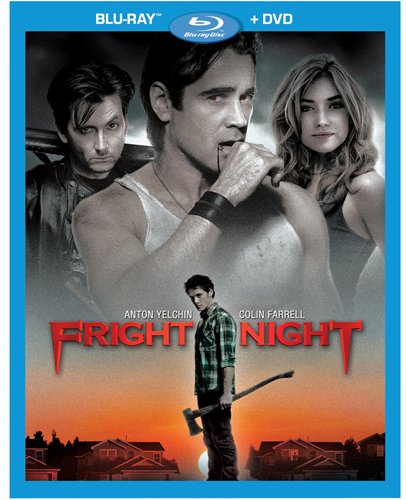
Okay, there's going to be two schools of thought going on when it comes to this movie. There are going to be plenty of fans who, like myself, absolutely loved the original tongue-in-cheek 1980's film. It has endured over the years, and I have found it to be just as charming and chilling now as I did when I first saw it back in 1985. Chris Sarandon was wonderful as the vampire, and who couldn't love Roddy McDowall as the reluctant vampire hunter, Peter Vincent? The fact remains that Fright Night was and is still one of those films that will always be a part of our collective love affair with movies. So there is that school of thought out there that thinks we should leave these classics alone and to remake them is akin to hearsay of the strongest order. And no one has been more critical of the remake/reboot/reimagine/rehash mill than I have. But I'm going to speak just a touch of sacrilege to the brethren: If you haven't yet, give this new version of Fright Night a chance. It's actually a blood-well good time. More on the whole remake thing later.

There have been a lot of films out that deal with the Iraq war and the various political situations that region of the world has had to deal with since that time. Most of these efforts are trying so hard to make some radical political point that they tend to serve their audiences poorly as entertaining films. Happily, that's not the case with Lee Tamahori's The Devil's Double. The film cuts through the polarizing political elements and provides a brutal view of the Hussein regime through the actions of one of Saddam's sons, Uday. Tamahori has created a modern Scarface by using those regime elements to paint the picture of a man overwhelmed with power and driven to excess. Unlike Scarface, Uday is not an outlaw; rather in this environment he is the law, and suddenly we have a film that delivers a unique take on the theme of the corruption of power.

Latif (Cooper) is a simple soldier in the Iraq army in the days before the Kuwait invasion. He has been called to the Royal Palace, summoned by Prince Uday (Cooper) whom he had known in his school days. The two share a remarkable resemblance that Uday intends to exploit. He wants a body double to help protect him from the various threats that his position elicits. Latif attempts to decline, but Uday threatens his entire family if he doesn't accept. Acceptance means that Latif is now dead, and he is to live in the palace with all of the luxury of a prince. Uday refers to him as his brother. But instead of having Latif take his place in public, he merely drags him around with him. It's a poor plan for a body double, because it soon becomes pretty much general knowledge that this look-alike exists. Latif finds himself more and more disgusted as he is drawn closer in toward this world. All he wants now is to escape.

It is 1979. While filming a Super 8 horror movie, a group of young friends on the cusp of adolescence witness a spectacular train wreck. They later discover that they accidentally captured evidence that there was an alien creature on the train, and it is now loose in their small town. But if the mysterious disappearance of dogs, engines and (increasingly) people wasn’t trouble enough, the military descends upon the community with an agenda far more merciless and inhuman than that of the alien itself.

I was 12 in 1979, and I was shooting Super 8 monster movies, so I get the nostalgia that writer/director J.J. Abrams is going for here, and this is an utterly unapologetic exercise in nostalgia. Abrams is is out to recreate the experience of a Spielberg movie from that era, and with the man himself acting as producer, the mission is accomplished. Super 8 plays like the Lost Spielberg Movie, with all the wonder, thrills, and sentimentality one would expect. There is so much here that works beautifully. The young cast is terrific, the dialogue crackles, the effects are spectacular, and the creature is both menacing and sympathetic, like some unholy version of ET reworked by H.P. Lovecraft.