Classic

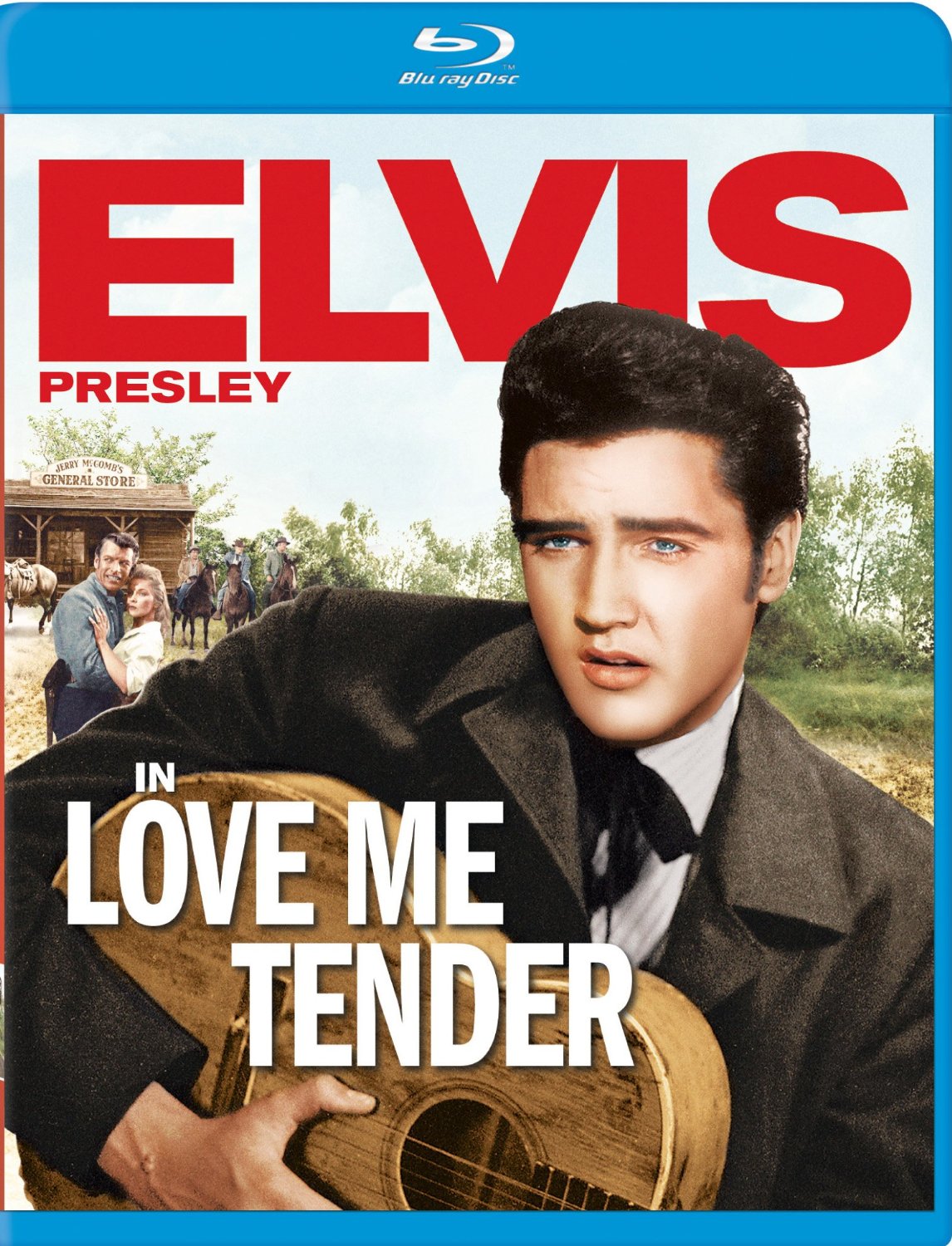
Elvis Presley was easily one of the most impactful pop culture icons of the 20th century during his life, and that status has barely waned in the decades after his death. (Or “alleged death”, given the number of Elvis sightings each year.) Presley obviously made his most lasting mark in the world of rock and roll music (and fashion), but he also had a surprisingly fruitful film career. Though none of his movies turned out to be cinematic masterpieces and no one was confusing him with Marlon Brando, The King brought his charismatic presence to more than 30 movies between 1956 and 1969. He was 21 when he made his film debut in Love Me Tender.

Fox has just released the 1956 Western/Civil War drama on a nifty-looking Blu-ray. (More on that in the Video section.) The first thing that struck me about the black & white film is that Presley — arguably the most famous person in the country at the time — is not really the star.

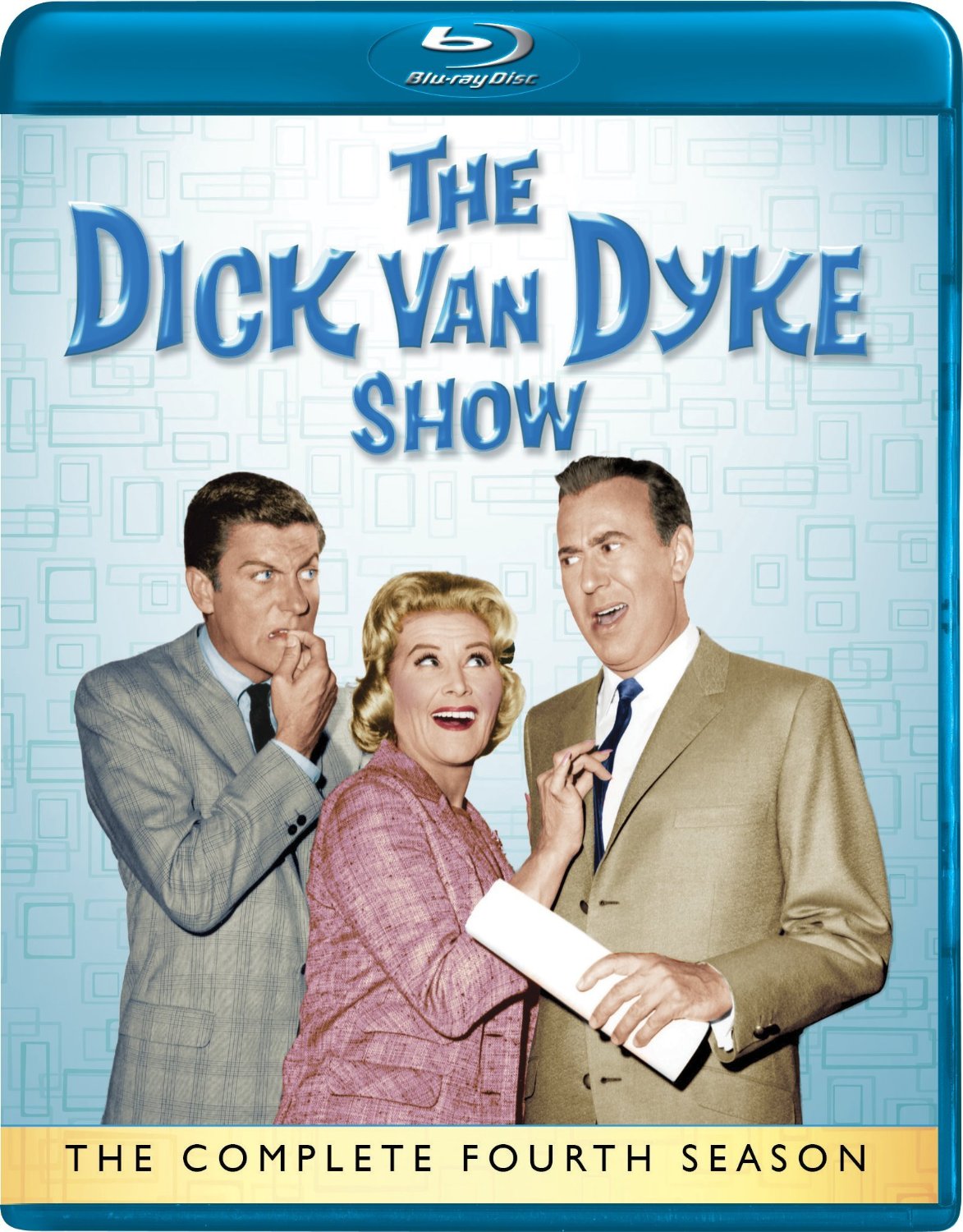
When one thinks of The Dick Van Dyke Show it's hard not to think of its star Dick Van Dyke. After all, it's his name on the opening credits, and he does play the lead character in this groundbreaking television comedy. There's little question that the show became a wonderful vehicle for his many comedic talents. But the genius behind the show wasn't really Dick Van Dyke at all. It was Carl Reiner (yes, Meathead's father) who is the true brains behind the show.

Reiner was a popular comedy writer in the early days of television. He made his name with Sid Caesar, writing for the very popular Your Show Of Shows. During that time he had been inundated with ideas for his own show. He wasn't happy with any of them and decided to write his own. The result was Head Of The Family. It starred Reiner as Rob Petrie, a television comedy writer living in the New York suburbs of New Rochelle. In a break from traditional sit-com style, he told his stories both at home and at the office. We got to see Rob with his fellow writers and with his wife and neighbors. If any of this sounds rather familiar...it should. It was a clever idea, but it stank up the ratings and was soon dropped.

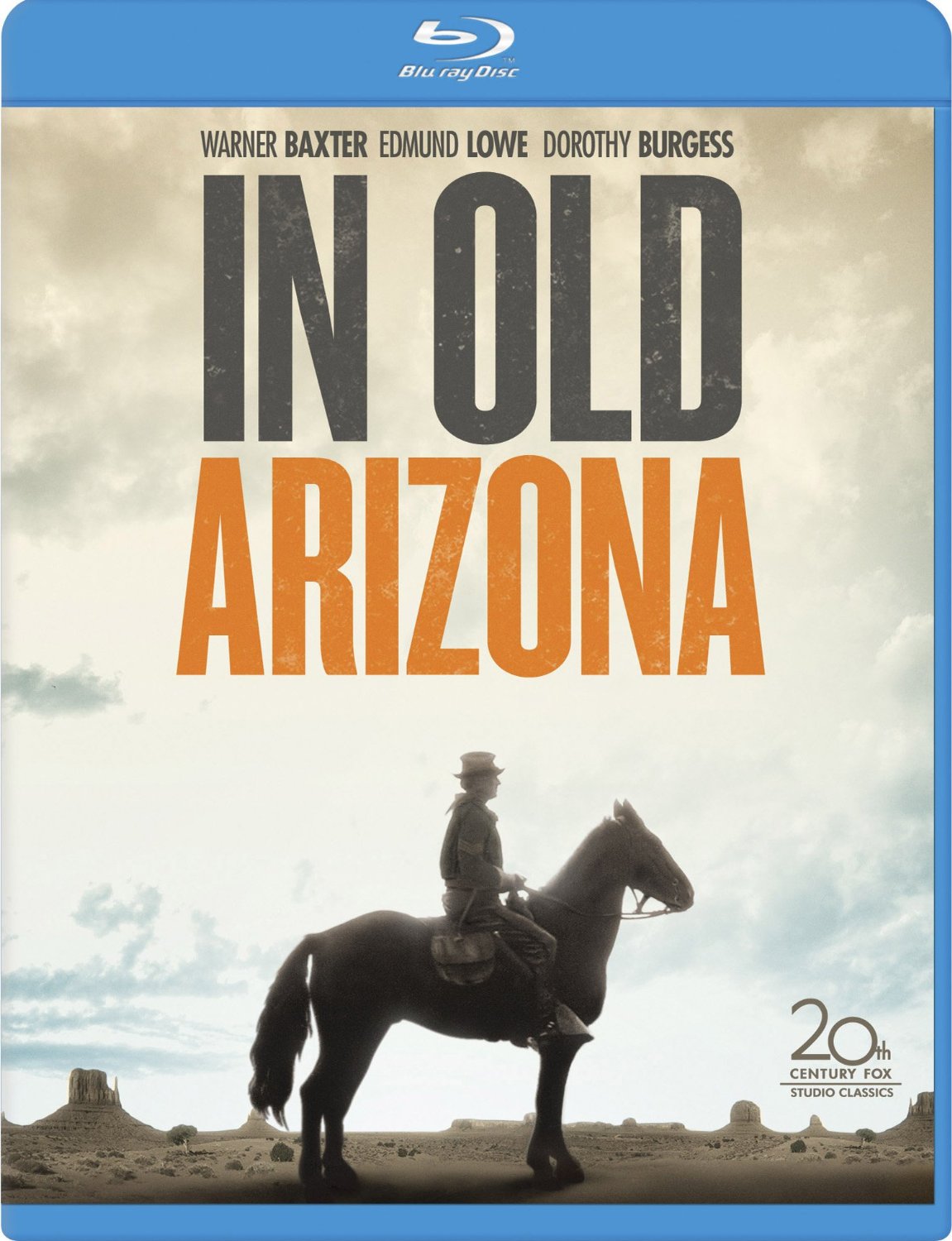
For a significant part of the last century, the Western was the dominant form of entertainment, ruling the Hollywood roost on both the big and small screen. Some of moviedom’s most iconic sounds — galloping horses, trusty six shooters, Ennio Morricone’s best work, “In this world, there’s two kinds of people: those with loaded guns and those who dig” — have come from the genre. And it all started In Old Arizona.

The 1929 Fox film was one of the most groundbreaking and innovative motion pictures of its time. In Old Arizona was the first major Western to use the new sound technology, as well as the first “talkie” to be filmed outside the confines of a cozy studio lot. (Filming took place in Utah, California, but, ironically, not Arizona.) Star Warner Baxter won an Oscar for his portrayal of the charismatic Cisco Kid, a performance that served as an early prototype for the singing cowboy on film.

"All this has happened before and will all happen again. But this time it happened in London. It happened on a quiet street in Bloomsbury. That corner house is the house of the Darling family, and Peter Pan chose this particular house because these were people who believed in him..."

In 1953 with a little help from some Walt Disney magic, generations of children, and adults, of course, would learn to believe in the boy who never grew up. Peter Pan began in the imagination of writer J. M. Barrie. He appeared in a number of works from the Scottish author beginning in 1902 with The Little White Bird. The character had always been a favorite of Walt Disney himself, and it was originally intended as his second animated feature following Snow White. It became quickly apparent that the technology wasn't quite where he needed it to be to tell the story he wanted to tell. It was put on a shelf, but never forgotten. The rights to the character were willed to the children of a Children's Hospital in London, and it was from there that Walt managed to obtain the film rights for the animated feature we have today. Peter Pan has enjoyed success in pretty much every medium possible. There have been hugely popular stage productions where Peter was usually played by a woman. The character has appeared in film, music, comics, television, radio plays and, of course, printed form. He's an endearing and certainly enduring character who has now added high-definition Blu-ray to the list.

“I’ve changed a lot. I’m not the same woman.”

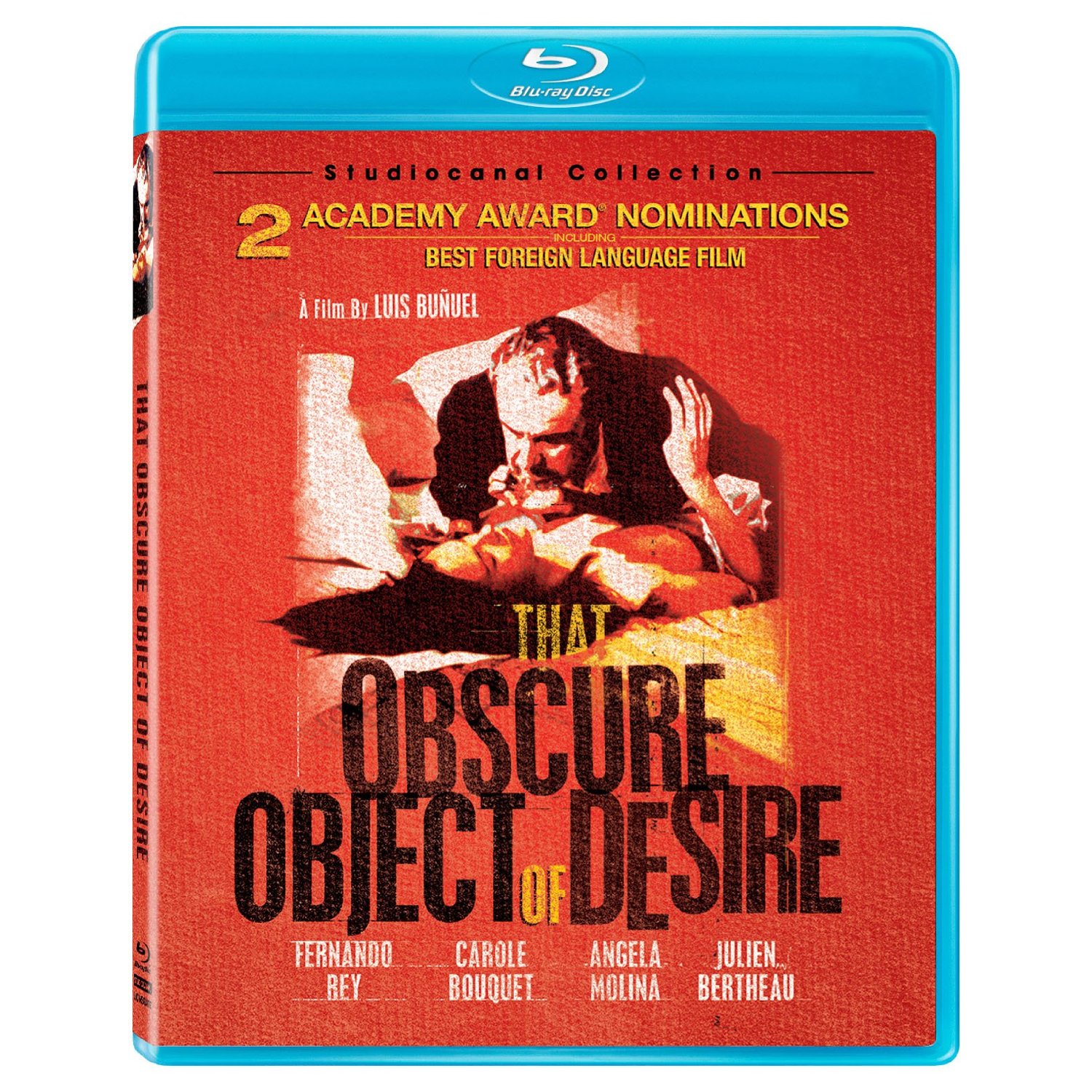
Early on in Luis Buñuel’s surrealist gem, a mild-mannered older gentleman named Mathieu douses a beautiful, battered woman with a bucket of water as she desperately attempts to board the train he’s riding. His fellow passengers are stunned, but also understandably intrigued. What possible sequence of events could’ve led Mathieu to this cold and cartoonish gesture? It’s an irresistible hook, and Mathieu proceeds to regale the other travelers — and, by extension, the movie’s audience — with the tale of “the foulest woman who ever lived.”

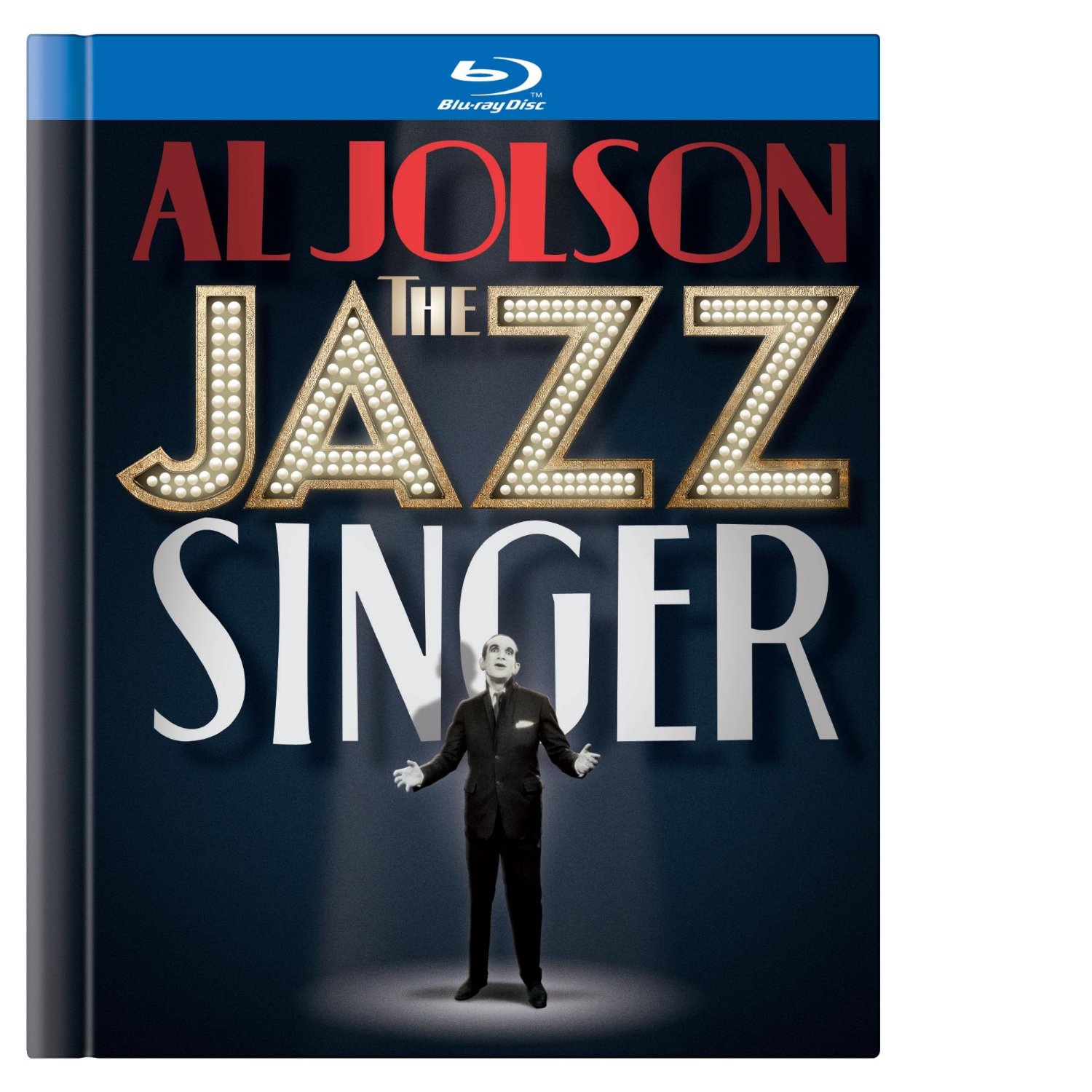
If you’re any sort of discerning cinephile — and if you’ve taken the time to visit our fine site, I’m going to assume you are — you’ve probably heard of The Jazz Singer. Of course, for the movie-going public in the late 1920s, The Jazz Singer was unlike anything they’d ever heard: the first feature-length motion picture with synchronized dialogue. Or, put more simply, the first “talkie.” Though you probably know it revolutionized the film industry, I’m betting it’s a lot less likely you’ve actually seen The Jazz Singer.

I liken it to Jackie Robinson’s place in sports history. Most of us know Robinson was the first African-American Major League baseball player in the modern era, but I suspect a much smaller number of us have seen footage of Robinson in action. Similarly, The Jazz Singer’s place in film history has been secure for decades, but even movie nerds with more than 700 titles in their collections (hi there) haven’t gotten around to watching it. Fortunately, Warner Bros. has released a spiffy new Blu-ray of the groundbreaking 1927 film to help remedy this situation.

“Did you pick your feet in Poughkeepsie?... Have you ever been to Poughkeepsie?... When you were in Poughkeepsie, you sat on the edge of the bed, didn’t you? You put your fingers between your toes and you picked your feet…. If I can’t bust you on this other thing, I’m going to bust you for picking your feet in Poughkeepsie.”

There can be no argument on this point. The 1970’s was a golden age for the cinema. When you think about the iconic characters and films the decade produced, it’s hard to contradict the point. Films like The Exorcist, The Godfather (both parts), Jaws,  Dirty Harry, Star Wars, Superman The Motion Picture, The Sting, Rocky, Deliverance, Apocalypse Now, Alien, One Flew Over The Cuckoo’s Nest, and yes, The French Connection. They redefined film genres. The slasher film was born in the 1970’s. Their influence is felt on nearly every film today, and inspired nearly every new filmmaker to come along in the years since. Yes, there were golden eras before then, but I’m not sure there’s been one since. Of course, there have been truly great movies since, but can you remember a decade with that kind of a run?

- "It's our duty, this is war."
- "Agreed, but even so let's remember our manners."

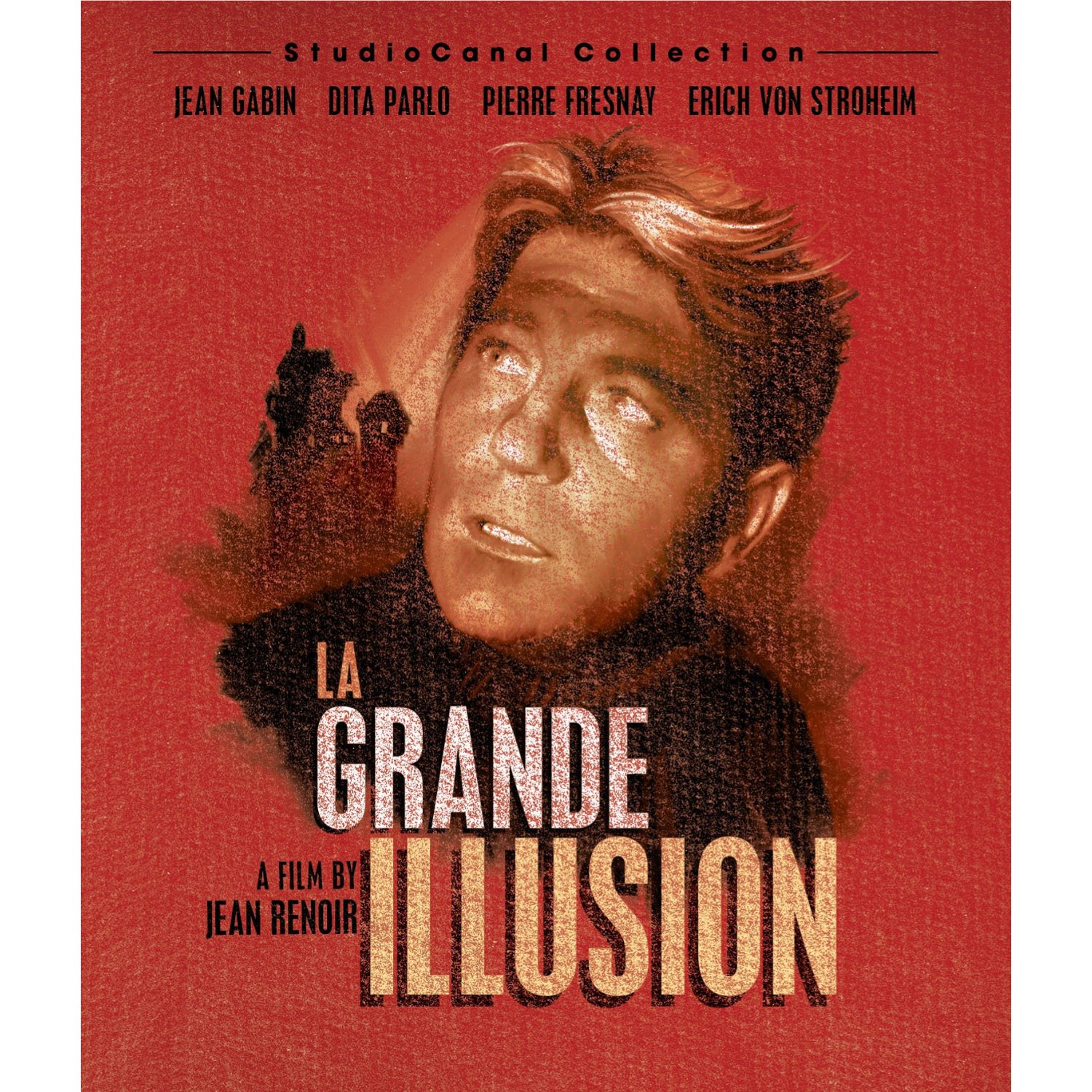
You know how Citizen Kane is considered by some to be the greatest film of all time? Well, I'm the kind of curious movie nerd who subsequently wonders which film was atop Kane auteur Orson Welles' personal list. Unfortunately, I can't ask him, but there's evidence suggesting the answer was Jean Renoir's La Grande Illusion/Grand Illusion.

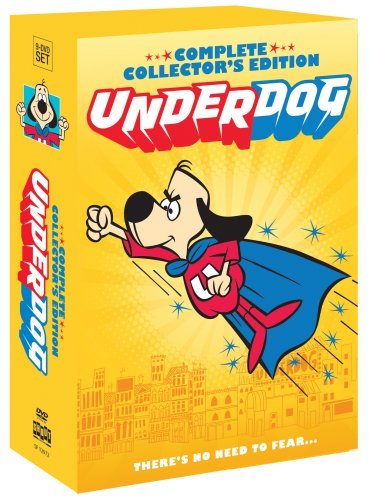
"There's no need to fear. Underdog is here!"

Indeed, Underdog was the champion of many a child's fantasies in the 1960's when it first reached the airwaves. The show would become the most famous title from the team at Total Television Productions who also brought us the likes of Tennessee Tuxedo and his many friend.

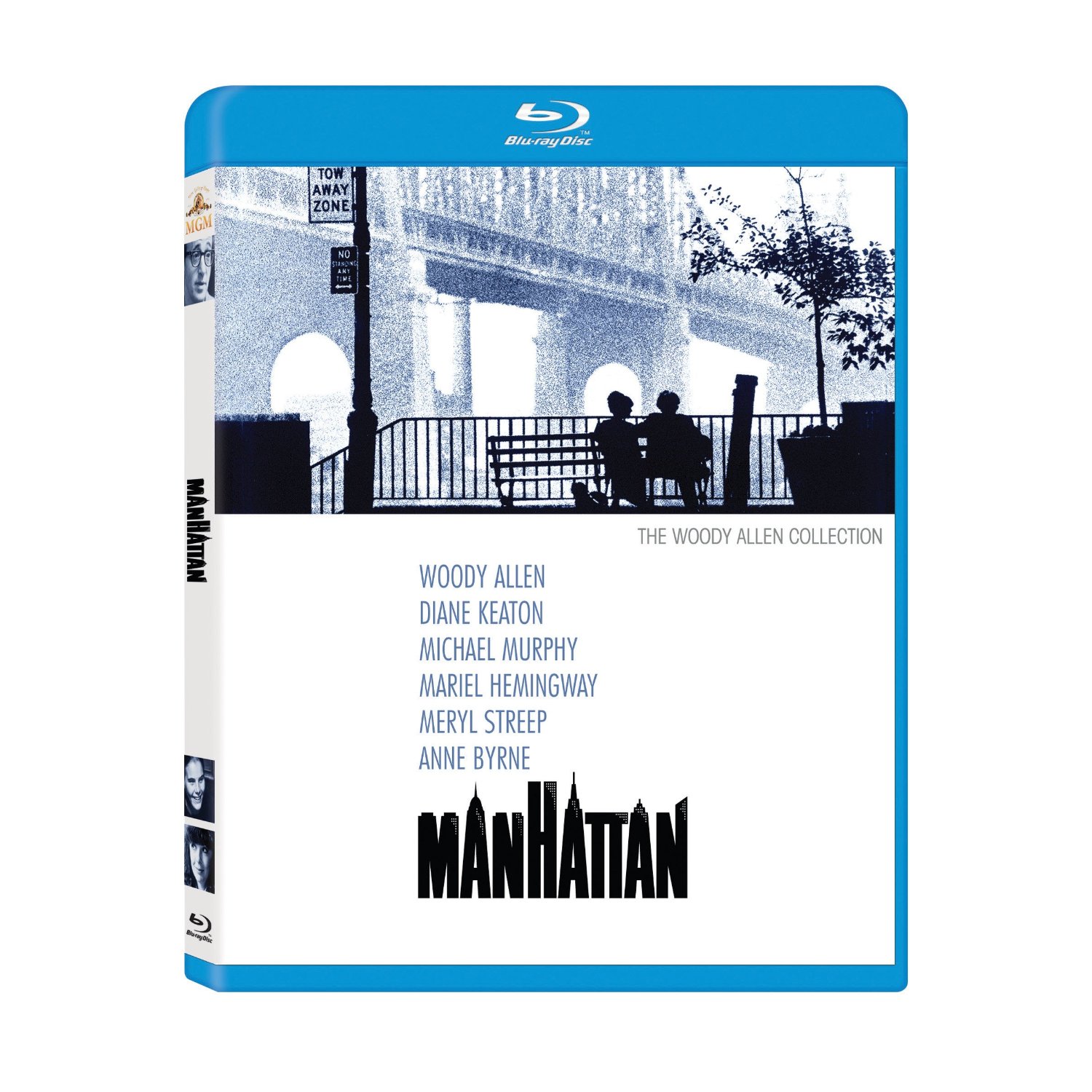
It followed Annie Hall by two years, once again reshaping the mass market’s notion of serio-comic romance. With its bittersweet plotting and cynical one-liners, Woody Allen’s Manhattan was an even bigger commercial success than its Oscar-winning predecessor. Its current incarnation on Blu-Ray offers the best chance yet to revisit its eccentric brilliance.

With spectacular picture-postcard compositions (shot by the great Gordon Willis),  spine-tingling George Gershwin orchestrations, and a plot line that would freak out most parents with teenagers, Manhattan is as unlikely a hit as any Allen work. Indeed, the filmmaker himself was reportedly unhappy with the final product. We have no idea why, and you won’t get any hints on the new disc. As usual with the Wood-man’s videos, there are no extras beyond a theatrical trailer. So the film must speak for itself, and it does so most eloquently.