Classic

Athena here. That’s right, I’m the Siberian Husky that kind of runs things here at Gino’s house. Since I did such a great job doing the review on Snow Dogs, I decided to step in when I saw Gino watching yet another dog film. This time it was Walt Disney’s classic 101 Dalmatians. Naturally the film would have been better if it had been called 101 Siberian Huskies, but unfortunately the film was based on a popular children’s book by Dodie Smith who happened to have Dalmatians herself, so let’s not blame her; she didn’t know any better. Walt Disney himself discovered the story and took a personal interest in having it made into an animated film. 

I’ve gotten to see a lot of these Disney classics, and the first thing that I noticed is the film was made in a dramatically different style than the previous Disney projects. The studio decided to abandon its smooth animation with fluid motion in exchange for a far more art-deco look. I don’t know about you humans, but this movie was a little harder on this doggie’s eyeballs. Lines jitter and move in such a way that there is always movement even if everything is standing still. You have to understand that this was not a studio getting cheap or failing in its own quality control. The animation style was a conscious choice by production head Bill Peet. Walt himself was publicly dissatisfied with the style. He was far more attached to the very fluid style his studio had become known for. The look had much to do with a new Xerox process that allowed the original artist drawings to, for the first time, be transferred directly to the transparent cel. This, of course, put a lot of artists out of work who used to do those transfers. The cruder character design was offset by a far more detailed background design. Using actual photographic plates of London locations, the animators created visually detailed backgrounds for the film. The movie is front-loaded with the credits in some clever dog-spot animation. It takes nearly four minutes to get to the story. Your human puppies might get a little impatient. By the way, look for Dodie Smith’s small credit size. It was the only thing she complained about in the film of her book.

By John Delia

Most every child knows the story of Disney’s Sleeping Beauty from early video, books and DVD.  Unless you went to see the movie at a theater back in the 1959, however, you probably saw a version that was not crisp and colorful. Finally, after what seems forever, the family animated fantasy has been Blu-ray remastered and digitally restored in super widescreen. The Blu-ray, DVD and Digital HD have new bonus features and include the DVD release’s special extras as well.

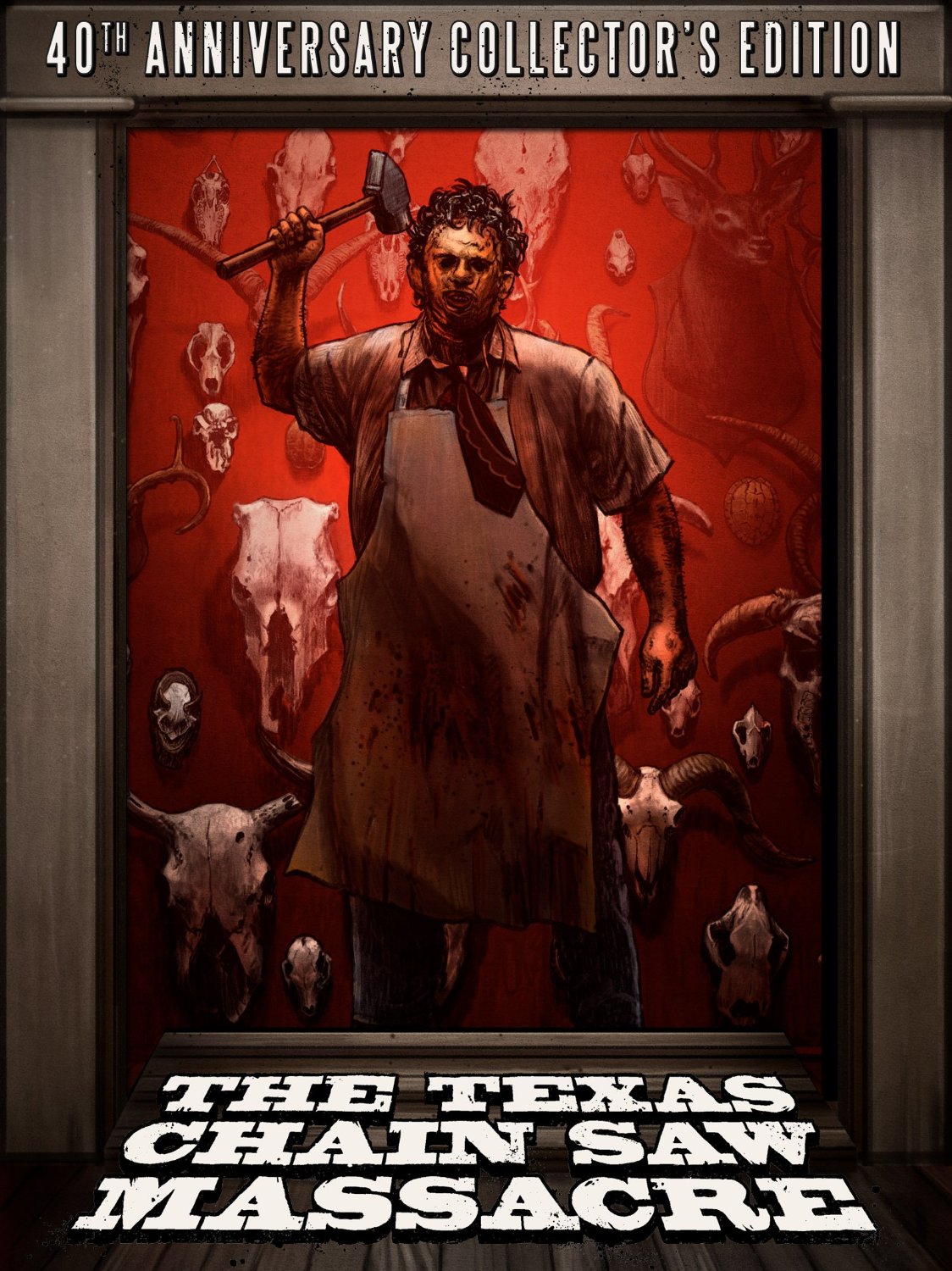
"The film which you are about to see is an account of the tragedy which befell a group of five youths, in particular Sally Hardesty and her invalid brother, Franklin. It is all the more tragic in that they were young. But, had they lived very, very long lives, they could not have expected nor would they have wished to see as much of the mad and macabre as they were to see that day. For them an idyllic summer afternoon drive became a nightmare. The events of that day were to lead to the discovery of one of the most bizarre crimes in the annals of American history, The Texas Chain Saw Massacre."

Marilyn Burns, Paul Partain, Allen Danziger, Teri McMinn, William Vail and Gunnar Hansen individually may not be that well known. Collectively, many people might confuse them with some group of lawyers or something. But film history has afforded them a higher place in memory past their initial endeavors. You see, back during the middle of a particularly oppressive heat wave in 1973 Texas, this group, directed by a then-fledging auteur in Tobe Hooper, combined to make what is widely regarded as one of the best films in horror movie fame, The Texas Chain Saw Massacre.

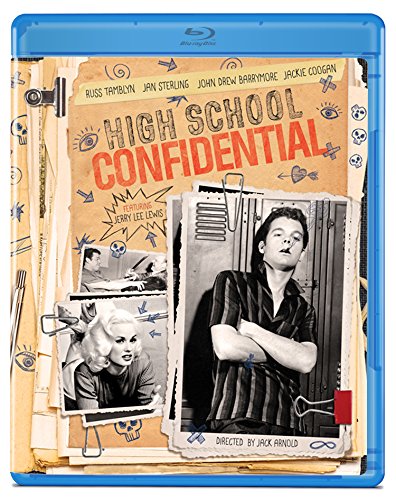
“You have just seen an authentic disclosure of conditions which unfortunately exist in some of our high schools today. The job of policemen will not be finished until this insidious menace to the schools of our country is exposed and destroyed.”

“Authentic” is probably a stretch, but High School Confidential! is certainly fascinating for a variety of reasons. Every generation has an alleged scourge that invades high schools and threatens to rip apart the very fabric of society. (Cue masterpiece eye roll.) In 1958, that menace went by the name “Mary Jane.”

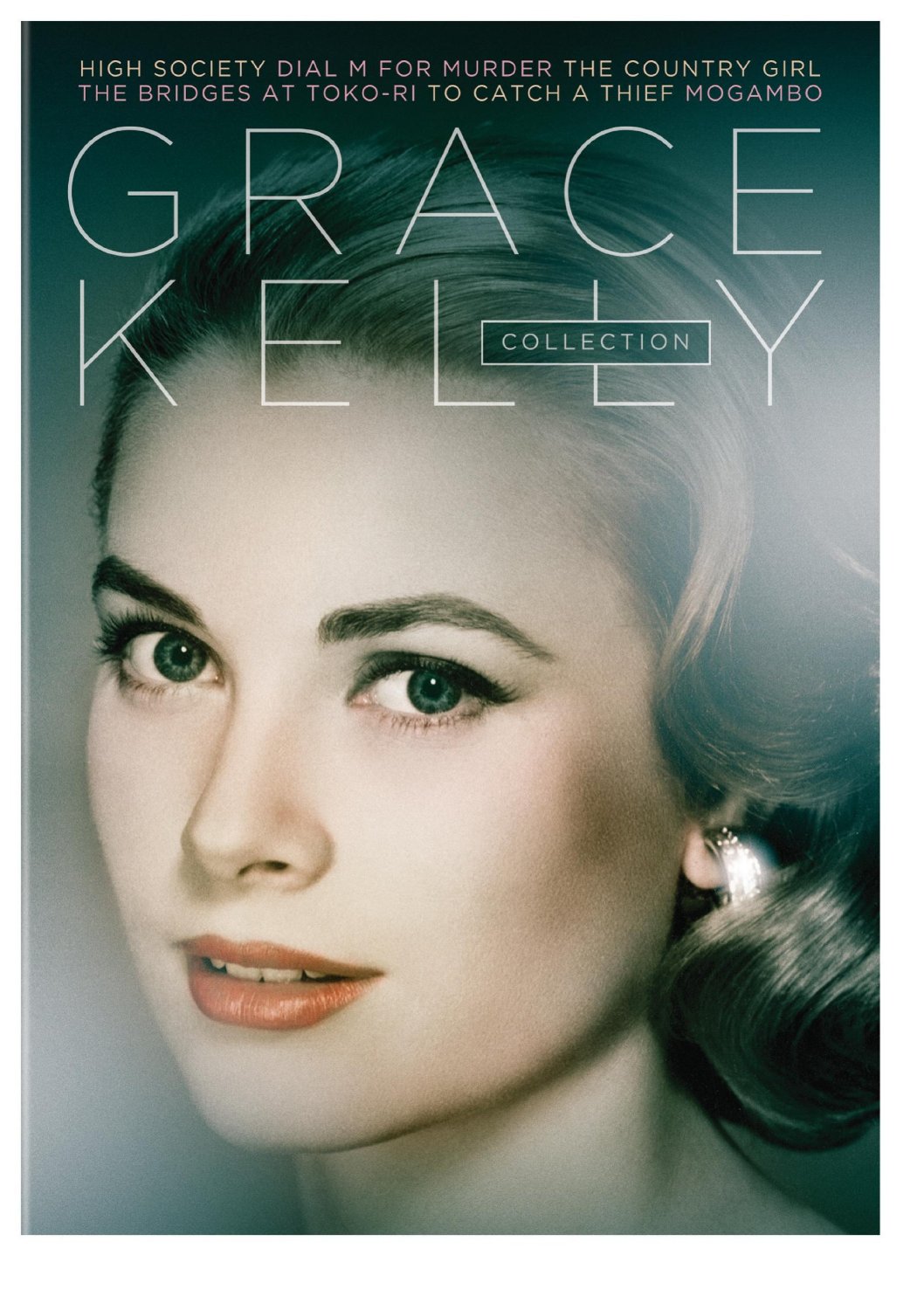
“Few screenwriters could’ve invented the story of Grace Kelly.”

I don’t think it’s a stretch to say there’s never been a movie star quite like Grace Kelly. Within the space of just 11 films, the actress won an Oscar and starred in a handful of bona fide classics on her way to becoming Hollywood royalty. Of course, the reason Kelly made less than a dozen films and retired from acting at the ripe old age of 26 is because she became *actual* royalty after marrying Prince Rainier III of Monaco.

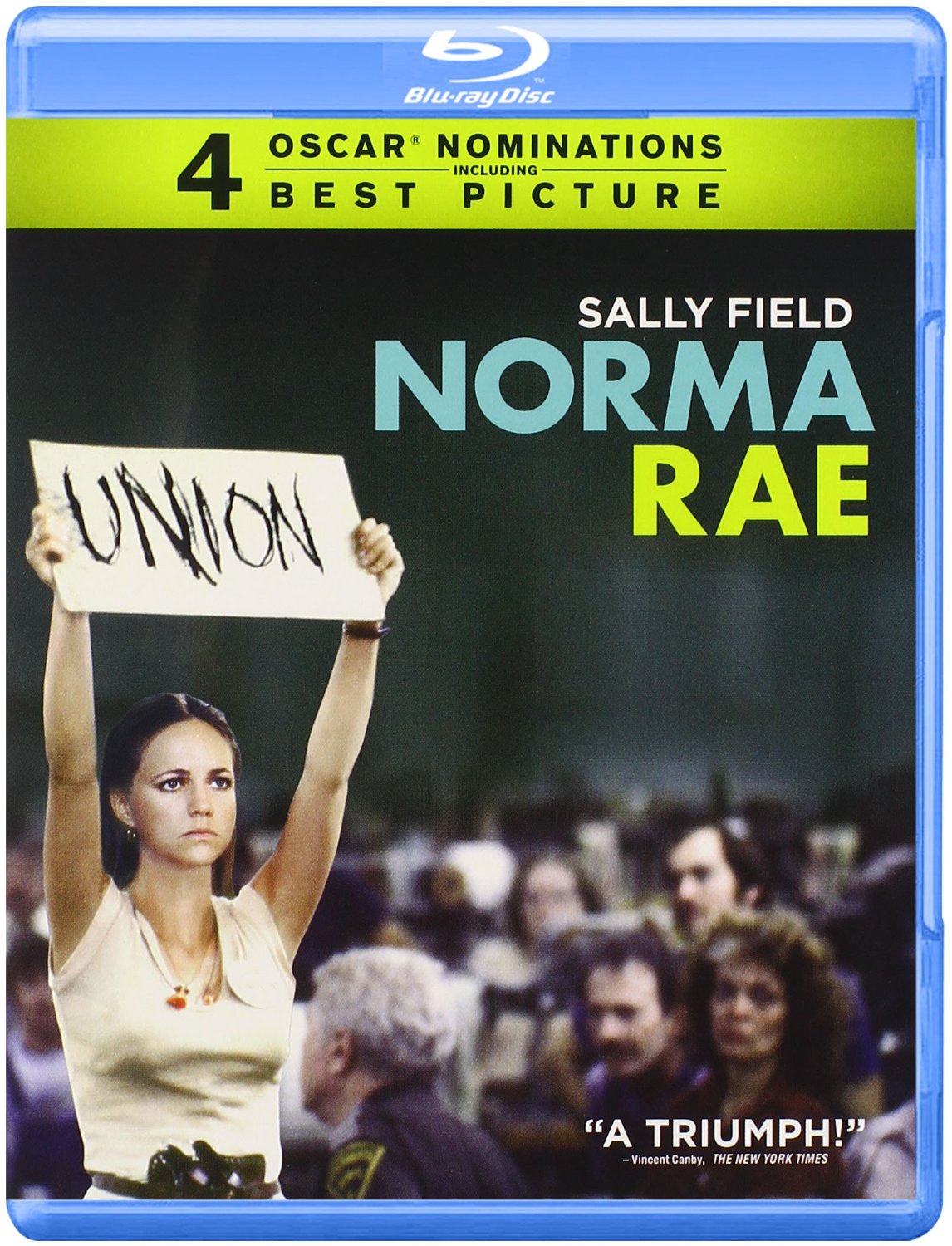
“I’m Norma Rae. You know me.”

Chances are you’ve at least heard of Norma Rae, even if you haven’t actually seen the Oscar-winning film that bears her name. You might know it as the granddaddymomma of underdog stories centered on feisty female crusaders; Norma Rae begat Silkwood, Erin Brockovich, North Country and others. Or you might know it as the movie that made Sally Field a serious movie star, although it’d be another five years until she really believed that people liked her. But if you’ve neither seen nor heard of Norma Rae, now’s as good a chance as any to get acquainted: Fox is celebrating its 35th anniversary by debuting the film on Blu-ray.

“The Sistine Chapel. The masterpiece of a sculptor who did not want to paint.”

Remember when Michael Jordan quit basketball, tried his hand at baseball, and then returned to the NBA less than two years later? Well, imagine if Jordan had actually made it to the majors with the Chicago White Sox and put up a .375/50 HR/50 SB mark on his way to winning the American League Rookie of the Year/MVP awards, along with a World Series ring. The artistic equivalent of that was Michelangelo — one of the most significant figures of the Italian Renaissance, but a sculptor by trade — painting the frescoes on the ceiling of the Sistine Chapel.

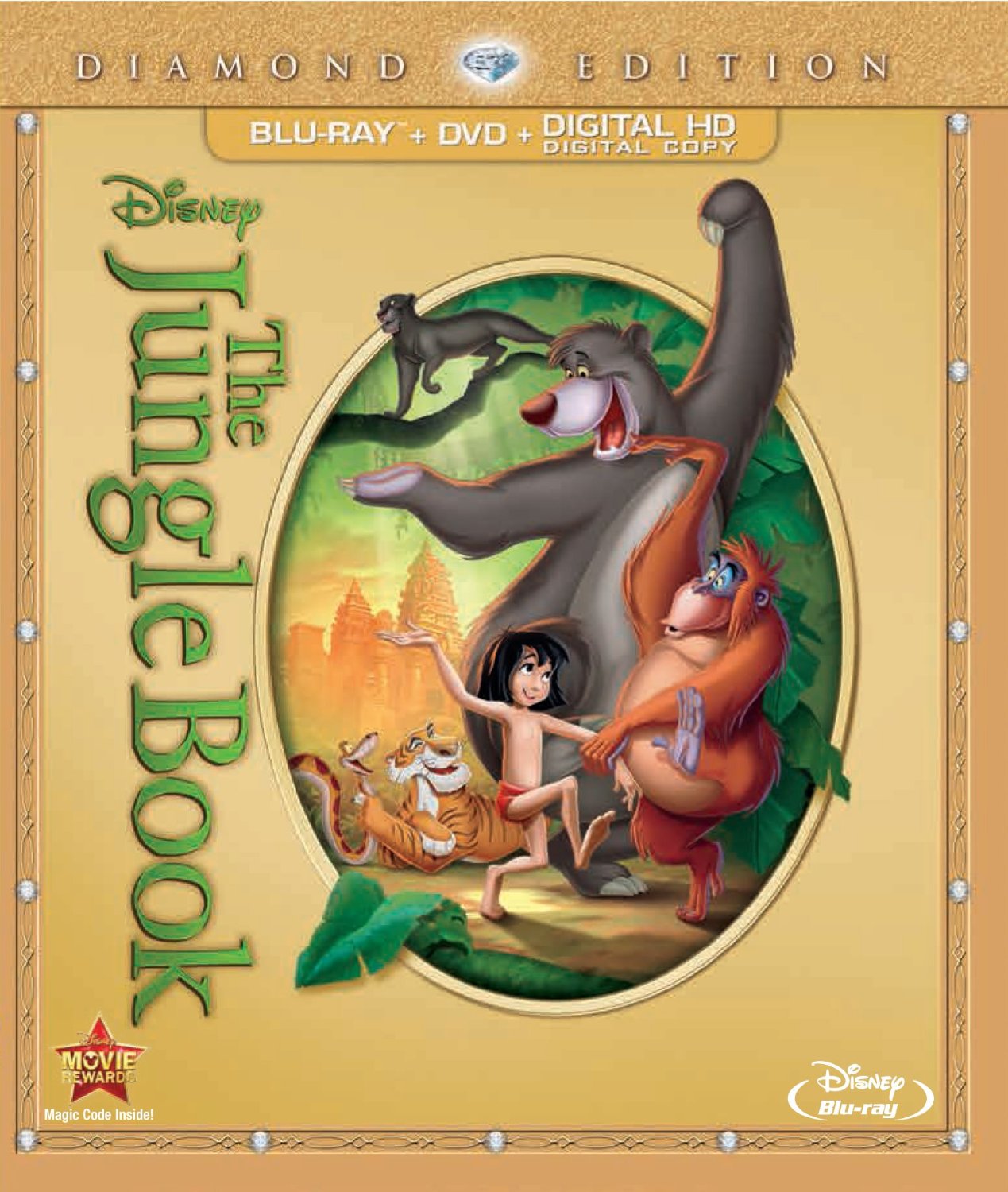
There are two very distinctive schools of thought about Walt Disney’s The Jungle Book. There are the Kipling fanatics who have never forgiven Disney for taking a story considered sacred in literary circles and creating something that honestly bears (pardon the pun) little resemblance to the original work. These folks rightfully point out that the story contains almost nothing recognizable about the story and characters from Kipling’s beloved classic. I have often condemned projects that take names like The Night Stalker and Battlestar Galactica and create a vision incompatible with the traditions I associate with them. Therefore this review might seem a bit hypocritical when I tell you I side with the other camp that considers this film to be a milestone, not only in Disney animation, but in animation history itself. The characters might be distantly removed remote ancestors to Kipling’s creatures, but they are truly classic creations in their own right. What better definition of a classic can there be than the influence that The Jungle Book still has 40 years later, not only on our pop culture but on the careers and lives of today’s artists. I venture to say that more people are familiar with Disney’s renderings of these characters than Kipling’s; I agree the caparison isn’t exactly fair, but it is accurate.

So why do I think this isn’t the same as the “reimaginings” I’ve condemned in these very pages?  I begin by pointing out that we’re talking about a film that has stood the test of time, perhaps enduring beyond its own roots. The second is the fact that this version is not the same medium as its original. When ABC aired The Night Stalker, it was reinventing its original in the same medium, that of a television series. Disney’s The Jungle Book is an animated film whose audience is nothing like that intended for the stories. This distinction was not lost on Walt Disney himself, who lost a close friend and colleague over his decision to create this vision of The Jungle Book. Long-time “go to” man Bill Peet had originally developed the Kipling story for Disney. He kept quite close to the source material and submitted storyboards that told a decidedly darker story with far more dire consequences and darker characters. The impasse led to his leaving Disney Studios forever. As Peter Jackson discovered, film is a far different presentation than the written word, and what works for one does not often translate verbatim to the other. Ask anyone who’s ever tried to develop a Stephen King novel. Walt Disney was attempting to deliver a children’s film that the whole family could enjoy. He rightly deduced that the compelling tale Kipling intended simply wouldn’t translate into the kind of adventure Disney fans were already expecting by 1966. Instead, Disney ordered his staff to avoid reading Kipling and concentrate on delivering characters that the entire family could enjoy. The result is, simply put, unforgettable.

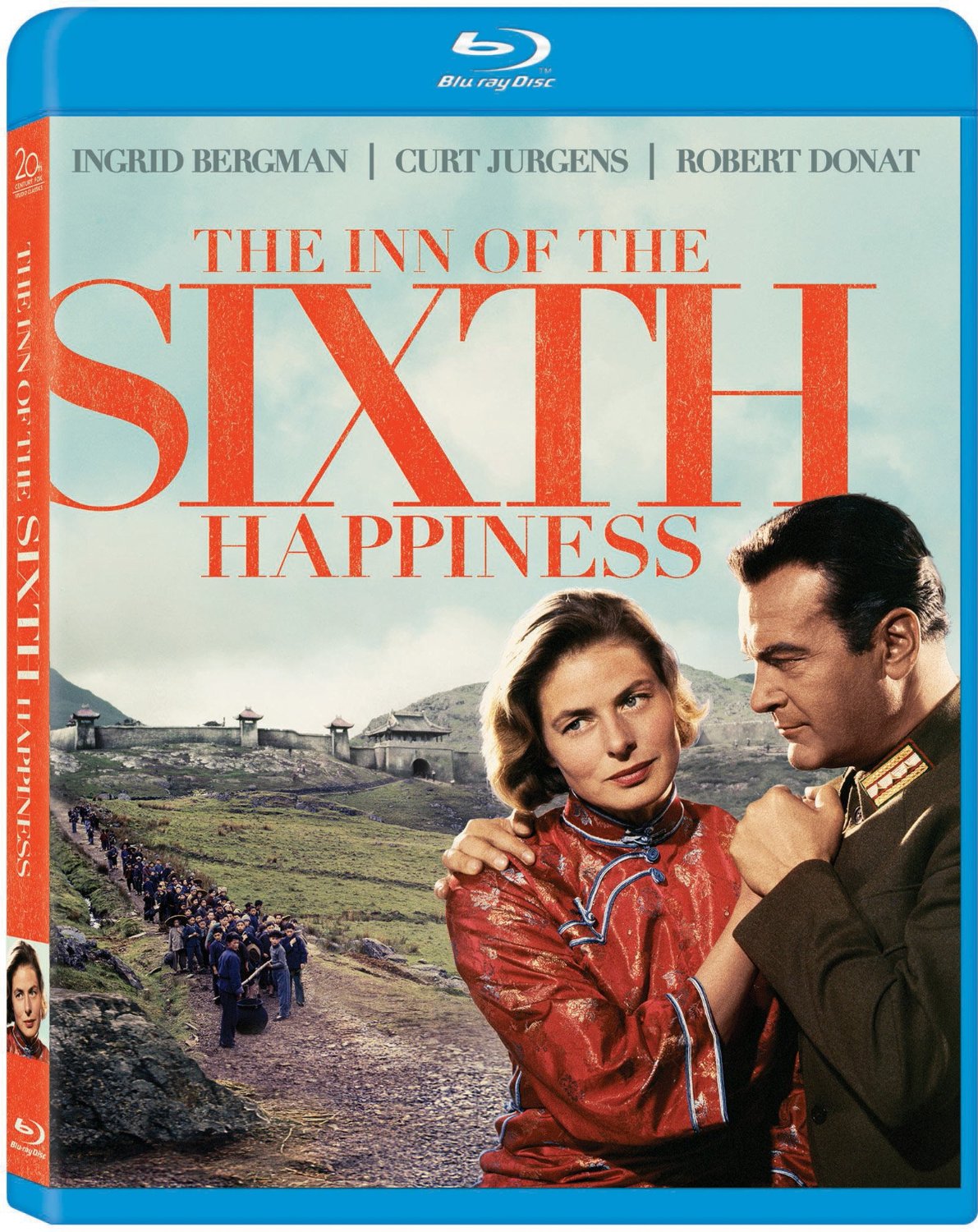
You have to interfere in what is wrong to make it right.”

When a movie is described as a “timeless classic,” the implication is the film contains a level of artistic merit and cross-generational appeal that has made it relevant decades after its release, and will make it watchable decades from now. The flip side is the type of film that is very much of the time it was created. Despite what ought to be a universal message about caring for one another, The Inn of the Sixth Happiness — making a welcome debut on Blu-ray as part of the Fox Studio Classics series — belongs in the latter category.

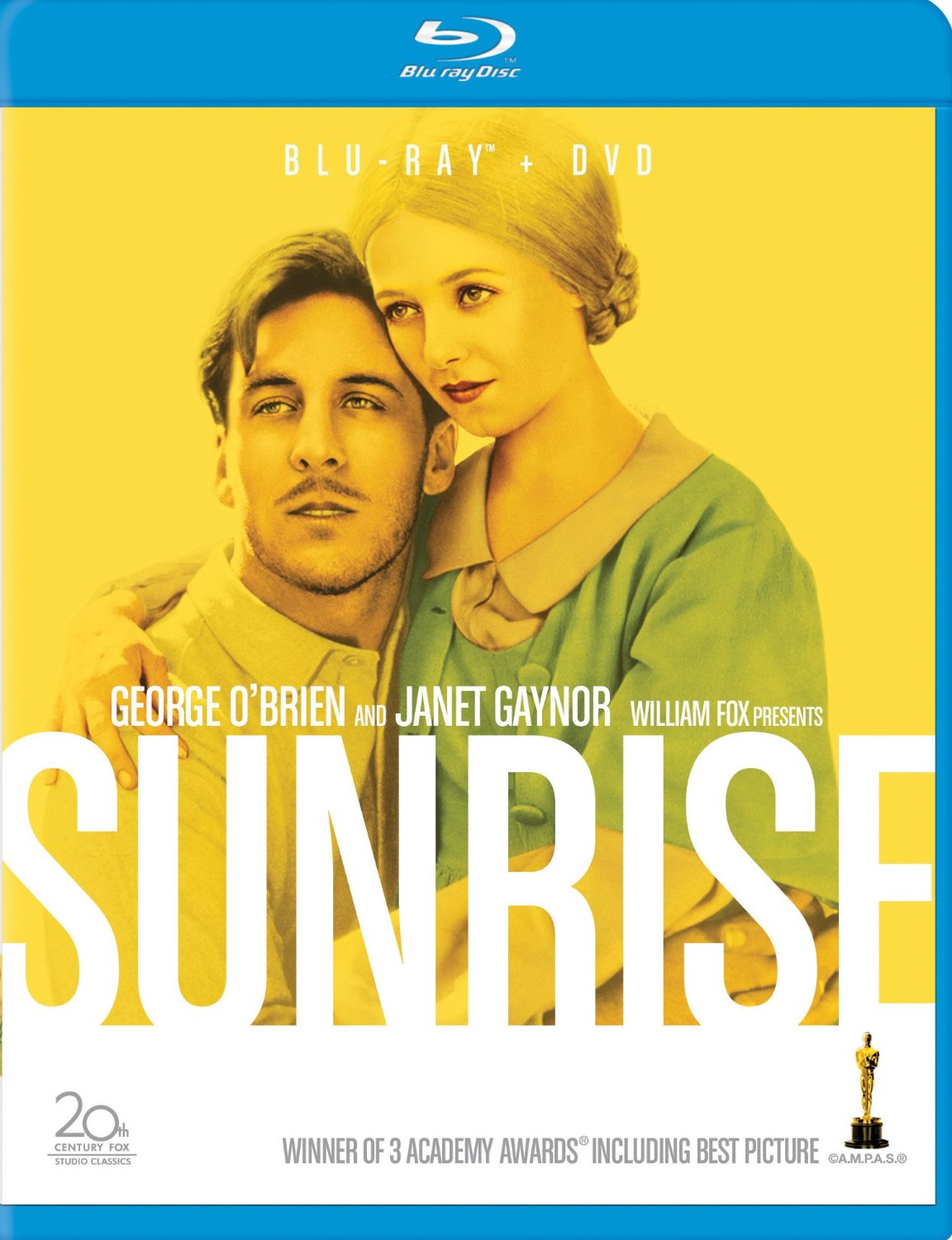
This song of the Man and his Wife is of no place; you might hear it anywhere at any time.”

The aching simplicity of the story in Sunrise is the reason the silent film remains thoroughly watchable almost 90 years after its release. It’s also why the movie will remain thoroughly watchable another 90 years from now. Then again, the reason F.W. Murnau’s 1927 effort goes beyond simply remaining watchable — and enters masterpiece territory — has less to do with what the story is and much more to do with how it’s told.