Horror

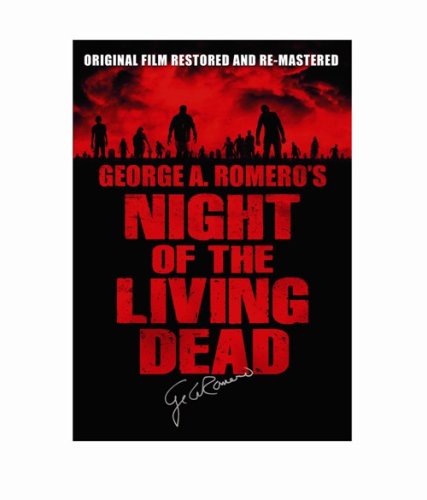
Some years back, I reviewed Elite's Millennium Edition of the NOTLD. That was certainly the most definitive edition at that time. So now we have another deluxe edition. How does it stack up? Before we get to that, a few (largely unnecessary) words about the film. There's a blurb on the box that calls this “the most influential horror film since Psycho,” and there is a great deal of truth to that. As has been pointed out before, the film single-handedly transformed the mythology of the zombie, changing the monster from mindless slave to flesh-eating ghoul. I can't think of any other instance where a mythology was changed so completely and with such finality.

It’s ironic that 28 Days Later and the Dawn of the Dead remake (which was originally a George Romero film), have jump-started Romero’s long-running “Dead” series that started in 1968 with Night of the Living Dead.

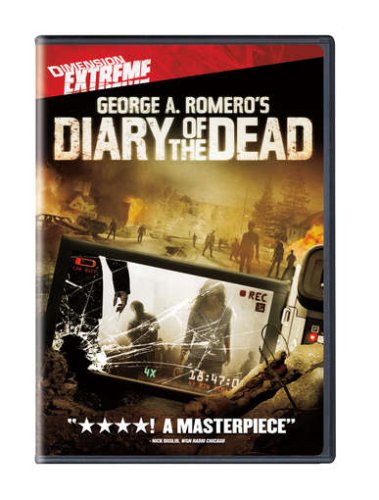
Since 28 Days Later and the Dawn remake were released, Romero has released two new installments: Land of the Dead in 2005, and now Diary of the Dead in 2007.

It’s also quite ironic, and perhaps a little sad, that 28 Days Later and even the Dawn of the Dead remake were better movies than any of Romero’s “Dead” films since the original Dawn of the Dead was released in 1978. But with Diary of the Dead, Romero clearly isn’t putting this series to bed any time soon. And according to IMDb, a sequel to Diary of the Dead is on its way.

So, is Diary of the Dead any good?

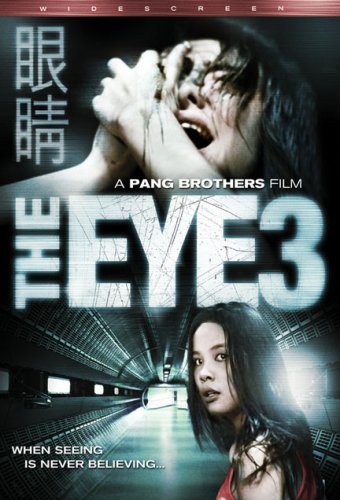
The Pang brothers return with one more instalment to their series of ghost tales. This one also goes under the title of The Eye 10 (and The Eye: Infinity), which is actually the more accurate nomenclature, given the sheer number of hauntings that are present here. A group of friends on vacation in Thailand regale each other with ghost stories. Their host then produces a book that lists the ten ways of seeing ghosts. The group, whose instinct for self-preservation could do with some strengthening, proceed to put the book to the test. They get far more than they bargained for.

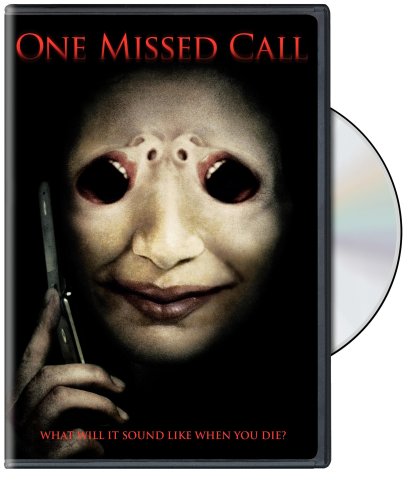
I’m going to admit right from the start, I hate cell phones. They’re evil, and I didn’t need a horror film to tell me about it. The world would be a safer and certainly a more courteous place without them. Just last week I was run of the highway by a Werner semi because the idiot driver was on his cell phone. So it didn’t come as any surprise that someone was bound to include them as part of a horror film.

A government project goes badly awry, as all government projects do, and, just as inevitably, a plague of zombies is loosed upon the local community. A group of high school students are the only ones able to mount any kind of defense against the flesh-eating ghouls. Sounds reasonable to me.

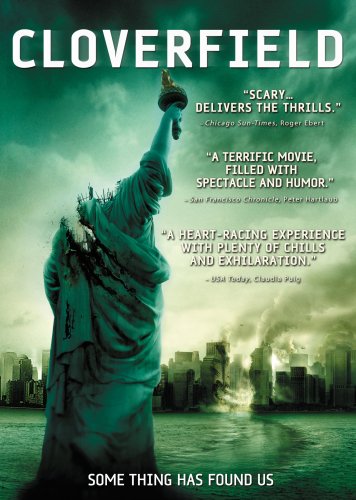
Does ultra realism make for a better movie? There have certainly been examples of startling realistic moments in cinema that have been quite effective, but mostly because they create an experience for us that actually reaches us in a way that we’ll never be able to forget. The storming of Normandy in Saving Private Ryan was one such incidence. Those of us who have never been to war walked away from that scene feeling like we’ve now experienced the closest thing possible without actually being there.

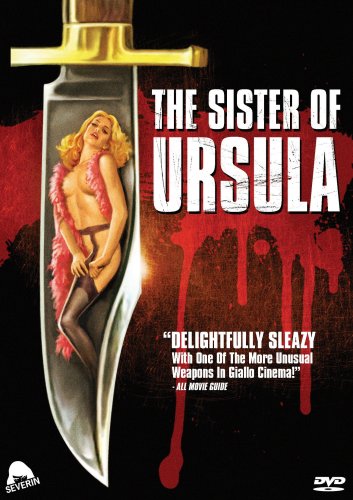
Still grieving over their father’s death, two sisters – the outgoing Dagmar (Stefania D’Amario) and the neurotic, antisocial Ursula (Barbara Magnolfi) – check into an out-of-season hotel. They are almost immediately immersed in a tangled web of relationships and betrayals involving the hotel manager, his estranged wife, a lounge singer and a drug-addicted patron. At the same time, a series of gruesome sex slayings gets underway.

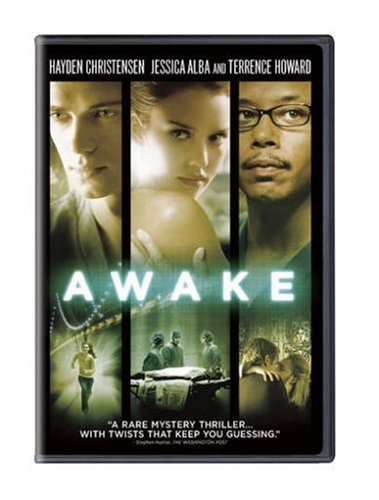
Anesthetic Awareness is a phenomenon where a surgical patient is completely aware and able to feel pain while under anesthesia. It occurs in about 5 out of every 1000 patients, with about half of those 5 aware enough to feel excruciating pain. Apparently the condition is not readily noticeable by the surgical team and is only discovered through recounts of the experience after the procedure. Patients are often able to tell doctors details of conversations they had while the patient was supposed to be completely out of it.

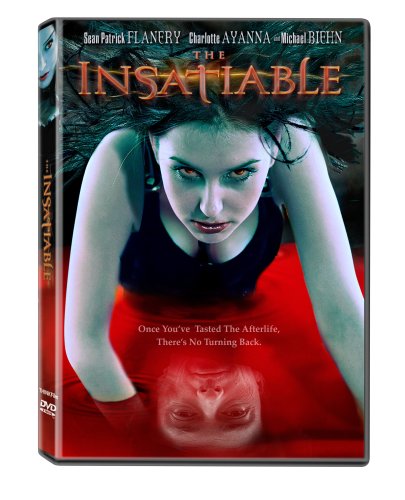
Sean Patrick Flanery is Harry Balbo, an introverted nobody at a nothing job where he constantly mocked by the unfunny office clown. One night, on his way home from the convenience store, he sees a female vampire rip off a homeless man's head. No one believes him, and his feelings move from frustration to terror when, a couple of nights later, he sees her at work again, and she scratches his face, marking him. He turns to crippled vampire investigator Michael Biehn for help, and eventually captures the vampire. Unable to bring himself to kill her, he is torn between sacrificing himself or others to her bloodlust.

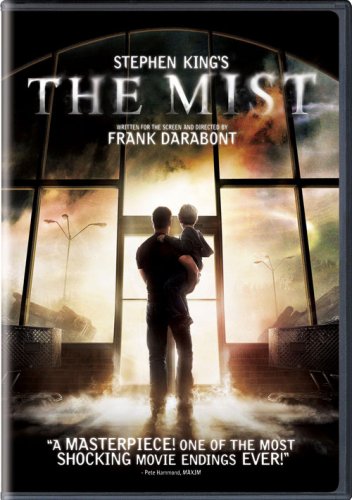
In The Mist, Frank Darabont returns to familiar territory, directing another movie based on a short story by Stephen King. Darabont struck gold in 1994 with The Shawshank Redemption and then came close to, but did not equal, that magic with 1999's The Green Mile.

Is the third time a charm for Darabont working with King material? The answer is a resounding "yes".

The Mist is near-perfect on every level.

Horror movie? Check.

Morality tale? Check.

Metaphor for today's world? Check.