1.33:1 Fullscreen

"Your mission, should you decide to accept it..."

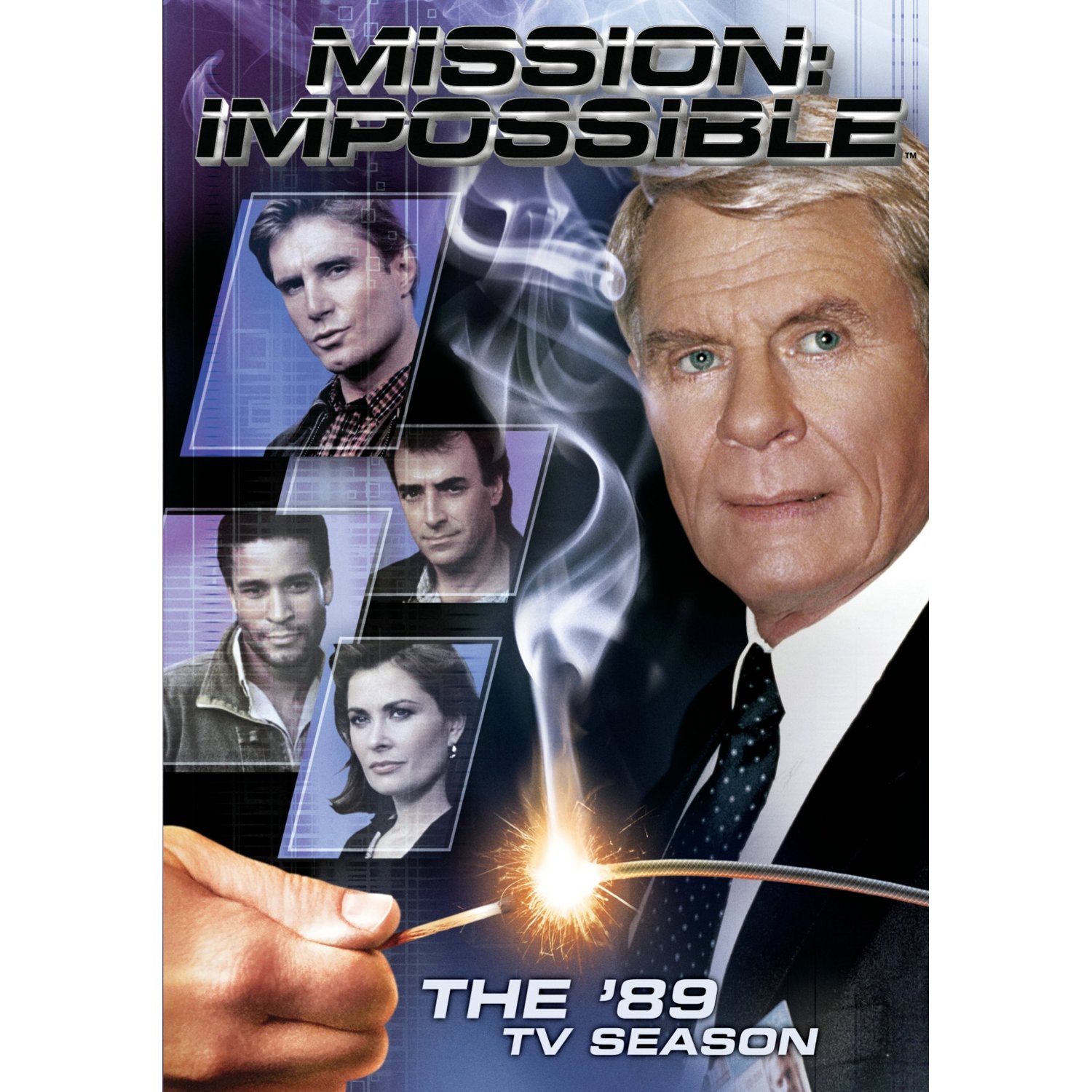
Those words have certainly been a part of the American pop culture for almost 50 years. It all started with the Desilu television series that hit the airwaves in 1966. That first year is probably unfamiliar to most of us. It was in black & white and starred Steven Hill as the leader of the Impossible Mission Force. A year later the show jumped to color and Peter Graves took over the team as the indomitable Jim Phelps. The show lasted a good seven seasons. The Impossible Mission Force was a black-ops team that worked under the "secretary" who would disavow their mission should any of the team be caught or killed. The show had a pretty good run before ending in 1973. Gone, but never forgotten.

"There's no need to fear. Underdog is here!"

Indeed, Underdog was the champion of many a child's fantasies in the 1960's when it first reached the airwaves. The show would become the most famous title from the team at Total Television Productions who also brought us the likes of Tennessee Tuxedo and his many friend.

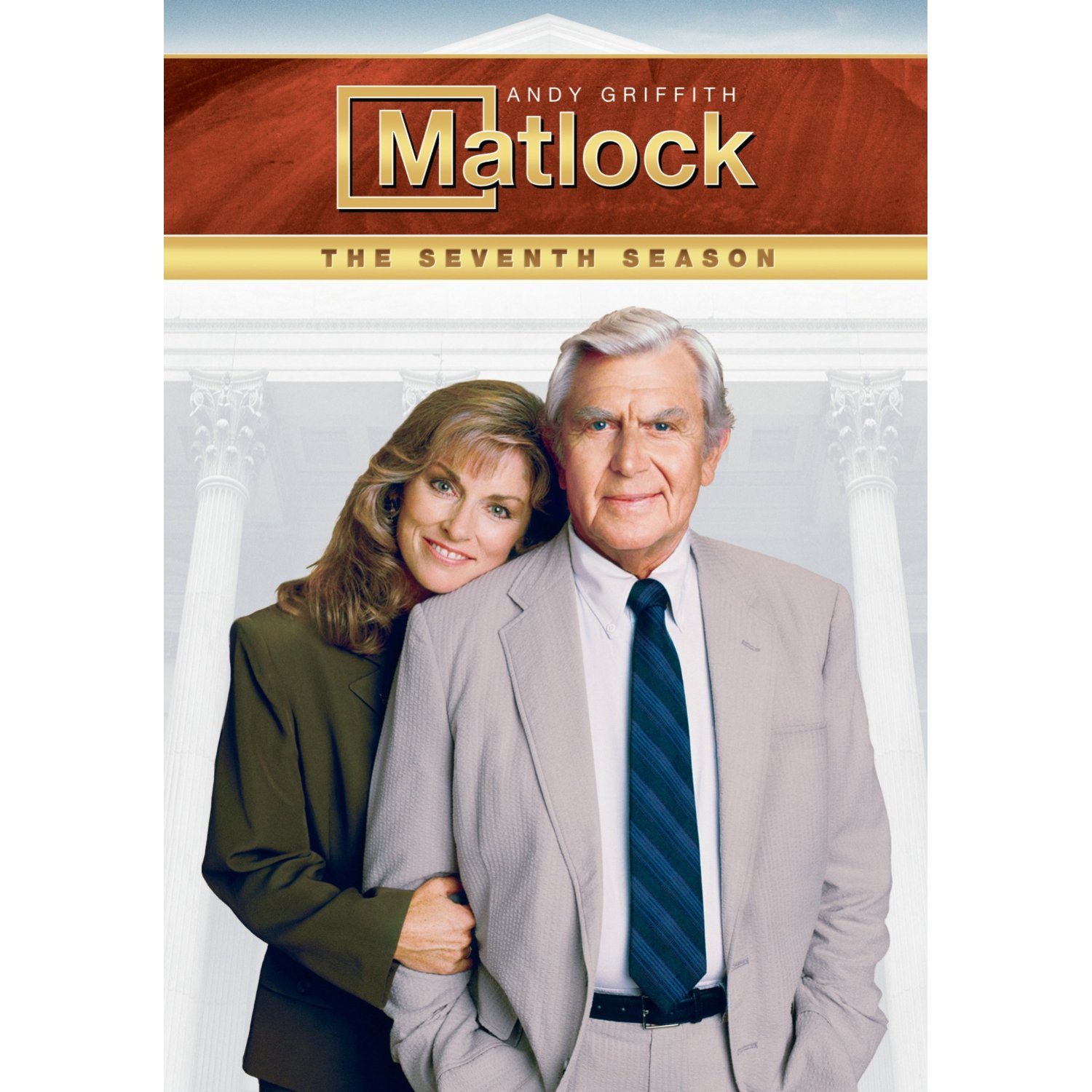
The seventh season of Matlock brought more of the same. If you’re a fan, that’s very good news indeed. What is that, you ask? Imagine Sheriff Andy Taylor older and now an attorney, and you pretty much have the setup for Matlock. Forget for a second that both characters were played by Andy Griffith. That’s not all they have in common. Matlock is every bit the “southern gentleman” that Taylor was. He might be a little smarter, but he walks and talks like Andy Taylor. The series did, however, jump networks with this season. After spending six seasons on NBC, the show moved to ABC with a couple of changes. Michelle, played by Nancy Stafford left the show as the 6th season was originally considered the series finale. As the 7th opens Matlock's older daughter Leanne enters the partnership, played by Brynn Thayer. Law graduate Cliff Lewis, played by Daniel Roebuck, also joins the firm as a new lawyer.

Matlock began life as a television movie from Dean Hargrove, who brought us Columbo. Hargrove would later work the same magic with Dick Van Dyke in Diagnosis Murder. In fact, the two shows could easily have been companion pieces. Both featured sit-com stars from the 1950’s and 60’s who had become somewhat iconic characters. Both would don the role of professionals. Both shows would subscribe to the “formula” mode of storytelling. Diary Of A Perfect Murder would set up the Matlock formula. It’s simple, really. Matlock was a lawyer in Atlanta. Some wronged defendant, usually charged with murder, would show up asking for Matlock’s help. Matlock and his team would investigate the crime with an eye toward, as OJ Simpson is fond of saying, finding the real killer.  His team consisted of his daughter Charlene, herself a competent lawyer, and Tyler Hudson (Holliday), his private investigator. In the pilot the Matlock character was less Andy Taylor and a little more slick at first. I’m sure that while it was intended to show Matlock’s prowess as a high-priced attorney, somewhere along the line it became obvious that the show’s finest asset was Griffith himself and that southern charm he was already famous for. Whatever the reason, you can see the character soften significantly during the early episodes of the season. And that decision was a smart one, as Matlock would continue for nearly a decade.

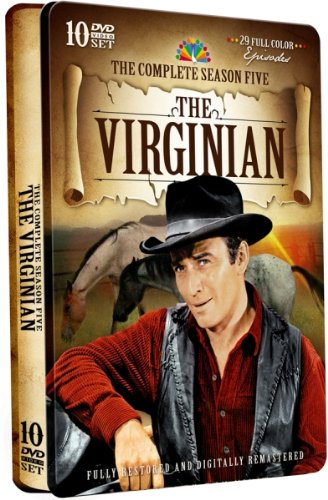
There were a ton of changes in the 5th season. There would be a rather large cast shake-up. Lee Cobb and Roberta Shore were now completely gone. It was only a matter of time for Cobb, who was never really happy doing the show but never let it get in the way of his performance or attitude toward the rest of the cast and crew. Enter Charles Bickford in his only season as the Granger family head, John. He brings his grandchildren Elizabeth, played by Sara Lane, and Stacy, played by Don Quine.

The Virginian set itself apart from the others in two ways. The first was found in the source material. The series was based on a 1902 novel by Owen Winsler, a man who actually lived in the Wyoming badlands during the time the series was set. The source material helps to add a sense of authenticity that might well have been a slight step ahead of the rest. It wasn't as violent as the others, again reflecting a more realistic sense of direction.

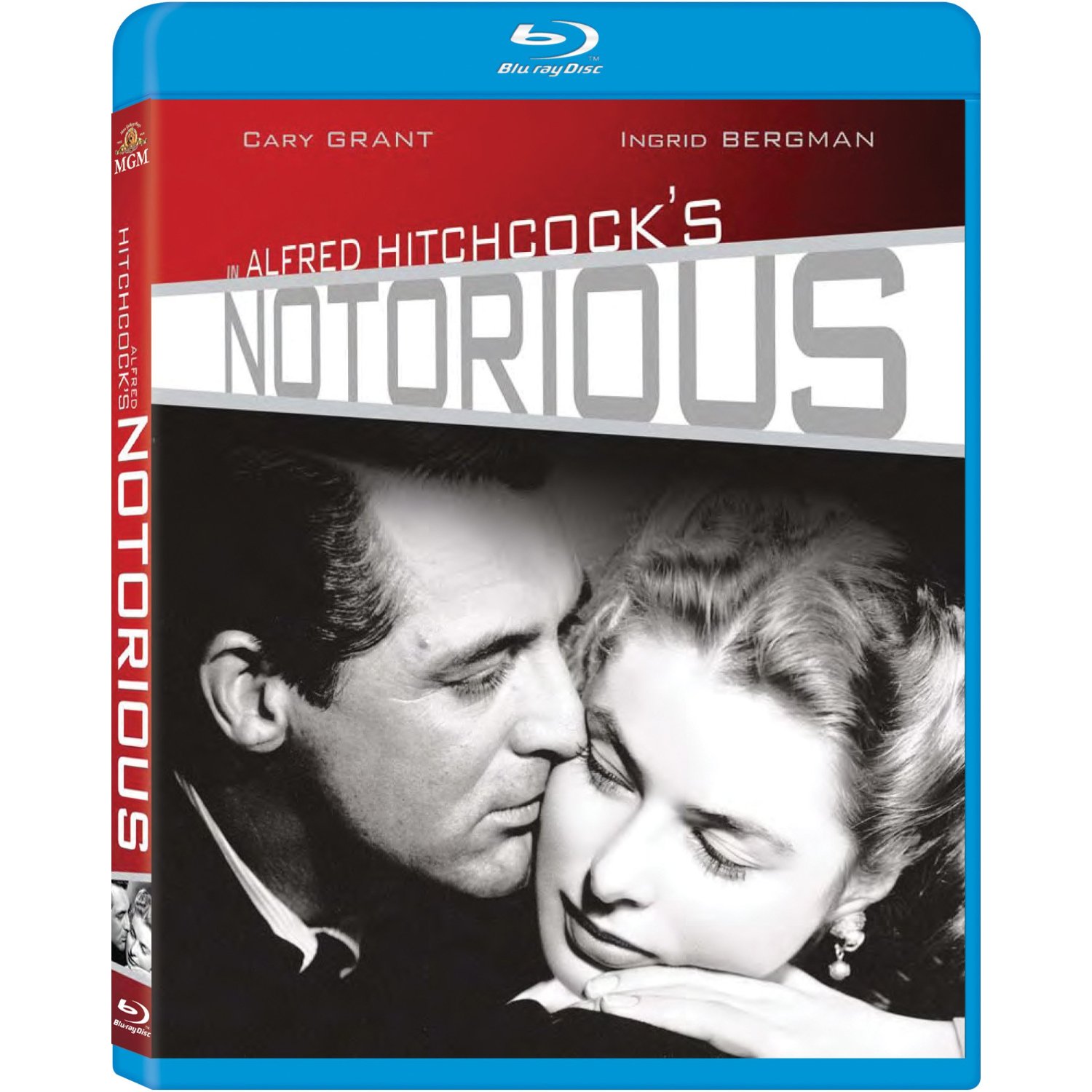
"Gentlemen, I assure you she's the perfect type for the job. She's good at making friends with gentlemen, and we want somebody inside his house who has his confidence."

Say what you will about Alfred Hitchcock, but one thing he never lacked was confidence. Today filmmakers and film fans alike still worship at his altar. His church was the darkened neighborhood cinema, and no one held court better than the man fans affectionately refer to as Hitch. The flicker didn't come from candles as you might expect in such a place of worship. They emanated from the silver screen. He was canonized as the Master of Suspense, but Hitch was more than that, much more. He was actually quite a romantic at heart. Most of his films are romance stories. But Hitch placed these commonplace romances in uncommon environments. His lovers possessed all of the passion you would expect from a romance film, but their lives were usually in danger...and sometimes there were higher causes. Such is the case in Hitch's 1946 spy thriller Notorious.

Written by Brian Ludovico

To film fans, the clause “Directed by Alfred Hitchcock” has almost become an adjective in and of itself. It has come to mean suspense created by using the viewer’s imagination and mind as a part of the film, first and foremost. These films didn’t have the freedom of CG, and consequently had to invent ways to achieve visual effects (watch the documentary on Birds or Rear Window for example). Besides the lack of freedom of creation that digital filmmaking now provides, the filmmakers had to tip toe around the Hays code, not only restrictive on sex and sexual undertones, but also on content (as we learn in the featurettes here) and gore. The phrase, and the adjective that bears the director’s name, has grown to include a certain quality of characters and meticulous film crafting in every phase of the production. Rebecca, therefore, can rightfully be called “classic Hitchcock.”

The title of this documentary stems from the quote “In the end, the love you take is equal to the love you make." In this film, said “love” refers to the love and support Paul McCartney, and other major celebrities, give to New York in the immediate wake of 9/11. Starting from early rehearsals and finishing with McCartney's closing performance at the “Concert for New York” benefit, we watch one of the most famous people on the planet demonstrate his uncanny sense of humility and humanity as he proves he is a “man of the people.”

The camera is mostly candid as we witness McCartney not be able to walk a single foot on the streets of New York without getting endlessly mobbed by fans. It is refreshing to see that, whether surrounded by starry-eyed civilians or fellow celebrities, McCartney never loses his playful mien.

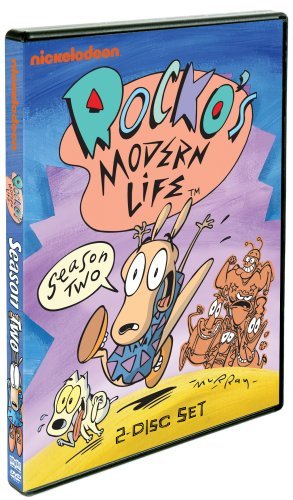
My wife Sarah is not a normal bird, I have deeply accepted this. To be honest, if she was anything resembling normal, I probably would not be madly in love with her. But with her quirky ways, I am to a point where I know her likes and dislikes. Every once in a while, she does throw me off, especially when it comes to which cartoons she likes to watch. One of her favorite cartoons that she likes to watch goes by the name of Rocko’s Modern Life. It just so happens that today’s review goes over the second season. Let us see what it has to offer.

Since this site was not able to review the first season (which is only eleven and a half bucks at Amazon currently), I figured I would go over the characters and the show’s premise before diving into a few episodes. There are basically 3 major characters, 2 large supporting characters and then a whole boatload of characters that show up here and there.

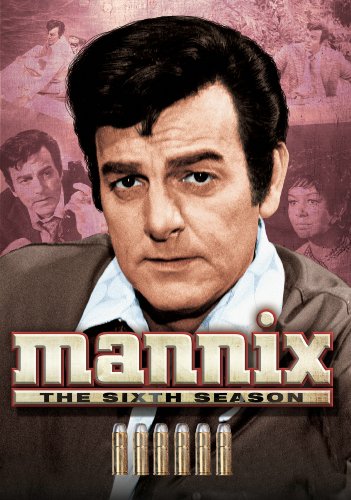
It sounds like nothing new. Hard-boiled detective uses computers and other forms of technology to solve cases. It isn’t anything new, except the detective in question is Joe Mannix, and the series started in 1967. The computer that Mannix used took up an entire room and was queried using cardboard punch cards. This wasn’t science fiction. We’re not talking some newly discovered Irwin Allen series. Mannix didn’t go after aliens or robots. This was a down-to-earth gritty detective show. Mike Connors played the tough-as-nails detective. He was perfect for the part and blended into the role seamlessly for eight years.

The show was created by the team of Link and Levinson, who later gave us the detective in the rumpled raincoat, Columbo. It was groundbreaking in so many areas. While it might not be remembered today as one of the top detective shows, there can be no argument about the impact Mannix had on the genre. A decade later one of my favorite television detectives, Jim Rockford, would borrow rather heavily from Mannix. Like Rockford, Mannix was getting beat up a lot. They both had the same sense of style, wearing rather ugly sport jackets. Neither was afraid to bend the rules, or the law, when necessary. Again like Rockford, Mannix often falls for the wrong girl at the wrong time. Mannix was good with a gun and equally adept with his fists. The show received a ton of controversy from the start for the amount of violence it employed. Tame by today’s standards, Mannix was quite aggressive for its time. The joke was that the show’s producers mandated a fight or car chase every 15 minutes whether it was needed or not. I’m sure that wasn’t true, but nonetheless the show opened the floodgates for the detective shows that followed. In this first season, Mannix worked for the enigmatic detective agency, Intertect. They supplied him with the latest in modern technology and with his cases. His main company contact was Lou Wickersham, played by Joseph Campanella. Now Mannix is on his own and begins to resemble more and more these detectives that would eventually follow in his tire tracks.

King Arthur and his Knights of the Round Table has always been an interesting subject for me to research and learn about. It is a story of chivalry, adventure, and fantasy. It has great characters and even though it is hard to pinpoint an actual person in history that this legend could be assigned to, nobody can neglect the impact it has had on English culture. The History Channel decided to give us a collection of specials on the subject entitled: King Arthur and Medieval Britain

There are five specials included in this 2 disc package. They are basically programs that aired on the History Channel or A&E from the last 15 years on the subject of either King Arthur or Britain during this time period. The time period they are discussing is primarily 5th-6th century A.D. and it spreads to roughly 12th century where a lot of this material was written down by various authors.