2:39:1 Widescreen

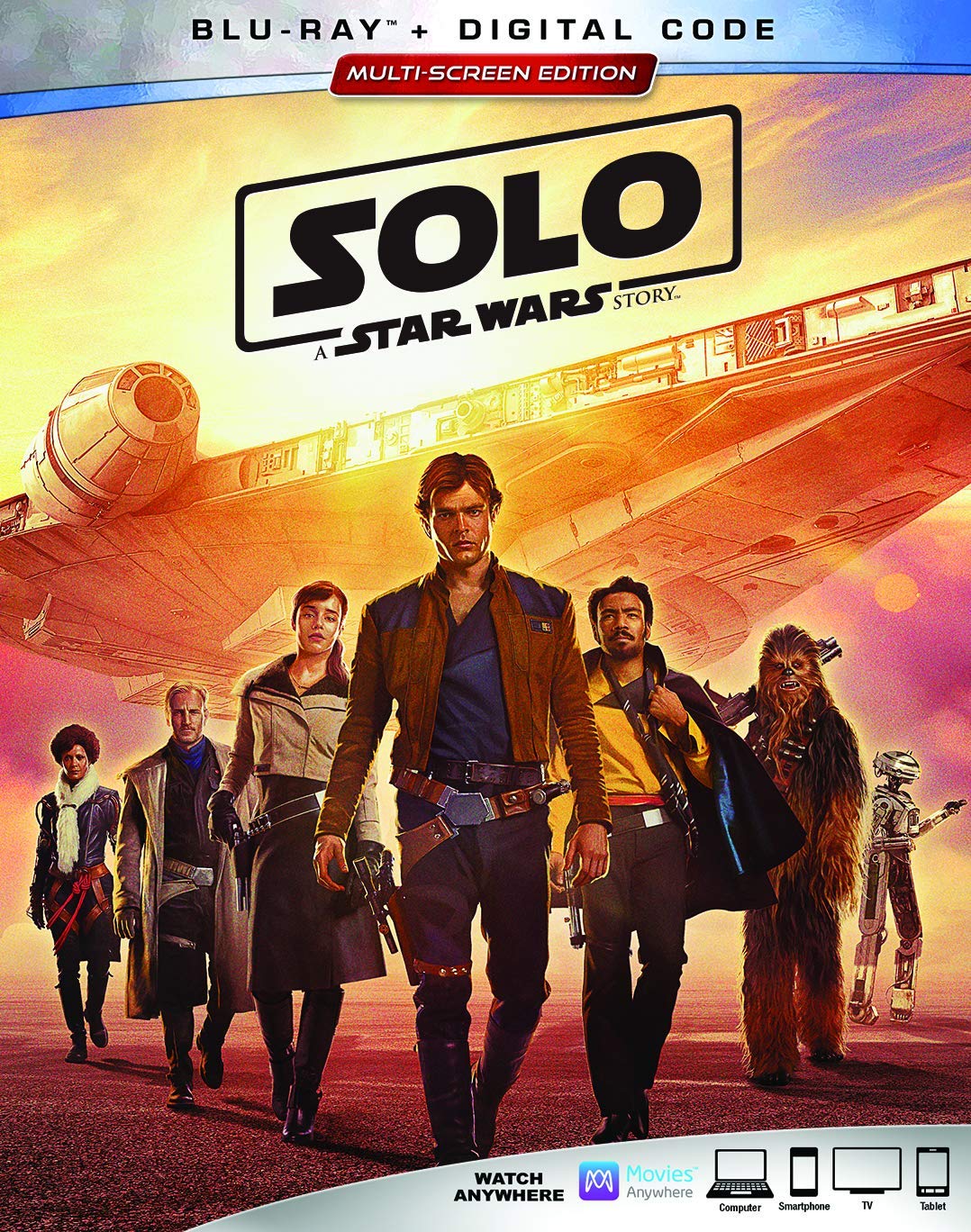
"A long time ago in a galaxy far far away..."

Yes, those lines open this Star Wars story, because the filmmakers want to be sure you know what you're watching. This is Star Wars. Just in case there was anyone at all in the audience who had no idea they just bought a ticket to Star Wars. If he were dead, George Lucas would be rolling over in his grave. Instead, maybe he's just having some restless nights with little sleep. It is Star Wars. And that means there will be a droid as a main character, space battles, and some good old fashioned one-reel-serial-days adventure. It's a heck of a visual amusement park ride, and the film will certainly entertain. But I have to open by saying it is my least favorite of the Disney Star Wars films to date.

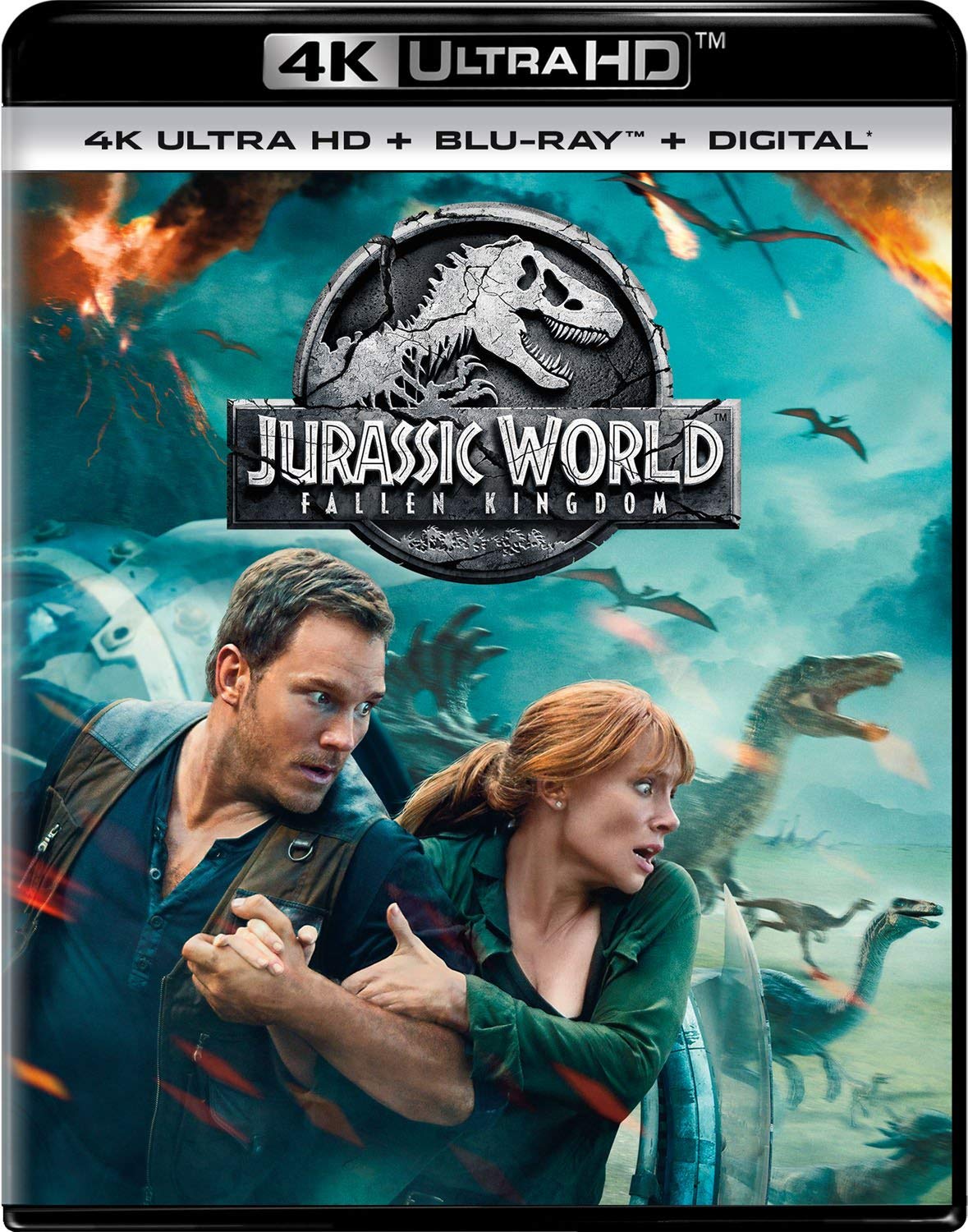
"Do you remember the first time you saw a dinosaur? The first time you see them, it's like a miracle. You read about them in books, you see the bones in museums, but you don't really believe it. They're like myths. And then you see the first one alive."

By the time you get to the fourth sequel of a film, the results are usually not very good. Even a groundbreaking film like Jurassic Park has been followed by at least one terrible sequel. The problem with these kinds of things is pretty easy to figure out. You can't please all of any film's diehard fans, and it's hard to continue to deliver on the formula's expectations, all the while breaking new ground without the result feeling more contrived than original. That's certainly all been true of this franchise. When Jurassic World set all kinds of box office records three years ago, it appeared that those entrusted with this franchise had found a way to turn it around. Now the expectations have jumped even higher. There appears no place to go but down, and for the first hour of Jurassic World: Fallen Kingdom, that's exactly what appears was going to happen. But then somewhere around the third act, the film took a turn that suddenly sent the franchise into an entirely new genre. The last third of Fallen Kingdom accomplishes something that should have always been where this whole ride headed. Fallen Kingdom is a rehash of the previous films in many ways. There are the iconic poses and the regurgitated scenes. But before the credits start to roll on this one, it becomes something terribly wonderful. It is genuinely scary. Now, certainly, the previous films had some scary moments. There was some of it in the first film's kitchen chase. But for all of its scares, it was really just more dinosaurs chasing people. Now don't get me wrong. I'm really cool with that, but been there, seen that. You see, Fallen Kingdom takes that fright to an entirely new level. Science fiction and horror haven't combined this well since Alien.

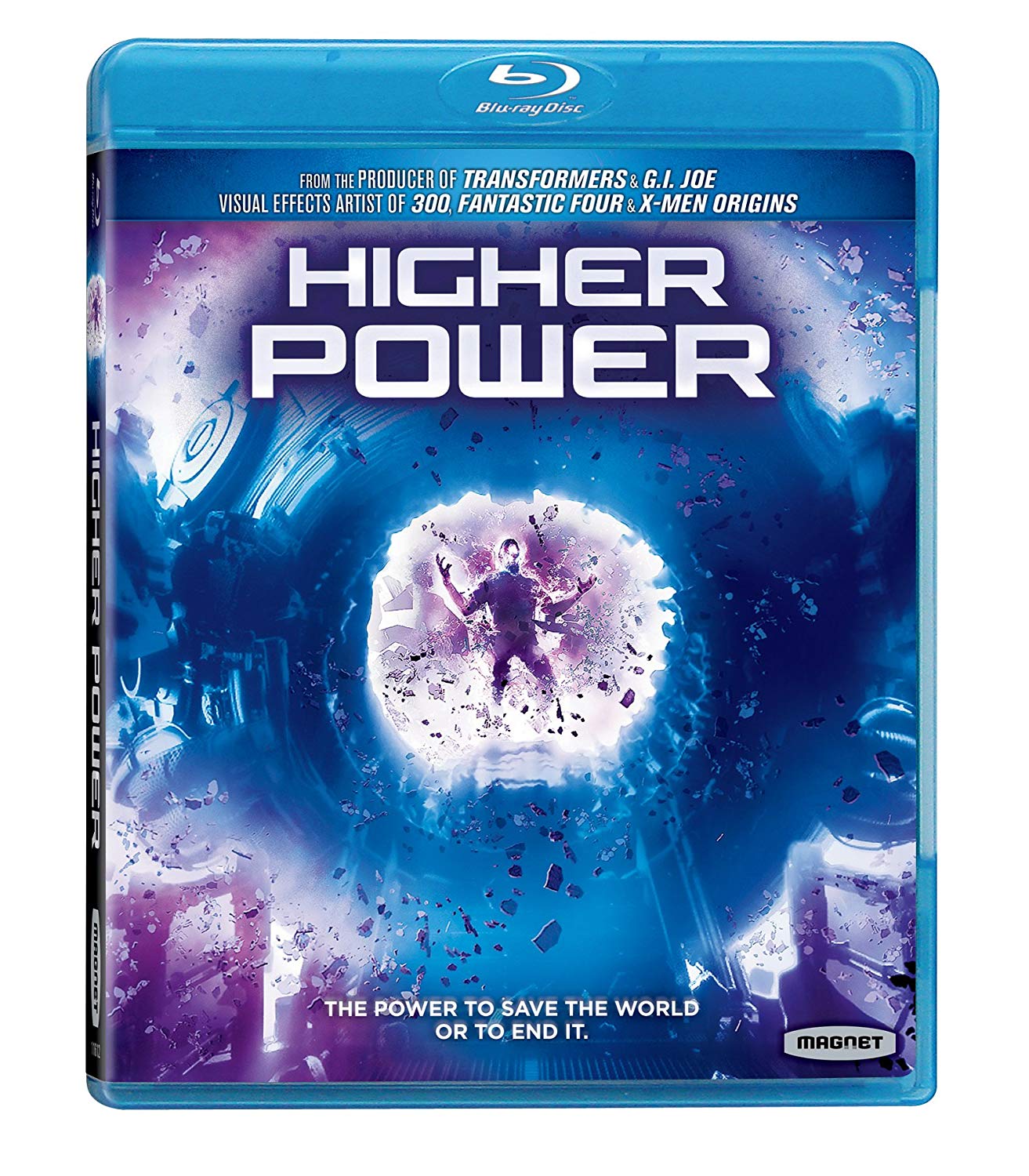
There is something about the notion of movie magic that I believe can grab hold of an audience member and pull them from their living room seat and into the story they are watching.  This movie magic seems to occur more often these days, as special effects seem to take leaps and bounds every year as new technology is created to dazzle us all.  Here’s the thing, though, sure, it’s great how we can now see lifelike 50-story monsters destroying cities, or how underwater worlds can exist, but none of it matters if the story or the characters are not relatable.  If the story isn’t there, then your big effects are nothing more than overpriced cartoons that will be forgotten by the time the audience has exited the theater.  When it comes to Higher Power, the best way to describe it is to use the overused expression, “all style and no substance.”

Co-writer and director, Matthew Charles Santoro comes from a special effects background, and you can tell he’s leaning heavily on his strengths with this film, and the result is a film that plays out more like a demo reel than an actual movie.  Sure, there is a cast of characters to move the story forward, but the problem is none of it makes any sense.

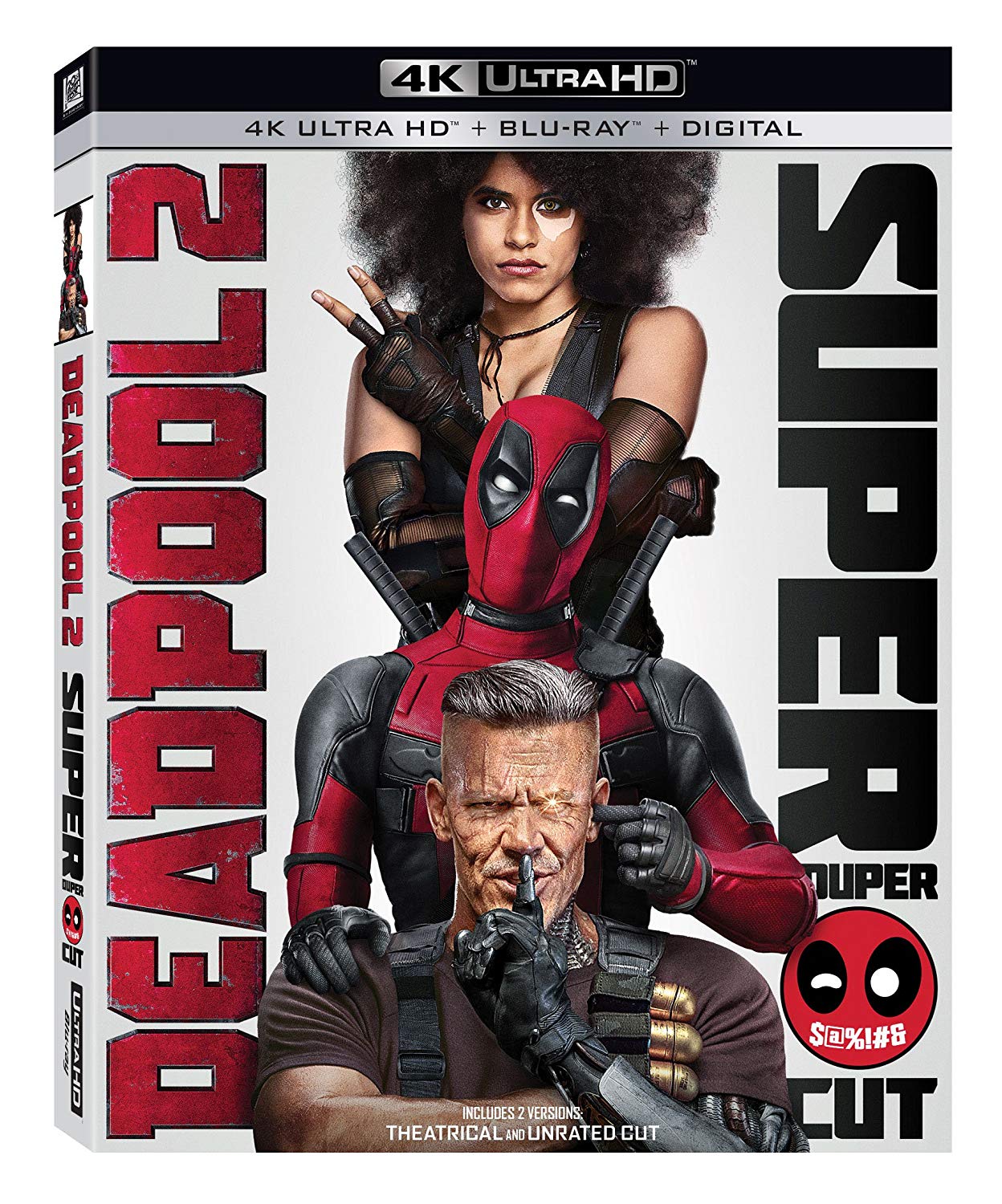
"So dark. You sure you're not from the DC universe?” 

I've said many times in these pages that expectations can kill. That might have been more true for Deadpool 2 than any other film I've seen since the re-launch of Star Wars. The first movie didn't push boundaries. It obliterated the boundaries and kept on going. Fans had certainly been ripe for a raunchy R-rated superhero film, and the box office for Deadpool certainly proved that out by bringing in nearly a half a billion bucks. For a superhero film that might seem like small change, but for what was essentially a comedy, it was awesome money and demanded a sequel before the first run was over at the multiplexes. The problem is that raunchy comedies, like superhero films, share the deadly expectation curse. Rarely does a comedy film sequel live up to those expectations, and if you're anybody but Marvel, it doesn't happen often in the superhero genre either. If all of this sounds like it's leading up to a death knell for Deadpool 2, you're right. It does sound that way. Fortunately for us Deadpool 2 manages to escape its fated demise and not only work as well as the first film; Deadpool 2 is better.

"Thanos Is Coming..."

Whenever a filmmaker is doing a middle film in a trilogy, or merely a film that's intended to be a companion film in a series, they often talk about attempting to capture The Empire Strikes Back. For years it's been the standardbearer for anyone trying to end a blockbuster with a cliffhanger knowing it might be years before the ending is resolved for the audience. That's harder to do today than it was in the 1980's. I often say that the only thing wrong with instant gratification is that it simply takes too darn long. The Avengers: Infinity War is exactly that kind of film. It ends with huge elements left up in the air, but at least we'll only have to wait a year for its resolution. After watching how Anthony and Joe Russo have handled this nearly impossible task, I think the bar has now shifted. In Empire Strikes Back lexicon, let's just say the Russos just pulled out a huge chunk of carbonite, and future filmmakers will be using this as an example of how to pull of that herculean task in the future. The Avengers: Infinity War is finally here, and it pretty much lives up to all of my expectations. Now my expectations are going to need a bigger boat.

Like so many others, when I read the book Ready Player One by Ernest Cline I simply fell in love with the nostalgic ride through the 80’s, all thanks to a virtual reality world called The Oasis.  From start to finish it was a book filled with pop culture references that would make film and video game geeks squeal with delight, and it was no surprise that the book was a hit and would be turned into a film.  There were only two names I could think of that could ever come close to making this film a reality: Robert Zemeckis and Steven Spielberg.  With Spielberg involved, he was the only person I could imagine who had the clout to get all the licensing rights needed to pull this adaption, but still the biggest question I had was, does Spielberg still have it in him? I’m not questioning the man’s talent, but instead it’s the magic and wonder he would bring to his films, from Close Encounters of the Third Kind, ET, to Jurassic Park, where he could get us to believe the fantastic and impossible was real while we sat in a dark auditorium watching his film.

The Oasis is an open virtual reality world like nothing we have ever seen before, but with how our technology is developing it is quickly becoming a possibility for things to come.  There are worlds and planets within The Oasis where you can be in constant battles to win coins, or go to exotic places for a vacation.  It’s a world where you can be whatever you want and experience just about anything you want.  Basically think about Westworld, but on steroids.  The creator of this world is Halliday (Mark Rylance) who before dying announced to all of The Oasis that he created an Easter Egg hidden somewhere in The Oasis, and whoever was to find it would gain sole control of The Oasis and all of Halliday’s fortune.

"At the end of the bloody dog wars the vanquished mongrels became powerless house pets: tamed, mastered, scorned. But they survived and multiplied..."

Offbeat, heavy-handed characters, bleak outcast situations, and moody; it’s a marvelous adventure for those who like Wes Anderson movies.  This one, however, shows his range with an animated film that’s worthy of most Japanese greats. From the opening drum introduction of Isle of Dogs to the heartfelt finale, Anderson captures a cold, disturbing environment from which his characters can rise up.  If you like offbeat stories produced in stop-motion animation in the vein of Tim Burton’s Corpse Bride and Frankenweenie, then this film should not be missed.

Despite falling into the “coming of age genre”, Love, Simon is actually so much more than your typical mainstream teenage film.  In the 80’s John Hughes ruled the box office  with his films, everything from Sixteen Candles, Weird Science, Pretty in Pink and of course The Breakfast Club were the films that spoke to the kids of the era.  It’s been a while since a film has come along that has fit into the genre that has managed to handle the awkwardness of being a teenager while also toeing the line of being heartfelt and humorous. Over the years there have been attempts to capture the essence of the 80’s John Hughes films, but these seem to always fail by either going to raunchy or attempting to make the lead characters cool and popular. It seems director Greg Berlanti has figured out how to bottle the magic of a John Hughes film and deliver a story Hughes never got to tell, a story about a teen dealing with the struggle of being gay and keeping it a secret from everyone around him.  The film is based off the young adult novel Simon vs. the Homo Sapiens Agenda, and the result is an unexpected and refreshing tale that has me wonder why it’s taken so long for a LGBT film to hit the mainstream.

When we meet Simon (Nick Robinson), he is introduced to us through narration as he navigates us through his normal life, normal with the exception of the secret he’s hiding from his friends and family about being gay.  We can easily sympathize with his character; after all, he’s simply keeping his secret because he loves his life and friends and is concerned that him coming out could cause things to change.  He sees how the one openly gay kid at his school is treated, and it’s enough to convince him that perhaps waiting to come out till he’s about to go to college would be the easiest thing.  His parents, played by Josh Dummel and Jennifer Garner, are the supportive type, and then he has his friends Leah (Katherine Langford), Nick (Jorge Lendeborg Jr.) and Abby (Alexandra Shipp) who are part of his tight group as well.  There is a good chemistry with everyone involved, and it helps getting to see them as a tight-knit group before Simon’s life takes a dramatic twist.

We can’t take any credit for our talents. It’s how we use them that counts.”

Much has been made about the fact that Ava DuVernay’s A Wrinkle in Time is the most expensive movie ever directed by a woman of color, carrying a reported $103-million price tag. The good news is the filmmaker has absolutely infused her own personality and perspective into this live-action Disney spectacle (no small feat, by the way). The bad news is that DuVernay has taken those considerable resources and made a wildly uneven movie that, at various points, somehow manages to look both way more expensive and way cheaper than its budget would suggest.

The film is based on a series of books that I had never read, and from what I understand the film takes many liberties with the storyline and characters. As his sophomore effort behind the camera, there were high expectations for what Garland would do, and the result I believe is one of the most divisive films I’ve seen in a while. This is the kind of film that gets me excited for the future of cinema, not just because I loved the film, but I love the conversation it can provoke with other filmgoers.

The film has a non-linear narrative; really, this is my only complaint, since it opens virtually where our story is nearing its end. While I usually don’t have a problem with this kind of storytelling, I’m annoyed by it this time around, because all the suspense around the survival of our lead is stripped away. The film still manages to squeeze in some head-spinning surprises at the end, so I can easily put my one measly complaint aside.