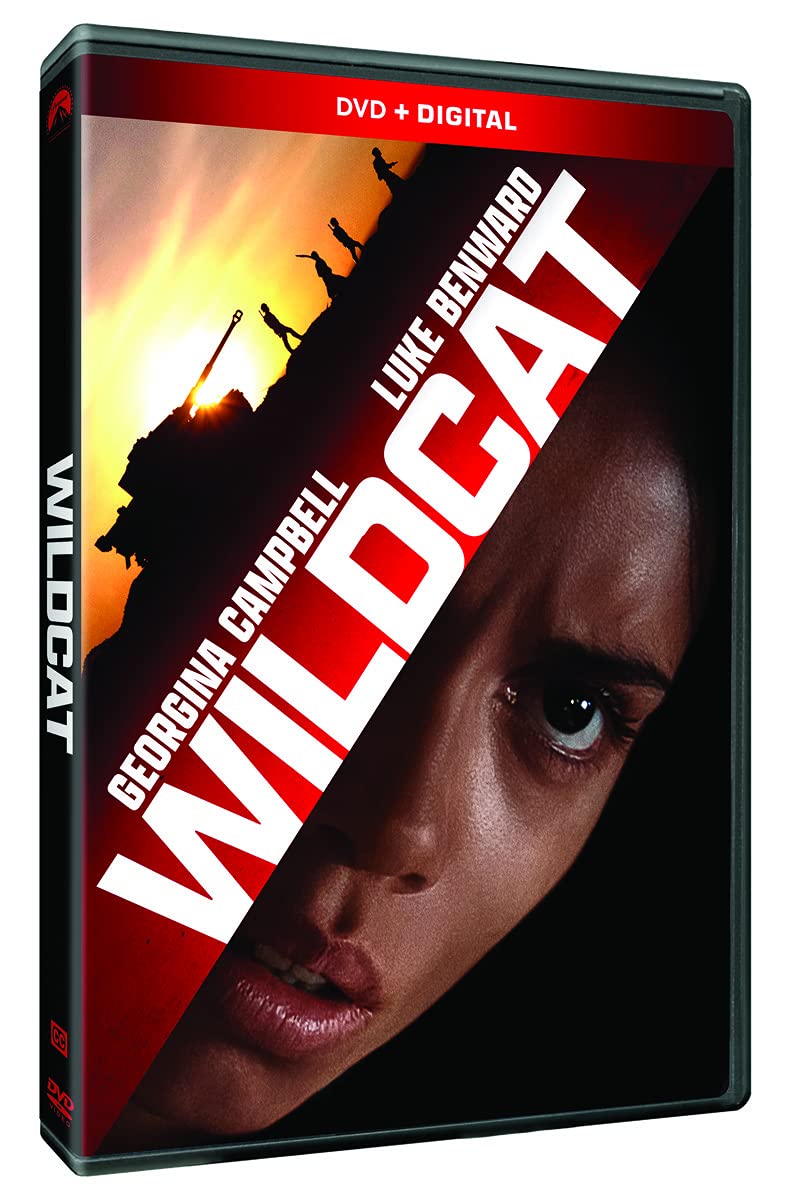
I like it when films limit themselves to one or two locations. I feel like it puts more emphasis on the acting. Of course when you limit yourself in such a fashion, it is important that the acting is of great quality. Thankfully, the actors of Wildcat are up to the task and deliver sound performances, especially lead actress Georgina Campbell of Krypton fame. Wildcat is a psychological thriller that follows Khadija Young (Campbell), an ambitious journalist stationed in the Middle East who is taken captive after her convoy is ambushed. With her and a young marine the only survivors of the convoy attacked, they find themselves at the mercy of militants led by a cold and calculating leader. The film does not shy away from the ugliness of captivity, establishing the use of torture against enemy combatants from the very first scene. Our protagonist finds herself locked away in a secure room, and the first thing that happens is that her captors remove one of her fingernails. That’s how the film opened up, so you could only imagine what other horrors she was forced to face. However, the trauma is not only of the body, but of the psyche.

I have often found foreign comedy films a bit dry. Comedy can be so specific to culture that it rarely translates the way it might be understood or perceived in its native language and culture. The same is often true of poetry. Something gets lost in either the translation or the lack of a common experience. There are exceptions to these films. I've found that the most successful way to make sure your comedy jumps language and cultural boundaries is to avoid the jokes. Let the comedy come through in the situations, actions, and body language of the performers. Because the one thing that crosses all human experiences is the human experience itself. Don't try so much to be funny. It doesn't even have to be foreign. Don't you hate it when you watch a movie that the cast and crew obviously thought was rolling on the floor funny and you just didn't get it?

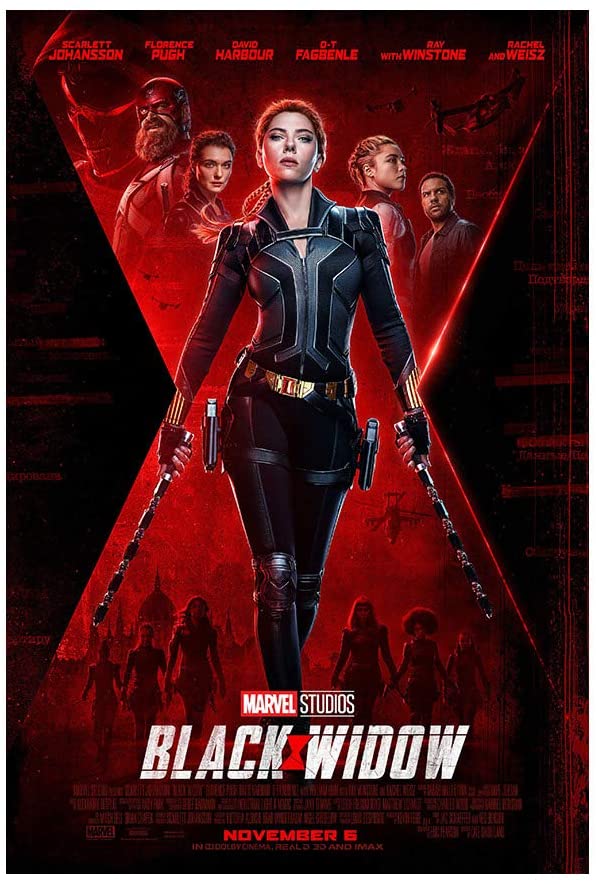
"Before I was an Avenger, I made mistakes ... and a lot of enemies."

To say that Scarlett Johansson's solo Black Widow film is overdue is one of the understatements of the decade. Fans of the MCU have been calling for the character to have a film of her own; all the while characters like Captain America, Iron Man and Thor ended up well into their third films with the character playing key roles in the threads that pulled all of these films and characters together. Marvel often assured us it would eventually happen, but it sure appears to have taken too long. It didn't help that the character dies in the final Avengers film, and it seemed less likely she would or even could get her own film by then.

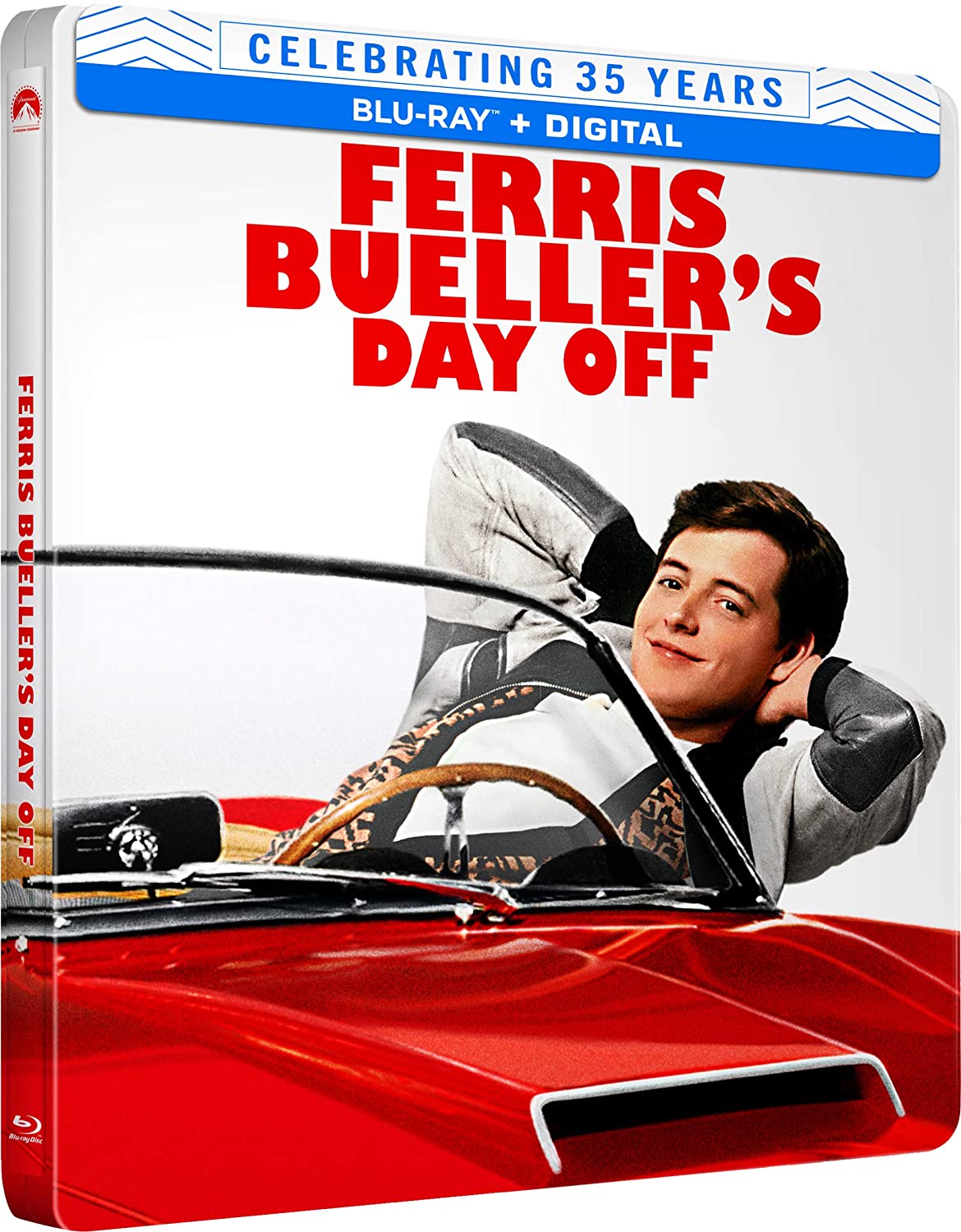
“Bueller … Bueller …”

When it comes to the 80’s teen comedies, I think we can all agree John Hughes is the king, and I feel just about every kid who grew up during that time has a strong opinion on what the “BEST” John Hughes movie is. The Breakfast Club, Sixteen Candles, Weird Science, Ferris Bueller’s Day Off, and Planes, Trains and Automobiles are pretty much all classics that he wrote and directed, but that doesn’t count the numerous others that he just wrote. When I heard John Hughes died, it was a sad day, even though he hadn’t directed a film since 1991’s Curly Sue. I think we all were kind of holding out hope he’d be able to step back behind the camera one more time.

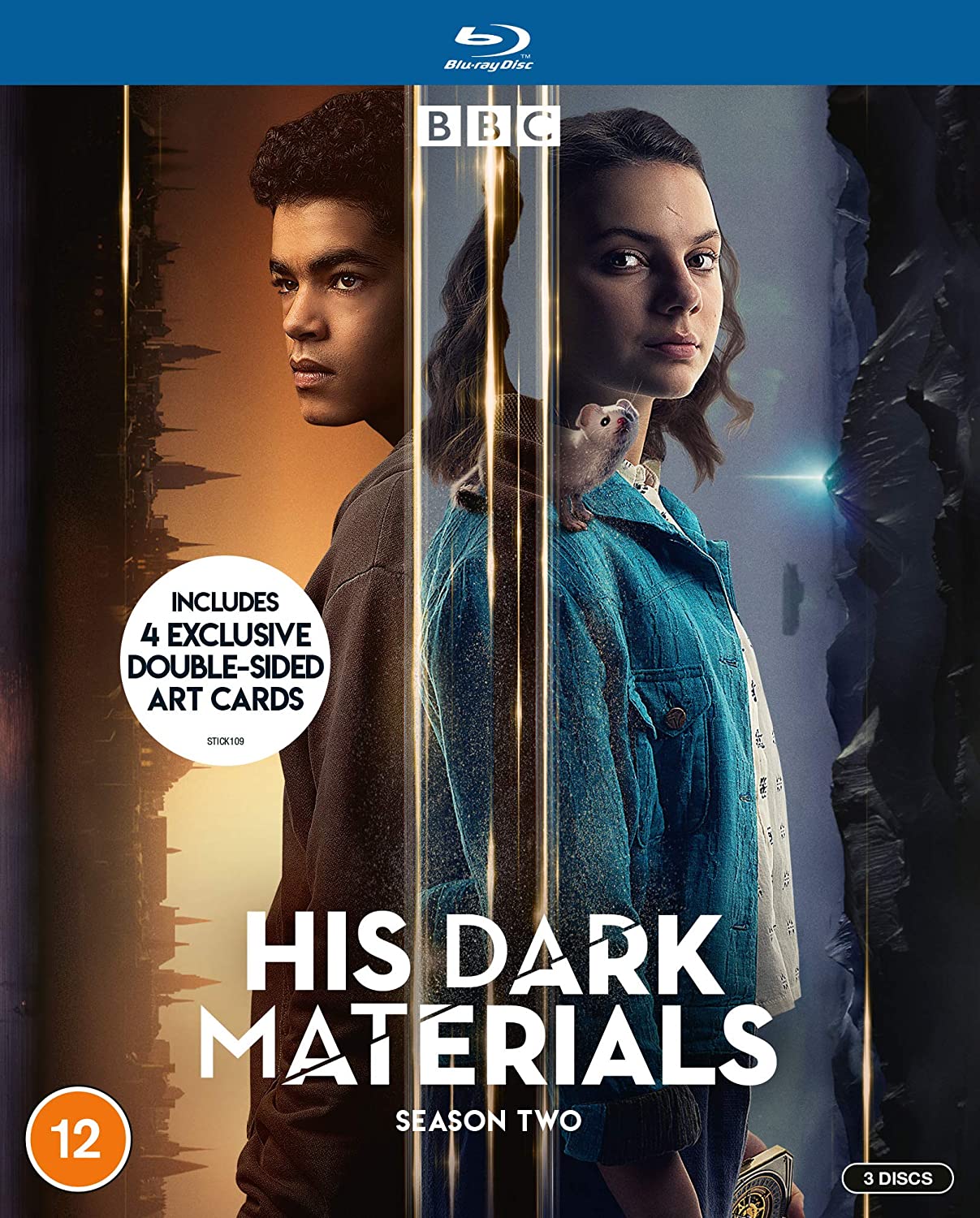
I remember when The Golden Compass came to theaters. I know I saw it because I was a projectionist and had to screen the print, but for the life of me I couldn’t remember anything about the film. Perhaps that’s why that when I first heard about HBO doing a TV series adaption of the beloved book series His Dark Materials, I wasn’t all that thrilled.  I’d never read the young adult series, and considering the amount of awful YA film and TV adaptations that have bombarded us for nearly two decades, it too played a role in squashing any excitement I might have had in different circumstances.  I was definitely pessimistic about watching the , but when I finished Season 1, I was excited about where the next season would take us. I loved the characters, the daemons, and the worlds that the show took us to. Not since Stranger Things had I been more excited about a new series.  Season 2’s can be a make-or-break for a lot of shows. Expectations have been made by the audience, and sometimes things just fall apart, but sometimes there is the rare occasion where Season 2 manages to only get better.  I’m happy to say in the case of His Dark Materials, things definitely improve.

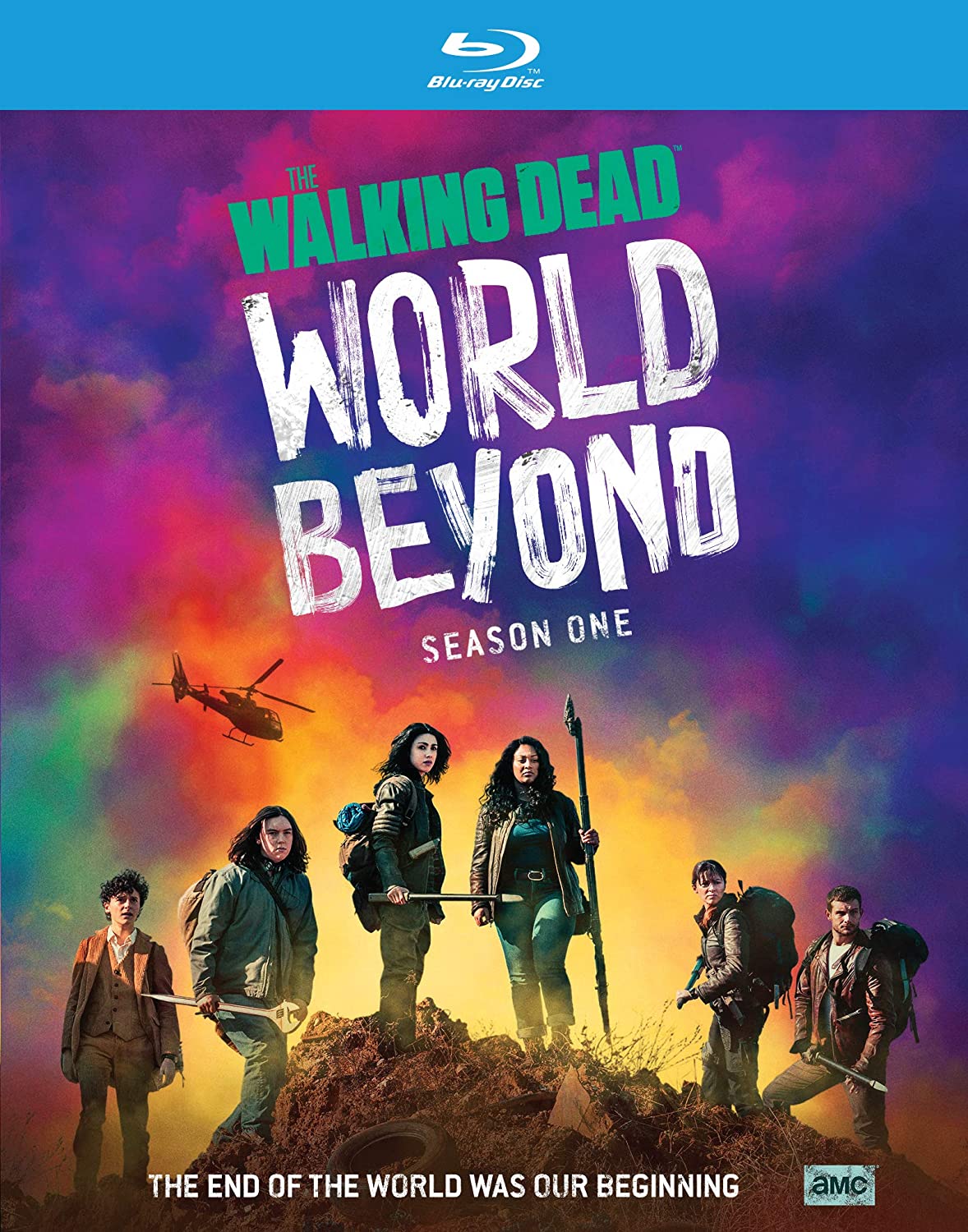
"We're 10 years in now. I was a little kid. I can barely remember the Night The Sky Fell, let alone what the world was like before. We still live behind walls, and the dead still have this world. And I think that with everything that went away, with everything we lost, with everyone we lost, some people think it can happen again. Some people think that what we have can't last. Some people can't believe. But I'm certain of our home city and our alliance with Portland, with the Civic Republic, and I'm certain what's ahead. We are monuments to the past, but everyone here, all of you, you are the future. We are the future. I'm sure of it."

There is life after death. For The Walking Dead that life has a pretty solid run.

"Welcome to the unlimited possibilities of the Quantum."

It's a somewhat near future, and airport baggage handler Ray (Imperial) is in need of more money. He doesn't have the new Quantum computer, and he discovers that he isn't able to access accurate data on the net because everyone is now using the new format. He also has a brother Jamie (Howard) who is suffering from Omnia, which is a disease that makes you tired all of the time. It's considered by many to be fake, and "clinics" have popped up to treat the disease with odd ... and very expensive treatments. It's a scam, and Ray has bought into it. So he's going to need money.

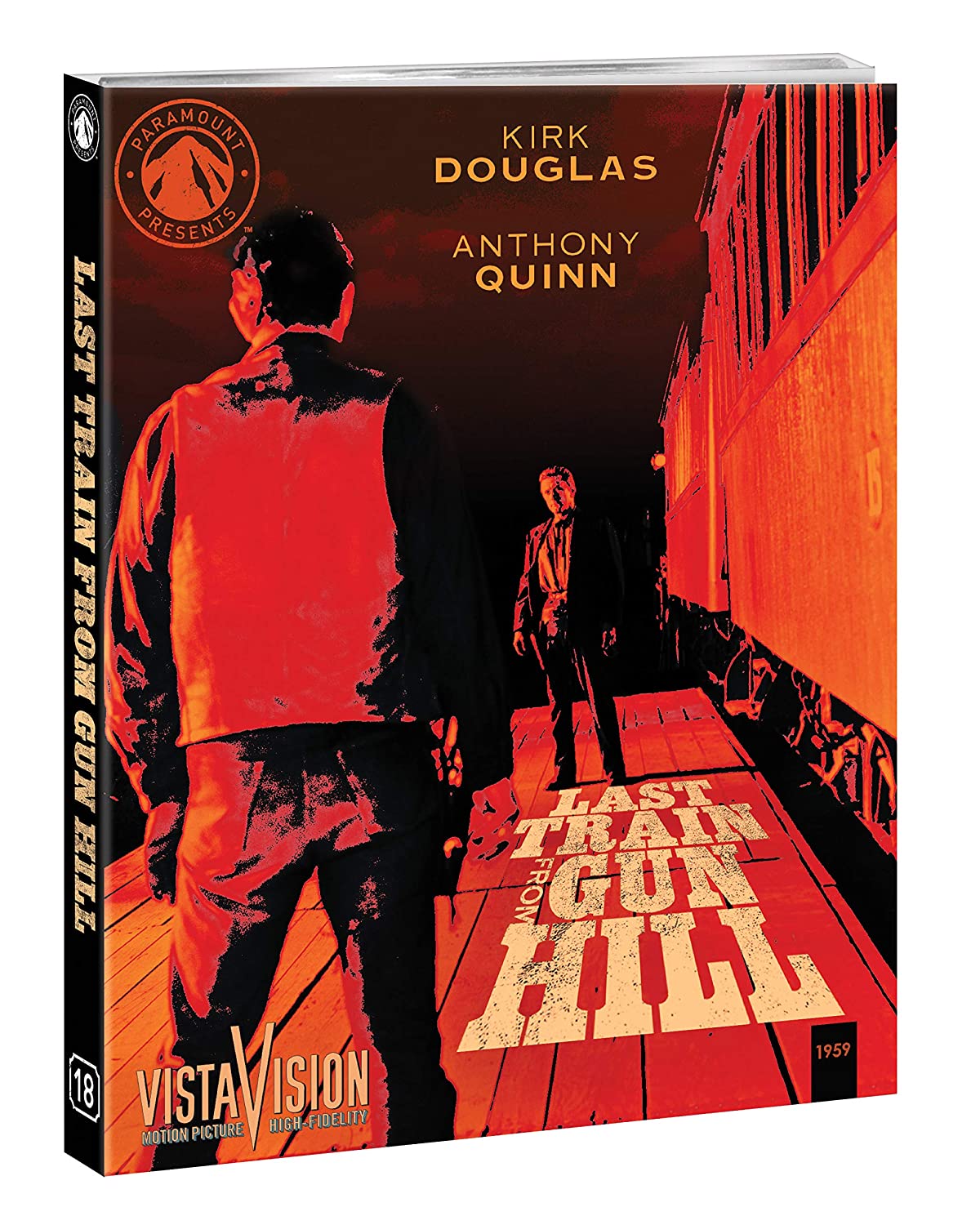
Long before super-hero films became the rage of American cinema, the Western was the original bread and butter that would draw in its audiences to flock to the silver screen. Hollywood cranked out so many Westerns I seriously doubt anyone knows just how many of these films were shot by the studios, not to mention the others that were re-cut with scenes inserted with new stock footage just to re-title a film and put it back out onto the screen.  There are some directors that elevated the genre, John Ford, Howard Hawks, Clint Eastwood, Sam Peckinpah, and then there’s John Sturges who is mostly famous for helming The Magnificent Seven and The Great Escape.  Sturges had a strong 30 year career directing and though he had a few misses when his films were good they were really good so when the offer came along to review one of his Westerns I hadn’t seen I was happy to jump aboard to review the Last Train From Gun Hill.

The year 2020 and nearly half of 2021 make up a time in our lives we'd all like to try to forget. And while the remnants of a pandemic that is not quite over still intrude on our realities, many aspects of our lives are starting to return. We're spending time with our family and friends again. Those simple parts of our lives we once took for granted are starting to return, and I suspect we're all apt to savor them just a little bit more from now on. The movies have been back for a little while now. We've finally started getting access to press screenings for the first time in over a year. Needless to say, so many of us are happy to be back in the theaters. So far we've had some films start to breathe life back into the box office, but today expectations remain lower, and they will for a while. We've had some successful films, and you can feel it in the air.

"Months from now, if you’re ever asked where you were, what you were doing, on October 9, you’ll have the muscle memory of what you did. You won’t have to construct the lie, because you lived it."

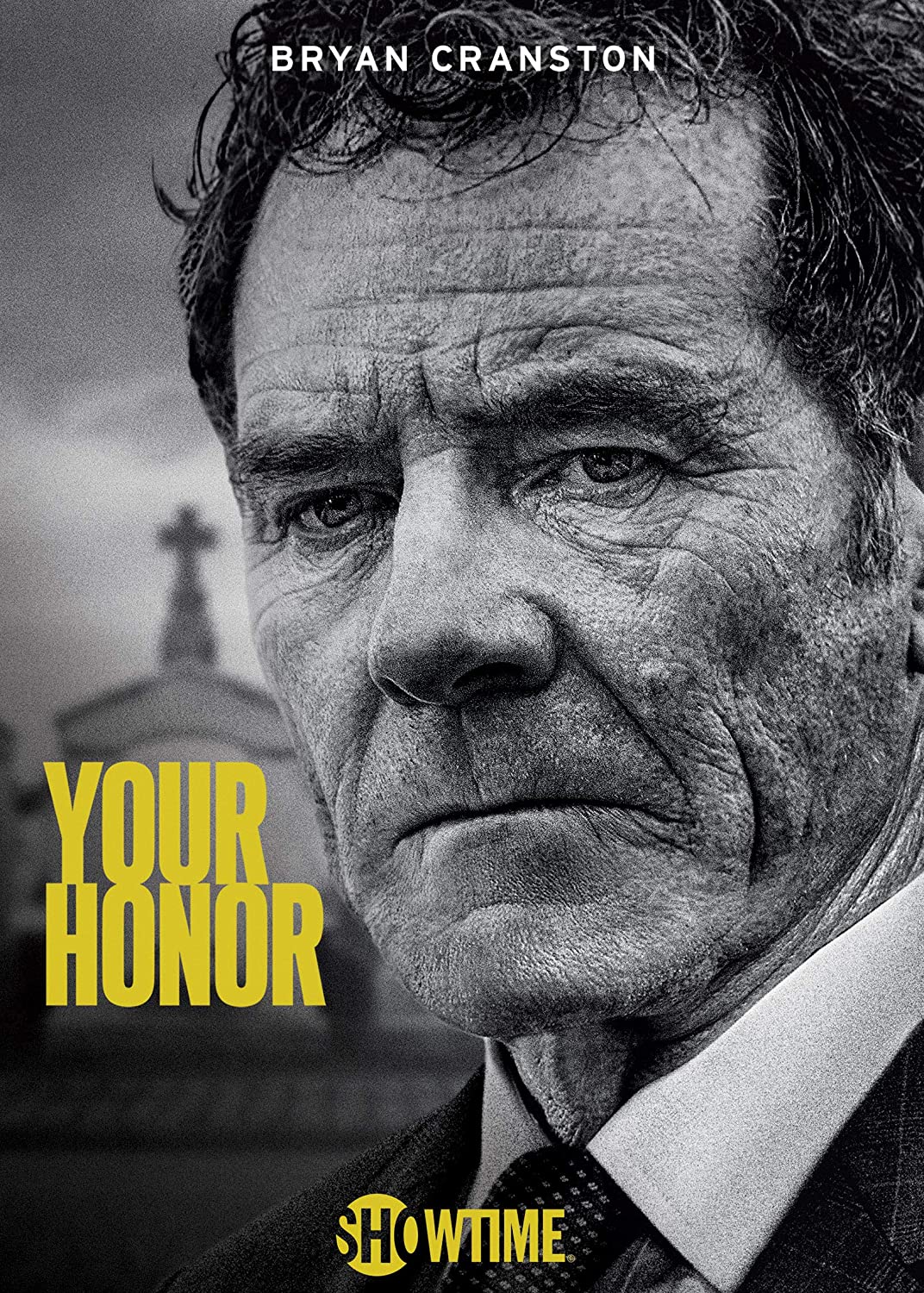
We all live that day in somewhat excruciating detail. I'm talking about the opening 20 minutes of Showtime's limited series Your Honor, starring everyone's favorite high school chemistry teacher, Bryan Cranston. The ten-episode crime thriller/drama was developed by British television wunderkind Peter Moffat and took a rather long route to this American release. It's based on an Israeli series called Kvodo and was originally remade in India before finally taking a shot in America via a British writer. I have not had the opportunity to see either of the earlier incarnations, so I can't really comment on how faithful this version might have been. Beyond a strictly academic purpose, what's important is how this series stands on its own. And that analysis is just as complicated as the path the material has taken around the world to your television ... or, God help us, your phone.