Posted in: Disc Reviews by Gino Sassani on December 6th, 2019
"This is a story about control. My control. Control over what I say. Control about what I do."
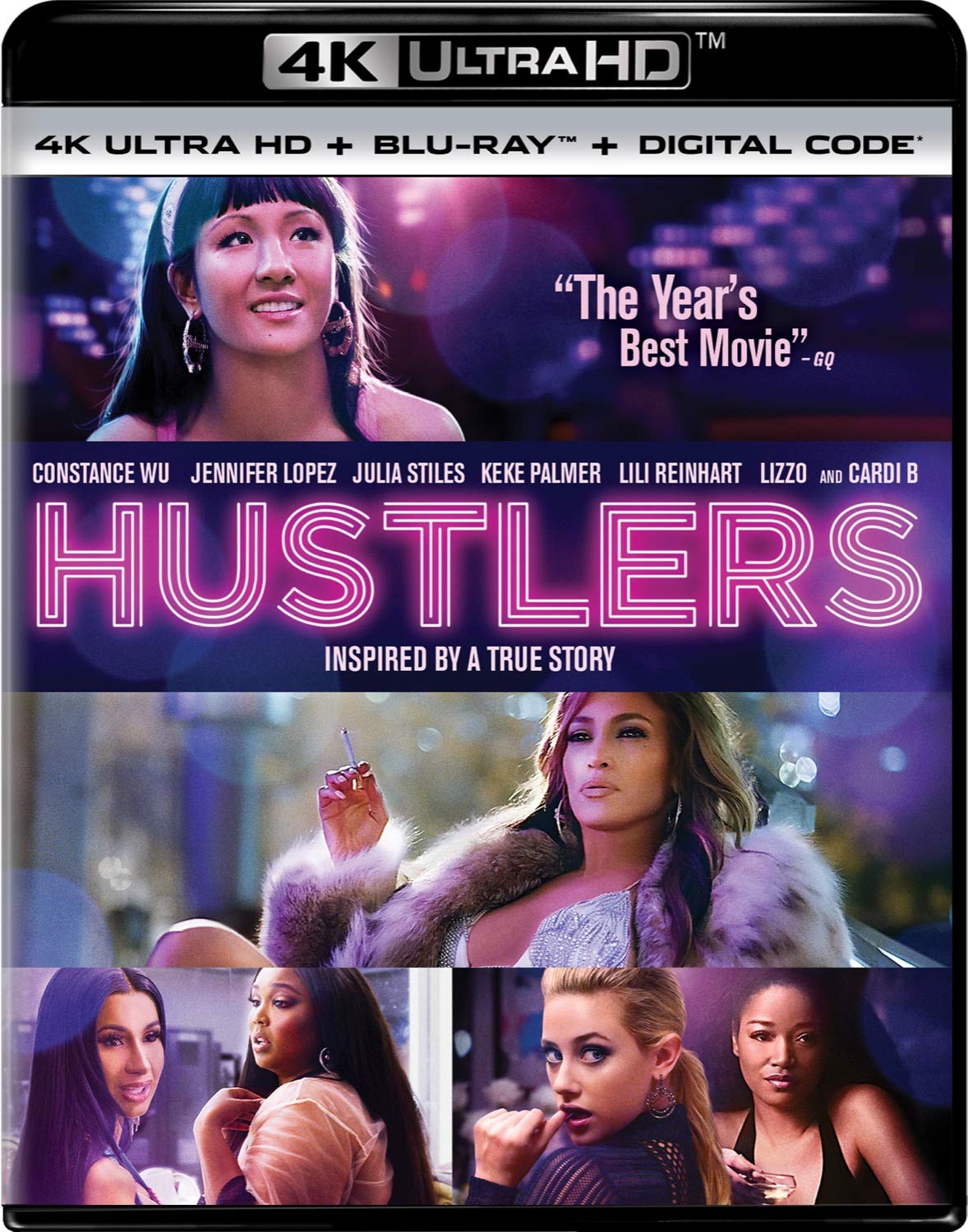
Hustlers tells the "true" story of a team of strippers who found a way to turn the tables on their Wall Street clients and is based on a New York Magazine article by Jessica Pressler. It promises a pretty good time. I mean, think about it. Wall Street is the stuff of mustache-twirling villains these days. Brokers might have dropped beneath ambulance-chasing lawyers and used car salesmen as the people we love to hate. Throw in some strippers and a clever con that happens to target these modern bad guys, and it sounds like the kind of romp that has something in it for everybody. Well ... maybe not the Wall Street guys who go to the movies, you might say. Did I mention it's got strippers? At first blush the film reminds me a little too much of Paul Verhoeven's infamous Showgirls. The problem is that the schlock value of that film has allowed it to find its place in film history, and so it has survived in all its badness. Will the same be true of Hustlers? Or will it quickly vanish into a sea of obscurity before another couple of years are over? I have to say that I suspect it's the latter. By this time next year, you'll be asking a friend what the name of that stripper film with Jennifer Lopez was last year. Let me know if anyone remembers, won't you?
Posted in: Holiday Gift Guides by Gino Sassani on December 2nd, 2019
I think I see your problem. You have this list. It’s a list of people you need/want to buy a Christmas gift for. The trouble is that they’re into home theatre, and you don’t know Star Trek from Star Wars. You couldn’t tell a Wolf Man from a Wolverine. And you always thought that Paranormal Activity was something too kinky to talk about. Fortunately, Upcomingdiscs has come to the rescue every Christmas with our Gift Guide Spotlights. Keep checking back to see more recommendations for your holiday shopping. These gift guides ARE NOT paid advertisements. We take no money to publish them. This Christmas you are in for a great treat. Shout Factory is becoming the laugh factory, and you'll find there is no one better at making you laugh than Bud Abbott and Lou Costello. Nearly all of their films have been missing in high definition on Blu-ray. The Universal Classic Monster Collections gave us the Abbott & Costello meet the monsters films, but the rest of the collection has only been available on DVD with poor transfers. Now Shout offers an amazing 28 of the dynamic duo's films on Blu-ray. It's an astonishing collection that had me doing back flips when I first heard about it. Abbott & Costello The Complete Universal Pictures Collection is so hot it might just set someone's Christmas tree on fire. Who are Abbott & Costello, you ask?
Posted in: Site News by Gino Sassani on November 28th, 2019
From all of us here at Upcomingdiscs, I want to wish all of you a safe and happy Thanksgiving Holiday.
Enjoy plenty of family, friends, football and don’t forget to share a movie or two with someone you love.
Posted in: No Huddle Reviews by Gino Sassani on November 27th, 2019
"There is a doorway in the universe. Beyond it is the promise of truth. It demands we question everything we have ever been taught. The evidence is all around us. We are not alone. We have never been alone."
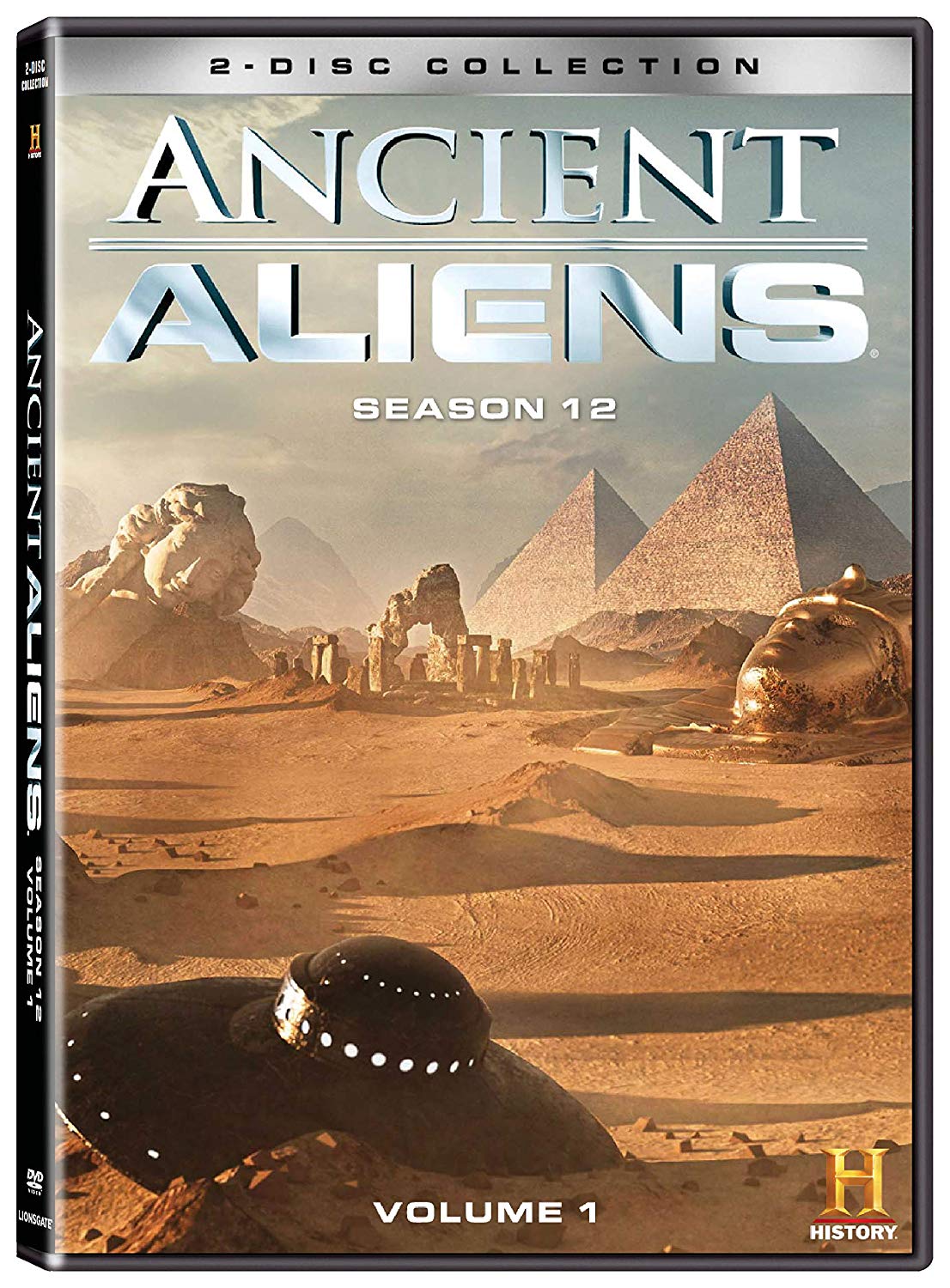
Ever since Eric von Daniken released his speculative book and its subsequent 1970 film Chariots of the Gods, there has been an entire field of study created around something commonly called Ancient Astronaut Theory, the idea is that extraterrestrials have visited many of our ancient civilizations. The theory continues that these visitors had a hand in shaping our development, whether it be through technology or even manipulation of our very DNA. These believers point to a world of evidence to support their claims. There are tons of images from earlier civilizations that could certainly be interpreted as depicting modern devices, concepts, or even spacemen. There is plenty of speculation that some of the knowledge and accomplishments of these peoples could not have been possible without some outside interference. There are even those who believe that aliens best explain our religious beliefs and that God himself was/is an extraterrestrial being. Whatever your own beliefs on the subject, there are certainly some fascinating points to be made. There is no question that the speculations and observations bring up some interesting queries that deserve our attention. This series attempts to document much of this evidence and the beliefs these findings have inspired.
Posted in: The Reel World by Gino Sassani on November 24th, 2019
"It's a beautiful day in this neighborhood. A beautiful day for a neighbor. Would you be mine?
Could you be mine?"
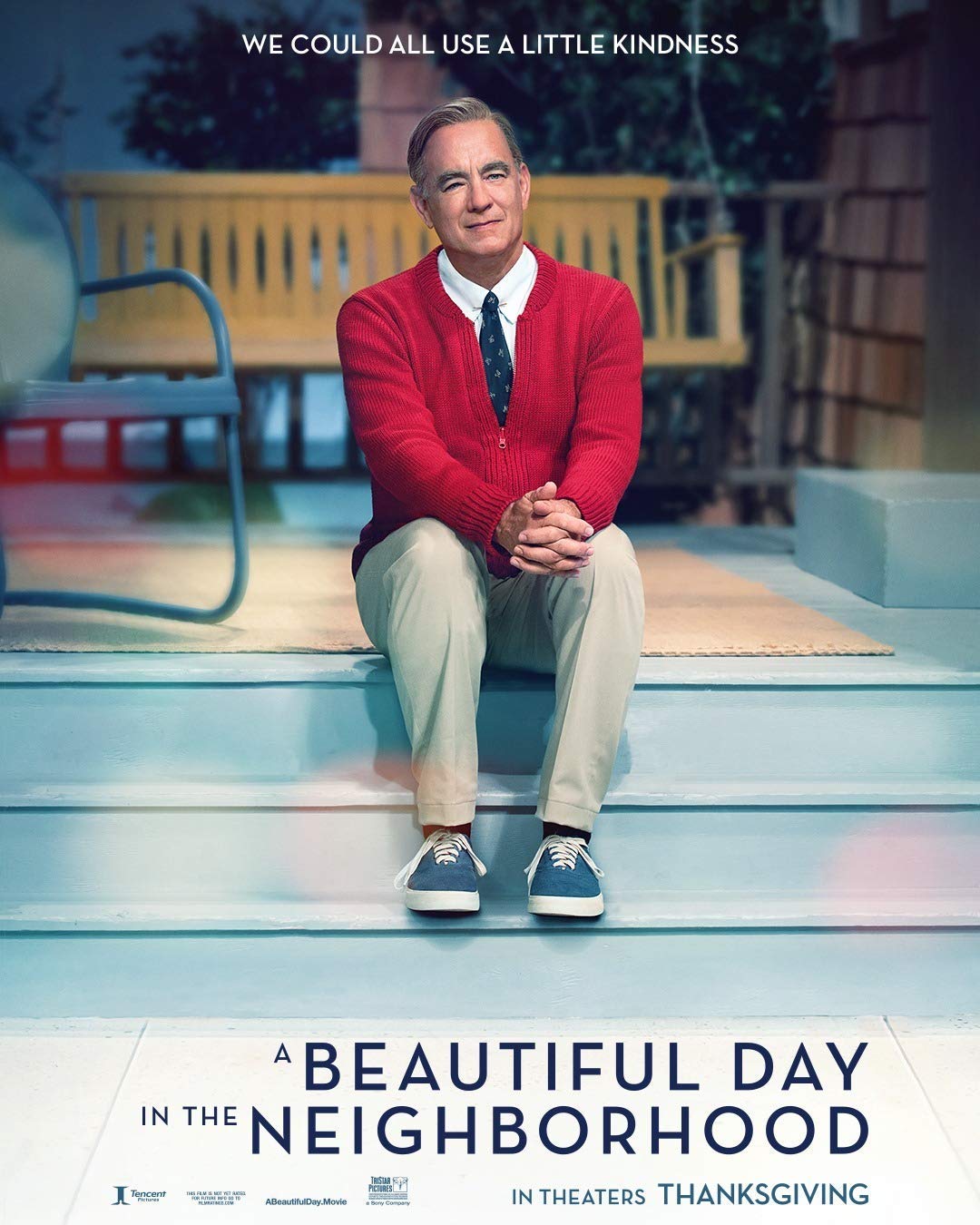
Anyone who was a kid from the 1960's to the 1990's and beyond recognizes Mr. Rogers and his neighbor song. The man defined children’s programming for television, and he did so from a small studio tucked away in Pittsburg, Pennsylvania for almost 40 years. There aren't many people living in this country who don't at least know who Fred Rogers was. It would be a complete waste of my space and your time to tell you very much about the man in these lines. Truthfully, you'll make the kinds of discoveries into the nature of who he was by spending a short 90 minutes watching the documentary Won't You Be My Neighbor that appeared last year. It will be time well spent no matter how little or much you think you know about him. But now hot on the heels of that incredible documentary comes a film staring Tom Hanks as the lovable neighbor we all used to wish we had. Recently Ancestry.com confirmed that Tom Hanks and Fred Rogers are related. Of course you have to go back the pre-revolutionary days of 1734 to find this elusive relative. But you won't have to time travel to spend a magical time with Mr. Rogers and Tom Hanks. In 2019 they happen to be the same man.
Posted in: The Reel World by Gino Sassani on November 22nd, 2019
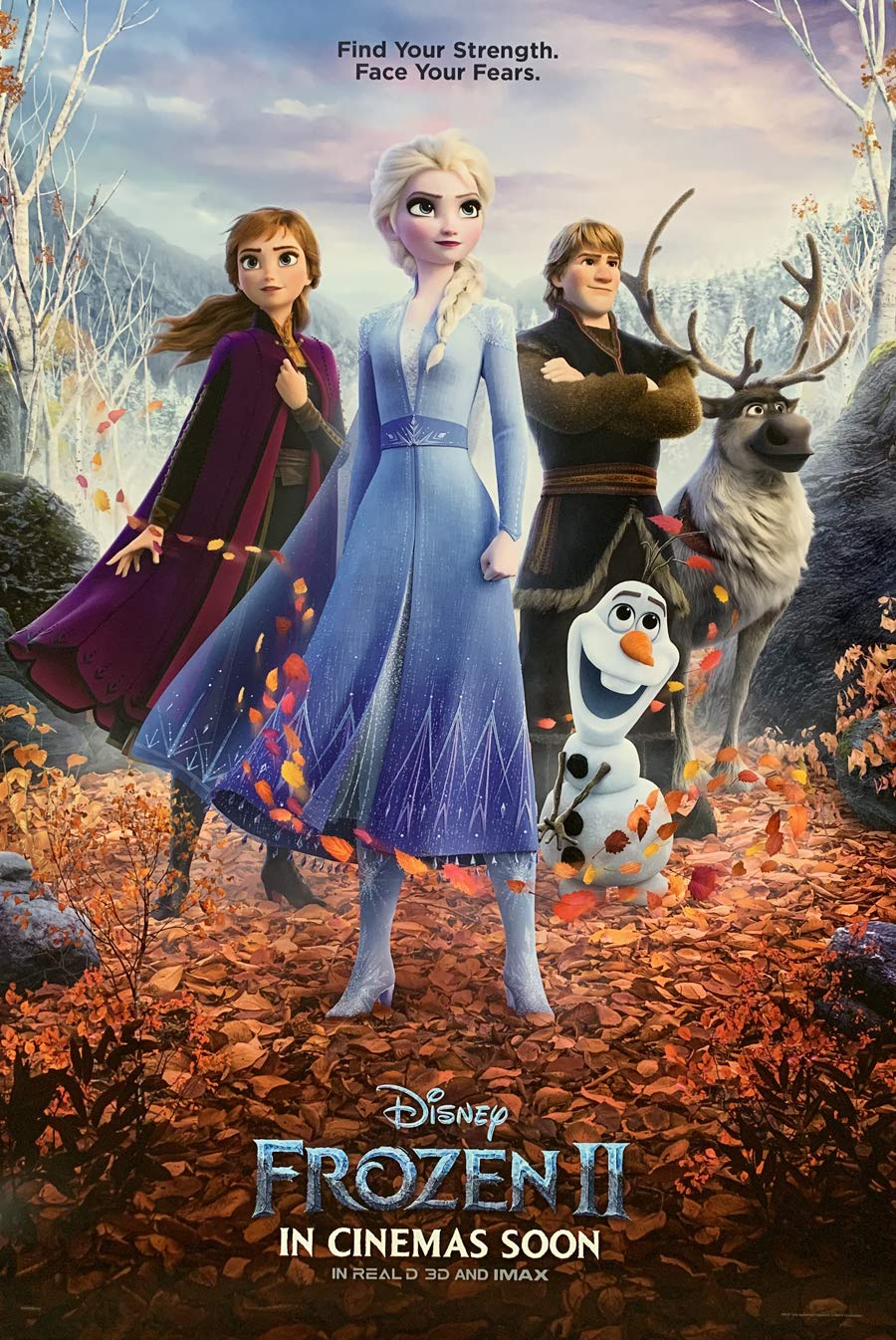
It's been six years since Frozen became somewhat of a surprise hit out of Walt Disney Studios in 2013. No one was surprised it made a good haul at the box office, but I suspect that even the masterminds at Disney never saw this billion dollar baby when it was first being born. It's become the biggest original hit out of Disney since the original Lion King set animated feature records in the 90's. I'll give the studio credit. They didn't rush out and try to cash in on the momentum as quickly as other studios would have. They took their time and assembled the same team of directors and songwriters and allowed the process to follow a six-year process with the intent of doing it right rather than doing it fast. For the most part I think that strategy paid off, and while this film will never be the classic the original has become, it will fit rather snugly into the franchise and will delight children while possibly cursing the adults who are fated to watch the film over and over again. This is absolutely one of those kinds of movies.
Posted in: Disc Reviews by Gino Sassani on November 22nd, 2019
"He picked me out of a pile of pups, a tangled mass of paws and tails. He'd stopped at the farm on his way home from the speedway at Yakima. Even back then, I knew I was different than other dogs. My soul just felt more human."
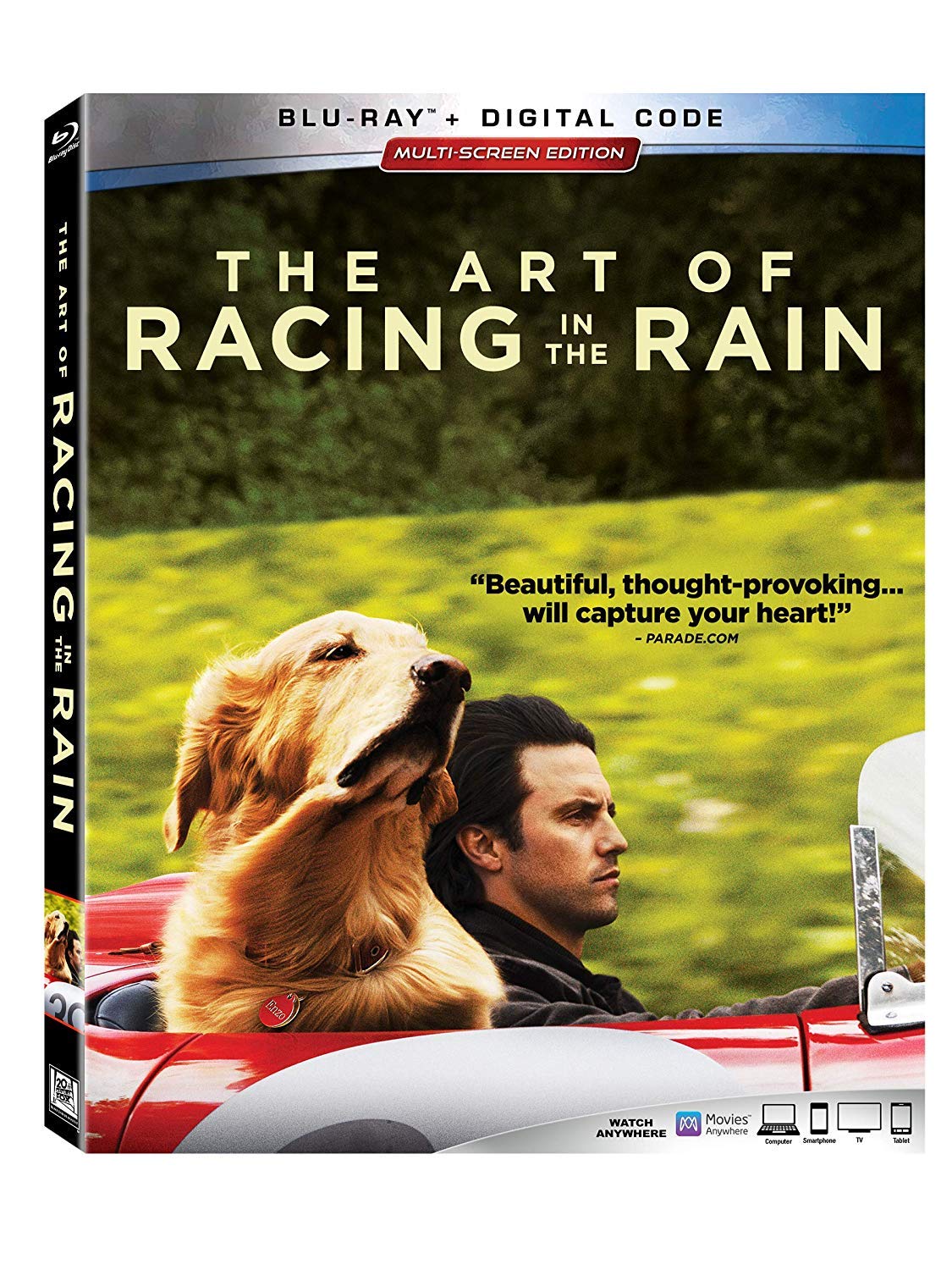
There was a time when this kind of film would have been reviewed by Baby, the German Shepherd/Chow who used to run security here at Upcomingdiscs as well as fill in for the occasional dog film review. Baby's gone, and we haven't yet trained Aurora the Siberian Husky who resides at Upcomingdiscs to pitch in on reviews. The problem is getting her to put her ball down long enough to pay enough attention, let alone write a review. But we're working on it. Until then these duties have fallen back to me, the occasional dog lover, which usually depends on what Aurora is up to at any particular moment. As Baby would have said: "Let's not talk about that right now." The task at hand is another talking dog film which followed quickly on the heels of A Dog's Purpose and its sequel A Dog's Journey along with the most recent A Dog's Way Home. It's a trend that has produced some emotional moments at the cinema for those of us who have spent a large part of their lives with our canine companions. This time out we have The Art Of Racing In The Rain, which is based on the novel by Garth Stein. If you're hoping to have that same kind of emotional ride that these other films brought, I think you'll be in for a little disappointment.
Posted in: No Huddle Reviews by Gino Sassani on November 19th, 2019
"Make a little noise. Ruffle a few feathers."
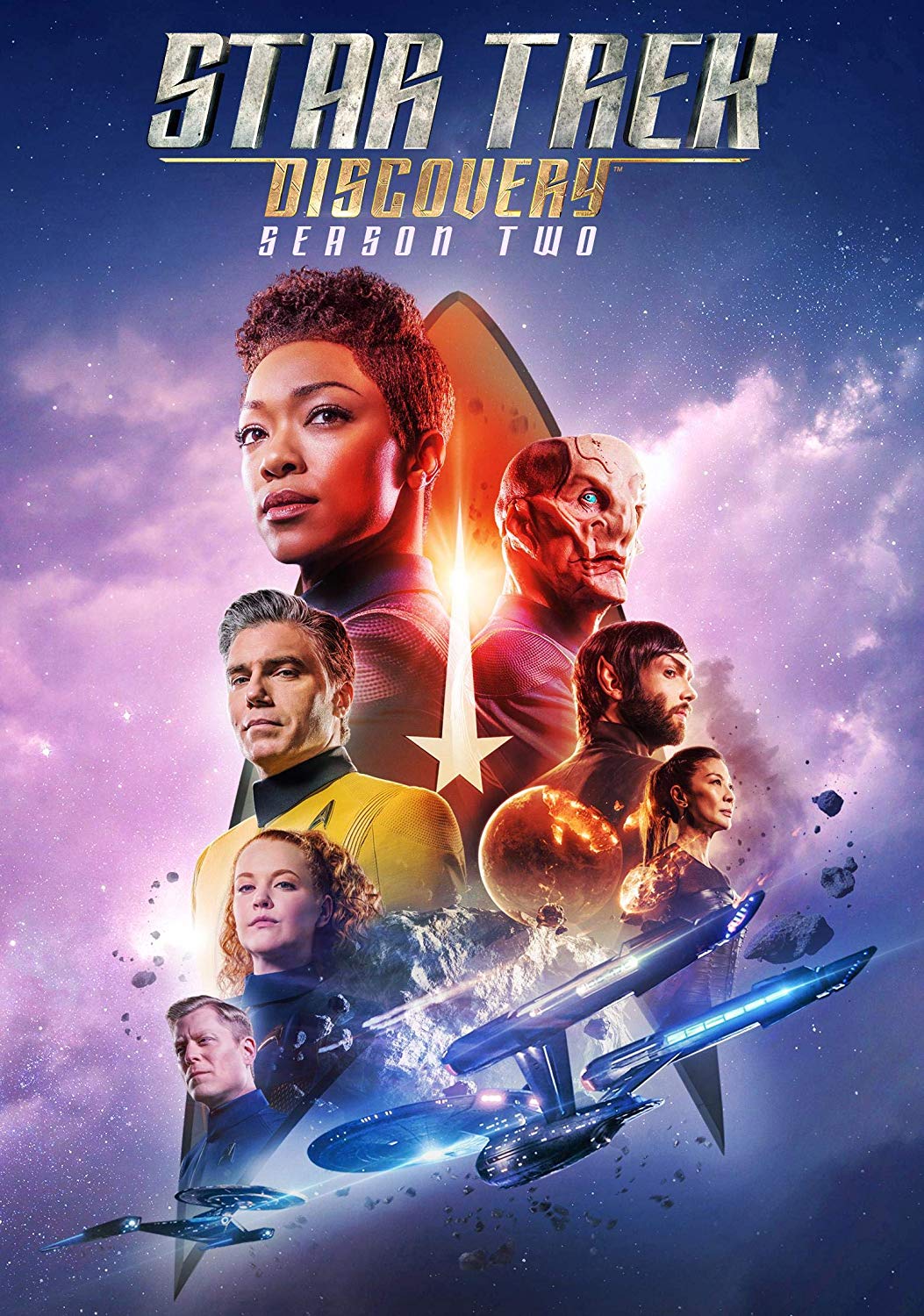
I should confess from the beginning that I am a very dedicated Star Trek fan. I'm not a Trekkie or a Trekker, I'm a fan. I have often allowed my fan status to cause me to embrace the franchise even when it wasn't necessarily so good. As a young 15-year-old kid I attended the first 10:00 AM showing of Star Trek: The Motion Picture with a handful of friends on the opening day. We stayed through six showings and left sometime after midnight the following day, occupying the front row center and subsisting off the day's more limited concession offerings. Basically candy, popcorn and soda. Little has changed except for the lack of responsibilities that would allow me to spend 14 hours watching a single film over and over again. I'm still reluctant to dismiss anything Star Trek, but that's nearly what happened as I watched the first season of Star Trek: Discovery last year.
Posted in: The Reel World by Gino Sassani on November 11th, 2019
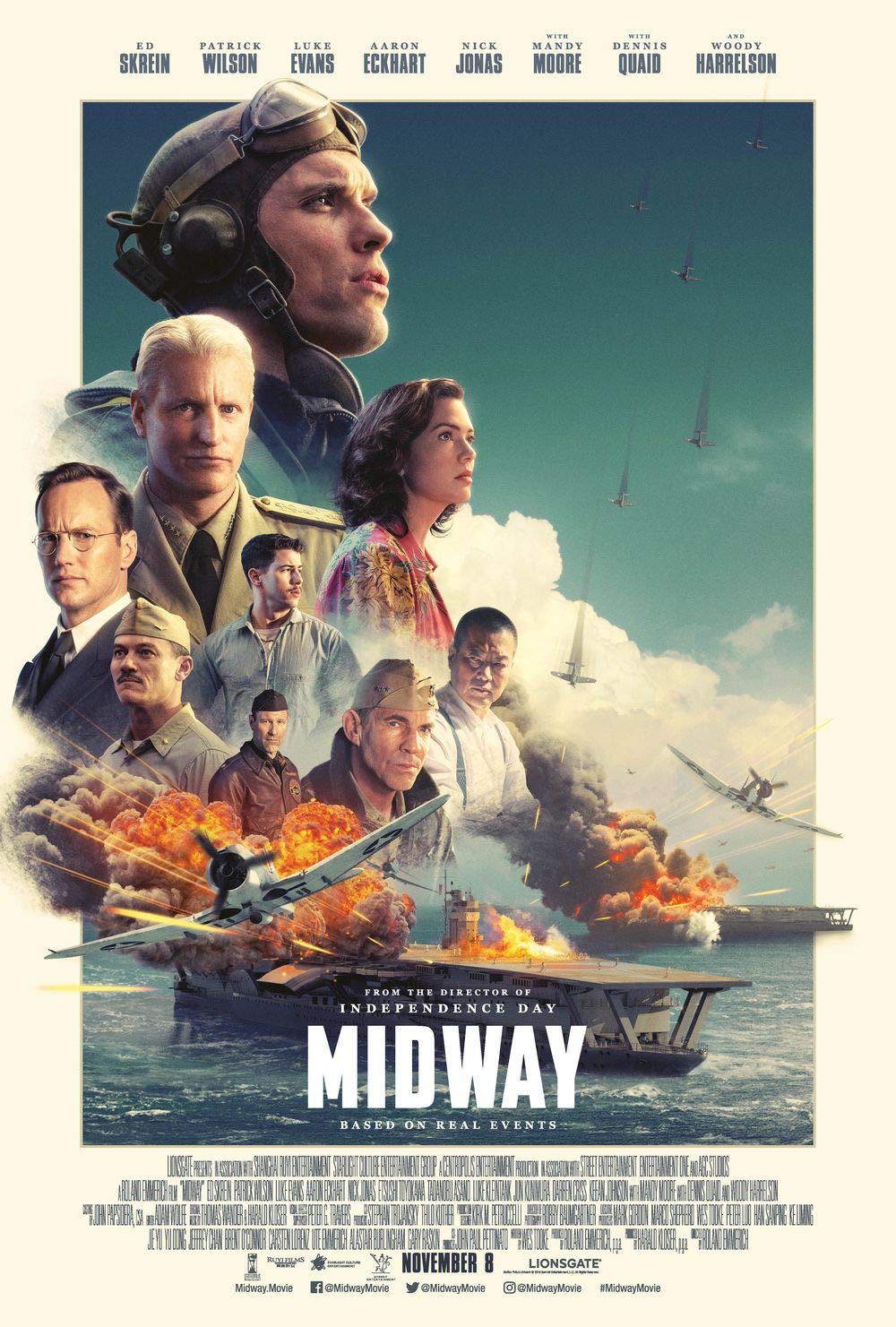
Director Roland Emmerich is no stranger to big-screen battles. The difference is that up until this year those battles have been against aliens, huge climactic changes, or giant lizards named Godzilla. There's no question that he understands how to shoot epic confrontation. The question I had going in to Midway was, can he deliver a battle that wasn't fiction? After nearly tow and a half hours, the answer came back somewhat mixed. This isn't the first time that the Battle of Midway has been brought to the big screen. In the 1970's Charlton Heston gave us a film that was more renowned for the trendy Sensurround gimmick than it was for the drama that unfolded on the screen. Sensurround was a fancy name for huge subs that would shake the theater, and if you were lucky enough to be seeing the film at a theater with enough money to go all the way, you might have found yourself in a seat that was wired to shake, rattle, and roll. Today the chains call that Dolby. This Midway didn't lend itself to some William Castle hustle. It's all up on the screen. The film bears no relation to that earlier effort except for the legendary battle in the Pacific that turned the tide of the Pacific theater of World War II toward the Allies. The film actually shares more in common with the classic Tora Tora Tora in that we spend a good deal of screen time with the Japanese players in the battle. Not at all like the earlier gimmick film, this movie is intended to place you squarely in the middle of the action. If that's what you came to see, you are certainly in for an immersive experience only without the hot-wired seat.
Posted in: Disc Reviews by Gino Sassani on November 7th, 2019
"This is where change begins."
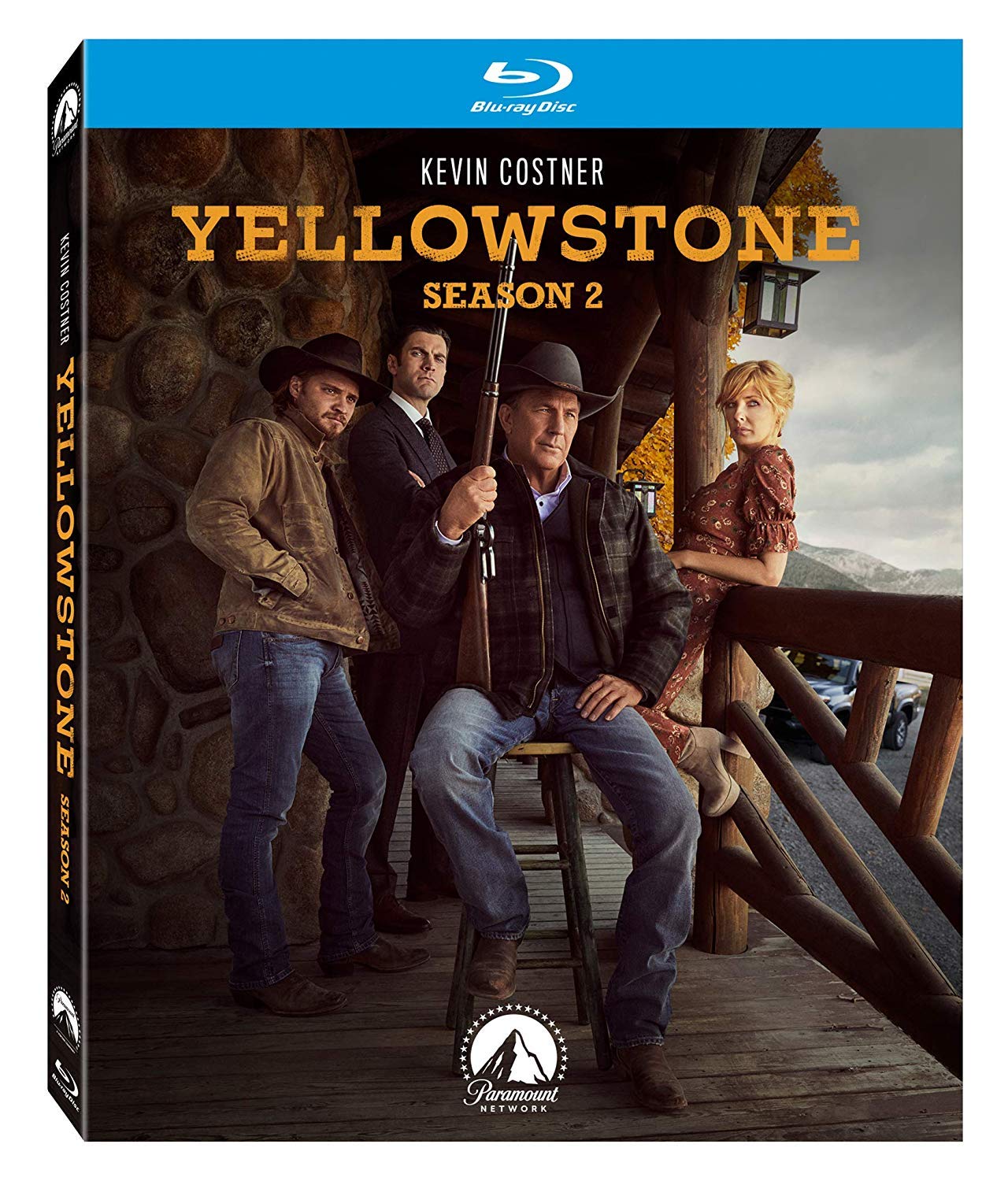
We're a visual people, so most of you will recognize Taylor Sheridan from his role as a deputy chief of police in Sons of Anarchy when the controlled puppet regime had finally left the scene. It's not a remarkable role, and it's not a complete surprise that Sheridan found his calling more recently behind the camera. As a writer, his first script did hit it out of the park. Sicario is an awesome film populated with compelling and interesting characters who thrived on a broken system. That theme appears to have stuck with him, because the first season of Yellowstone appears to take us back in time to the days of open frontiers and cattle barons who struggled to keep their land amid lawless communities and raiding parties of American Indians who were portrayed as savage beasts who kill women and children in the middle of the night to become shadows of nightmares and the stories told to keep children in line. These themes are all there, but it takes place in a modern 2018 setting that does indeed make for an interesting new twist on an old idea. This is the dawning of the modern western where lands still stretch for miles and are still owned by a single family. It's Bonanza in the 21st century, and Kevin Costner thought enough of the idea to star in this television drama series for The Paramount Network.